Lichen Simplex Chronicus: Symptoms, Causes, And Treatment Guide
Understanding the itch-scratch cycle, symptoms, diagnosis, and effective treatments for lichen simplex chronicus.
Author: Reviewed by: Dermatologists
What is lichen simplex chronicus?
Lichen simplex chronicus (LSC), also known as neurodermatitis or lichen simplex, is a common form of chronic neurodermatitis characterised by one or more discrete, well-defined, excoriated, hyperkeratotic, scaly, lichenified plaques, typically located over the extremities or on the neck, scalp, genitals, or anus. It results from repeated and vigorous scratching or rubbing of the skin due to intense localised itch (pruritus). The itch may arise from a minor skin irritation, insect bite, or psychological stress. The condition is most common in adults, particularly women aged 30–50 years, but can affect people of any age. Psychological stress, anxiety, and depression often coexist and can perpetuate the itch-scratch cycle, making management challenging.
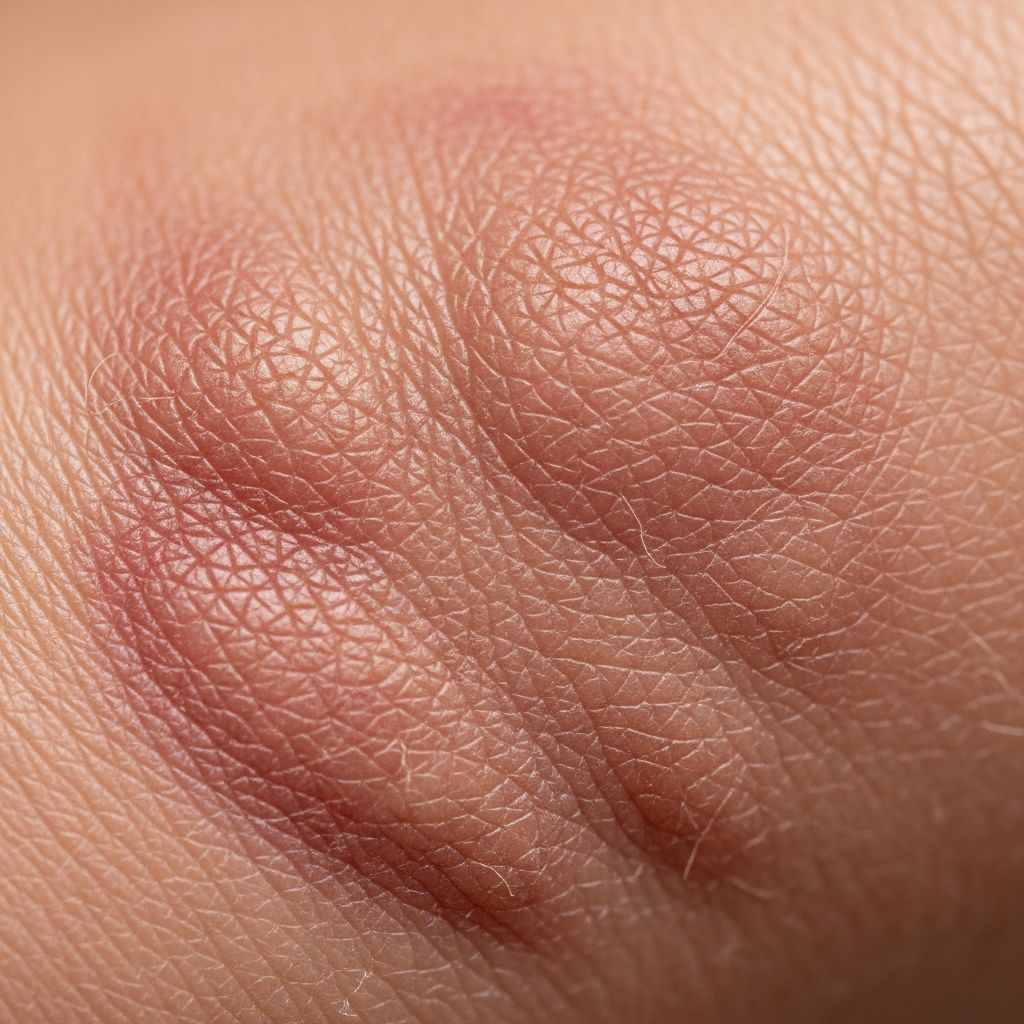
The hallmark of LSC is the vicious cycle of itch and scratching: persistent pruritus leads to mechanical trauma, which causes inflammation and further itch, resulting in skin thickening (lichenification). Over time, this creates dry, thickened, scaly lesions that may appear darker or hyperpigmented compared to surrounding skin. Recent insights reveal a neuroimmune pathogenesis involving type 2 inflammation, hypersensitive nerves, and disrupted sensory pathways.
Who gets lichen simplex chronicus?
LSC affects individuals prone to itch and habitual scratching or rubbing. It is more prevalent in:
- Adults, especially women aged 30–50 years
- People with a personal or family history of atopic dermatitis
- Those with other pruritic dermatoses, such as psoriasis or contact dermatitis
- Individuals exposed to irritants or allergens
- Patients with underlying psychological factors, including anxiety, depression, or obsessive-compulsive tendencies
Risk factors include dry skin, which worsens in colder climates, and mental health conditions that heighten stress responses. In anatomically sensitive areas like the genitals, vulvar LSC is particularly common in women and can significantly impact quality of life.
What causes lichen simplex chronicus?
The primary cause is the itch-scratch cycle: an initial itch stimulus (from dry skin, insect bites, allergies, or stress) prompts scratching, which traumatises the skin, releases inflammatory mediators, and intensifies itch. This leads to chronic rubbing, causing epidermal hyperplasia and lichenification. Pathophysiologically, LSC involves:
- Neurogenic inflammation: Hypersensitive C-fibres and nerve growth factor increase pruritus signalling.
- Type 2 inflammation: Elevated cytokines like IL-4 and IL-13 contribute to itch and barrier dysfunction.
- Psychodermatological factors: Stress exacerbates itch via the brain-skin axis.
Underlying triggers may include eczema, psoriasis, or infections, but in many cases, no primary cause is identified beyond habitual scratching.
What are the clinical features of lichen simplex chronicus?
Lesions are typically solitary or few in number, well-circumscribed, and located in reachable areas. Key features include:
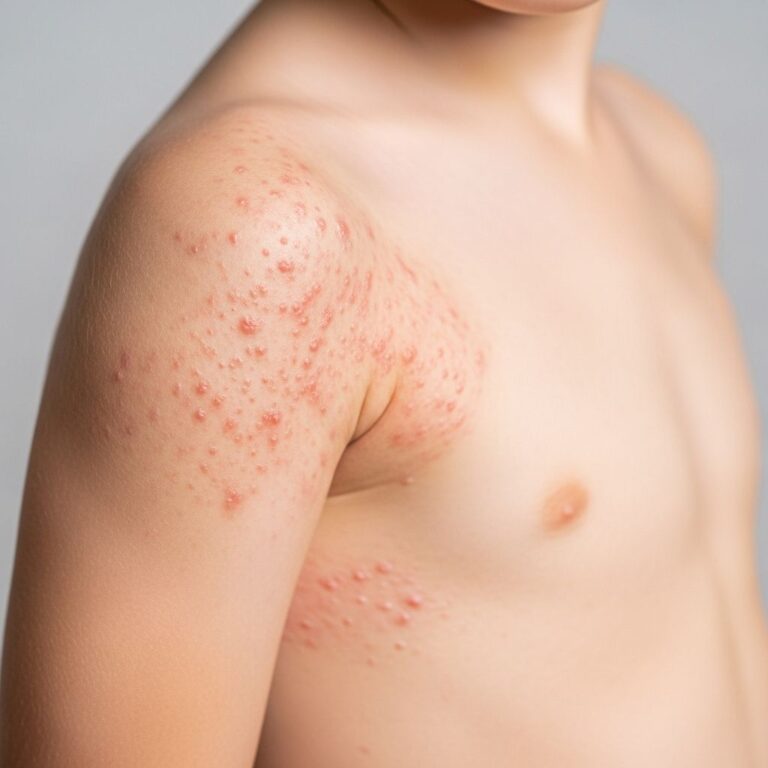
- Appearance: Thickened, leathery, scaly plaques with exaggerated skin markings (lichenification). Early lesions show excoriations; chronic ones are hyperpigmented and dry.
- Size and shape: Oval or irregular, 2–10 cm in diameter, often linear or angular from scratching patterns.
- Symptoms: Intense, localised itch, worse at night; pain if excoriated; secondary bacterial infection possible.
- Common sites: Ankles, lower legs, neck, scalp, wrists, forearms, genitals, anus, and vulva.
In children, lesions may appear on the face or limbs; in adults, anogenital involvement is frequent.
Related Stories



Diagnosis
Diagnosis is primarily clinical, based on history of chronic itch and characteristic lichenified plaques. Differential diagnoses include:
| Condition | Distinguishing Features |
|---|---|
| Lichen amyloidosis | Multiple small papules with amyloid deposits on biopsy |
| Prurigo nodularis | Multiple discrete nodules, more widespread |
| Pityriasis rubra pilaris | Islands of normal skin within erythematous plaques |
| Lichen planus | Polygonal papules with Wickham striae |
In ambiguous cases, a skin biopsy shows compact orthokeratosis, hypergranulosis, and acanthosis. Additional tests like patch testing for allergens or blood work for systemic causes may be performed per guidelines.
Treatment of lichen simplex chronicus
Treatment aims to break the itch-scratch cycle using a multimodal approach: skin protection, anti-itch measures, inflammation control, and behavioural modification. First-line therapy is high-potency topical corticosteroids (TCS) on thicker plaques during flares.
General measures
- Apply occlusion (plastic film wrap overnight) to enhance TCS penetration and protect from scratching.
- Use cotton gloves at night or steroid-impregnated tape for small areas.
- Moisturise frequently with emollients to restore barrier function.
- Avoid irritants, hot showers, and tight clothing.
Topical treatments
- Potent TCS: Clobetasol propionate 0.05% ointment once daily for 2–4 weeks, then taper.
- Topical calcineurin inhibitors: Tacrolimus or pimecrolimus for sensitive areas like genitals to avoid steroid atrophy.
- Other: Doxepin cream for antipruritic effects; menthol lotions for cooling.
Systemic treatments
For widespread or refractory cases:
- Antihistamines: Sedating types (hydroxyzine, doxepin) for nocturnal itch.
- Neuromodulators: Gabapentin or pregabalin for neuropathic pruritus.
- Biologics: Dupilumab for type 2 inflammation, effective in vulvar LSC.
- JAK inhibitors: Emerging for refractory inflammation.
Procedural therapies
- Cryotherapy: Liquid nitrogen to flatten plaques and reduce nerve endings; adjunct to topicals improves clearance.
- Laser resurfacing: Fractional lasers yield superior long-term results vs. steroids.
- Injections: Intralesional steroids or botulinum toxin for localised itch.
Psychological interventions
Cognitive behavioural therapy (CBT), habit reversal training, or stress management to address psychodermatological aspects.
Breaking the itch-scratch cycle
Essential strategies include:
- Identifying and treating underlying triggers (e.g., allergies).
- Using barrier creams and dressings to prevent access.
- Employing distraction techniques and mindfulness.
- Maintaining a symptom diary to track patterns and progress.
Early intervention prevents chronicity and complications like infection or scarring.
Clinical images
Images typically show well-defined, hyperkeratotic plaques on ankles, neck, or genitals with prominent skin markings and excoriations. (Descriptions based on standard dermatological atlases.)
Frequently asked questions
What is the cause of lichen simplex chronicus?
Persistent rubbing/scratching of skin due to intense itch arising from a minor skin disease or psychological stress.
Is lichen simplex chronicus the same as psoriasis?
No. Psoriasis has silvery scale and Auspitz sign; LSC shows lichenification without systemic features.
Do my itchy patches mean I have lichen simplex chronicus?
Not always; differentials like eczema must be excluded.
What is the best treatment for lichen simplex chronicus?
Potent topical corticosteroids with occlusion, emollients, and behavioural modification.
Can lichen simplex chronicus be cured?
It can be controlled but often recurs without ongoing management.
References
- Lichen Simplex Chronicus: Symptoms & UK Treatments — Skin Care Network. 2024. https://www.skincarenetwork.co.uk/dermatology-news/lichen-simplex-chronicus-understanding-symptoms-causes-and-uk-treatments/
- Lichen Simplex Chronicus: Clinical Perspectives and Emerging… — PMC (NCBI). 2024. https://pmc.ncbi.nlm.nih.gov/articles/PMC12615567/
- Lichen Simplex Chronicus – Skin Disorders — Merck Manuals. 2025. https://www.merckmanuals.com/home/skin-disorders/itching-and-dermatitis/lichen-simplex-chronicus
- Lichen Simplex Chronicus (Neurodermatitis) — Cleveland Clinic. 2024. https://my.clevelandclinic.org/health/diseases/17989-neurodermatitis
- Lichen Simplex: What Is It, Causes, Treatment, and More — Osmosis. 2024. https://www.osmosis.org/answers/lichen-simplex
Similar Articles








Read full bio of medha deb