Lichen Spinulosus: Diagnosis, Treatment, And Prognosis
Unravelling the causes, symptoms, diagnosis, and management of lichen spinulosus, a rare follicular skin disorder.
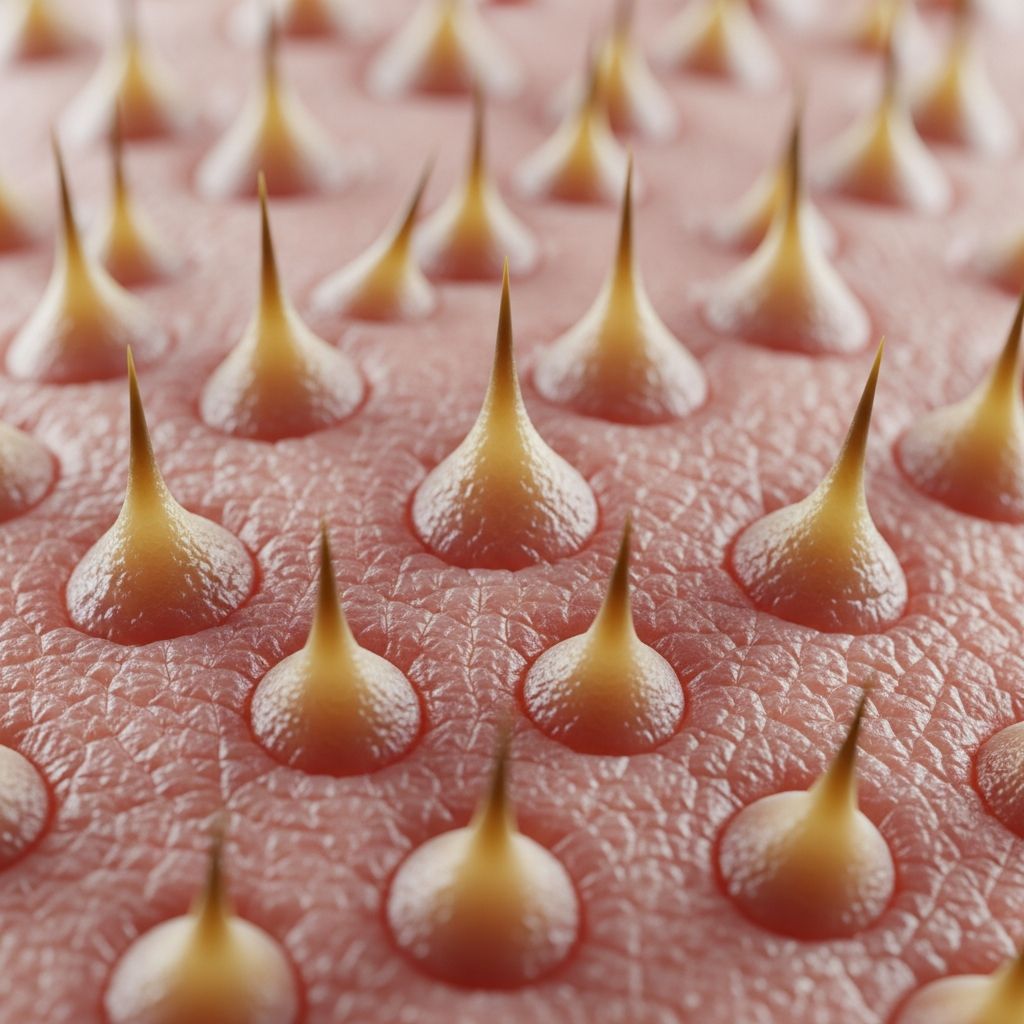
Lichen spinulosus is a rare, benign dermatosis characterized by groups of tiny, spiny, keratotic papules arising from hair follicles, typically forming linear or serpiginous patches on the skin. These lesions resemble small spines or pins, often appearing on the trunk, buttocks, thighs, or upper arms, and are usually asymptomatic but can occasionally itch. First described in the late 19th century, it primarily affects children and adolescents, though it can occur at any age, with a tendency for spontaneous resolution by puberty or within 1-2 years.
What is Lichen Spinulosus?
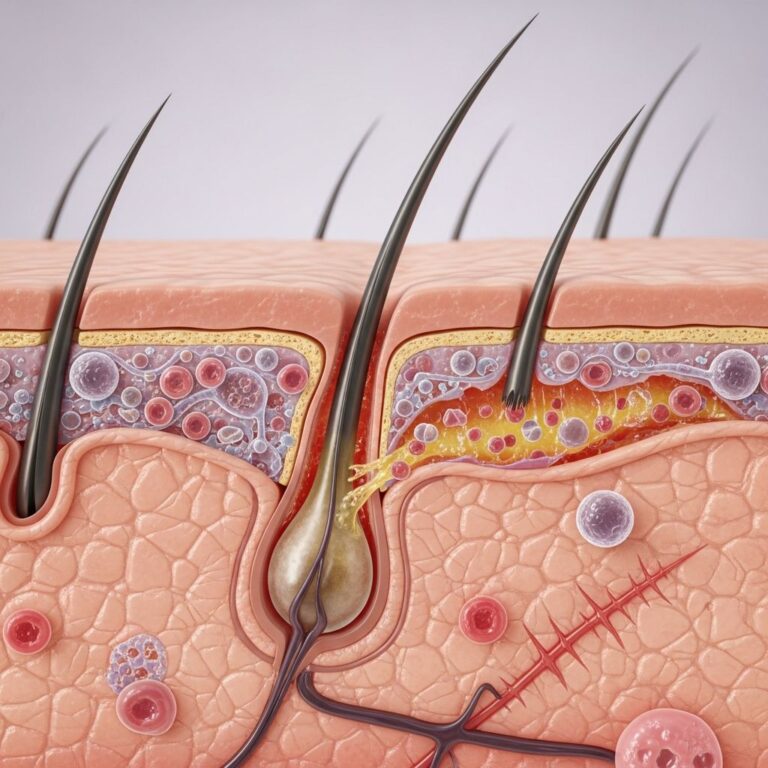
Lichen spinulosus, also known as keratosis spinulosa, represents a variant of keratosis pilaris featuring more pronounced follicular hyperkeratosis with elongated, spiny projections. The condition manifests as discrete, 2-3 mm follicular papules topped with a central horny spine, which can be easily extracted, leaving a crater-like depression. Patches often follow Blaschko’s lines, the developmental pathways of embryonic skin cells, giving them a whorled or linear configuration. Unlike common keratosis pilaris, lichen spinulosus forms larger, localized plaques rather than diffuse involvement, and it lacks significant inflammation.
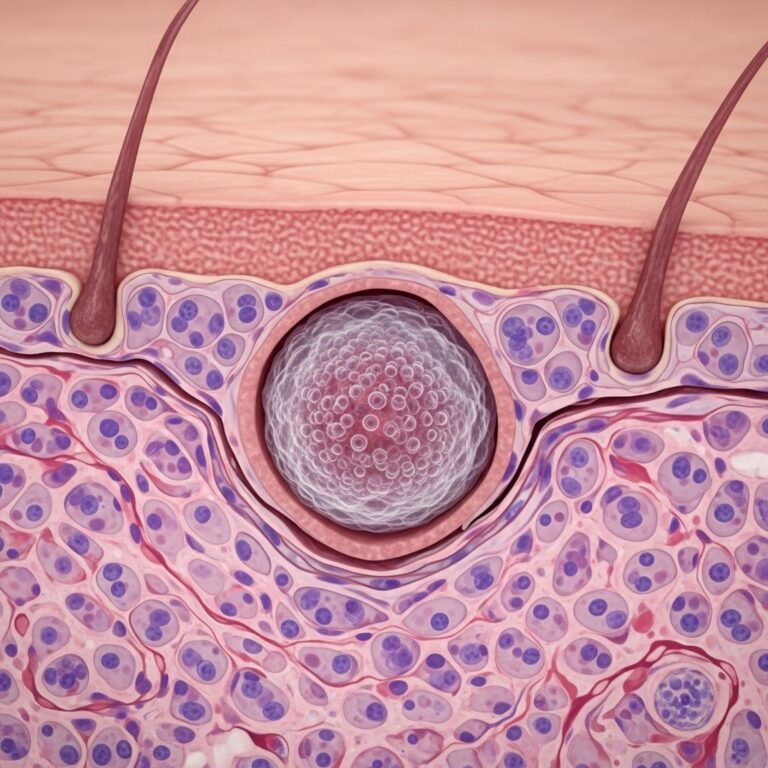
Histologically, the disorder shows dilated follicles plugged with orthokeratotic keratin, acanthosis of the follicular infundibulum, and a sparse perivascular lymphohistiocytic infiltrate around the follicles. There is no true follicular destruction or scarring, distinguishing it from conditions like lichen planopilaris. The etiology remains idiopathic, but multifactorial triggers are implicated, making it a self-limited reactive dermatosis.
Who Gets Lichen Spinulosus?
This uncommon condition predominantly affects children aged 5-15 years, with equal prevalence in both sexes, though adults can develop it secondary to underlying triggers. There is a noted genetic predisposition, often in individuals with a family history of atopy or similar follicular disorders. Patients frequently have a background of atopic dermatitis, dry skin (xerosis), or ichthyosis, suggesting a link to impaired keratinization.
Geographically, no specific patterns exist, but cases are reported worldwide, more noticeable in fair-skinned individuals due to contrast with surrounding skin. Risk escalates with personal or familial atopy, with up to 50% of cases associated with allergic histories.
Causes of Lichen Spinulosus
The precise cause is unknown, but several associations point to a multifactorial pathogenesis involving immune dysregulation, genetic factors, and external triggers. Retained or abnormal keratin production in hair follicles leads to the spiny plugs, possibly exacerbated by follicular microbes like Pityrosporum yeast or immune responses akin to those in atopy.
Key associated factors include:
- Atopy and immune alterations: Strong link to atopic dermatitis, with hypotheses involving lectin pathway activation or hyperkeratotic responses.
- Infections: Secondary to HIV, fungal infections (dermatophytid reactions), diphtheria toxin, or other systemic infections.
- Medications and toxins: Reported after arsphenamine, omeprazole, sodium thiosulfate, thallium, gold, lithium.
- Systemic diseases: Crohn disease, Hodgkin lymphoma, chronic alcoholism, vitamin A deficiency.
- Environmental: Actinic variant triggered by UV exposure, irritants, allergens, or poor hygiene.
- Genetic: Familial cases suggest inherited keratinization defects.
Nutritional deficiencies or stress may indirectly weaken skin barriers, promoting flares.
Clinical Features of Lichen Spinulosus
Lesions present as clusters of 1-3 mm folliculocentric papules with central 1-2 mm horny spines, forming plaques up to several centimeters. Common sites are the abdomen, back, buttocks, thighs, and proximal limbs; the face and flexures are spared. Skin color varies from flesh-toned to reddish-brown, with minimal scaling or erythema unless irritated.
Symptoms are typically absent, but mild pruritus occurs in 20-30% of cases, especially if widespread. Extracting spines reveals empty follicular pits, and patches may linearize along Blaschko’s lines or mimic spiny projections. An actinic form worsens with summer sun exposure. Differential diagnoses include phrynoderma (vitamin A deficiency), keratosis pilaris, lichen nitidus, and syphilis.
Related Stories



Diagnosis of Lichen Spinulosus
Diagnosis is clinical, based on characteristic spiny follicular papules in patches on non-intertriginous skin. Dermoscopy shows starburst spicules or comedo-like plugs. Skin biopsy confirms if needed, revealing hyperkeratotic follicular plugs, acanthosis, and mild dermal infiltrate without scarring.
Workup excludes associations: atopy screen, nutritional labs (vitamin A), infection serologies if systemic signs present. ICD-10: L73.8 (other follicular disorders); SNOMED: 4859009.
Management of Lichen Spinulosus
No curative treatment exists; most cases resolve spontaneously within 1-2 years, often by puberty, though persistence or recurrence occurs. Asymptomatic lesions require reassurance only.
Topical Treatments
First-line: keratolytics and emollients to soften keratin plugs.
| Treatment | Dosage/Regimen | Efficacy/Side Effects |
|---|---|---|
| Salicylic acid 6% gel | Nightly under occlusion 2 weeks or 8 weeks open | Complete clearance common; burning/stinging |
| Lactic acid, urea, propylene glycol | Daily emollient | Moisturizes, reduces scaling; irritation |
| Tretinoin 0.04% gel + hydroactive adhesive | Nightly + daily strips 1-2 months | High efficacy; dryness, retinoid dermatitis |
| Topical steroids (e.g., triamcinolone 0.1%) | Twice daily 2 weeks | Pruritus relief; limited on plugs, atrophy risk |
| Vitamin D analogues (tacalcitol) | Daily | Adjunct; variable |
Other Options
- Cryotherapy for isolated persistent lesions.
- Avoid irritants, daily moisturizing, balanced diet.
- No systemic therapies routinely needed.
Prognosis and Complications
Excellent prognosis: 70-80% spontaneous resolution in 1-2 years; some persist decades or remit/recur. No scarring typically, but scratching risks secondary infection or post-inflammatory hyperpigmentation. Psychological impact from cosmetic concerns in visible areas. Early management improves cosmesis and comfort.
Frequently Asked Questions
Is lichen spinulosus contagious?
No, it is a non-infectious reactive dermatosis, not spread person-to-person.
Does lichen spinulosus go away on its own?
Yes, most cases resolve spontaneously within 1-2 years, especially in children.
What is the best treatment for lichen spinulosus?
Topical salicylic acid or tretinoin with emollients; observation if asymptomatic.
Can lichen spinulosus be itchy?
Mild itching occurs in some; treat with low-potency steroids if needed.
Is lichen spinulosus related to keratosis pilaris?
Yes, it’s a severe follicular variant with spiny plugs.
When should I see a doctor for lichen spinulosus?
If painful, rapidly growing, infected, or persistent despite home care.
References
- An Atlas of Lumps and Bumps, Part 39: Lichen Spinulosus — Consultant360. 2023. https://www.consultant360.com/photo-essay/atlas-lumps-and-bumps-part-39-lichen-spinulosus
- Lichen Spinulosus – Causes, Symptoms, Diagnosis, and Treatment — Apollo Hospitals. 2024. https://www.apollohospitals.com/diseases-and-conditions/lichen-spinulosus
- Lichen Spinulosus (Keratosis Spinulosa) — Dermatology Advisor. 2024-01-15. https://www.dermatologyadvisor.com/home/decision-support-in-medicine/dermatology/lichen-spinulosus-keratosis-spinulosa/
- Lichen spinulosus — Wikipedia. 2024. https://en.wikipedia.org/wiki/Lichen_spinulosus
- Dermatologic Look-Alikes: Spiny Bumps — Clinical Advisor. 2023-05-01. https://www.clinicaladvisor.com/features/spiny-bumps/
- Lichen spinulosus — VisualDx. 2025. https://www.visualdx.com/visualdx/diagnosis/lichen+spinulosus?diagnosisId=51862&moduleId=10
- Lichen spinulosus — DermNet NZ. 2024-06-20. https://dermnetnz.org/topics/lichen-spinulosus
Similar Articles








Read full bio of Sneha Tete