Licorice Root: Benefits, Uses, and Safety
Explore the traditional herb licorice root, its potential health benefits, active compounds, and important safety considerations.
What Is Licorice Root?
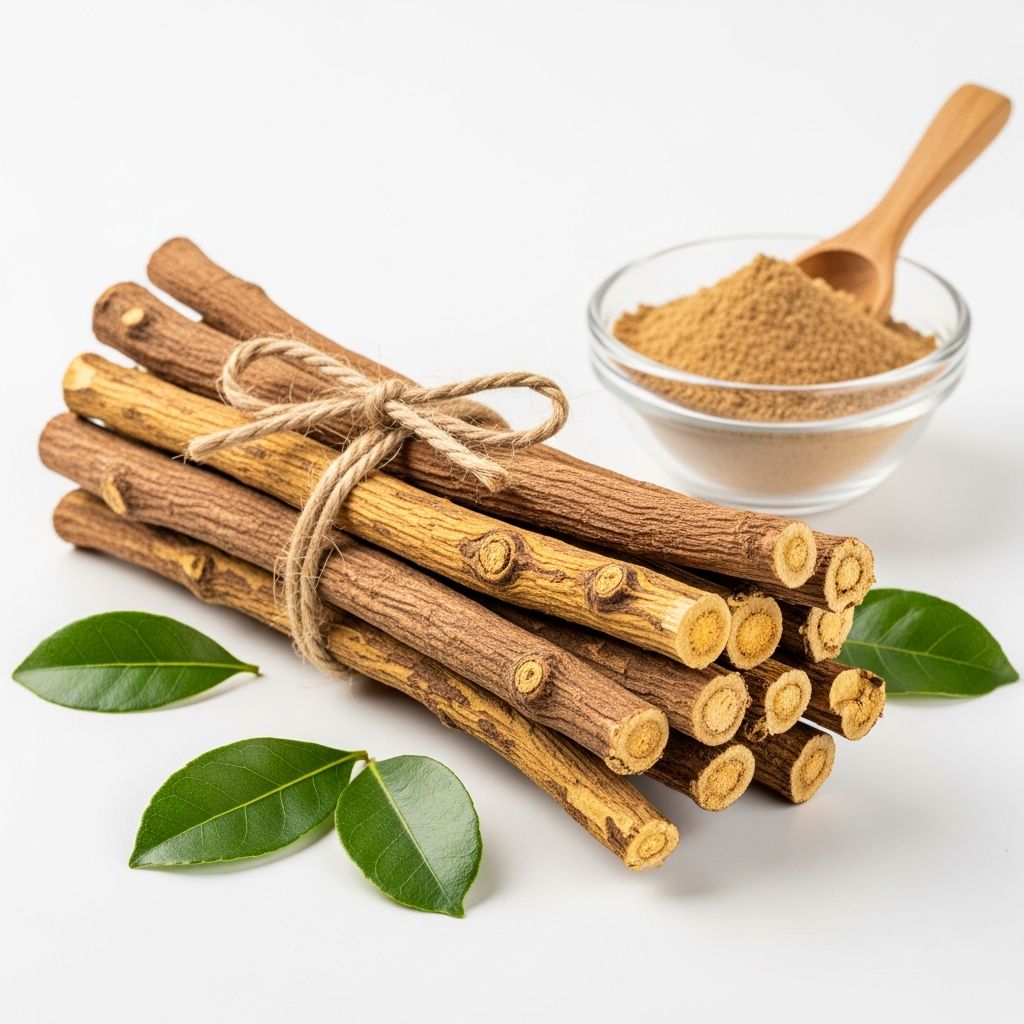
Licorice root, scientifically known as Glycyrrhiza glabra, is a perennial plant native to Western Asia and the Mediterranean region. For thousands of years, this distinctive root has been a cornerstone of traditional medicine systems, including Traditional Chinese Medicine, Ayurveda, and ancient Egyptian healing practices. The root is characterized by its distinctive sweet taste and has been used both as a flavoring agent and a therapeutic herb across numerous cultures.
The widespread use of licorice root in historical medicine stems from its complex chemical composition and the bioactive compounds it contains. Modern scientific research has begun to validate many of the traditional claims about this herb, though many applications still require further investigation to establish definitive efficacy in human populations.
Active Compounds and Chemical Composition
Licorice root contains nearly 300 bioactive compounds that contribute to its diverse pharmacological properties. Among these, approximately 400 compounds have been isolated and studied, including various flavonoids, saponins, phytosterols, polysaccharides, coumarins, amino acids, gums, lignans, starches, and sugars. However, the most significant and well-researched compound is glycyrrhizin, a triterpene saponin that is responsible for the root’s characteristic sweet taste and many of its therapeutic effects.
Glycyrrhizin and its derivatives, including glycyrrhizic acid and glycyrrhetinic acid, are known for their anti-inflammatory, antioxidant, antimicrobial, antidiabetic, anti-asthmatic, and antispasmodic properties. Another important compound found in licorice root is glabridin, which has been demonstrated to be a potent antioxidant with hypoglycemic effects.
It is important to note that while glycyrrhizin contributes significantly to licorice root’s benefits, it is also associated with certain adverse effects when consumed in large quantities. To address these concerns, some commercially available products use deglycyrrhizinated licorice (DGL), which has had the glycyrrhizin removed while retaining many other beneficial compounds.
Potential Health Benefits and Traditional Uses
Digestive Health and Acid Reflux
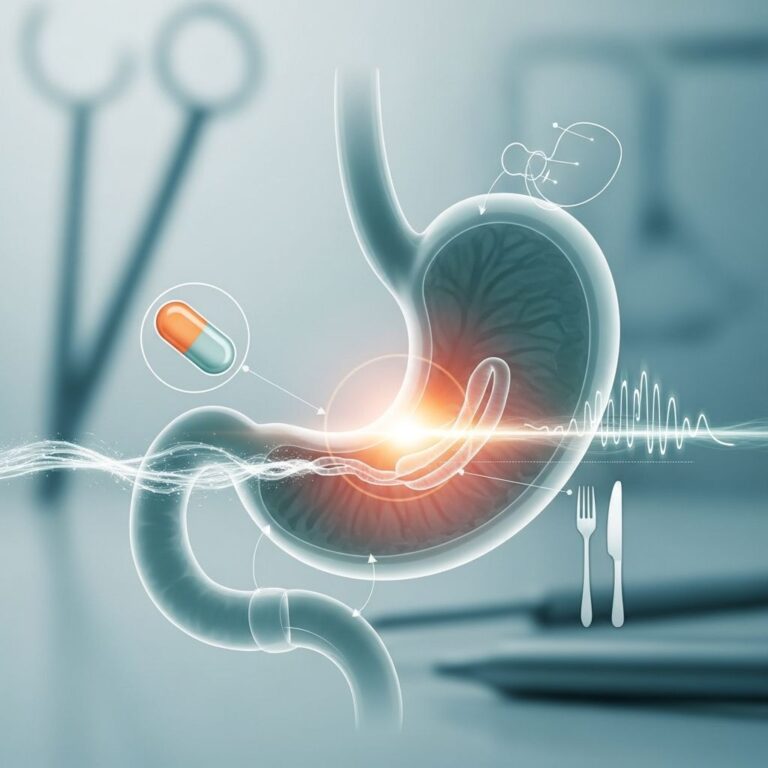
One of the most well-researched applications of licorice root is its potential role in supporting digestive health. Licorice root extract has been traditionally used and is currently being studied for its ability to help relieve symptoms of gastroesophageal reflux disease (GERD), including acid reflux, heartburn, and indigestion. A 2017 clinical study involving 58 adults with GERD found that taking licorice root daily was more effective at reducing symptoms over a 2-year period compared to commonly used antacid medications.
The mechanism behind this benefit appears to involve the root’s ability to increase mucus production in the stomach, which helps protect the gastric lining from acid damage. Additionally, the anti-inflammatory compounds in licorice root work to reduce inflammation in the esophagus and digestive tract.
Peptic Ulcer Treatment
Licorice root extract and its glycyrrhizin content may help treat peptic ulcers, which are painful sores that develop in the stomach, lower esophagus, or small intestine as a result of H. pylori bacterial infection. A 2023 animal study found that licorice flavonoid could help relieve peptic ulcers by increasing mucus production, reducing inflammation, and improving the gut microbiome composition.
Related Stories



Furthermore, a 2016 study conducted in 120 adults found that consuming licorice extract in addition to standard treatment significantly reduced the presence of H. pylori bacteria after just two weeks of treatment. This suggests that licorice root may serve as a valuable adjunct therapy in managing H. pylori-induced ulcers. Licorice root is also effective against various gastrointestinal problems by repairing the inner layer of the stomach lining.
Respiratory Support
Traditional medicine has long utilized licorice root for respiratory conditions, and modern research supports some of these applications. A 2019 review found that glycyrrhizin extract from licorice root may help relieve asthma due to its potent anti-inflammatory properties. The authors of this review suggested that licorice root extract may be an asthma treatment with some of the fewest potential side effects compared to conventional therapies.
Another 2019 study demonstrated that licorice root tea and extract may protect against strep throat and support the respiratory system by cleansing it and increasing mucus production. However, researchers note that further investigation is needed to establish optimal dosing and treatment protocols for respiratory conditions.
Oral Health Benefits
Research suggests that licorice root may help protect against cavities and treat several oral health conditions, including oral thrush, canker sores, tooth decay, and periodontitis. The antimicrobial and anti-inflammatory properties of licorice root make it potentially valuable for maintaining oral health and preventing common dental problems. However, more research is needed to determine the optimal dose and form of licorice root for oral health applications.
Potential Anticancer Properties
Licorice root extract is being studied for its protective effects against certain types of cancer according to the National Cancer Institute. Animal studies have found that licorice root helped slow or prevent cell growth in skin, colorectal, and breast cancer. However, as research is currently limited to test tubes and animal models, its effects on human cancers remain unknown and require further investigation through clinical trials.
Interestingly, research suggests that licorice root extract may be as effective as standard treatment for oral mucositis, a painful side effect of chemotherapy. This potential benefit warrants further research in cancer care settings.
Hormonal and Adrenal Support
Licorice root has garnered attention in herbal medicine for its potential benefits on adrenal function and hormonal health. The active compounds in licorice root, notably glycyrrhizin and flavonoids, contribute to its adaptogenic properties, making it a subject of interest in supporting the body’s response to stress. Glycyrrhizin, glycyrrhizic acid, and glycyrrhetinic acid may influence the enzyme 11β-hydroxysteroid dehydrogenase type 2 (11β-HSD2), which is responsible for breaking down cortisol into its inactive form.
Additionally, licorice root has been explored for its potential as an adjunct therapy for polycystic ovary syndrome (PCOS) due to its anti-androgenic effects by interacting with specific enzymes in the ovaries and adrenal glands. While human studies are needed to fully understand the benefits of licorice supplementation for PCOS patients, preliminary studies show promise in licorice’s ability to influence testosterone secretion and fertility in animal models.
Other Potential Benefits
Licorice root extract has been associated with several other potential health benefits, though these require additional research to establish clear efficacy:
- Aiding in diabetes management and blood sugar control
- Reducing menopausal symptoms
- Supporting weight loss efforts
- Treating hepatitis C
- Hepatoprotective and liver-supporting effects
- Immunostimulatory properties
Safety Considerations and Side Effects
While licorice root offers numerous potential benefits, it is important to understand that it is not risk-free. The glycyrrhizin compound, while responsible for many of the herb’s benefits, is also associated with adverse effects when consumed in excessive amounts or for prolonged periods.
Common side effects may include:
- Elevated blood pressure
- Sodium retention and fluid accumulation
- Potassium depletion
- Pseudohyperaldosteronism
- Muscle weakness
- Headaches
Individuals with certain health conditions should exercise particular caution or avoid licorice root altogether, including those with high blood pressure, kidney disease, heart disease, diabetes, hormonal conditions, or those taking certain medications. Pregnant and breastfeeding women should consult healthcare providers before using licorice root supplements.
To minimize potential risks, some manufacturers have created deglycyrrhizinated licorice (DGL) products, which have the glycyrrhizin removed while retaining many beneficial compounds and reducing the risk of adverse effects associated with glycyrrhizin.
Cardiovascular Effects
Research has examined licorice root’s effects on the cardiovascular system, with findings suggesting both potential benefits and risks. Some botanical supplements containing licorice root components may provide cardiovascular benefits consistent with tissue-selective activity in the cardiovascular system. However, the sodium-retaining and blood pressure-raising effects of glycyrrhizin necessitate careful consideration for individuals with cardiovascular concerns or hypertension.
Dosage and Administration
Determining the appropriate dose of licorice root depends on several factors, including the specific health condition being addressed, the form of the supplement (tea, extract, powder, or capsule), individual health status, and the presence of other medications. General guidelines suggest:
- For GERD and digestive issues: Daily licorice root extract use for extended periods, as studied in the 2-year GERD research
- For peptic ulcers: Licorice extract combined with standard treatment protocols
- For respiratory support: Licorice root tea or extract as needed
Due to the potential for adverse effects from long-term glycyrrhizin exposure, many experts recommend limiting continuous use of licorice root containing full glycyrrhizin levels to 4-6 weeks unless under medical supervision. DGL products may be safer for longer-term use but should still be discussed with a healthcare provider.
Important Considerations for Users
Drug Interactions
Licorice root can interact with various medications, including blood pressure medications, diuretics, corticosteroids, and certain other drugs. It is essential to inform healthcare providers about licorice root supplementation before starting new medications or supplements.
Quality and Standardization
The quality and potency of licorice root supplements can vary significantly between manufacturers. Look for products that are standardized for glycyrrhizin content and manufactured by reputable companies that follow good manufacturing practices (GMP).
Evidence Quality
While licorice root has a long history of traditional use and shows promise in research, it is important to note that some research has been done on licorice root’s health effects, but there isn’t enough high-quality evidence to clearly support its use for all health conditions. Many studies have been conducted in animal models or small human populations, and larger, well-controlled clinical trials are needed for many applications.
Frequently Asked Questions
Q: Is licorice root safe for everyone?
A: No, licorice root is not appropriate for everyone. Individuals with high blood pressure, heart disease, kidney disease, or those taking certain medications should consult healthcare providers before using licorice root supplements. Pregnant and breastfeeding women should also seek medical advice.
Q: What is the difference between licorice root and DGL?
A: DGL (deglycyrrhizinated licorice) has had the glycyrrhizin compound removed, which reduces the risk of adverse effects while maintaining many of licorice root’s beneficial compounds. DGL is often recommended for those concerned about blood pressure or electrolyte changes.
Q: How long can licorice root be used safely?
A: General recommendations suggest limiting continuous use of regular licorice root to 4-6 weeks unless under medical supervision, due to the potential for glycyrrhizin-related side effects. DGL products may be safer for longer-term use.
Q: Can licorice root cure cancer?
A: No. While animal studies show that licorice root may slow cancer cell growth, current research is limited to test tubes and animal models. Its effects on human cancers are unknown, and it should not be considered a cancer treatment or replacement for conventional cancer therapy.
Q: Should I take licorice root if I have high blood pressure?
A: Generally, no. Glycyrrhizin in licorice root can increase blood pressure and cause sodium retention. If you have hypertension or cardiovascular concerns, consult your healthcare provider before using licorice root supplements.
Q: Where can I find reliable licorice root supplements?
A: Look for supplements from reputable manufacturers that follow good manufacturing practices (GMP) and provide standardized products with clearly labeled glycyrrhizin content. Consult your healthcare provider for product recommendations.
Conclusion
Licorice root represents a fascinating intersection of traditional herbal medicine and modern scientific investigation. With its complex array of bioactive compounds—particularly glycyrrhizin and various flavonoids—this ancient root demonstrates potential therapeutic applications across multiple body systems, from digestive health to respiratory support. The emerging research on licorice root’s anti-inflammatory, antioxidant, and antimicrobial properties suggests that traditional uses may indeed have scientific merit.
However, the journey from traditional use to validated therapeutic agent requires careful consideration of both benefits and risks. While licorice root shows promise for conditions such as GERD, peptic ulcers, and respiratory issues, the potential for adverse effects from glycyrrhizin—particularly regarding blood pressure and electrolyte balance—cannot be overlooked. This reality underscores the importance of medical supervision when considering licorice root supplementation, particularly for individuals with underlying health conditions or those taking medications.
As research continues to evolve, licorice root will likely play an increasingly defined role in integrative healthcare. The availability of DGL products offers a lower-risk option for some applications, while standardized full-strength extracts remain valuable for specific therapeutic uses under professional guidance. Ultimately, licorice root exemplifies how traditional herbal knowledge, when subjected to rigorous scientific examination, can inform safe and effective approaches to health and wellness.
References
- Licorice Root: Benefits, Uses, Precautions, and Dosage — Healthline. 2024. https://www.healthline.com/nutrition/licorice-root
- Licorice Root: A Natural Solution for Adrenal Support and Hormonal Health — Rupa Health. 2024. https://www.rupahealth.com/post/licorice-root-a-natural-solution-for-adrenal-support-and-hormonal-health
- Bioactive Candy: Effects of Licorice on the Cardiovascular System — PubMed Central/NIH. 2019. https://pmc.ncbi.nlm.nih.gov/articles/PMC6836258/
- Licorice Root Components in Dietary Supplements are Selective Estrogen Receptor Modulators — PubMed Central/NIH. 2015. https://pmc.ncbi.nlm.nih.gov/articles/PMC4714869/
- Licorice—More Than Just a Halloween Treat — National Center for Complementary and Integrative Health (NCCIH), National Institutes of Health (NIH). 2024. https://content.govdelivery.com/accounts/USNIHNCCIH/bulletins/2f739ea
- Hepatitis C and Dietary Supplements — National Center for Complementary and Integrative Health (NCCIH), National Institutes of Health (NIH). 2024. https://www.nccih.nih.gov/health/providers/digest/hepatitis-c-and-dietary-supplements
Similar Articles








Read full bio of medha deb