Lidocaine Skin Cream & Ointment: Uses, Dosage & Side Effects
Complete guide to lidocaine topical creams: how they work, proper usage, and safety information.
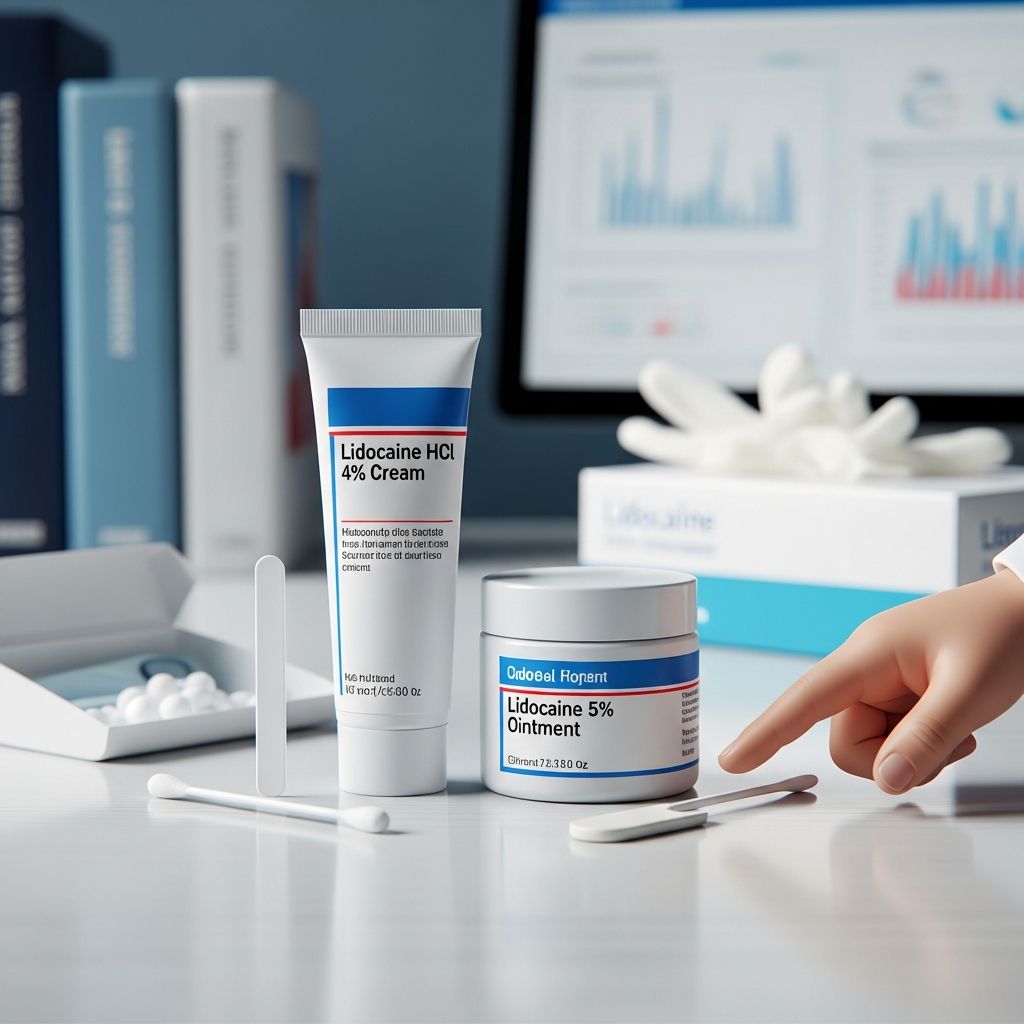
What is Lidocaine Cream and Ointment?
Lidocaine is a topical anesthetic medication that provides temporary pain relief by numbing the area where it is applied. It belongs to a class of medications known as local anesthetics and works by blocking nerve signals in your skin that transmit pain sensations to your brain. When you apply lidocaine cream or ointment to your skin, the medication prevents your nerves from sending pain signals, creating a numbing sensation in the treated area. This temporary loss of feeling can help you manage discomfort and pain without the need for oral pain medications.
Lidocaine is available in multiple formulations, with cream and ointment being among the most commonly used topical applications. These products are available both by prescription and over-the-counter, depending on the strength and brand. The medication works locally at the application site, meaning it only affects the area where you apply it, rather than affecting your entire body like systemic pain relievers.
Common Uses and Applications
Lidocaine cream and ointment serve several therapeutic purposes for managing various types of pain and discomfort. The following are primary uses for lidocaine topical formulations:
– Minor Burns: Lidocaine can provide relief from the pain and discomfort associated with minor burns, helping to soothe the affected area while the skin heals.- Scrapes and Abrasions: When you have minor cuts or scrapes, applying lidocaine cream can help numb the area and reduce associated pain.- Insect Bites: Lidocaine effectively reduces itching and pain from insect bites and stings, providing temporary relief from the inflammatory response.- Procedural Pain Relief: Healthcare providers often use lidocaine cream to prevent and treat pain caused by certain medical procedures, including injections, tattoos, and minor surgical interventions.- Eczema and Skin Conditions: The numbing properties can help alleviate itching and discomfort associated with eczema and other inflammatory skin conditions.
How to Use Lidocaine Cream and Ointment
Proper application of lidocaine is essential for achieving maximum effectiveness while minimizing potential side effects. Follow these guidelines when using lidocaine cream or ointment:
Application Instructions
To apply lidocaine cream or ointment correctly, first wash your hands thoroughly with soap and water before use. Using your fingertips or clean cotton swabs, apply a thin layer of the medication directly to the affected area of skin. Make sure the area you’re treating is clean and dry before application. After applying the medication, wash your hands again unless you are treating your hands themselves, in which case you should only wash them before use to avoid spreading the numbing medication to areas where it isn’t needed.
Always use the medication exactly as directed on the prescription label or product packaging. Do not use lidocaine more frequently than directed, as doing so could increase the risk of side effects or reduce the medication’s effectiveness. If you are unsure about how to use the product, consult with your healthcare provider or pharmacist for specific instructions.
Dosage Considerations
The appropriate dosage of lidocaine cream or ointment depends on several factors, including the size of the affected area, the severity of your symptoms, and your individual health status. Always follow the directions provided on your prescription label or product packaging. Different formulations and brands may have varying recommended doses, so it is important to read the label carefully.
Related Stories



For patch formulations, the maximum dose is typically three patches per day, with a maximum of 12 patches in a 24-hour period. Patches should only be applied to intact skin and should be removed after the recommended duration specified in the product instructions.
Brand Names and Formulations
Lidocaine is marketed under numerous brand names and comes in various formulations to suit different needs and preferences. Some of the most common brand names include:
– AneCream- Aspercreme with Lidocaine- AsperFlex- BenGay- Blue Tube- CidalEaze- Ela-Max- Gold Bond Medicated Maximum Strength Pain & Itch Relief- LMX 4 and LMX 5- Lidtopic Max- Solarcaine- Topicaine- Xylocaine Topical
Each brand may have slightly different concentrations and additional ingredients, so always check the label to ensure you are using the product that best suits your needs. Your healthcare provider can recommend a specific brand or formulation based on your particular condition and medical history.
Precautions and Contraindications
Before using lidocaine cream or ointment, inform your healthcare provider about any medical conditions you have or medications you are currently taking. Certain conditions may make lidocaine use inadvisable or require special monitoring:
– Allergies to lidocaine or other local anesthetics- Severe liver disease- Heart rhythm problems or cardiac conditions- Certain skin conditions or infections- Pregnancy or breastfeeding (consult your doctor first)
Do not apply lidocaine to areas of skin that are infected, open, or damaged, as this may increase the amount of medication that passes through your skin barrier and increase the risk of serious side effects. Additionally, avoid applying the medication near your eyes or mucous membranes unless specifically directed by your healthcare provider.
Drug Interactions
When applied topically as directed, lidocaine cream and ointment are not expected to have significant drug interactions. However, it is important to inform your healthcare provider of all medications, herbs, over-the-counter drugs, and dietary supplements you use. Additionally, let them know if you smoke, drink alcohol, or use any illegal drugs, as these factors may affect your overall health and treatment outcomes.
The risk of serious interactions is limited with topical lidocaine because very little of the medication is absorbed into the bloodstream when applied to intact skin. However, if you have concerns about potential interactions, consult with your pharmacist or healthcare provider before using this medication.
Side Effects and Adverse Reactions
Like all medications, lidocaine cream and ointment can cause side effects, though many people tolerate this medication very well. Topical lidocaine is generally considered safe with good tolerability when used as directed. Side effects are typically localized to the application area.
Common Side Effects
Side effects that usually do not require immediate medical attention but should be reported if they persist or become bothersome include:
– Mild skin irritation or redness at the application site- Temporary itching or burning sensation when first applied- Slight rash or blotching of the skin- Minimal swelling or edema at the application area
Serious Side Effects
Contact your healthcare provider immediately if you experience any of these serious side effects:
– Severe allergic reactions, including difficulty breathing or swelling of the face, lips, or tongue- Unusual or persistent rash that spreads beyond the application area- Signs of allergic contact dermatitis, such as blistering or severe inflammation- Severe burning or pain that worsens rather than improves- Loss of sensation that extends beyond the intended treatment area- Signs of systemic toxicity if the medication is absorbed in excessive amounts
While allergic reactions to lidocaine are relatively uncommon, they can occur, particularly in individuals with a history of sensitivity to local anesthetics. If you suspect an allergic reaction, discontinue use and seek medical attention immediately.
Safety Considerations and Warnings
When using lidocaine cream or ointment, be aware of important safety considerations to prevent injury and ensure proper healing:
Avoiding Injury While Numb
Be careful to avoid injury while the treated area is numb and you are not aware of pain. Since you cannot feel pain signals, you might inadvertently injure yourself. For example, if you apply lidocaine to your feet before wearing uncomfortable shoes, you may not notice pain that would normally alert you to tissue damage. Avoid activities that could cause injury to the numbed area, and always be mindful that the lack of pain sensation is temporary.
Monitoring Your Progress
Visit your healthcare provider for regular check-ups to monitor your progress while using lidocaine. Inform your care team if your symptoms do not start to improve or if they worsen over time. Persistent pain or worsening symptoms may indicate an underlying condition that requires different treatment or further evaluation.
Children and Special Populations
Talk to your healthcare provider about the use of lidocaine in children, as special care may be needed for pediatric patients. The appropriate dose and formulation may differ for children, and certain precautions apply. Always follow your doctor’s recommendations when using lidocaine for children.
Frequently Asked Questions
Q: How long does lidocaine cream take to work?
A: Lidocaine typically begins to numb the area within a few minutes of application, with maximum effect usually achieved within 10-15 minutes. The duration of numbness can vary depending on the formulation and concentration used.
Q: Can I use lidocaine cream on open wounds?
A: No, you should not apply lidocaine to open wounds, cuts, or areas with broken or inflamed skin, as this increases the risk of excess absorption and potential side effects. Use only on intact skin unless otherwise directed by your healthcare provider.
Q: Is lidocaine safe during pregnancy?
A: You should consult with your healthcare provider before using lidocaine during pregnancy. While topical application involves minimal systemic absorption, your doctor can advise whether it is appropriate for your specific situation.
Q: Can I use lidocaine cream on my face?
A: Generally, you should avoid applying lidocaine near your eyes and on sensitive facial areas unless specifically instructed by your healthcare provider. Ask your doctor about safe application to facial skin.
Q: How often can I use lidocaine cream?
A: Use lidocaine exactly as directed on the label or by your healthcare provider. Do not use it more frequently than recommended, as overuse may increase the risk of side effects.
Q: What should I do if I miss a dose?
A: If you miss a scheduled application, use it as soon as you remember. If it is almost time for your next dose, skip the missed dose and use only the next scheduled dose. Do not use double or extra doses to make up for a missed application.
Q: Are there any interactions with other topical products?
A: Do not use any other skin products on the affected area without talking to your healthcare provider first, as combinations may cause unexpected reactions or reduce effectiveness.
References
- Lidocaine Skin Cream or Ointment — Cleveland Clinic. Accessed December 2025. https://my.clevelandclinic.org/health/drugs/19854-lidocaine-skin-cream-or-ointment
- Lidocaine Topical Lotion: Uses & Side Effects — Cleveland Clinic. Accessed December 2025. https://my.clevelandclinic.org/health/drugs/18869-lidocaine-topical-lotion
- Be aware of lidocaine allergic contact dermatitis — Dermatology Times. https://www.dermatologytimes.com/view/be-aware-lidocaine-allergic-contact-dermatitis
- Topical Lidocaine for Chronic Pain Treatment — PubMed Central, National Center for Biotechnology Information. https://pmc.ncbi.nlm.nih.gov/articles/PMC8487862/
- Topical Lidocaine: How It Works for Pain Relief — TYLENOL. https://www.tylenol.com/safety-dosing/what-is-topical-lidocaine
- What Is a Topical Anesthetic? Uses, How They Work — Cleveland Clinic. https://my.clevelandclinic.org/health/articles/topical-anesthetic
Similar Articles








Read full bio of Sneha Tete