Light Therapy For Atopic Dermatitis: A Practical Guide
Discover how phototherapy uses UV light to manage severe eczema symptoms effectively and safely.
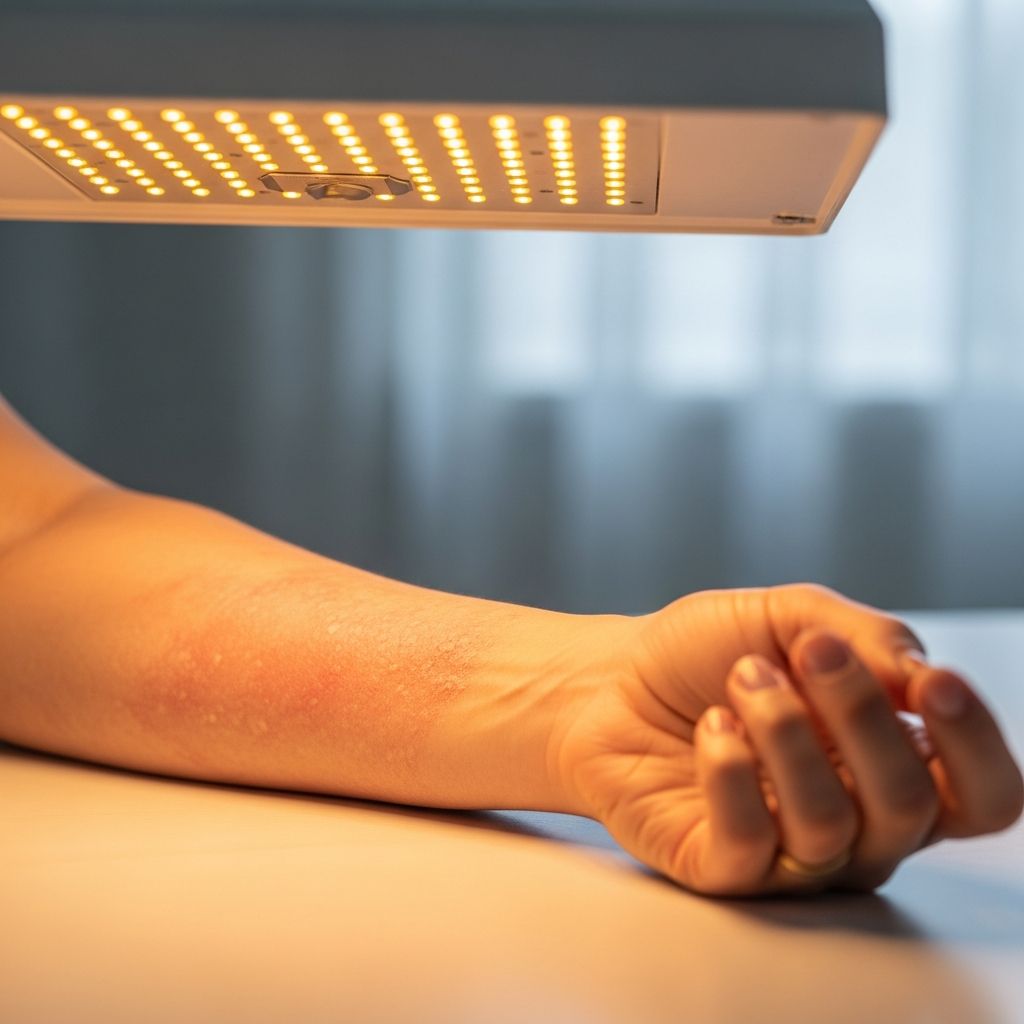
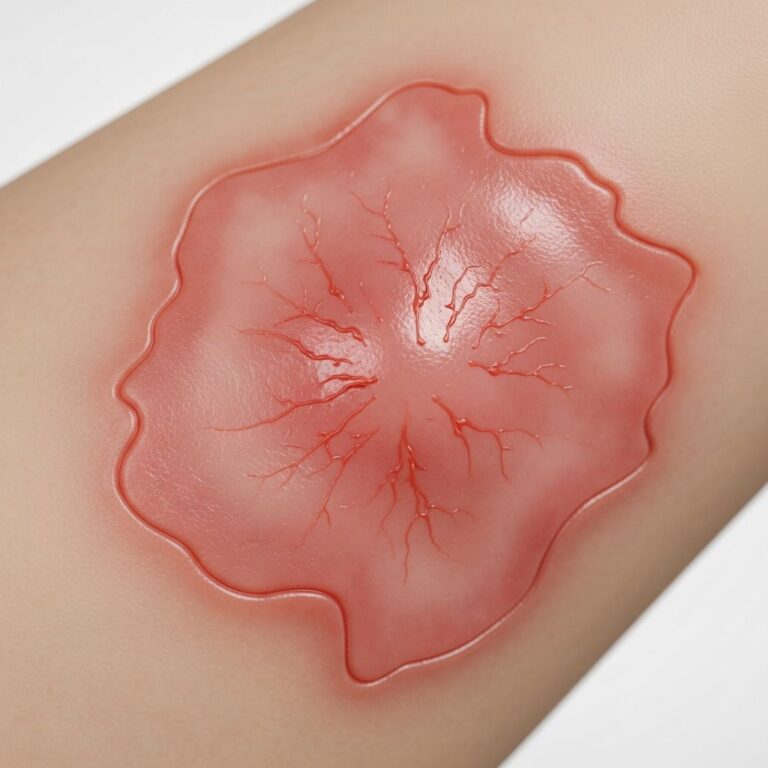
Light therapy, also known as phototherapy, serves as a valuable treatment option for individuals with moderate to severe atopic dermatitis (eczema) when topical creams and moisturizers prove insufficient. This non-invasive approach uses controlled ultraviolet (UV) light to reduce skin inflammation, alleviate itching, and promote healing, offering significant relief during flare-ups.
What Is Light Therapy for Eczema?
Phototherapy involves exposing affected skin areas to specific wavelengths of UV light in a clinical setting. Administered by dermatologists, it targets overactive immune responses in the skin that drive eczema symptoms. Unlike tanning beds, which are unsuitable and risky, medical phototherapy employs precise equipment like fluorescent lamps or booths to deliver safe doses tailored to the patient’s skin type.
Treatment typically occurs 2-6 times per week for 4-12 weeks, with sessions starting at under a minute and gradually increasing. Patients stand in a light booth, wearing protective goggles and coverings for sensitive areas like eyes and genitals. The process suppresses inflammation by influencing cell division and immune activity, allowing skin to heal temporarily.
Types of Light Therapy for Atopic Dermatitis
Several phototherapy modalities exist, each with distinct mechanisms and applications. The choice depends on eczema severity, skin type, and patient history.
- Narrowband UVB (NB-UVB): The most common and preferred type, using UVB rays at 311-313 nanometers. It minimizes side effects while effectively reducing redness and itch.
- PUVA (Psoralen + UVA): Combines UVA light with psoralen, a photosensitizing drug taken orally or applied topically. This enhances light penetration but carries higher long-term risks, making it less common today.
- UVA1 Phototherapy: Delivers higher doses of UVA1 for acute flares, though coverage varies by region and it’s not always insured for outpatient use.
- Balneophototherapy: Integrates UV exposure with bathing in mineral-rich water, potentially boosting efficacy for widespread eczema.
For localized eczema on hands, feet, or scalp, handheld devices provide targeted treatment. Home units are possible for maintenance but require strict medical supervision.
How Does Light Therapy Work for Eczema?
UV light penetrates the skin to modulate immune cells, decreasing pro-inflammatory cytokines and T-cell activity central to atopic dermatitis pathology. This leads to reduced redness, scaling, and intense pruritus (itching). Studies indicate symptom improvement within 1-2 months of consistent sessions, with optimal results when combined with emollients.
Dosage escalates gradually based on skin phototype (fairer skin starts lower), prior sun exposure, and medications like antibiotics that increase photosensitivity. Experienced providers adjust protocols to balance efficacy and safety.
Benefits of Phototherapy for Atopic Dermatitis
Phototherapy excels for patients unresponsive to topicals, providing broad coverage for extensive lesions. Key advantages include:
Related Stories



- Rapid symptom relief: Reduces itch and inflammation, improving quality of life.
- Antimicrobial effects: UV light combats bacterial overgrowth common in eczema.
- Non-systemic: Targets skin without whole-body immunosuppression initially.
- Evidence-based: Research confirms short-term efficacy, especially NB-UVB over broadband UVB.
Balneophototherapy may enhance outcomes further, per clinical findings. It’s suitable for adults and older children with severe symptoms.
Side Effects and Risks of Light Therapy
While generally safe, phototherapy mimics sun exposure, prompting precautions. Common side effects include:
| Side Effect | Description | Frequency |
|---|---|---|
| Skin dryness | UV rays dehydrate skin; managed with moisturizers post-treatment. | Common |
| Sunburn-like erythema | Redness, tenderness, or burning, especially in lighter skin types. | Common |
| Pruritus activation | Temporary itch increase. | Occasional |
| Hyperpigmentation | Dark spots, more in darker skin. | Occasional |
| Long-term risks (PUVA/UVA) | Premature aging, nonmelanoma skin cancer, cataracts. | Rare with NB-UVB |
Herpes simplex reactivation risks necessitate lip sunscreen. Cumulative exposure raises skin cancer concerns, underscoring limited courses.
Preventing Side Effects During Phototherapy
Proactive measures minimize risks:
- Apply fragrance-free moisturizers immediately after sessions.
- Use UV-protective eyewear and genital coverings.
- Avoid photosensitizing drugs (e.g., NSAIDs, tetracyclines).
- Apply lip balm with sunscreen pre-treatment.
- Monitor skin for burns; report promptly.
- Limit total lifetime sessions; track with provider.
Regular skin checks for malignancy are advised, particularly with PUVA history.
Who Is a Candidate for Light Therapy?
Ideal for moderate-severe atopic dermatitis failing topicals. Contraindications include photosensitivity disorders, active skin cancer, or pregnancy (relative). Children over 12 may qualify for severe cases. Consult dermatologists experienced in phototherapy.
Phototherapy vs. Other Eczema Treatments
| Treatment | Pros | Cons |
|———–|——|——|
| Topicals (steroids) | Easy home use | Skin thinning, resistance |
| Phototherapy | Effective for widespread | Clinic visits, side effects |
| Biologics (injections) | Targeted, long-term | Costly, systemic |
| Oral immunosuppressants | Potent | Infection risk |
Phototherapy bridges topicals and systemics effectively.
Frequently Asked Questions (FAQs)
Is light therapy safe for children with eczema?
Yes, for older children with severe eczema under specialist supervision; NB-UVB is preferred.
How many phototherapy sessions are needed?
Typically 3x/week for 1-3 months; maintenance reduces frequency if effective.
Can I do light therapy at home?
Possible with prescribed devices for maintenance, but initial treatments are clinic-based.
Does insurance cover phototherapy for eczema?
Often yes for medically necessary cases; varies by provider and region.
Is phototherapy a cure for atopic dermatitis?
No, it manages flares; eczema is chronic.
Conclusion
Light therapy remains a cornerstone for refractory atopic dermatitis, balancing efficacy with manageable risks. Paired with lifestyle measures, it enhances control. Always seek personalized advice from healthcare providers.
References
- Eczema: Learn More – Light therapy, tablets and injections — NCBI Bookshelf. 2021-02-11. https://www.ncbi.nlm.nih.gov/books/NBK424892/
- Phototherapy for Eczema — National Eczema Association. Accessed 2026. https://nationaleczema.org/treatments/phototherapy/
- Phototherapy for Eczema — The Health Plan. Accessed 2026. https://www.healthplan.org/library/articles/hw215920
Similar Articles








Read full bio of medha deb