Light Therapy Beyond Seasonal Depression
Discover how light therapy treats depression, sleep disorders, and cognitive conditions beyond seasonal affective disorder.
Light Therapy: Not Just for Seasonal Depression
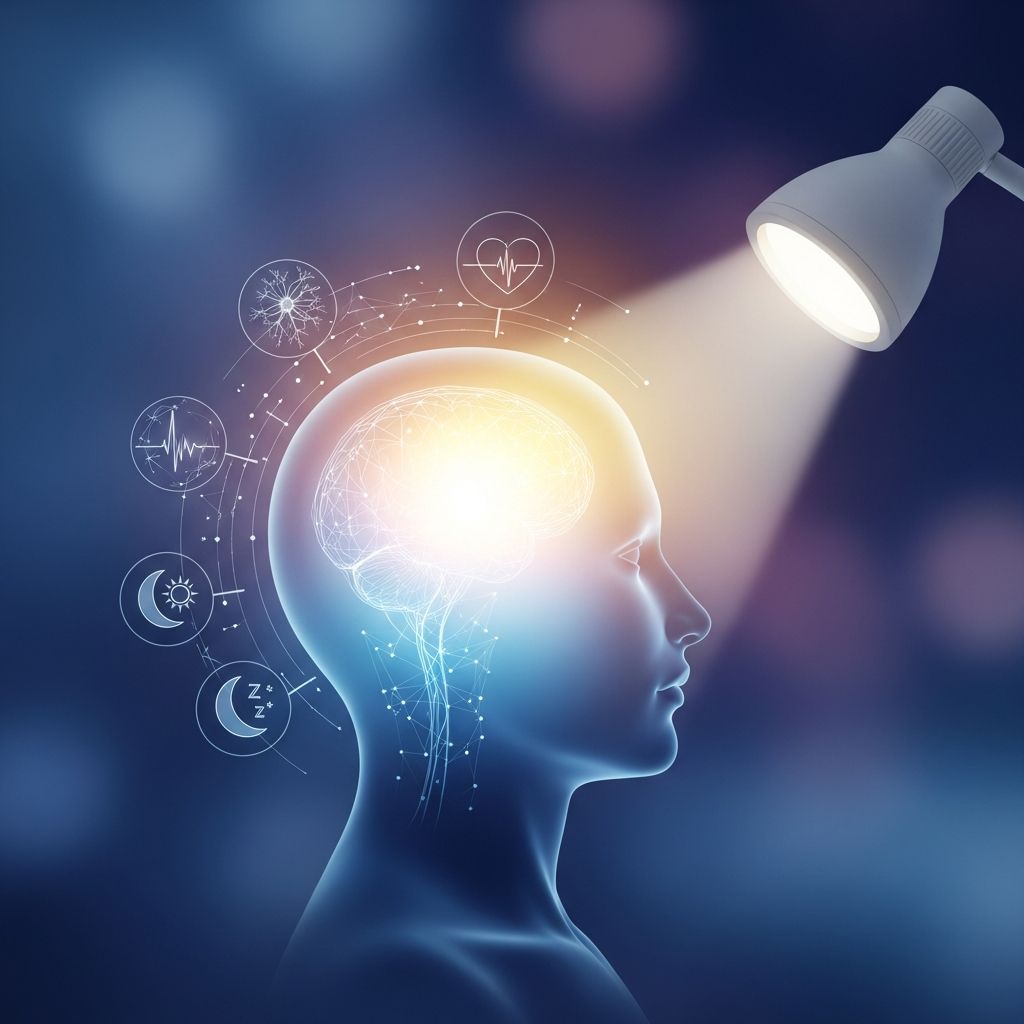
For decades, light therapy has been recognized as the gold standard treatment for seasonal affective disorder (SAD), a condition that affects millions of people during darker months. However, recent scientific evidence reveals that the therapeutic benefits of light extend far beyond seasonal depression. Emerging research demonstrates that bright light therapy is an effective treatment for nonseasonal depression, cognitive decline, sleep disorders, and various other mental health conditions affecting diverse populations from children to elderly adults. This comprehensive overview explores the expanding role of light therapy in modern mental healthcare and its potential to revolutionize treatment approaches for multiple psychiatric and neurological conditions.
Understanding Light Therapy: Mechanisms and Fundamentals
Light therapy, also known as phototherapy, operates on a straightforward principle: exposing individuals to bright light at specific intensities and times of day can influence neurochemical and physiological processes throughout the body. During a typical light therapy session, individuals sit near a specialized light box that emits white light at an intensity of 10,000 lux for approximately 20 to 30 minutes each morning. To understand the potency of this exposure, consider that outdoor light ranges from 1,000 to 10,000 lux on a cloudy day and reaches 50,000 lux or more on a sunny day.
The mechanism by which light therapy produces its therapeutic effects involves multiple biological pathways. Light exposure helps regulate circadian rhythms, the body’s internal biological clock that governs sleep-wake cycles, hormone production, and numerous physiological functions. Additionally, light therapy influences neurotransmitter production, particularly affecting melatonin and serotonin levels. The National Health Service notes that light therapy may reduce melatonin production, a hormone that promotes sleepiness, while simultaneously increasing serotonin production, a neurotransmitter that regulates mood and emotional well-being.
Efficacy for Nonseasonal Depression: Evidence from Recent Research
Perhaps the most significant recent development in light therapy research concerns its effectiveness for nonseasonal depression. A landmark study published in JAMA Psychiatry in late 2024 conducted a comprehensive systematic review and meta-analysis of 11 randomized clinical trials involving data from more than 850 participants. This rigorous examination compared bright light therapy (administered alone or combined with antidepressant medication) against antidepressant medication alone, dim red light, and bright light placebo conditions.
The findings were compelling: bright light therapy achieved a 41% remission rate in individuals with nonseasonal depression, significantly exceeding remission rates from other treatment approaches at 23%. Beyond remission, the response rate (defined as a significant reduction in symptoms) was substantially higher with bright light therapy at 60% compared to 39% for alternative treatments. Perhaps most notably, response time to initial treatment improved when bright light therapy was added to antidepressant medication, suggesting an additive or synergistic effect when combining these approaches.
These findings build upon earlier meta-analytical research that demonstrated light therapy’s efficacy comparable to pharmacotherapy. A meta-analysis sponsored by the American Psychiatric Association showed that the effect size of bright light therapy for nonseasonal depression was as robust as effects observed in pharmacotherapy trials, with results demonstrating significant reduction of depressive symptoms across multiple studies.
Applications Across Diverse Populations
Light Therapy in Children and Adolescents
Depression in younger populations represents a growing public health concern, with many children and adolescents struggling with mood disorders that significantly impact their academic performance, social relationships, and overall quality of life. Light therapy has emerged as a promising alternative or supplementary treatment for this age group. A 2022 comprehensive review study found that bright light therapy was effective and well-tolerated in children and teens, with favorable safety profiles. Additional research specifically examining adolescents with depression found that light therapy was not only safe and acceptable but also associated with decreased depressive symptoms and improved sleep quality. These findings suggest that light therapy may offer a valuable non-pharmacological option for young people dealing with depression, particularly those who experience side effects from traditional antidepressants or whose parents prefer non-medication approaches.
Light Therapy for Cognitive Enhancement and Sub-threshold Depression
Beyond traditional depression diagnoses, light therapy demonstrates benefits for cognitive function and sub-threshold depression, a condition where individuals experience depressive symptoms that do not meet full diagnostic criteria. Recent research examining the impact of bright light therapy on individuals with sub-threshold depression found that therapy improved not only depressive symptoms but also enhanced cognitive functions including attention and vigilance (sustained attention). This dual benefit suggests that light therapy may have broader applications for individuals experiencing cognitive complaints alongside mood concerns, potentially benefiting those with mild cognitive impairment or age-related cognitive decline.
Light Therapy for Alzheimer’s Disease and Caregiver Support
A particularly important application of light therapy addresses the needs of Alzheimer’s disease patients and their caregivers. Both groups frequently experience depression, anxiety, and sleep disturbances that significantly impact quality of life. A recent study examining a four-week course of bright light therapy found that treatment significantly reduced depression symptoms in individuals with Alzheimer’s disease and their caregivers. The non-pharmacological nature of light therapy offers substantial advantages for this population, as it can avoid the side effects and drug interactions associated with antidepressant medications, while demonstrating good compliance and ease of operation. For caregivers, often overwhelmed by the demands of providing care, light therapy provides an accessible intervention that requires minimal time commitment and can be integrated into daily routines.
Advantages and Practical Considerations
Key Benefits of Light Therapy
Light therapy offers multiple advantages compared to traditional psychiatric medications and other interventions. First, it is highly accessible—individuals can purchase or rent light boxes for home use, making treatment available regardless of geographic location or access to mental health specialists. Second, light therapy is completely noninvasive, involving only exposure to light with no medications, injections, or procedural interventions. Third, light therapy carries a favorable safety profile with minimal potential side effects compared to antidepressants, which may cause weight gain, sexual dysfunction, sleep disturbances, or withdrawal symptoms.
Limitations and Important Considerations
Despite its advantages, light therapy has important limitations that potential users should understand. Consistent daily use is essential for maintaining therapeutic benefits; benefits may diminish if individuals miss sessions or use treatment irregularly. Additionally, light therapy may require several weeks to produce noticeable improvements, and treatment response varies among individuals. Insurance coverage remains variable, with many plans not covering light box purchases or sessions, limiting accessibility for cost-sensitive populations.
Certain individuals should not use light therapy without medical supervision. People with medical conditions that increase light sensitivity to the eyes, those taking medications that increase photosensitivity (such as certain antibiotics or anti-inflammatory medications), and individuals with bipolar disorder or certain eye conditions should consult healthcare providers before beginning light therapy. Anyone considering light therapy should discuss their plans with a qualified physician or mental health professional to ensure the approach is appropriate for their specific situation.
Selecting Appropriate Light Therapy Equipment
Given the lack of regulatory oversight for light boxes, careful equipment selection is important. When purchasing a light therapy device, individuals should verify that the light box produces white fluorescent light at 10,000 lux intensity and is designed for proper light positioning relative to the eyes. The device should deliver light at an appropriate angle and distance to ensure optimal efficacy. Consulting with healthcare providers and following recommendations from established organizations specializing in light therapy can help individuals select appropriate equipment that meets evidence-based specifications.
Optimal Implementation: Timing and Duration
Research suggests that morning light exposure is typically most effective for treating depression and regulating circadian rhythms. Most standard protocols involve 20 to 30 minutes of light exposure in the early morning, ideally within the first hour after waking. This timing aligns light therapy with the body’s natural circadian phase, maximizing effectiveness. Some individuals may require longer sessions (up to 60 minutes) or higher lux intensities for optimal results, and healthcare providers can adjust protocols based on individual response.
Light Therapy as Complementary Treatment
One of the most exciting findings from recent research concerns light therapy’s effectiveness when combined with other treatments. Studies consistently demonstrate that adding bright light therapy to antidepressant medication produces better outcomes than antidepressants alone, with faster response times and higher remission rates. This suggests that light therapy and pharmacological approaches may work through complementary neurobiological mechanisms, offering synergistic benefits. For individuals not fully responding to antidepressants alone, adding light therapy may provide the additional benefit needed to achieve remission without increasing medication doses and associated side effects.
Research Directions and Future Applications
While evidence for light therapy’s effectiveness continues accumulating, researchers are exploring applications beyond current evidence-based uses. Some preliminary research suggests potential benefits for attention deficit hyperactivity disorder (ADHD) and other conditions characterized by circadian rhythm disruption or neurochemical imbalances. Additionally, researchers are investigating whether light therapy combined with other behavioral interventions, such as total sleep deprivation or cognitive behavioral therapy, may produce enhanced or more sustained benefits. As neuroscience continues advancing our understanding of light’s effects on brain function, additional therapeutic applications will likely emerge.
Implementing Light Therapy: A Practical Guide
For individuals considering light therapy, implementation typically follows a straightforward approach. Begin by consulting with a healthcare provider to confirm that light therapy is appropriate for your specific situation and medical history. Once cleared, invest in a 10,000 lux white fluorescent light box from a reputable manufacturer. Position the light box on a table or desk at approximately 16 to 24 inches from your eyes at an angle of 20 to 30 degrees below eye level. Turn on the light box during your morning routine, positioning yourself to receive light exposure while reading, eating breakfast, or working. Maintain consistent daily use for optimal results, aiming for the same time each morning when possible. Most individuals notice improvements within 3 to 7 days, though some may require several weeks to experience full benefits.
Frequently Asked Questions
Q: How does light therapy work to improve mood and depression?
A: Light therapy works through multiple mechanisms, including regulating circadian rhythms, reducing melatonin production while increasing serotonin production, improving sleep quality, and reducing stress. The bright light essentially resets your body’s biological clock and influences neurotransmitter production in ways that improve mood and mental function.
Q: Is light therapy effective for nonseasonal depression?
A: Yes. Recent research demonstrates that light therapy achieves a 41% remission rate for nonseasonal depression, significantly exceeding other treatment approaches. When combined with antidepressant medication, light therapy improves outcomes and accelerates response time.
Q: Can children and adolescents safely use light therapy?
A: Yes. Multiple studies confirm that light therapy is effective and well-tolerated in children and adolescents with depression, with no significant safety concerns when used appropriately. This offers an important non-pharmacological option for younger populations.
Q: How long does light therapy take to work?
A: Many individuals notice improvements within 3 to 7 days, though some may require several weeks for full therapeutic effects. Consistent daily use is essential for maintaining benefits.
Q: Can light therapy replace antidepressant medication?
A: Light therapy can be an effective standalone treatment for some individuals, but research suggests the best outcomes often occur when combining light therapy with medication for those with moderate to severe depression. Consult your healthcare provider about the best approach for your specific situation.
Q: Who should avoid light therapy?
A: Individuals with eye conditions that increase light sensitivity, those taking photosensitizing medications, and people with bipolar disorder should consult healthcare providers before using light therapy. Your doctor can determine whether light therapy is appropriate for your medical circumstances.
Q: What intensity and duration of light therapy is recommended?
A: Standard protocols involve 10,000 lux white fluorescent light for 20 to 30 minutes each morning, typically within the first hour after waking. Some individuals may benefit from adjusted durations or intensities based on individual response.
References
- Bright Light Therapy: Growing Evidence Beyond Seasonal Depression — American Psychiatric Association. 2024. https://www.psychiatry.org/news-room/apa-blogs/bright-light-therapy-beyond-seasonal-depression
- Bright Light Therapy: Seasonal Affective Disorder and Beyond — National Center for Biotechnology Information (NCBI). 2019. https://pmc.ncbi.nlm.nih.gov/articles/PMC6746555/
- Phototherapy for Seasonal Depression: How It Works and More — Medical News Today. 2024. https://www.medicalnewstoday.com/articles/phototherapy-for-seasonal-depression
- Light Therapy Research Guides — St. Catherine University Library. 2022. https://libguides.stkate.edu/wellness/LightTherapy
Similar Articles






Read full bio of medha deb