Light Therapy for Eczema: A Complete Clinical Guide
Discover how UV light therapy treats severe eczema when topical treatments fail
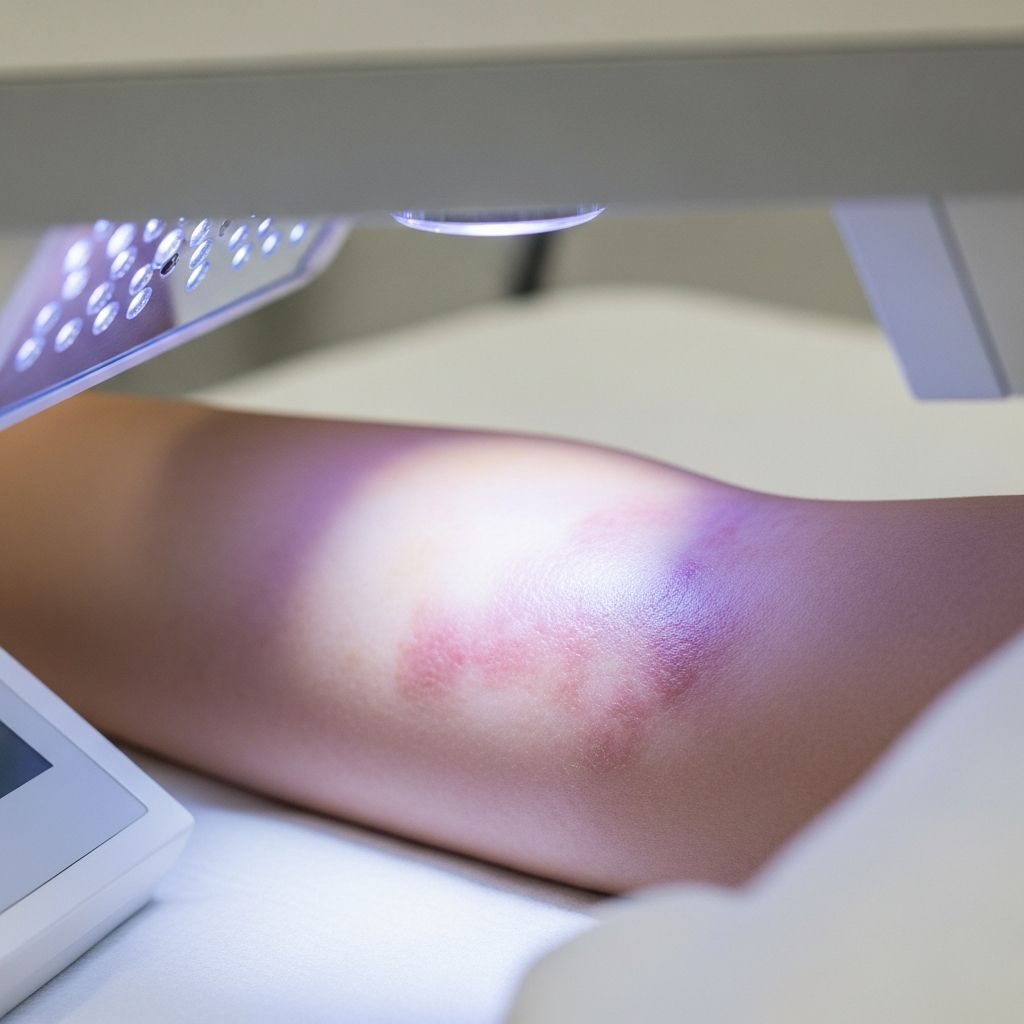
Eczema affects millions of individuals worldwide, and while topical treatments work well for many, some patients experience persistent inflammation that resists conventional therapy. When creams, ointments, and oral medications fail to provide adequate relief, dermatologists increasingly turn to phototherapy—a medical treatment using specialized ultraviolet light to suppress the inflammatory cascade underlying eczema. This comprehensive guide explores how light therapy works, the different types available, treatment protocols, and what patients can expect throughout their therapeutic journey.
Understanding the Science Behind Light-Based Eczema Treatment
The fundamental mechanism of phototherapy lies in its ability to modulate the immune system’s overactive response at the cellular level. Eczema occurs when the body’s immune system becomes dysregulated, attacking the skin barrier and triggering excessive inflammation. Dermatologists have long observed that natural sunlight can improve eczema symptoms in some individuals, prompting research into harnessing this therapeutic effect through controlled, medical-grade light exposure.
When ultraviolet light penetrates the skin, it targets specific immune cells called T-cell lymphocytes that play a central role in the inflammatory cascade associated with eczema. By reducing the population of these problematic immune cells, phototherapy diminishes the inflammatory signals that cause redness, itching, and skin barrier dysfunction. Additionally, research suggests that UV light may interrupt faulty communication between immune cells and skin cells, addressing the root cause of eczema rather than merely masking symptoms.
This immunomodulatory approach offers a distinct advantage over many topical treatments, which primarily work on the skin surface. Phototherapy achieves therapeutic penetration at the cellular and systemic immunological level, making it particularly effective for patients whose eczema has become refractory to conventional management.
Types of Ultraviolet Light Used in Eczema Phototherapy
Dermatologists have several light spectrum options at their disposal, each with distinct characteristics, efficacy profiles, and safety considerations. Understanding these differences helps patients make informed decisions about their treatment approach.
Narrowband Ultraviolet B (NB-UVB) Phototherapy
Narrowband UVB represents the gold standard for phototherapy in eczema treatment and is the most frequently prescribed modality in dermatological practice. This specialized light emits wavelengths between 311 and 313 nanometers, creating a narrow therapeutic window that maximizes beneficial effects while minimizing harmful radiation exposure.
The precision of narrowband UVB offers several clinical advantages over older broadband technology. The filtered wavelengths penetrate the skin more effectively, allowing lower doses to achieve therapeutic benefit. This means patients receive the healing light rays needed for immune suppression while avoiding the excessive erythema (skin reddening) and burn risk associated with broader spectrum treatments. Treatment sessions using narrowband UVB typically last only a few minutes, with exposure gradually increasing from initial durations of 30 seconds to a maximum of approximately 15 minutes, depending on individual tolerance and response.
Broadband Ultraviolet B Phototherapy
Broadband UVB represents an older phototherapy technology that emits a wider range of wavelengths within the UVB spectrum. While this modality was historically used for eczema treatment, modern dermatology has largely abandoned it in favor of narrowband approaches. Broadband UVB is substantially less effective at clearing eczema and carries greater risk of adverse effects, including excessive skin irritation and erythema. Contemporary practice reserves broadband UVB only for specific situations where narrowband equipment is unavailable.
Related Stories



Ultraviolet A and PUVA Therapy
Ultraviolet A phototherapy, particularly in the form of PUVA (Psoralen plus UVA) treatment, combines UVA light exposure with a photosensitizing medication called psoralen. Patients receive psoralen either as an oral tablet consumed 2 to 3 hours before treatment or through topical application in a bath of warm water where they soak for 15 minutes prior to light exposure.
While PUVA therapy can be effective for eczema, it carries a significantly higher risk profile than narrowband UVB. Long-term PUVA use is associated with increased risk of skin cancer development, and the therapy is now considered uncommonly used in contemporary dermatological practice. Dermatologists typically reserve PUVA for carefully selected patients when narrowband UVB proves ineffective or unavailable.
Emerging Wavelengths: UVA1 and Excimer Lasers
Specialized wavelengths such as UVA1 represent emerging approaches in phototherapy research, offering potential advantages in specific clinical scenarios. These newer technologies remain less widely available than standard narrowband UVB but continue to expand the therapeutic arsenal available to dermatologists managing difficult eczema cases.
Treatment Protocols and Clinical Implementation
Initial Assessment and Candidacy Determination
Phototherapy is not a first-line treatment but rather a second-line option reserved for patients who have not achieved adequate control with topical therapies. The typical pathway begins when a patient’s primary care physician or dermatologist recognizes that conventional treatments—including topical corticosteroids, calcineurin inhibitors, and emollients—have failed to manage eczema adequately. At this point, referral to a dermatologist specializing in phototherapy becomes appropriate.
Before initiating treatment, the dermatologist conducts a thorough assessment of the patient’s skin type, disease severity, and individual factors that might influence phototherapy response. This evaluation typically occurs at specialist dermatology clinics or hospital-based phototherapy centers, where specialized equipment and trained personnel are available.
Phototesting and Dosimetry
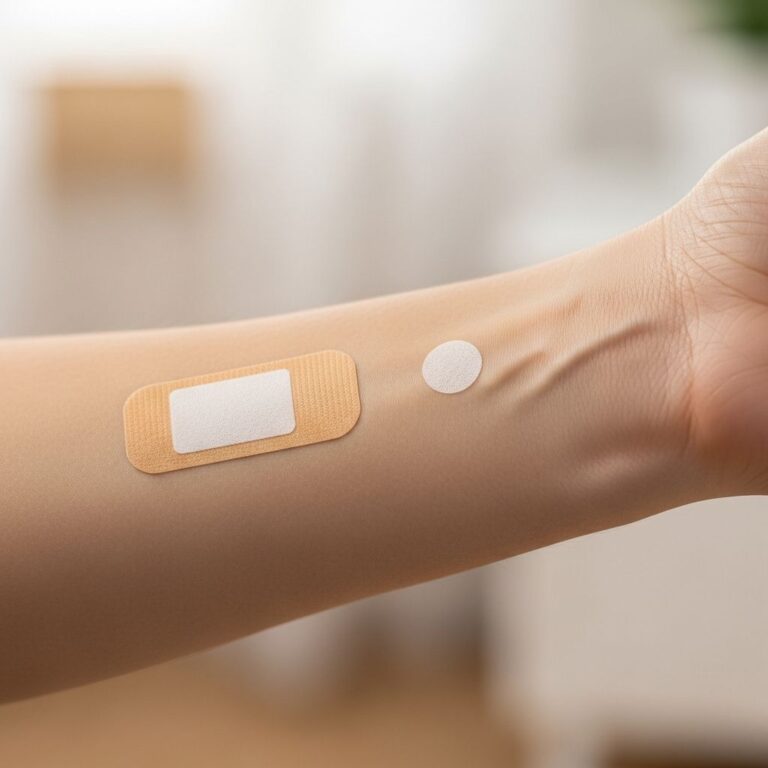
Prior to beginning a full course of phototherapy, patients undergo phototesting to establish their individual sensitivity to ultraviolet light. During this process, small test doses of UVB light are applied to marked circles on the back or arm. These test sites are then evaluated the following day to determine the patient’s skin sensitivity and establish two critical dosing parameters: the minimal erythema dose (MED) for UVB and the minimal phototoxic dose (MPD) for PUVA therapy.
This individualized approach is essential because skin sensitivity varies considerably based on skin type, ethnicity, prior sun exposure, and individual genetic factors. By establishing each patient’s baseline response, dermatologists can calculate appropriate starting doses that maximize therapeutic benefit while minimizing risk of adverse effects. Typical therapeutic doses range up to 5 joules per square centimeter for UVB and up to 15 joules per square centimeter for tablet PUVA, though actual dosing remains highly individualized.
Treatment Schedule and Duration
Phototherapy is delivered as a structured course of repeated sessions rather than a single treatment. Standard protocols involve 2 to 3 sessions weekly for 12 to 16 weeks, administered under direct supervision by trained nursing staff or physiotherapists in a medical setting. This consistent, regular schedule is crucial for therapeutic success; patients who miss sessions or become inconsistent with attendance experience significantly reduced treatment effectiveness.
Treatment duration gradually increases over the course, beginning with very brief exposures and progressively building toward maximum therapeutic doses. This gradual escalation allows the immune system to adapt while minimizing acute inflammatory responses. As treatments continue over weeks and months, patients typically notice gradual improvement in symptoms—itching usually diminishes first, followed by progressive clearing of visible eczema plaques and normalization of skin inflammation.
The Phototherapy Session Experience
From the patient’s perspective, phototherapy is a straightforward, painless procedure. Upon arrival at the phototherapy center, patients are asked to undress so that affected skin areas receive direct light exposure. Sensitive areas such as the eyes are protected with goggles, and genital areas may be covered with underwear per individual preferences and clinical protocols. Patients then step into a specialized phototherapy booth—a chamber lined with tubular UVB light bulbs designed to emit therapeutic wavelengths across the body surface.
Once inside the booth, the door closes and the healthcare provider activates the machine according to the prescribed dosage. The duration of light exposure is typically very brief, ranging from seconds initially to several minutes as treatment progresses. Modern phototherapy equipment at specialized centers can deliver full-body treatment in as little as 5 to 10 minutes. When the prescribed exposure time concludes, the lights automatically turn off and the provider opens the booth door, allowing the patient to exit and dress.
Measuring Treatment Success and Outcomes
Phototherapy effectiveness is evaluated through objective clinical assessment rather than subjective patient reporting alone. Dermatologists monitor treatment progress by assessing changes in visible inflammation, extent of affected skin area, and symptom severity over the treatment course.
| Treatment Response Timeline | Expected Changes |
|---|---|
| First 2-4 weeks | Mild reduction in itching; minimal visible improvement |
| Weeks 4-8 | Noticeable decrease in redness; progressive clearing of plaques |
| Weeks 8-16 | Significant clearing; substantial itch relief; near-complete resolution in responsive cases |
Some patients achieve complete clearance of their eczema through phototherapy alone, while others require combination therapy incorporating phototherapy with concurrent topical medications or biologic agents. Dermatologists often continue phototherapy until skin clearing is achieved or nearly achieved and itching has substantially improved, then discontinue treatment according to the prescribed course schedule.
Advantages and Therapeutic Benefits
Phototherapy offers numerous advantages that make it an attractive option for appropriate candidates:
- Drug-free approach: Unlike systemic medications or biologics, phototherapy does not require oral drugs or injections, reducing concerns about systemic side effects and drug interactions.
- Rapid symptom relief: Itching—the most bothersome eczema symptom—often begins improving within weeks of initiating treatment.
- Reduced inflammation: The treatment directly suppresses the inflammatory immune response driving eczema, addressing root cause rather than surface symptoms.
- Compatible with other treatments: Phototherapy can be safely combined with topical medications and biologic agents, allowing for multimodal treatment strategies.
- Established safety profile: When properly administered with appropriate dosing protocols, phototherapy has a favorable safety record with relatively few serious adverse effects.
- Non-invasive: The treatment involves no needles, incisions, or systemic exposure to immunosuppressive medications.
Safety Considerations and Potential Adverse Effects
While phototherapy is generally considered safe when properly administered, patients should understand potential risks and considerations. Dermatologists maintain careful records of cumulative lifetime ultraviolet exposure, as excessive lifetime UV dose carries theoretical risk of adverse long-term effects.
Narrowband UVB demonstrates an excellent safety profile when used appropriately, with minimal skin cancer risk during standard treatment courses. However, very prolonged or repeated phototherapy over many years may carry increased long-term risk, making dose monitoring essential. PUVA therapy, by contrast, carries substantially higher skin cancer risk and is therefore reserved for carefully selected patients when narrowband UVB proves unsuccessful.
Short-term adverse effects are generally minimal and may include mild erythema (skin reddening), temporary increased itching as treatment begins, or occasional blistering in sensitive individuals. These effects typically resolve quickly and do not necessitate treatment discontinuation in most cases.
Phototherapy’s Role in Comprehensive Eczema Management
It is important to recognize that phototherapy, while effective, is not a cure for eczema. Rather, it represents a management tool that can induce remission or significant improvement in inflammatory symptoms. Following successful phototherapy, eczema may eventually recur, necessitating repeat courses or maintenance therapy strategies.
Contemporary dermatology increasingly uses phototherapy as part of comprehensive management approaches combining multiple therapeutic modalities. Patients may continue topical treatments or biologic medications alongside or following phototherapy to optimize long-term control and prevent relapse.
Accessing Phototherapy Treatment
Phototherapy is only available at specialist dermatology clinics or hospital-based centers with specialized equipment and trained personnel. Interested patients should discuss phototherapy options with their dermatologist or request a specialist referral from their primary care physician. Many academic medical centers and large dermatology practices now offer convenient scheduling, including evening and weekend appointments, to accommodate patient needs.
Frequently Asked Questions
How long does phototherapy take to work?
Most patients begin noticing gradual improvement within 4 to 6 weeks of consistent treatment, with progressive clearing over subsequent weeks. Complete clearance may require the full 12 to 16-week course, depending on disease severity and individual response.
Can phototherapy replace my current eczema medications?
Phototherapy can sometimes allow reduction or elimination of topical medications, but many patients benefit from continuing concurrent treatments. Your dermatologist will determine the optimal combination approach for your specific situation.
Is phototherapy painful?
No—phototherapy is a painless, non-invasive procedure. You may experience mild warmth during treatment, but the process is generally well-tolerated.
Will my eczema return after phototherapy ends?
Eczema may eventually recur after successful phototherapy treatment, as the condition is chronic. However, some patients experience extended remission, and repeat phototherapy courses can be pursued if needed.
References
- Phototherapy for Eczema — National Eczema Association. https://nationaleczema.org/treatments/phototherapy/
- Phototherapy – Eczema Treatment — National Eczema Society. https://eczema.org/information-and-advice/treatments-for-eczema/phototherapy/
- Phototherapy Treatment for Eczema – Everything You Need to Know — Array Skin. https://arrayskin.com/why-phototherapy-is-an-excellent-treatment-for-eczema/
- Phototherapy for Eczema & Dermatitis — NYU Langone. https://nyulangone.org/conditions/eczema-dermatitis/treatments/phototherapy-for-eczema-dermatitis
- Exploring Treatment Options for Severe Eczema — Placer Dermatology. https://placerdermatology.com/exploring-treatment-options-for-severe-eczema/
Similar Articles








Read full bio of Sneha Tete