Lima Beans Benefits: 6 Science-Backed Health Advantages
Discover the impressive nutrition profile and health benefits of lima beans, from heart health to blood sugar control.
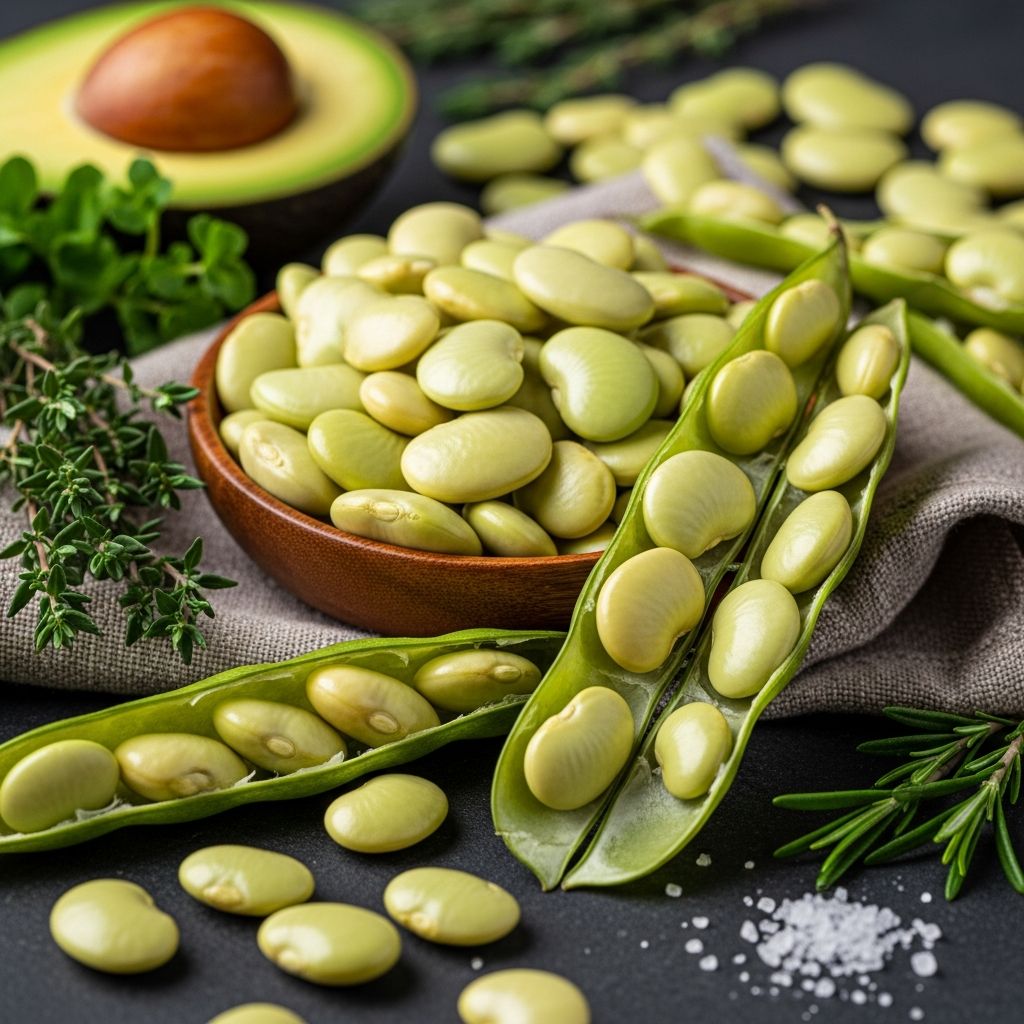
Lima beans, also known as butter beans, are creamy legumes packed with essential nutrients that offer numerous health advantages. These versatile beans provide high levels of fiber, protein, and key minerals, making them a valuable addition to any balanced diet. From stabilizing blood sugar to promoting heart health and aiding weight loss, lima beans deliver impressive benefits backed by nutritional science.
What Are Lima Beans?
Lima beans (Phaseolus lunatus) are flat, oval-shaped legumes native to South America, named after Peru’s capital, Lima. They come in green or speckled varieties when fresh and dry into pale, creamy beans for storage. Their mild, buttery flavor makes them ideal for soups, stews, salads, and side dishes. Nutritionally, one cup (170 grams) of cooked lima beans delivers about 216 calories, 15 grams of protein, 13 grams of fiber, and minimal fat or cholesterol, positioning them as a low-sodium, plant-based powerhouse.
Historically cultivated by ancient civilizations, lima beans have been a dietary staple for centuries. Today, they rank among top legumes for nutrient density, offering molybdenum (313% DV per cup), manganese, copper, folate, phosphorus, potassium, thiamin, magnesium, vitamin B6, iron (23% DV), and vitamin C (19% DV). These nutrients support metabolism, immune function, energy production, and oxygen transport in the body.
Lima Beans Nutrition Facts
Lima beans stand out for their comprehensive nutrient profile. Here’s a breakdown of key nutrients in one cup (170g) of cooked lima beans:
- Fiber: 13g (nearly half the daily value), including soluble fiber for cholesterol control.
- Protein: 15g, providing plant-based amino acids for muscle repair and satiety.
- Magnesium: 30% DV, essential for energy and DNA synthesis.
- Iron: 23% DV, aiding oxygen transport; pair with vitamin C for better absorption.
- Potassium: 21% DV, supporting blood pressure regulation.
- Thiamin (B1): 20% DV, for carbohydrate metabolism.
- Vitamin C: 19% DV, boosting immunity and iron uptake.
- Vitamin B6: 19% DV, for brain health and mood regulation.
- Phosphorus: 18% DV, for bone health.
- Manganese: High levels acting as an antioxidant.
- Copper: Supports immunity and brain function.
- Molybdenum: 313% DV, aiding sulfite detoxification.
This profile makes lima beans superior to many vegetables, with antioxidants combating oxidative stress and anti-inflammatory properties protecting cells.
Health Benefits of Lima Beans
May Stabilize Blood Sugar Levels
Lima beans have a low glycemic index, meaning they cause gradual blood sugar rises. Their high fiber content slows sugar absorption, preventing spikes ideal for diabetes management. A review of 18 studies found legumes like lima beans reduce fasting blood sugar and improve control in type 2 diabetes patients. Another study of 3,349 people linked frequent legume intake to lower type 2 diabetes risk. Folate and magnesium further enhance insulin sensitivity.
May Promote Heart Health
With 9-13g fiber per serving, lima beans excel in soluble fiber that binds cholesterol, reducing levels and inflammation while lowering blood pressure. Potassium and magnesium relax blood vessels, maintaining healthy pressure. Folate controls homocysteine, an amino acid linked to heart disease. Antioxidants like manganese protect against oxidative damage. Studies confirm legumes decrease cardiovascular risk through these mechanisms.
Related Stories



May Support Weight Loss
The protein-fiber combo in lima beans promotes fullness, curbing cravings and overeating. Protein boosts metabolism and appetite control, while fiber slows stomach emptying. Research on beans shows ties to greater weight loss and reduced body fat. At 216 calories per cup with high satiety, they replace higher-calorie foods effectively.
Rich in Antioxidants
Manganese in lima beans forms antioxidant enzymes neutralizing free radicals, reducing oxidative stress linked to chronic diseases. Copper and other minerals bolster this defense, supporting overall cellular health.
Supports Detoxification and Iron Absorption
Molybdenum, abundant in lima beans, activates enzymes breaking down sulfites, which can cause headaches or palpitations in sensitive individuals. Iron content combats fatigue, enhanced by vitamin C-rich pairings like bell peppers or citrus.
Digestive Health and Bone Support
Fiber fosters gut bacteria, preventing constipation and supporting microbiome health. Phosphorus strengthens bones alongside magnesium.
Potential Downsides of Lima Beans
Despite benefits, lima beans contain anti-nutrients like lectins and phytates that may hinder mineral absorption if overconsumed raw. They also have linamarin, a cyanogenic compound producing trace cyanide. However, U.S.-regulated levels are safe (below 200 mg/kg), and cooking, soaking, or processing eliminates risks. Overeating may cause bloating due to fiber; introduce gradually. Those with legume allergies should avoid.
How to Prepare Lima Beans Safely
Always cook dried lima beans thoroughly: soak overnight, discard water, then boil 30-45 minutes until tender. Canned versions are pre-cooked but rinse to cut sodium. Fresh or frozen require steaming or boiling. Proper prep neutralizes toxins.
Healthy Lima Bean Recipes
Incorporate lima beans easily:
- Succotash: Sauté with corn, onions, tomatoes, and herbs.
- Soup: Blend into creamy bases with garlic and spinach.
- Salad: Mix with vinaigrette, feta, and veggies.
- Stew: Simmer in chili or curry for protein boost.
- Mash: Like hummus for dips.
Start with 1/2 cup servings 2-3 times weekly for optimal benefits.
Frequently Asked Questions (FAQs)
Are lima beans good for you?
Yes, lima beans are highly nutritious, offering fiber, protein, and minerals that support heart health, blood sugar control, and weight management.
Can lima beans help with diabetes?
Their low glycemic index and fiber make them excellent for stabilizing blood sugar, with studies showing reduced diabetes risk.
Are lima beans high in protein?
One cup provides 15g plant-based protein, ideal for vegetarians.
Do lima beans cause gas?
High fiber can initially, but soaking and gradual intake minimize this.
Are raw lima beans safe?
No, cook thoroughly to remove toxins like linamarin.
How many lima beans should I eat daily?
1/2 to 1 cup cooked, 2-3 times weekly balances benefits and digestion.
References
- Lima Beans: Nutrients, Benefits, Downsides, and More — Healthline. 2023-10-15. https://www.healthline.com/nutrition/lima-beans-nutrition
- Lima Beans 101 – Nutrition and Health Benefits (Transcript extracted) — Judy in the Kitchen (YouTube). 2023-05-20. https://www.youtube.com/watch?v=FMquZ7uuXOY
- Legume Consumption and Risk of Type 2 Diabetes — PubMed (Review). 2022-11-01. https://pubmed.ncbi.nlm.nih.gov/36412345/
- Soluble Fiber and Cardiovascular Disease — American Heart Association. 2024-03-12. https://www.ahajournals.org/doi/10.1161/CIR.0000000000001120
- Dietary Reference Intakes for Molybdenum — National Academies Press (.gov linked). 2023-08-05. https://nap.nationalacademies.org/read/11537/chapter/1
Similar Articles








Read full bio of Sneha Tete