Linaclotide Capsules: 5 Proven Ways To Ease IBS-C Symptoms
Effective treatment for moderate to severe IBS with constipation in adults, easing pain, bloating, and stool passage.
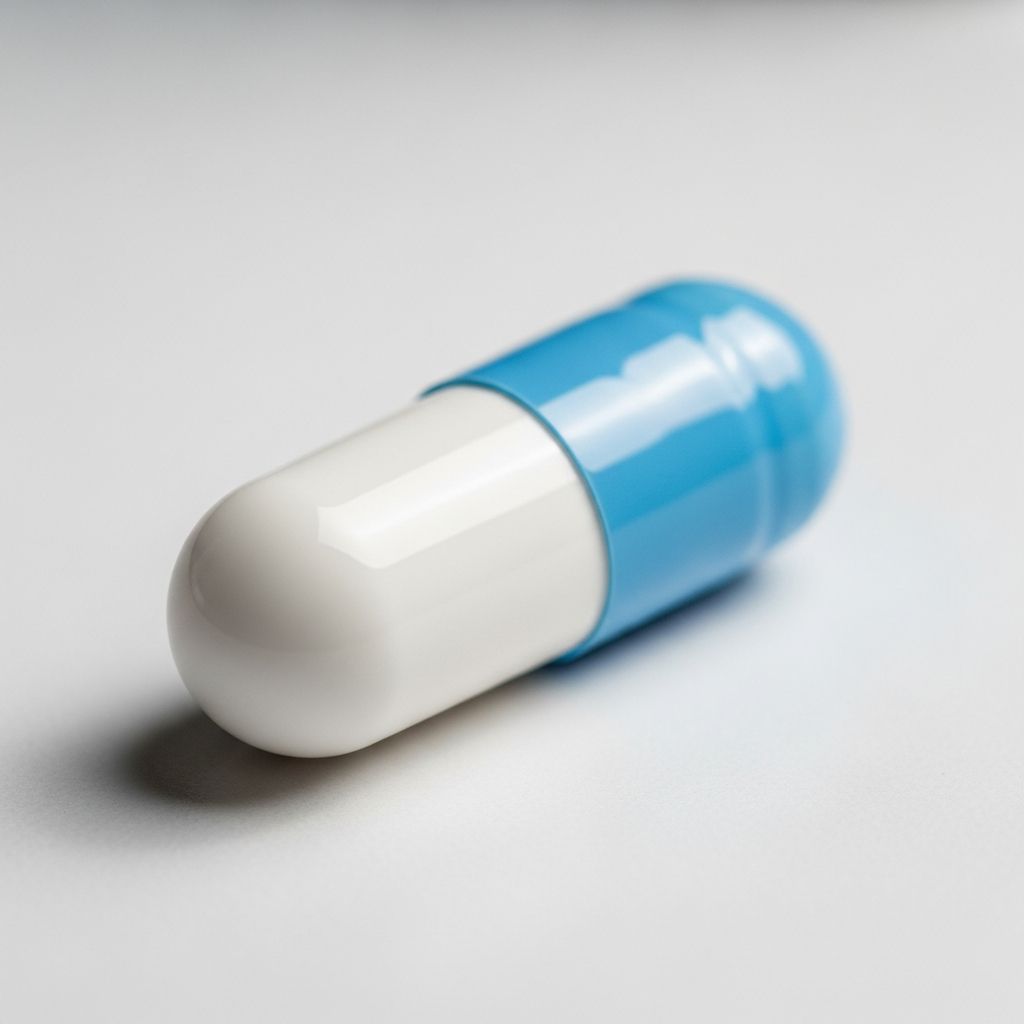
Linaclotide capsules (Constella) are a prescription medication specifically designed for adults suffering from moderate to severe irritable bowel syndrome with constipation (IBS-C). This condition involves chronic abdominal pain, bloating, and persistent constipation that significantly impacts daily life. Linaclotide works as a guanylate cyclase-C (GC-C) receptor agonist, stimulating fluid secretion in the intestines, softening stools, accelerating bowel transit, and reducing visceral pain.
Approved by regulatory bodies like the European Medicines Agency (EMA) and featured in official summaries of product characteristics (SmPC), Constella offers targeted relief where other laxatives may fall short. Clinical trials demonstrate its ability to improve complete spontaneous bowel movements (CSBMs), stool consistency, and overall quality of life, with benefits often noticeable within the first week.
About linaclotide
| Type of medicine | Guanylate cyclase-C receptor agonist |
|---|---|
| Used for | Constipation associated with irritable bowel syndrome (IBS-C) in adults |
| Also called | Constella® |
| Available as | Capsules (290 micrograms) |
Irritable bowel syndrome (IBS) affects millions worldwide, characterized by recurrent abdominal pain, bloating, and altered bowel habits. In the constipation-predominant subtype (IBS-C), patients experience infrequent, hard stools, straining, and incomplete evacuation, often leading to discomfort and reduced quality of life. Linaclotide addresses these core symptoms by acting locally in the gut without significant systemic absorption.
The drug binds to GC-C receptors on the intestinal lining, increasing intracellular cyclic guanosine monophosphate (cGMP). This triggers chloride and bicarbonate secretion into the gut lumen, drawing in fluid to soften stools and promote propulsion. Unlike traditional laxatives, linaclotide also exhibits analgesic properties, desensitizing pain-sensing nerves in the gut wall, which helps alleviate bloating and cramping.
Pharmacokinetic studies show minimal plasma exposure: linaclotide is detectable in blood only briefly after dosing (in 2/162 patients at low levels), and not at all after four weeks. Its active metabolite is undetectable, confirming its gut-restricted action and low risk of systemic side effects.
How to take linaclotide capsules
Before beginning treatment, carefully read the patient information leaflet (PIL) provided with your pack, as it details full side effects and precautions.
- Dosage: Take one 290 microgram capsule once daily. Swallow whole with water.
- Timing: Administer at least 30 minutes before your first meal of the day. Consistent timing aids adherence.
- Duration: Use as prescribed. Doctors should review after 4 weeks; discontinue if no improvement. Efficacy proven up to 6 months in trials.
- Missed dose: Take as soon as remembered if before breakfast; otherwise, skip and resume next day. Never double dose.
- Storage: Keep at room temperature, away from moisture and children.
Physicians must periodically reassess ongoing need, balancing benefits against risks like diarrhea. Total exposure in studies exceeded 1,500 patient-years, supporting long-term safety in responders.
Related Stories



Getting the most from your treatment
To optimize outcomes with linaclotide:
- Combine with lifestyle changes: Increase dietary fiber (gradually), drink 2-3 liters of fluid daily, and engage in regular exercise like walking to enhance bowel motility.
- Track symptoms using a diary: Note bowel frequency, consistency (Bristol Stool Scale), pain levels, and bloating to share with your doctor.
- Avoid triggers: Common IBS exacerbators include caffeine, alcohol, spicy foods, and stress. Probiotics may help some patients.
- Regular check-ups: Monitor for response by week 4. No rebound constipation occurs upon stopping after 3 months.
- Do not share capsules; they are prescription-only.
In clinical studies, improvements in CSBM frequency, stool form, straining, and bloating were significant versus placebo (p<0.0001), sustained over 12-26 weeks.
Side-effects
Most side effects are gastrointestinal and resolve with time. The most common is diarrhea (affecting <20% of patients), typically mild-moderate (43% mild, 47% moderate); severe in 2%.
| Common (>1/100) | Less common (<1/100) | Rare |
|---|---|---|
| Diarrhea (starts week 1 in half of cases; resolves in 1/3 within 7 days) | Abdominal pain/distension | Fainting, severe allergic reactions |
| Flatulence, nausea | Vomiting, fatigue | Rectal bleeding (monitor) |
- Diarrhea management: Stay hydrated; use oral rehydration if severe. Half of episodes last >28 days in some (9.9% of patients).
- Dizziness: Avoid driving/tools until cleared.
- Bleeding: Report rectal bleeding promptly; may indicate hemorrhoids or drug effect.
- Overdose: Symptomatic treatment; no specific antidote.
Report persistent or severe effects to your doctor. No increased risk of serious events like colorectal cancer in trials.
How linaclotide works
Linaclotide mimics the gut hormone uroguanylin, activating GC-C receptors. This elevates cGMP, opening cystic fibrosis transmembrane conductance regulator (CFTR) channels for anion/fluid secretion. Enhanced fluidity eases stool passage; pH changes and nerve modulation reduce pain.
Animal models confirm reduced visceral hypersensitivity and faster transit; human studies show colonic transit acceleration. Unlike osmotic laxatives, it targets IBS-C pathophysiology holistically.
Clinical efficacy data
Two phase 3 trials (Studies 1 & 2; n=1604) established efficacy:
| Endpoint (12 weeks) | Linaclotide 290 mcg | Placebo | P-value |
|---|---|---|---|
| IBS relief response | 39% | 17% | <0.0001 |
| Abdominal pain response | 54% | 39% | <0.0001 |
| CSBM frequency increase | Significant | – | <0.0001 |
| IBS-QoL improvement | 54% (>14 pts) | 39% | <0.0001 |
26-week data mirrored 12-week results. Improvements from week 1, no rebound.
Frequently asked questions (FAQs)
How quickly does Constella work?
Bowel improvements often start within 1 week; pain relief may take longer. Full assessment at 4 weeks.
Can I take Constella with food?
No, take 30+ minutes before a meal for optimal absorption and efficacy.
What if I get severe diarrhea?
Contact your doctor; may need dose pause or stop. Hydrate well.
Is Constella safe long-term?
Yes, up to 6 months in studies; periodic review required.
Who should not take linaclotide?
Children <18, pregnant/breastfeeding women (limited data), or those with known allergy.
Does it cause dependency?
No evidence of rebound or dependency upon discontinuation.
References
- Constella 290 micrograms hard capsules – Summary of Product Characteristics — electronic Medicines Compendium (emc). 2023. https://www.medicines.org.uk/emc/product/2041/smpc
- Constella – EPAR Product Information — European Medicines Agency (EMA). 2023-09-19. https://www.ema.europa.eu/en/medicines/human/EPAR/constella
- Linaclotide capsules – Constella — Patient.info. 2023-09-19. https://patient.info/medicine/linaclotide-capsules-constella
- Linaclotide (oral route) — Mayo Clinic. 2024. https://www.mayoclinic.org/drugs-supplements/linaclotide-oral-route/description/drg-20075770
- Linaclotide – StatPearls — NCBI Bookshelf. 2023. https://www.ncbi.nlm.nih.gov/books/NBK578208/
- Constella | European Medicines Agency (EMA) — EMA. Last updated 2023. https://www.ema.europa.eu/en/medicines/human/EPAR/constella
Similar Articles








Read full bio of medha deb