Lion’s Mane Mushroom Benefits: 9 Science-Backed Uses
Discover the science-backed benefits of lion's mane mushrooms for brain health, immunity, digestion, and more.
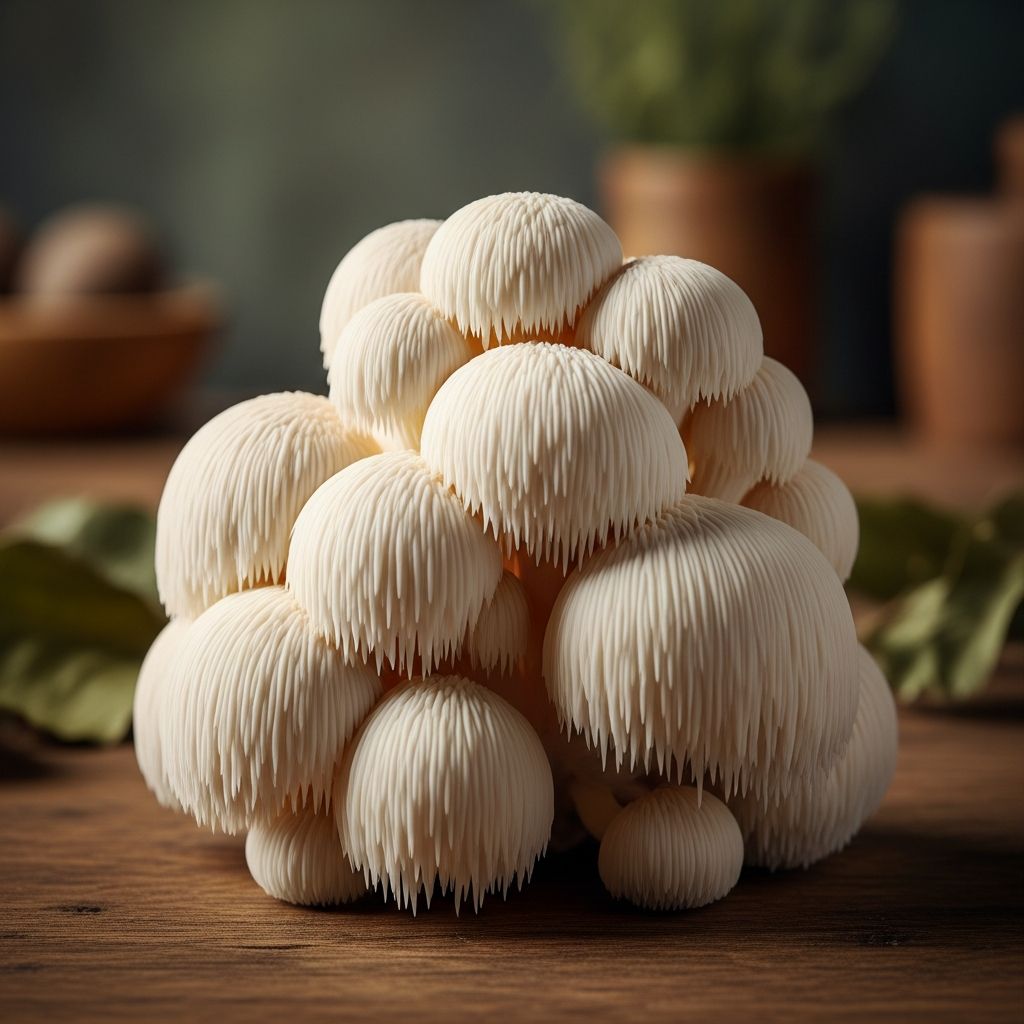
Lion’s mane mushroom (Hericium erinaceus), with its distinctive shaggy, white appearance resembling a lion’s mane, has been used for centuries in traditional Asian medicine for its purported health benefits. Modern research, primarily from animal studies and limited human trials, suggests it may support brain health, reduce inflammation, boost immunity, and aid digestion. While promising, more large-scale human studies are needed to confirm these effects.
What Is Lion’s Mane Mushroom?
Lion’s mane is an edible medicinal mushroom native to North America, Europe, and Asia. It grows on hardwood trees and features long, cascading spines. In traditional Chinese medicine, it has been used to enhance digestion, boost vitality, and support cognitive function. Today, it’s available fresh, dried, as powders, extracts, teas, or capsules. Its key bioactive compounds—hericenones and erinacines—stimulate nerve growth factor (NGF) production, which may promote brain cell growth and repair.
Nutritionally, lion’s mane is rich in vitamins like thiamine, riboflavin, and niacin, plus minerals such as manganese and zinc, making it a nutrient-dense addition to diets.
9 Potential Health Benefits of Lion’s Mane Mushroom
1. Could Protect Against Dementia
Animal studies indicate lion’s mane may combat dementia by reducing neuronal damage from amyloid-beta plaques, a hallmark of Alzheimer’s disease. In mice, extracts improved memory and prevented brain cell damage. A small human study on older adults with mild cognitive impairment found improved cognitive scores after 16 weeks of supplementation. These effects are linked to NGF stimulation, which supports neuron growth in the hippocampus, crucial for memory.
2. May Reduce Symptoms of Anxiety and Depression
Lion’s mane shows promise for mild anxiety and depression. A 2010 study of menopausal women consuming lion’s mane cookies for one month reported reduced irritation and anxiety. Animal research attributes this to enhanced hippocampal function, which regulates mood. Limited human data also suggest mood improvements in overweight individuals and menopausal women.
3. Could Speed Recovery from Nervous System Injuries
Hericenones and erinacines in lion’s mane promote NGF synthesis, accelerating nerve cell growth and repair. Rat studies demonstrated faster recovery from nerve damage. A 2023 review highlighted its potential for neurodegenerative diseases and nerve injuries. Human applications remain exploratory but promising for conditions like stroke or peripheral neuropathy.
4. Protects Against Stomach Ulcers
Lion’s mane extract prevented alcohol-induced ulcers in rats more effectively than acid-lowering drugs, without side effects. It thickens stomach mucus and combats H. pylori bacteria. Human studies are limited, but it may support gut lining integrity.
5. May Help Manage Diabetes Symptoms
In diabetic rats, lion’s mane lowered blood sugar, raised insulin, and reduced nerve pain, likely due to antioxidants. It may improve glucose metabolism, but human trials are needed to validate these findings.
6. Potential Anticancer Properties
Preclinical studies show lion’s mane has anti-tumor effects, inhibiting cancer cell growth via antioxidants and immune modulation. Animal research suggests benefits against certain cancers, but no robust human evidence exists.
Related Stories



7. Reduces Inflammation and Oxidative Stress
Lion’s mane ranks high in antioxidant activity among mushrooms, combating chronic inflammation linked to heart disease, cancer, and autoimmunity. Rodent studies reduced markers in bowel disease, liver damage, and stroke. Hericenones contribute to these anti-inflammatory effects.
8. Boosts the Immune System
Animal studies demonstrate enhanced intestinal immunity, beneficial gut bacteria changes, and prolonged survival against pathogens like salmonella. A 2024 review supports immune-boosting potential via reduced inflammation and oxidation.
9. Supports Digestive Health
Lion’s mane promotes beneficial gut bacteria growth while reducing harmful ones, showing prebiotic effects in 2023 animal studies. It may alleviate IBS and IBD symptoms, with one human study noting reduced ulcerative colitis symptoms.
How to Take Lion’s Mane Mushroom
Lion’s mane can be consumed cooked, as tea, or in supplements (500–3,000 mg daily). Start low to assess tolerance. Culinary uses include soups, stir-fries, or coffees. Extracts standardized to 30% polysaccharides or 1–5% hericenones are ideal for benefits. Consult a doctor for interactions with blood thinners or diabetes meds.
Side Effects and Precautions
Generally safe, with rare allergies causing itching or breathing issues. Avoid if allergic to mushrooms. Limited data on pregnancy/breastfeeding; not recommended. High doses may cause stomach upset. MSKCC notes no major toxicities in studies.
Who Should Avoid Lion’s Mane?
- Those with mushroom allergies.
- Pregnant or breastfeeding individuals (insufficient safety data).
- People on anticoagulants or diabetes drugs (potential interactions).
- Autoimmune disease patients (may overstimulate immunity).
Frequently Asked Questions (FAQs)
What is lion’s mane mushroom good for?
Primarily brain health, mood support, immunity, and digestion, per animal and preliminary human studies.
Can lion’s mane help with brain fog?
Yes, via NGF promotion; users report improved focus, backed by cognitive studies in older adults.
How long does it take for lion’s mane to work?
Effects on mood may appear in 1–4 weeks; cognitive benefits in 8–16 weeks.
Is lion’s mane safe daily?
Yes, up to 3g/day in studies, but monitor for side effects.
Does lion’s mane interact with medications?
Possible with blood sugar-lowering or anticoagulant drugs; consult a healthcare provider.
Summary of Key Benefits
| Benefit | Evidence Level | Key Compounds |
|---|---|---|
| Neuroprotection | Animal + Small Human | Erinacines, Hericenones |
| Mood Support | Limited Human | Hippocampal NGF |
| Immune Boost | Animal | Polysaccharides |
| Anti-Inflammatory | Animal + In Vitro | Antioxidants |
| Gut Health | Animal + One Human | Prebiotics |
In summary, lion’s mane offers exciting potential as a functional food, especially for cognitive and immune health. While animal data is robust, human trials are ongoing. Incorporate it mindfully as part of a balanced diet.
References
- 9 Health Benefits of Lion’s Mane Mushroom (Plus Side Effects) — Healthline. 2023. https://www.healthline.com/nutrition/lions-mane-mushroom
- Lion’s Mane Mushroom — Memorial Sloan Kettering Cancer Center. 2024-10-01. https://www.mskcc.org/cancer-care/integrative-medicine/herbs/lions-mane-mushroom
- Lion’s Mane mushrooms: Uses, benefits, and side effects — Medical News Today. 2024. https://www.medicalnewstoday.com/articles/323400
- What Are the Health Benefits of Lion’s Mane Mushrooms? — WebMD. 2024. https://www.webmd.com/diet/what-are-the-health-benefits-of-lions-mane-mushrooms
- Benefits, side effects, and uses of Hericium erinaceus as a supplement — PMC (PubMed Central). 2024. https://pmc.ncbi.nlm.nih.gov/articles/PMC12434001/
Similar Articles








Read full bio of Sneha Tete