Lip Fillers: What to Expect, Types, Benefits & Side Effects
Complete guide to lip fillers: types, procedure details, benefits, and what to expect from this popular cosmetic treatment.
What Are Lip Fillers?
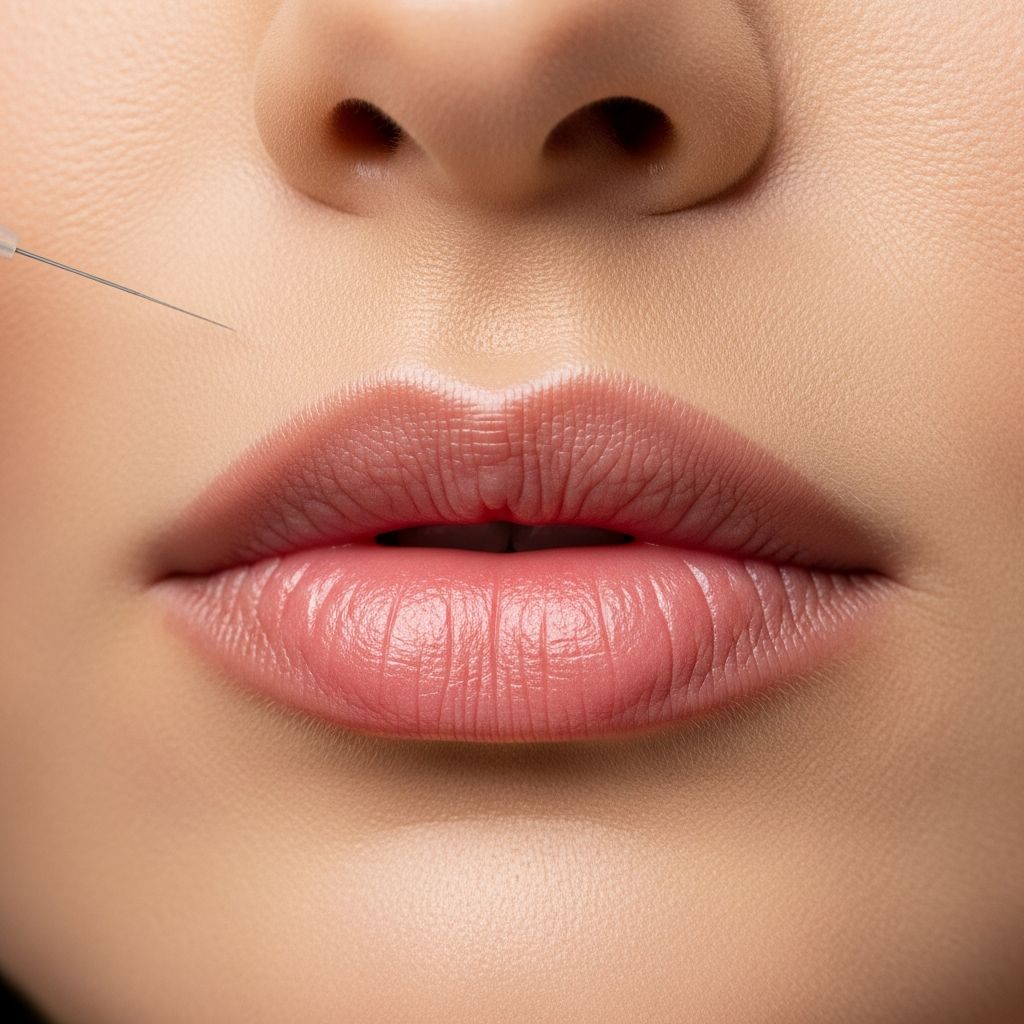
Lip fillers are injectable cosmetic treatments designed to enhance the volume, shape, and definition of your lips. These minimally invasive procedures use dermal fillers—substances injected beneath the skin’s surface—to create fuller, more pronounced lips. Lip fillers have become increasingly popular as a way to achieve desired lip aesthetics without undergoing surgical procedures. Whether you’re looking to add subtle volume or dramatic enhancement, lip fillers offer a customizable solution that can be tailored to your specific goals and preferences.
The procedure works by introducing filler material into various areas of your lips, including the edges (vermillion border), the central curve of the upper lip (Cupid’s bow), and the corners of your mouth (oral commissures). This strategic placement allows practitioners to enhance lip shape while maintaining natural-looking results that complement your facial features.
Types of Lip Fillers
Several types of dermal fillers are available for lip augmentation, each with distinct characteristics and longevity:
Hyaluronic Acid Fillers
Hyaluronic acid is a naturally occurring substance found in your body that helps retain moisture and maintain skin volume. Fillers containing hyaluronic acid are reversible, meaning they can be dissolved if you’re unhappy with the results. Popular brands include Juvéderm and Restylane. These fillers typically last between 6 to 12 months, depending on your metabolism and the amount injected.
Calcium Hydroxylapatite Fillers
This type of filler is composed of calcium microspheres suspended in a gel. It provides immediate results and can last longer than hyaluronic acid fillers, often maintaining results for 12 to 18 months. Radiesse is a common brand name for calcium hydroxylapatite fillers.
Poly-L-Lactic Acid Fillers
These fillers work by stimulating your body’s natural collagen production. They provide gradual results and typically last 12 to 24 months. Sculptra is a well-known poly-L-lactic acid filler product.
Fat Transfer
For those preferring a more permanent solution, fat transfer involves harvesting fat from your own body (usually the abdomen), purifying it, and injecting it into your lips. This procedure takes approximately 60 to 90 minutes to complete, including the liposuction component, and provides longer-lasting results compared to commercial fillers.
The Lip Filler Procedure: Step-by-Step
Preparation and Consultation
Before your lip filler appointment, your healthcare provider will discuss your goals, examine your lips, and create a treatment plan. They may provide pre-treatment instructions such as avoiding certain medications and supplements that increase bleeding risk, including aspirin and fish oil. Smoking should be discontinued several weeks before treatment as it can interfere with the healing process.
Numbing the Area
Once your procedure begins, your healthcare provider will apply a topical numbing cream to your lips. This reduces discomfort during the injection process, allowing you to remain comfortable throughout the treatment.
Injecting the Filler
Related Stories



Your provider uses a thin needle to carefully inject the filler material into your lips. On average, approximately 1 milliliter (about one-fifth of a teaspoon) of filler is inserted, with the needle penetrating no deeper than 2.5 millimeters into your skin. You may feel a slight pinching sensation, and your eyes might water, but you shouldn’t experience significant pain.
Procedure Duration
The entire lip filler procedure typically takes between 10 to 30 minutes, though complex cases may extend up to two hours. The duration depends on the amount of filler being used and the specific areas being treated.
Post-Procedure Massage and Ice
After injection, your healthcare provider may gently massage your lips to ensure proper filler distribution and check for any lumps or irregularities. Ice packs are often applied throughout and after the procedure to minimize swelling and bruising. This gentle massage during the malleable period following injection helps create smooth, even results.
Benefits of Lip Fillers
Lip fillers offer numerous aesthetic and psychological benefits:
- Enhanced lip volume and fullness
- Improved lip shape and definition
- Correction of thin or asymmetrical lips
- Smoothing of vertical lip lines
- Non-surgical alternative to lip augmentation surgery
- Customizable results tailored to your preferences
- Reversible results with hyaluronic acid fillers
- Quick procedure with minimal downtime
- Immediate to near-immediate results
- Natural-looking enhancement when performed by qualified professionals
Recovery Timeline and What to Expect
Immediate Post-Treatment (Day 1)
Immediately after your procedure, your lips will feel tender and appear fuller due to initial swelling. You may notice minor redness at injection sites. Applying ice packs wrapped in cloth at short intervals can help reduce swelling during this critical first day.
Peak Swelling and Bruising (Days 2-3)
The second and third days typically bring the most noticeable swelling and visible bruising. Your lips may feel firm or appear uneven, but this is entirely normal. Don’t be alarmed by your appearance during this phase—the results will improve significantly as swelling subsides.
Settling Phase (Days 4-7)
During this week, swelling decreases significantly and bruising begins to fade. Your lips will start feeling softer and appear more balanced and natural. By the end of the first week, most visible signs of treatment should be noticeably diminished.
Final Results Emerge (Week 2)
Most swelling and bruising should be gone by the second week. The true shape and final volume of your lips become apparent during this time. You can now see the results your provider envisioned for you.
Complete Healing (Weeks 4-6)
The filler fully integrates with your lip tissue, and your lips feel completely natural. Any remaining minor swelling resolves, and you’re left with your final, natural-looking results.
Post-Treatment Care Instructions
Proper aftercare is essential for optimal healing and results:
- Apply ice packs in short intervals to reduce swelling
- Keep your head elevated for the first few hours to minimize swelling
- Stay hydrated by drinking plenty of water to support healing
- Avoid strenuous activity and exercise for 24 to 48 hours
- Use arnica gel, a natural remedy that helps reduce bruising
- Take acetaminophen for discomfort (avoid aspirin and ibuprofen)
- Avoid touching or pressing your lips excessively
- Skip hot beverages and spicy foods for the first few days
- Sleep with your head elevated on multiple pillows
- Avoid alcohol and blood-thinning supplements temporarily
Side Effects and Complications
While lip fillers are generally safe, some side effects may occur:
Common Side Effects
- Swelling and puffiness
- Bruising and discoloration
- Tenderness and sensitivity
- Redness at injection sites
- Minor itching or tingling
These common side effects typically resolve on their own within a few days to a week. Your healthcare provider may recommend corticosteroids or antihistamines to help manage swelling and other mild reactions.
Serious Complications (Rare)
While uncommon, serious complications can include vascular occlusion (when filler blocks a blood vessel), allergic reactions, infections, or nerve damage. Choosing a qualified, experienced healthcare provider significantly reduces these risks.
How Long Do Results Last?
The longevity of lip filler results varies depending on several factors:
| Filler Type | Duration |
|---|---|
| Hyaluronic Acid (Juvéderm, Restylane) | 6 to 12 months |
| Calcium Hydroxylapatite (Radiesse) | 12 to 18 months |
| Poly-L-Lactic Acid (Sculptra) | 12 to 24 months |
| Fat Transfer | 6 months to several years |
Individual results vary based on your metabolism, lifestyle, and the amount of filler used. On average, most people need new lip fillers every 12 to 18 months to maintain their desired appearance. Your healthcare provider will discuss maintenance schedules during your consultation.
Reversing Lip Fillers
If you’re unhappy with your lip filler results, hyaluronic acid fillers can be dissolved using hyaluronidase, an enzyme that breaks down hyaluronic acid. This dissolution procedure typically takes 10 to 15 minutes and can be performed in one to two visits. You may notice some results immediately, with full results visible after up to two weeks. Your lips will gradually return to their pre-filler appearance as your body naturally eliminates the dissolved material.
It’s important to note that hyaluronidase doesn’t only dissolve injected filler—it also breaks down naturally occurring hyaluronic acid in your lips, which may cause temporary thinning. However, your body usually replaces lost hyaluronic acid naturally. If you want to redo your lip fillers after dissolution, wait at least 14 days before getting new injections to allow the hyaluronic acid to completely break down.
Choosing a Qualified Provider
Selecting an experienced, board-certified healthcare provider is crucial for achieving safe, natural-looking results. Look for providers who specialize in cosmetic injectables and can show before-and-after photos of their work. During your consultation, discuss your aesthetic goals, and ensure your provider listens to your preferences while offering professional recommendations.
Cost Considerations
The cost of lip fillers varies based on several factors including the provider’s experience, location, type of filler used, and the amount of product needed. Most lip filler treatments range from $300 to $1,000 per session. Since results are temporary, you should budget for maintenance treatments every 12 to 18 months to maintain your desired appearance.
Frequently Asked Questions (FAQs)
Q: Does getting lip fillers hurt?
A: While you may feel a slight pinching sensation and pressure during the injection, the topical numbing cream applied before the procedure significantly minimizes pain. Most people report that the procedure is much less painful than expected.
Q: Can I dissolve my lip fillers if I don’t like the results?
A: Yes, if your lip fillers are made of hyaluronic acid, your provider can dissolve them using hyaluronidase. However, lip fillers made of other materials may not be reversible. Dissolution typically takes one to two sessions.
Q: How soon will I see results?
A: You’ll notice immediate improvement in your lips, though initial swelling may obscure the final results. Full results become apparent after two to four weeks when swelling completely resolves and the filler integrates into your lip tissue.
Q: Can I exercise after getting lip fillers?
A: You should avoid strenuous exercise for 24 to 48 hours after treatment, as physical activity can increase swelling. After this period, you can gradually resume normal activities.
Q: Are lip fillers safe?
A: Lip fillers are generally safe when administered by qualified healthcare providers using FDA-approved products. Serious complications are rare, though minor side effects like swelling and bruising are common and temporary.
Q: Can I get lip fillers if I’m pregnant or breastfeeding?
A: It’s recommended to avoid lip fillers during pregnancy and while breastfeeding as a precaution. Discuss your specific situation with your healthcare provider.
Q: How often will I need touch-up treatments?
A: Most people require maintenance treatments every 12 to 18 months, depending on the type of filler used and how quickly their body metabolizes it.
Q: Can I combine lip fillers with other cosmetic treatments?
A: Yes, many people combine lip fillers with other treatments like Botox, dermal fillers for other facial areas, or skincare procedures. Your provider can recommend a comprehensive treatment plan.
References
- Lip Fillers: What to Expect, Types, Benefits & Side Effects — Cleveland Clinic. 2024. https://my.clevelandclinic.org/health/treatments/22133-lip-fillers
- Dissolving Lip Filler: How It Works & What To Expect — Cleveland Clinic. 2024. https://my.clevelandclinic.org/health/treatments/dissolving-lip-filler
- Lip Augmentation: Surgery, Fat Transfer, Fillers, Side Effects — Cleveland Clinic. 2024. https://my.clevelandclinic.org/health/treatments/22782-lip-augmentation
- Lip Filler Aftercare: Do’s and Don’ts To Help You Heal — Cleveland Clinic. 2024. https://health.clevelandclinic.org/lip-filler-aftercare
- Dermal Fillers: What They Are, Types, Benefits & Side Effects — Cleveland Clinic. 2024. https://my.clevelandclinic.org/health/treatments/22667-dermal-fillers
Similar Articles








Read full bio of Sneha Tete