Lip Lines: Causes, Treatments & Prevention
Understand lip lines, their causes, and effective treatment options to maintain youthful skin.
Understanding Lip Lines: Causes and Treatment Options
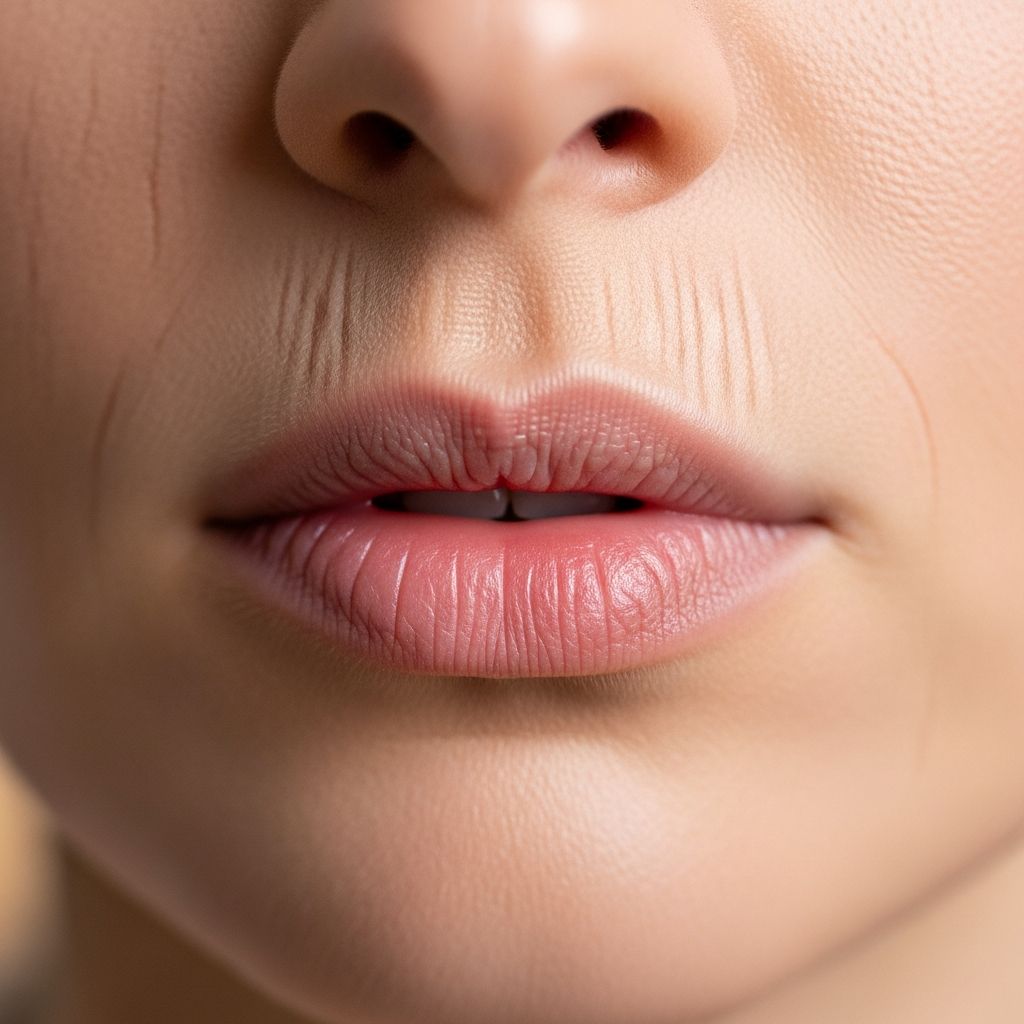
Lip lines are subtle or deep-set vertical lines that appear on or above your lips, representing a natural part of the aging process. These wrinkles, also known as smoker’s lines, lipstick lines, or perioral rhytides, can develop anywhere from the upper lip to the tip of your nose. Healthcare providers use the medical term “perioral wrinkles” to describe these creases, where “peri” means “around” and “oral” refers to the mouth. While lip lines are inevitable with age, understanding their causes and exploring treatment options can help you maintain a more youthful appearance.
What Are Lip Lines?
Lip lines are vertical creases that form on both your lips and the skin above your lips. These wrinkles can range from fine, subtle lines to deep creases, depending on various factors including genetics, lifestyle habits, and sun exposure. When you wear lipstick, these wrinkles often become more pronounced, as the color settles into the creases, making them appear darker and deeper than they actually are.
The wrinkles that appear directly on your lips typically form as a set of fine vertical lines stretching from one side of your mouth to the other. Above the lip, vertical lines stretch upward toward your nose. These upper lip lines are usually deeper and more pronounced than those on the actual lips themselves.
How Lip Lines Differ From Other Facial Wrinkles
It’s important to distinguish lip lines from other types of wrinkles that develop around the mouth area. Smile lines, also known as nasolabial folds, are wrinkles that extend from the sides of your nose to the corners of your mouth. Marionette lines, another distinct wrinkle type, travel from the corners of your mouth down to your chin. Understanding these differences helps ensure you receive appropriate treatment for your specific concerns.
Causes of Lip Lines
Over time, everyone develops lip lines as part of the natural aging process. The primary cause of lip wrinkles involves the loss of essential proteins that keep your skin supple and youthful.
Natural Collagen and Elastin Loss
As you age, your body naturally produces less collagen and elastin—proteins responsible for maintaining your skin’s firmness, elasticity, hydration, and smoothness. Research indicates that after age 20, you lose approximately 1 percent of collagen every year in the perioral area. This gradual decline in these crucial proteins results in less support for skin cells, leading to sagging and wrinkle formation.
Lifestyle and Environmental Factors
While aging is inevitable, certain habits can significantly accelerate the development of deeper lip wrinkles:
– Smoking: Tobacco use is one of the primary culprits behind premature and severe lip lines, which is why they’re often called “smoker’s lines.”- Sun exposure: Ultraviolet radiation damages collagen and elastin fibers, leading to premature wrinkle formation.- Repetitive muscle movements: Pursing your lips repeatedly throughout the day can contribute to vertical creases.- Dehydration: Insufficient water intake and inadequate lip moisture can make wrinkles more apparent.- Poor nutrition: Lacking essential vitamins and minerals can compromise skin health and elasticity.- Facial expressions: Frequent smiling and talking naturally contribute to lines around the mouth area.
Related Stories



Severity Rating and Diagnosis
Plastic surgeons often use rating scales to assess the severity of lip lines and determine the most appropriate treatment approach. The severity of your lip wrinkles depends on various factors including age, genetics, lifestyle habits, and the extent of sun damage. A consultation with a qualified plastic surgeon can help determine your specific wrinkle severity and recommend targeted treatments.
Treatment Options for Lip Lines
The best treatment for lip lines varies by person and depends on your specific goals, wrinkle severity, and preferences. Your plastic surgeon may recommend nonsurgical treatments, surgical procedures, or a combination of both.
Nonsurgical Cosmetic Procedures
Nonsurgical treatments offer effective ways to reduce the appearance of lip lines without downtime or recovery periods:
Dermal Fillers
Dermal fillers are injectable substances that plump up wrinkles and smooth lines on your face. These cosmetic injectables work by adding volume beneath the skin’s surface, helping to fill in vertical lip lines and create a smoother appearance. Lip fillers can last up to 12 months, making them a popular choice for those seeking temporary improvement without surgical intervention.
Botox and Botulinum Toxin Injections
Lines around the lips are often caused by repetitive muscle movements throughout the day. Botox works by relaxing these muscles, preventing or reducing their movement. When injected by a trained healthcare professional in small amounts around the mouth area, Botox can significantly reduce the appearance of lip lines. Results typically last up to six months, after which treatments can be repeated to maintain results.
Platelet-Rich Plasma (PRP) Therapy
This innovative procedure uses a component of your own blood to stimulate collagen production. A solution is prepared from your platelets—tiny blood cells that aid healing—and injected into your face through a microneedling device. This treatment, sometimes called the “vampire facial,” harnesses your body’s natural healing mechanisms to promote skin rejuvenation.
Lip Flip
A lip flip is a nonsurgical procedure that makes your lips appear fuller by relaxing muscles at the corners of your mouth. Your healthcare provider injects botulinum toxin into these areas, causing the lip muscle to relax and the lip to roll slightly outward, creating a fuller appearance that can help minimize the visibility of lip lines.
Surgical Treatment Options
For more permanent or dramatic results, several surgical procedures may improve or eliminate lip wrinkles:
Lip Lift Surgery
A lip lift is a surgical procedure that can address multiple signs of aging around the mouth. The central lip lift shortens the upper lip, advances the red portion to create greater volume, and increases the visibility of upper teeth. This procedure is performed through an incision directly under the nose. Lip lifts can also address down-turned corners of the mouth through similar surgery with small incisions on the sides of the mouth.
Chemical and Laser Peels
Upper lip lines can be addressed through chemical or laser peels, often performed in conjunction with other procedures like lip lifts. These treatments work by removing the outer layer of skin, encouraging new skin growth and collagen production. Very fine sutures are typically placed during these procedures and are generally removed four to five days after surgery.
Fat Transfer Injections
Fat transfer involves harvesting fat from one area of your body and injecting it into your lips and around the mouth. This more long-lasting option can reduce lip wrinkles, though it may not completely eliminate all lines. Results from fat transfer can be quite durable compared to temporary fillers.
Lip Implants
Surgical lip implants offer a more permanent solution for adding volume and fullness to the lips. These implants can help minimize the appearance of lip lines by creating plumper lips that show wrinkles less prominently. Like fat transfer, implants may not completely eliminate all wrinkles but provide long-lasting results.
Prevention and Maintenance Strategies
While you cannot permanently prevent lip wrinkles from developing, several strategies can help lessen their severity and reduce signs of aging:
Sun Protection
Consistent sun protection is essential for maintaining youthful-looking lips. Use lip balms with SPF 30 or higher daily, reapply frequently especially after eating or drinking, and wear protective clothing like wide-brimmed hats when spending time outdoors. Avoiding direct sun exposure during peak UV hours (10 a.m. to 4 p.m.) can further protect your delicate lip area.
Lifestyle Modifications
Making healthy lifestyle choices can significantly impact your skin’s appearance and overall health. Avoid smoking, limit alcohol consumption, stay hydrated by drinking adequate water throughout the day, and maintain regular exercise to improve circulation and skin health. Getting sufficient sleep allows your body to repair and regenerate skin cells more effectively.
Dietary Considerations
A nutrient-rich diet supports healthy skin from within. Consume foods rich in antioxidants, vitamins C and E, and omega-3 fatty acids to support collagen production and protect against free radical damage. Limiting sugar intake and maintaining balanced nutrition contributes to overall skin health and can help reduce the appearance of wrinkles.
Expected Results and Longevity of Treatments
Understanding how long treatment results last helps you make informed decisions about your lip line treatment options. Temporary treatments like Botox may last up to six months, while lip fillers can last up to 12 months. Lip implants and fat transfer injections provide more long-lasting options, though they may not completely eliminate all lip wrinkles. Without ongoing treatment and sun protection, lip lines may worsen and become more pronounced over time.
Can Lip Lines Be Permanently Removed?
Unfortunately, lip lines last forever as a natural part of aging. You cannot permanently get rid of lip lines entirely, but cosmetic procedures can significantly reduce or temporarily improve their appearance. Most treatment results require ongoing maintenance to preserve improvements. Consulting with a qualified plastic surgeon can help you understand what realistic results you can expect from various nonsurgical and surgical lip procedures.
Frequently Asked Questions About Lip Lines
Q: What’s the difference between lip lines and smile lines?
A: Lip lines and smile lines appear in different locations on your face. Lip lines are vertical wrinkles on or above your lips, while smile lines (nasolabial folds) are wrinkles extending from the sides of your nose to the corners of your mouth.
Q: Why are lip lines called smoker’s lines?
A: Lip lines are called smoker’s lines because smoking is one of the primary factors that accelerates and deepens these wrinkles. Tobacco use causes premature collagen breakdown and significantly worsens lip line formation.
Q: How long do lip filler results last?
A: Lip fillers typically last up to 12 months. The exact duration depends on the type of filler used, your metabolism, and how your body breaks down the injectable material. Regular touch-up treatments can help maintain results.
Q: Are lip line treatments safe?
A: Both nonsurgical and surgical lip line treatments are generally safe when performed by qualified, experienced healthcare professionals. Lip lift surgery is a minimally invasive procedure with very little downtime and low risk. Always consult with a board-certified plastic surgeon to discuss potential risks and side effects specific to your situation.
Q: When should I start treating lip lines preventatively?
A: Prevention is most effective when you’re younger. Starting sun protection, maintaining a healthy lifestyle, and avoiding smoking in your 20s and 30s can significantly reduce the severity of lip lines later in life. You can discuss preventative treatments with your dermatologist if you notice early signs of wrinkles.
Q: Can I treat lip lines at home?
A: While professional treatments are most effective, you can support lip health at home through sun protection, hydration, proper nutrition, and using lip care products containing retinol or vitamin C. However, these measures cannot eliminate existing lip lines; professional treatments are necessary for visible results.
Choosing the Right Treatment for Your Needs
Selecting the appropriate lip line treatment requires careful consideration of your goals, budget, tolerance for downtime, and desired results longevity. Temporary treatments like fillers and Botox offer quick results without surgery, while permanent or long-lasting options like lip lifts and implants provide more dramatic transformations. When considering any lip line treatment, ask your plastic surgeon about their credentials, training, experience with the specific procedure, and review before-and-after photographs of their past patients. You should feel comfortable with your chosen surgeon and confident in their ability to achieve your desired results.
Lip lines are a natural part of aging, but modern cosmetic treatments offer effective solutions to reduce their appearance and restore a more youthful look. Whether you choose nonsurgical injectables or surgical procedures, consulting with an experienced plastic surgeon will help you develop a personalized treatment plan tailored to your specific needs and goals.
References
- Lip Lines: Vertical Lip Wrinkles, Causes, Filler & Other Treatments — Cleveland Clinic. 2022-10-25. https://my.clevelandclinic.org/health/diseases/24343-lip-lines
- Lip Lift – Cosmetic & Plastic Surgery — Cleveland Clinic. https://my.clevelandclinic.org/cosmetic-plastic-surgery/procedures/lip-lift
- Dermal Fillers: What They Are, Types, Benefits & Side Effects — Cleveland Clinic. https://my.clevelandclinic.org/health/treatments/22667-dermal-fillers
- Lip Fillers: What to Expect, Types, Benefits & Side Effects — Cleveland Clinic. https://my.clevelandclinic.org/health/treatments/22133-lip-fillers
- Lip Wrinkles: Causes, Treatments, and Prevention — Healthline. https://www.healthline.com/health/derma-fillers
- Wrinkles & Fine Lines: Types, Causes & Prevention — Cleveland Clinic. https://my.clevelandclinic.org/health/diseases/10984-wrinkles
Similar Articles








Read full bio of Sneha Tete