Lipodermatosclerosis: Diagnosis, Treatment, And Prevention
Chronic skin condition from venous insufficiency causing leg hardening, pain, and ulcers—learn causes, symptoms, and treatments.
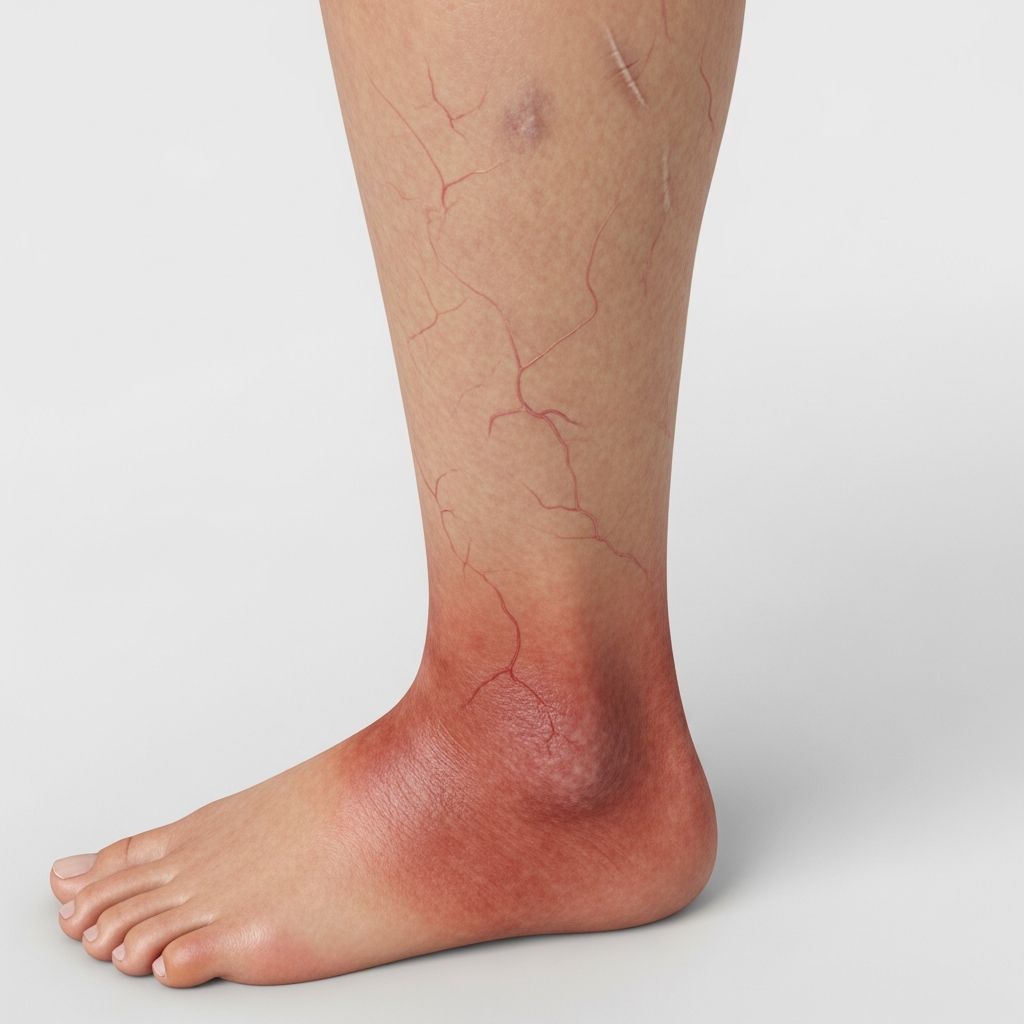
Lipodermatosclerosis (LDS), also known as sclerosing panniculitis or hypodermitis sclerodermiformis, is a chronic inflammatory condition of the skin and subcutaneous fat primarily affecting the lower legs. It arises as a complication of longstanding venous insufficiency and chronic venous hypertension, leading to fibrosis, skin changes, and potential ulceration.
What is lipodermatosclerosis?
Lipodermatosclerosis represents advanced chronic venous disease (CVD), where sustained high pressure in the leg veins (venous hypertension) causes plasma leakage into surrounding tissues. This triggers an inflammatory cascade involving leukocytes, cytokines, and fibrosis of subcutaneous fat and dermis. The term “lipo” refers to fat, “dermato” to skin, and “sclerosis” to hardening, accurately describing the pathological process.
The condition manifests in acute and chronic phases. Acute LDS presents suddenly with painful inflammation mimicking cellulitis, while chronic LDS develops gradually with persistent hardening and skin changes. Untreated, it progresses to irreversible tissue damage and venous leg ulcers.
Who gets lipodermatosclerosis?
Lipodermatosclerosis typically affects middle-aged to older adults, more commonly women due to factors like obesity, pregnancy history, and hormonal influences. Risk factors include:
- Chronic venous insufficiency from varicose veins or deep vein thrombosis
- Obesity and overweight
- Prolonged standing or sitting occupations
- Previous leg trauma or surgery
- Family history of venous disease
- Pelvic vein incompetence (less common)
It predominantly involves the medial lower legs above the ankles but can affect both limbs.
What causes lipodermatosclerosis?
The primary cause is venous hypertension from incompetent vein valves, leading to reflux and blood pooling in leg veins. This elevates hydrostatic pressure, forcing plasma, proteins, and red blood cells out of capillaries into tissues.
Key pathophysiological steps:
- Plasma extravasation: Leaked fibrinogen converts to fibrin, forming cuffs around capillaries that impair oxygen diffusion (fibrinolytic cuffs).
- Inflammatory response: Leukocytes migrate into tissues, releasing cytokines and growth factors that stimulate fibroblast proliferation and collagen deposition.
- Fibrosis: Subcutaneous fat is replaced by fibrous tissue, causing induration and the characteristic inverted champagne bottle leg shape.
- Hemosiderin deposition: Extravasated red cells degrade, staining skin brown (hemosiderosis).
Additional contributors include obesity-induced inflammation and mechanical compression from edematous tissues.
What are the clinical features of lipodermatosclerosis?
Acute lipodermatosclerosis
Acute phase develops rapidly (days to weeks) with:
- Painful, tender erythema and induration above medial malleoli
- Swelling, warmth, itch, and heaviness
- May mimic cellulitis or erysipelas
Symptoms often worsen with dependency and improve with leg elevation.
Chronic lipodermatosclerosis
Progresses over months, featuring:
- Skin changes: Hyperpigmentation (brown-red), scaling, itch, atrophie blanche (white scars)
- Tissue changes: Hard, woody induration; inverted champagne bottle deformity (narrow ankle, bulbous calf)
- Pain: Aching, tightness worsened by walking
- Edema: Persistent lipedema
Severe cases develop venous stasis dermatitis, white atrophy, and ulcers at medial malleolus.
Related Stories



Diagnosis
Diagnosis combines clinical examination with imaging:
- History and exam: Assess for CVD risk factors, characteristic morphology, and pain.
- Duplex ultrasound: Gold standard to confirm venous reflux in superficial/deep veins and perforators.
- Other tests: Rule out cellulitis (normal WBC), DVT (compression US), or arterial disease (ABI).
Biopsy rarely needed but shows panniculitis with fat lobule fibrosis and venular sclerosis.
| Feature | Acute LDS | Chronic LDS |
|---|---|---|
| Onset | Sudden (days) | Gradual (months) |
| Pain | Severe, tender | Aching, tight |
| Skin | Red, swollen | Brown, hard, scaly |
| Shape | Normal | Inverted bottle |
Treatment of lipodermatosclerosis
Treatment targets underlying venous hypertension, inflammation, and symptoms. Multidisciplinary approach essential.
Conservative measures
- Compression therapy: 30-40 mmHg stockings or multilayer bandaging; cornerstone reducing edema and reflux.
- Leg elevation: Above heart level 30 min, 3-4x daily.
- Lifestyle: Weight loss, exercise (walking), avoid standing.
- Skin care: Emollients for dryness; topical steroids (clobetasol) for acute inflammation.
Pharmacological
- Pentoxifylline or sulodexide to improve microcirculation.
- Stanozolol (fibrinolytic) in select cases.
Interventional
- Endovenous ablation: EVLA or RFA for saphenous reflux.
- Sclerotherapy: For varicose veins/perforators.
- Surgery: Vein stripping or perforator ligation if needed.
Acute LDS responds well to compression + steroids; chronic requires addressing reflux to halt progression.
What is the outcome for lipodermatosclerosis?
Early intervention improves symptoms and prevents ulcers. Compression halts progression in 70-80%. Advanced fibrosis may persist, but pain/edema reduce. Ulcers heal better post-vein treatment. Recurrence common without maintenance.
Prevention
- Treat varicose veins early.
- Maintain ideal weight, exercise regularly.
- Use compression prophylactically in at-risk patients.
Frequently Asked Questions
What does lipodermatosclerosis look like?
Red-brown hardened skin above ankles with inverted bottle shape, scaling, and possible ulcers.
Is lipodermatosclerosis curable?
Not fully, but manageable; treat veins to prevent worsening.
Can lipodermatosclerosis cause ulcers?
Yes, skin fragility leads to chronic venous ulcers.
How is lipodermatosclerosis diagnosed?
Clinical + duplex ultrasound for reflux.
What is the best treatment for lipodermatosclerosis?
Compression stockings + endovenous ablation of refluxing veins.
References
- Understanding Lipodermatosclerosis: Causes, Symptoms, Treatments — Vein Health Medical Clinic. 2023. https://www.veinhealth.com.au/lipodermatosclerosis-advanced-venous-disease/
- Lipodermatosclerosis – DermNet — DermNet NZ. 2024-08-15. https://dermnetnz.org/topics/lipodermatosclerosis
- What is Lipodermatosclerosis and How is it Treated? — Miami Vein Center. 2023. https://www.miamivein.com/what-is-lipodermatosclerosis-how-is-it-treated/
- Lipodermatosclerosis — Vascular Institute of Chattanooga. 2024. https://vascularinstituteofchattanooga.com/vein-clinic/venous-conditions/lipodermatosclerosis/
- Lipodermatosclerosis Encinitas CA – Treatments for Swollen Edema — SaviDerm. 2023. https://www.saviderm.com/lipodermatosclerosis-encinitas/
- Lipodermatosclerosis (LDS) Treatment — The Whiteley Clinic. 2024. https://thewhiteleyclinic.co.uk/lipodermatosclerosis-lds/
Similar Articles








Read full bio of Sneha Tete