Lipodystrophy: Causes, Types, Symptoms & Treatment
Understanding lipodystrophy: a rare disorder affecting fat distribution and metabolic health.
What Is Lipodystrophy?
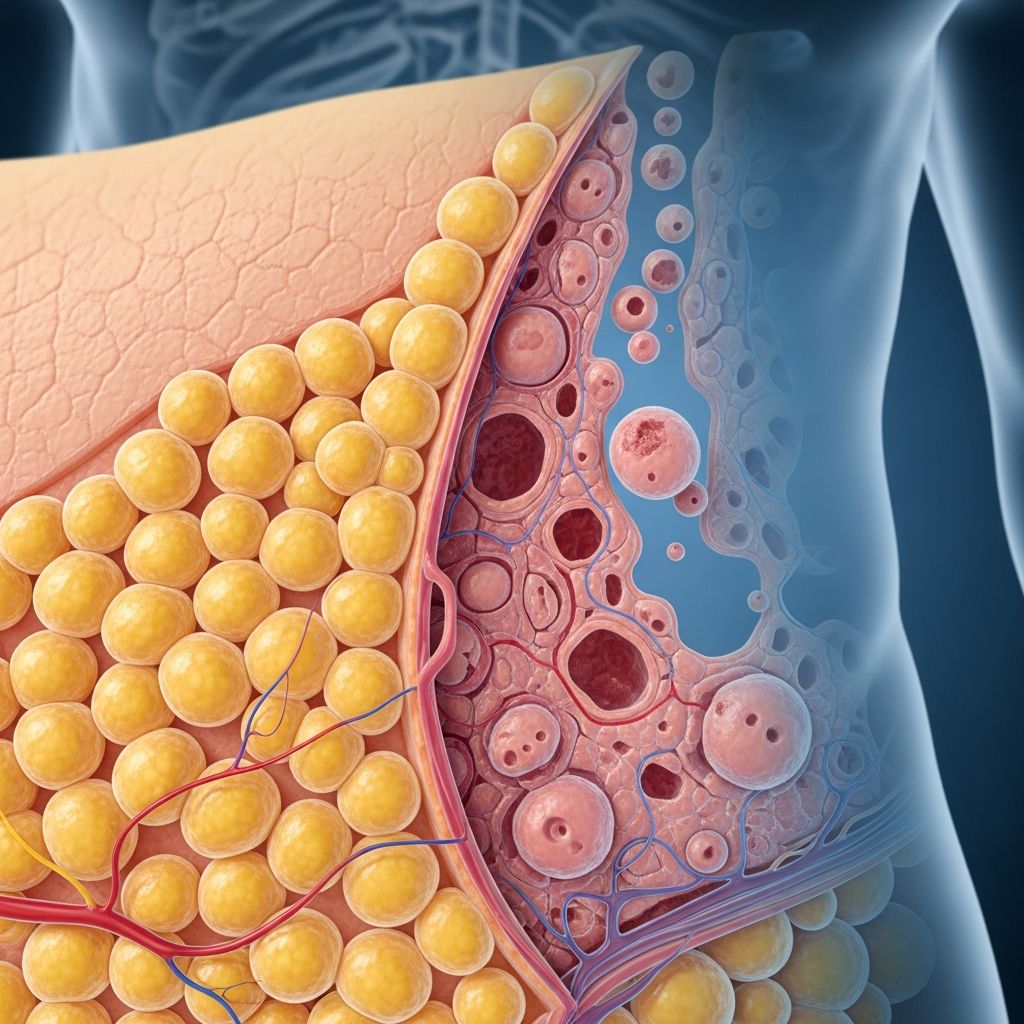
Lipodystrophy is a rare medical condition characterized by the complete or partial loss of adipose (fat) tissue in certain areas of the body. This abnormal distribution or absence of fat can significantly affect both appearance and critical metabolic functions. While there is currently no cure for lipodystrophy, treatments are available to manage symptoms and associated health conditions such as diabetes and abnormal cholesterol levels.
Types of Lipodystrophy
Lipodystrophy can be classified into two main categories: genetic and acquired. Each type has distinct causes and patterns of fat loss.
Genetic Lipodystrophy
- Congenital Generalized Lipodystrophy (CGL): This type is present from birth and causes a near-total absence of body fat. It is caused by mutations in genes such as AGPAT2, BSCL2, CAV1, and CAVIN1, which are essential for the development and function of adipocytes (fat-storing cells).
- Familial Partial Lipodystrophy (FPL): This type usually appears during adolescence or adulthood and is characterized by fat loss in specific areas, such as the arms, legs, and face, while fat may accumulate in other regions like the abdomen or neck.
Acquired Lipodystrophy
- Acquired Generalized Lipodystrophy (AGL): This form develops later in life and can be triggered by autoimmune diseases, infections, or certain medications.
- Acquired Partial Lipodystrophy (APL): Also known as Barraquer-Simons syndrome, this type typically begins in childhood and involves gradual fat loss from the face, neck, arms, and chest, sometimes with excess fat in the belly, legs, or buttocks.
Symptoms of Lipodystrophy
The symptoms of lipodystrophy vary depending on the type and severity of the condition. Common signs include:
- Noticeable loss of fat in specific body areas
- Abnormal fat accumulation in other regions
- Changes in appearance, such as a muscular or gaunt look
- Metabolic complications, including insulin resistance, diabetes, and abnormal cholesterol levels
- Increased risk of fatty liver disease
- Polycystic ovarian syndrome (PCOS) in women, especially when not related to obesity
Causes and Risk Factors
Lipodystrophy can be caused by genetic mutations or acquired factors:
- Genetic Causes: Mutations in genes that regulate adipocyte development and function lead to congenital or familial forms.
- Acquired Causes: Autoimmune diseases, infections, certain medications (especially those used in HIV treatment), and unknown triggers can result in acquired lipodystrophy.
Diagnosis of Lipodystrophy
Diagnosing lipodystrophy can be challenging due to its rarity and variable presentation. Healthcare providers typically use the following approaches:
- Detailed medical and family history
- Physical examination to assess fat distribution
- Blood tests to check for metabolic abnormalities (e.g., lipid panel, glucose levels)
- Imaging studies such as dual-energy x-ray absorptiometry (DEXA) to measure skin thickness and fat distribution
- Genetic testing for suspected genetic forms
Complications and Associated Conditions
Lipodystrophy can lead to several serious health complications:
- Insulin Resistance and Diabetes: Loss of adipose tissue impairs the body’s ability to regulate blood sugar.
- Dyslipidemia: Abnormal cholesterol and triglyceride levels increase the risk of cardiovascular disease.
- Fatty Liver Disease: Excess fat may accumulate in the liver, leading to non-alcoholic fatty liver disease (NAFLD).
- Polycystic Ovarian Syndrome (PCOS): Women may develop PCOS due to hormonal imbalances.
- Leptin Deficiency: Lack of adipose tissue results in low levels of leptin, a hormone important for regulating appetite and metabolism.
Related Stories



Treatment and Management
There is no cure for lipodystrophy, but treatment focuses on managing symptoms and preventing complications:
- Dietary Modifications: Limiting dietary fat intake can help reduce metabolic complications.
- Medications: Insulin-sensitizing agents (e.g., thiazolidinediones) and lipid-lowering drugs may be prescribed.
- Leptin Replacement Therapy: Metreleptin is used in severe cases to replace deficient leptin and improve metabolic control.
- Management of Associated Conditions: Treating diabetes, high cholesterol, and fatty liver disease is essential.
- Cosmetic Correction: Procedures to address fat deficiency or excess can improve quality of life.
Prognosis and Outlook
The prognosis for lipodystrophy depends on the type, severity, and presence of associated conditions. Early diagnosis and comprehensive management can significantly improve outcomes and quality of life. Regular follow-up with a healthcare team is crucial to monitor treatment effectiveness and address any new complications.
Frequently Asked Questions (FAQs)
Q: What are the main types of lipodystrophy?
A: The main types are genetic (congenital generalized and familial partial) and acquired (generalized and partial).
Q: Can lipodystrophy be cured?
A: There is no cure, but symptoms and complications can be managed with appropriate treatment.
Q: What are the common symptoms of lipodystrophy?
A: Symptoms include abnormal fat loss or accumulation, metabolic complications, and changes in appearance.
Q: How is lipodystrophy diagnosed?
A: Diagnosis involves medical history, physical examination, blood tests, imaging, and sometimes genetic testing.
Q: What treatments are available for lipodystrophy?
A: Treatments include dietary changes, medications, leptin replacement therapy, and management of associated conditions.
References
- Lipodystrophy Syndromes: A Rapid Action Plan for Diagnosis and Management — NIH. 2023. https://pmc.ncbi.nlm.nih.gov/articles/PMC11419977/
- Lipodystrophy: What It Is, Symptoms, Types & Treatment — Cleveland Clinic. 2023. https://my.clevelandclinic.org/health/diseases/23441-lipodystrophy
- Type of Diabetes Mellitus: Does It Matter to the Clinician? — Cleveland Clinic Journal of Medicine. 2020. https://www.ccjm.org/content/87/2/100
Similar Articles








Read full bio of Sneha Tete