Lipodystrophy: Types, Symptoms, Diagnosis And Treatment
Rare disorders of fat loss: Explore causes, symptoms, diagnosis, and treatments for lipodystrophy syndromes.
What is lipodystrophy?
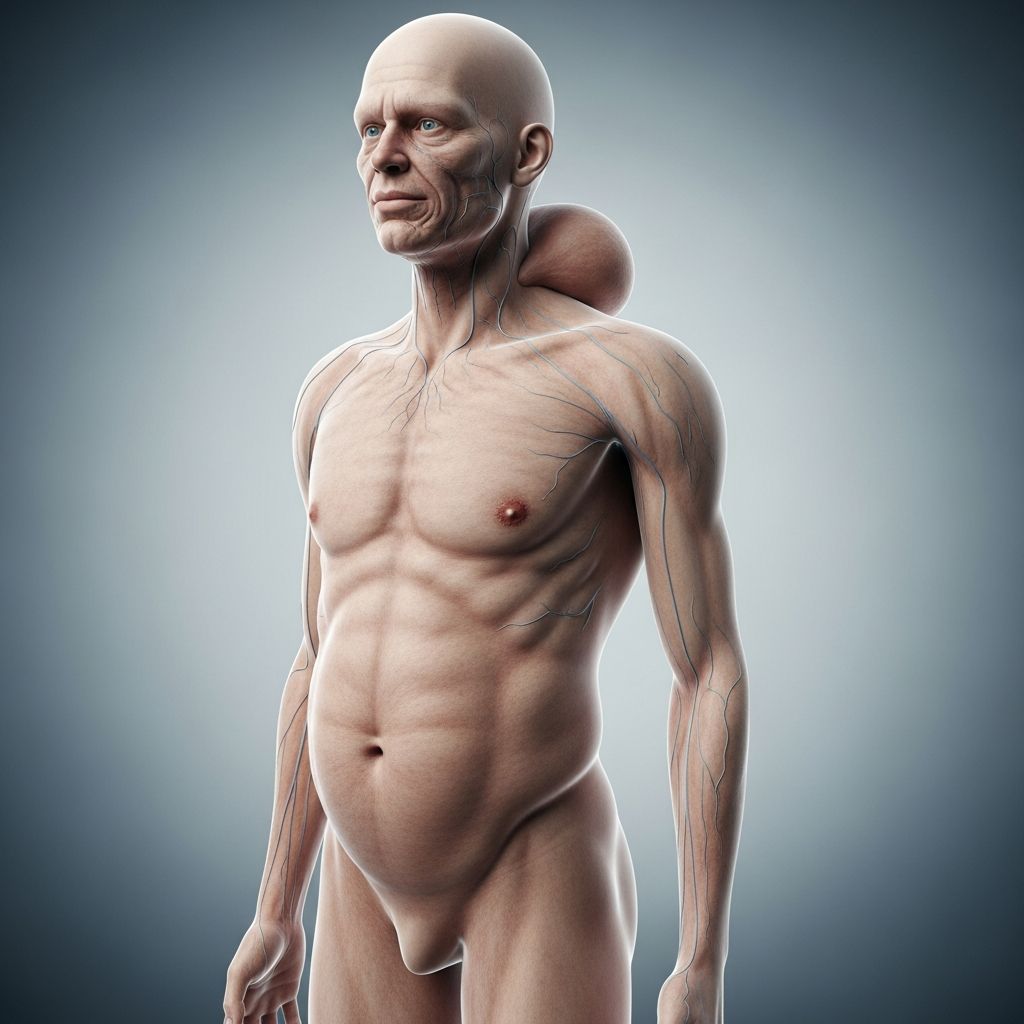
Lipodystrophy syndromes are a heterogeneous group of rare acquired and inherited disorders characterized by selective loss of adipose (fat) tissue. This abnormal distribution or complete absence of body fat disrupts metabolic functions, leading to severe insulin resistance, diabetes, hypertriglyceridemia, and hepatic steatosis. The lack of functional adipose tissue impairs long-term energy storage, causing fat to accumulate ectopically in organs like the liver and muscles, which exacerbates metabolic complications.
These conditions affect individuals across all ages and can be generalized (total body fat loss) or partial (regional loss). Patients often experience profound metabolic disturbances alongside cosmetic concerns from altered body appearance. Early diagnosis and management are crucial to mitigate comorbidities such as cardiovascular disease and pancreatitis.
Who gets lipodystrophy?
Lipodystrophy affects both children and adults, with prevalence varying by type. Congenital generalized lipodystrophy (CGL) is extremely rare, occurring in 1 in 20 million births, often in populations with high consanguinity. Familial partial lipodystrophy (FPLD) is more common, estimated at 1 in 20,000, typically presenting in adolescence.
Acquired forms are more frequent: HIV-associated lipodystrophy impacts 40-50% of long-term antiretroviral therapy (ART) users. Autoimmune and localized types occur sporadically, often triggered by infections, drugs, or pressure. Women are disproportionately affected in partial forms like FPLD Dunnigan variety, while men predominate in some acquired cases.
What causes lipodystrophy?
Lipodystrophy arises from genetic mutations, autoimmune processes, infections, or iatrogenic factors. Genetic forms involve mutations in genes regulating adipocyte differentiation and lipid metabolism, such as AGPAT2, BSCL2 for CGL, and LMNA for FPLD.
- Congenital generalized lipodystrophy (CGL): Autosomal recessive mutations in lipid synthesis genes lead to near-total fat absence from birth.
- Familial partial lipodystrophy (FPLD): Dominant mutations (e.g., LMNA, PPARG) cause progressive fat loss in limbs and trunk post-puberty.
- Acquired generalized lipodystrophy (AGL): Often post-infection (varicella, measles) or autoimmune (thyroiditis, hepatitis); immune-mediated adipocyte destruction.
- Acquired partial lipodystrophy (APL or Barraquer-Simons): Autoimmune attack on adipocytes, associated with low complement C3 and autoantibodies.
- HIV-associated (LD-HIV): Linked to protease inhibitors and nucleoside reverse transcriptase inhibitors after >2 years of HAART.
- Localized lipodystrophy: From injections (insulin), trauma, or panniculitis.
Mechanistically, adipose dysfunction reduces leptin production, perturbing insulin sensitivity and lipid homeostasis.
What are the clinical features of lipodystrophy?
Core features include fat atrophy in specific regions, acanthosis nigricans (velvety hyperpigmentation from insulin resistance), and metabolic derangements.
| Type | Fat Loss Pattern | Key Metabolic Issues |
|---|---|---|
| CGL | Near-total body fat absence; prominent musculature, acromegaloid features | Severe insulin resistance, diabetes by age 5-10, extreme hypertriglyceridemia, hepatomegaly |
| FPLD | Face, arms, legs, trunk; fat accumulation in chin, neck, abdomen | Diabetes post-puberty, hypertriglyceridemia, PCOS in women |
| AGL | Generalized over weeks-months; spared areas variable | Hyperglycemia, pancreatitis risk, low leptin |
| APL | Face to thighs (cephalocaudal progression); fat gain in hips/buttocks | Milder metabolic issues, possible glomerulonephritis |
| LD-HIV | Peripheral lipoatrophy (face/limbs) ± central lipohypertrophy | Dyslipidemia, insulin resistance |
Related Stories



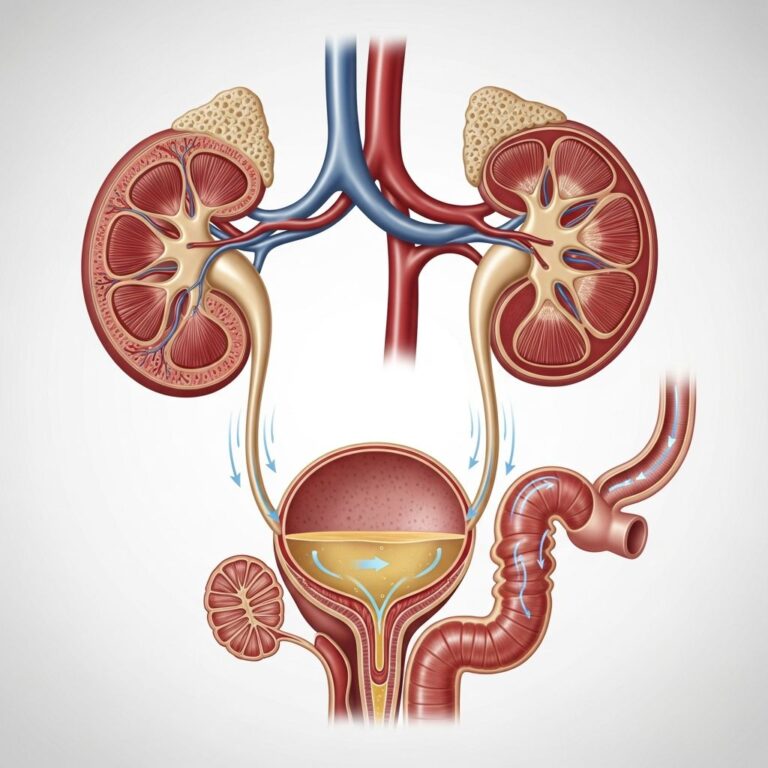
Other manifestations: fatigue, muscle pain, sleep apnea, depression, gastrointestinal dysmotility. Complications include fatty liver (steatohepatitis progressing to cirrhosis), acute pancreatitis from chylomicronemia, cardiovascular disease, and renal issues.
Diagnosis
Diagnosis combines clinical evaluation, imaging, and lab tests. Clinical suspicion arises from characteristic body habitus and metabolic profile.
- Physical exam: Measure skinfold thickness; note acanthosis, organomegaly.
- Labs: Fasting glucose, HbA1c, lipids (triglycerides often >1000 mg/dL), leptin (<5 ng/mL in severe cases), liver enzymes.
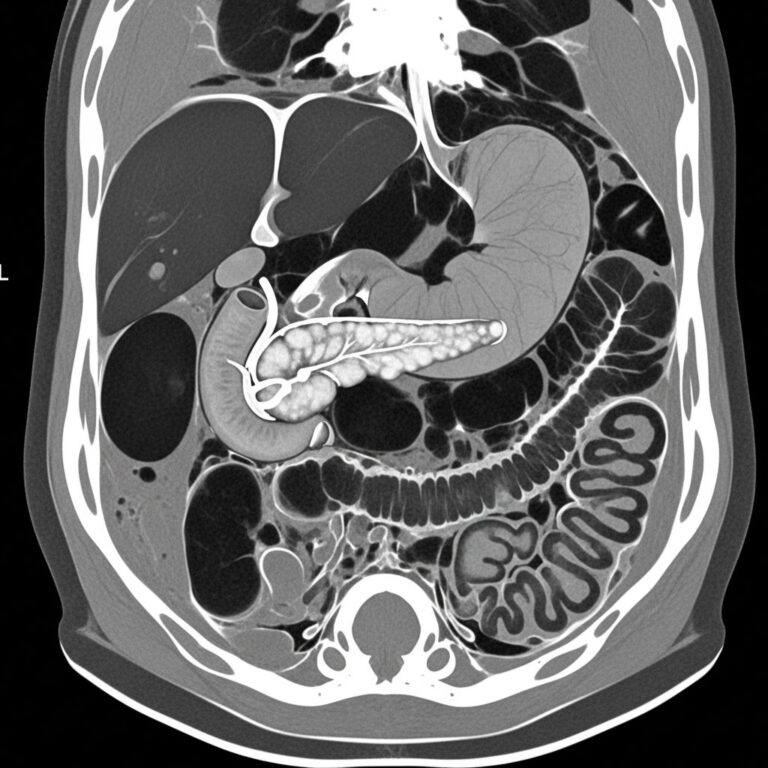
- Imaging: DEXA scan for fat mass, MRI/CT for ectopic fat, ultrasound for liver steatosis.
- Genetic testing: Confirms congenital forms (e.g., BSCL2 sequencing).
- Biopsy: Rarely, adipose tissue shows small adipocytes or fibrosis in acquired types.
Differential includes cachexia, anorexia, hyperthyroidism; rule out with metabolic labs.
Treatment
No cure exists; management targets symptoms and comorbidities via lifestyle, pharmacotherapy, and leptin replacement.
Lifestyle modifications
Low-fat (<20-30% calories), high-fiber diet (Mediterranean-style) reduces triglycerides and calories. Regular aerobic exercise improves insulin sensitivity.
Pharmacological
- Metabolic control: Metformin, thiazolidinediones (pioglitazone), SGLT2i, GLP-1 agonists; high-dose insulin for diabetes.
- Dyslipidemia: Fibrates, omega-3, statins (cautiously).
- Leptin therapy (metreleptin/Myalepta): FDA-approved for generalized lipodystrophy; subcutaneous daily injection. Reduces HbA1c by ~2 points, triglycerides by 60%, liver volume by 28%; improves insulin sensitivity.
Metreleptin is most effective in low-leptin states (<5 ng/mL), contraindicated in active malignancy due to immunogenicity risk.
Surgical/Cosmetic
Plastic surgery for fat grafting in HIV-LD or fillers for facial atrophy; bariatric surgery in hyperphagic FPLD.
Monitoring
Regular assessment of HbA1c, lipids, liver function; screen for PCOS, cardiac risk.
Frequently asked questions
Q: Is lipodystrophy curable?
A: No cure exists, but leptin therapy and metabolic management significantly improve quality of life and prevent complications.
Q: Can lipodystrophy develop suddenly?
A: Yes, acquired forms like AGL can onset rapidly post-infection or autoimmune trigger.
Q: Does HIV treatment always cause lipodystrophy?
A: No, but 40-50% of long-term HAART users develop it; newer regimens have lower risk.
Q: Is metreleptin safe long-term?
A: Effective for years in severe cases, but monitor for antibodies and lymphoma risk.
Q: Can diet alone manage lipodystrophy?
A: Low-fat diet helps, but most require medications due to profound insulin resistance.
Q: Are there support groups for lipodystrophy?
A: Yes, organizations like NORD and Lipodystrophy United provide resources and community.
References
- Lipodystrophy Syndromes: Presentation and Treatment — NCBI Bookshelf / NIH. 2017-10-06. https://www.ncbi.nlm.nih.gov/books/NBK513130/
- Lipodystrophy: Types, Causes, Symptoms & Treatment — Obesity Medicine Association. 2023. https://obesitymedicine.org/blog/blog-lipodystrophy/
- Acquired Lipodystrophy — NORD (National Organization for Rare Disorders). 2024. https://rarediseases.org/rare-diseases/acquired-lipodystrophy/
- Lipodystrophy syndromes: New treatment, newer questions — Mayo Clinic. 2015-11-23. https://www.mayoclinic.org/medical-professionals/endocrinology/news/lipodystrophy-syndromes-new-treatment-newer-questions/mac-20430366
- Lipodystrophy — Cambridge University Hospitals NHS. 2024. https://www.cuh.nhs.uk/patient-information/lipodystrophy/
- Lipodystrophy: What It Is, Symptoms, Types & Treatment — Cleveland Clinic. 2023-07-28. https://my.clevelandclinic.org/health/diseases/23441-lipodystrophy
Similar Articles








Read full bio of Sneha Tete