Liposarcoma: Symptoms, Causes, Treatment & Prognosis
Comprehensive guide to liposarcoma: Understanding rare fat cell cancers and treatment options.
Understanding Liposarcoma: A Rare Fat Cell Cancer
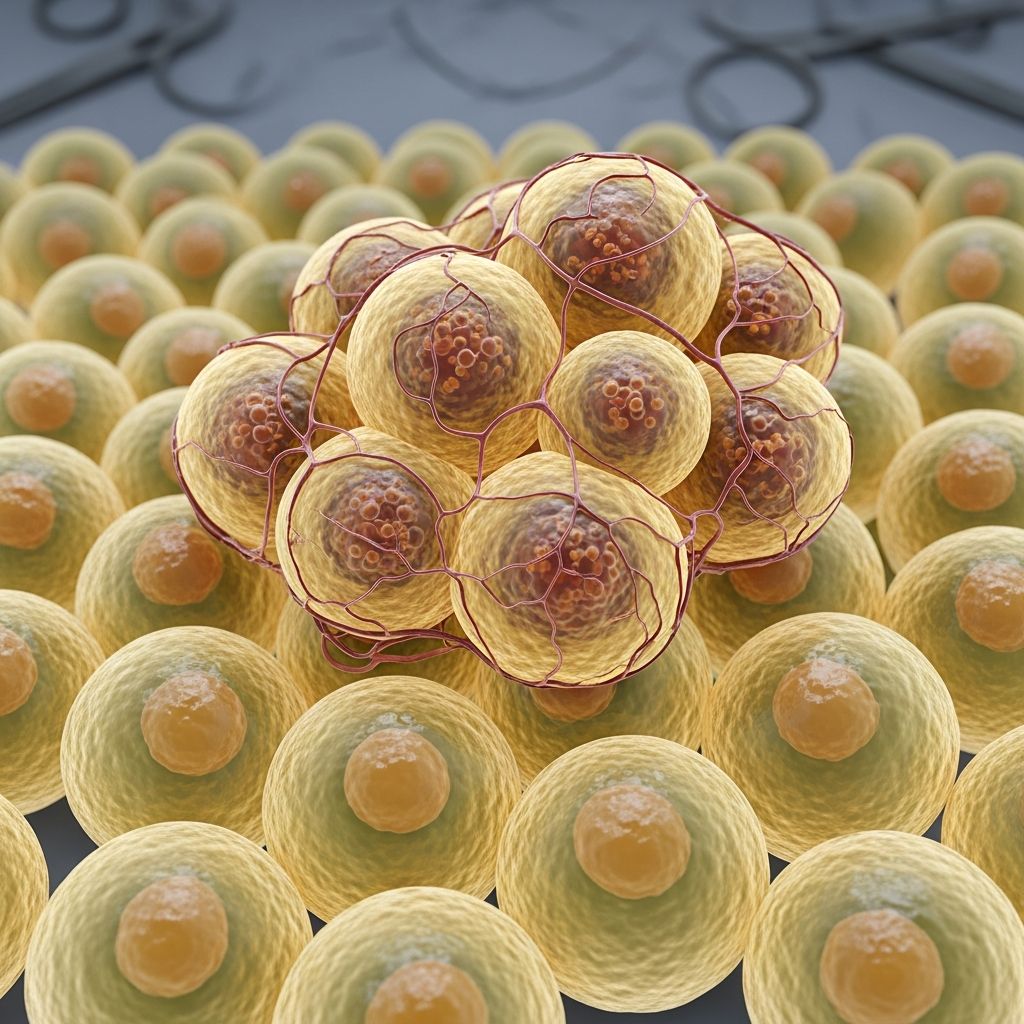
Liposarcoma is a rare and potentially life-threatening form of cancer that originates in fat cells throughout your body. Unlike benign lipomas, which are noncancerous soft tissue tumors that grow beneath the skin and never pose serious health risks, liposarcomas are malignant tumors capable of spreading and requiring aggressive medical intervention. This comprehensive guide explores what liposarcoma is, how it develops, its symptoms, diagnostic methods, treatment options, and what patients can expect regarding long-term outcomes.
What Is Liposarcoma?
Liposarcoma represents a group of rare cancers that begin in the fat cells of your body. These tumors can develop in virtually any location where fatty tissue exists, though they most commonly appear in the belly (abdomen), arms, and legs. The condition falls under the broader category of soft tissue sarcomas, which are malignant tumors affecting connective tissues including fat, muscle, blood vessels, and nerves. Healthcare providers recognize liposarcoma as one of the most common types of soft tissue sarcoma in adults, though it remains relatively uncommon in the general population.
Types of Liposarcoma
Liposarcomas are classified into several distinct types based on their cellular characteristics and behavior patterns. Each type carries different implications for treatment and prognosis:
Well-Differentiated Liposarcoma
This represents the most common type and generally has the most favorable prognosis. Well-differentiated liposarcomas grow slowly and are less likely to spread to distant parts of the body. In many cases where the tumor hasn’t spread, surgeons can remove the entire tumor, potentially achieving complete remission or cure.
Dedifferentiated Liposarcoma
This type represents a progression of well-differentiated liposarcoma and demonstrates more aggressive behavior. The tumor develops areas of high-grade malignancy alongside well-differentiated components. Evidence-based guidelines now link tumor characteristics and genetic markers to improved clinical outcomes in diagnosing and managing this type.
Myxoid Liposarcoma
Characterized by abundant gelatinous material within the tumor, myxoid liposarcomas tend to occur in younger patients and frequently spread to distant sites. This type shows a higher propensity for metastasis compared to well-differentiated variants.
Pleomorphic Liposarcoma
This represents the rarest and most aggressive form of liposarcoma. Pleomorphic variants demonstrate highly irregular cell patterns and carry the worst prognosis among all liposarcoma types.
Symptoms and Warning Signs
Recognizing the early signs of liposarcoma can be challenging because the disease often develops without obvious symptoms in its initial stages. However, certain warning signs warrant immediate medical attention:
Primary Symptom: A painless lump under the skin or deep within soft tissue that measures larger than 5 centimeters (approximately the size of a golf ball) should prompt consultation with a healthcare provider. This represents the most common presenting feature of liposarcoma.
Additional Symptoms May Include:
– Swelling or enlargement in the affected area- Discomfort or pain as the tumor grows and affects nearby structures- Limited range of motion if the tumor affects joints or muscles- Symptoms related to organ compression if the liposarcoma grows in the abdomen
Related Stories



Some patients may experience no symptoms whatsoever until the tumor reaches substantial size, making regular monitoring of any unusual lumps essential.
Causes and Risk Factors
The exact cause of liposarcoma remains unknown, and unfortunately, prevention proves difficult, particularly for individuals with inherited genetic conditions that increase susceptibility. However, researchers have identified several risk factors that may contribute to liposarcoma development:
Environmental Exposure: Long-term exposure to certain harmful substances increases the risk of developing soft tissue cancers. Specific toxic chemicals such as vinyl chloride have demonstrated associations with soft tissue sarcoma development. Avoiding prolonged exposure to radiation and chemical hazards represents one of the few preventive measures available.
Genetic Factors: Some individuals carry inherited genetic mutations that significantly increase their liposarcoma risk. Family history of sarcomas or genetic syndromes associated with cancer should be discussed with healthcare providers for appropriate monitoring.
Age and Demographics: Liposarcomas typically develop in adults, with peak incidence occurring in middle-aged and older individuals. Certain types, such as myxoid liposarcoma, show a slight predilection for younger patients.
Diagnosis and Testing
Accurate diagnosis of liposarcoma requires a multifaceted approach combining clinical assessment, imaging studies, and tissue analysis. Healthcare providers begin the diagnostic process systematically to ensure accurate identification and staging:
Physical Examination and Medical History
Your healthcare provider will conduct a thorough physical examination and discuss your symptoms, their duration, and any changes you’ve noticed. They will ask about your family medical history, occupational exposures, and any previous radiation therapy or chemical exposure.
Imaging Studies
Imaging plays a crucial role in identifying liposarcomas and determining their extent. Common imaging modalities include:
– Magnetic Resonance Imaging (MRI): Provides excellent soft tissue detail and helps characterize tumor components- Computed Tomography (CT): Useful for staging and detecting distant spread- Ultrasound: May be used for initial assessment of superficial lesions- Positron Emission Tomography (PET): Helps identify metastatic disease in advanced cases
Biopsy and Tissue Analysis
A definitive diagnosis requires obtaining a tissue sample through biopsy. Pathologists then examine the tissue under a microscope and may perform special testing to determine the specific type of liposarcoma. High-grade lesions identified on biopsy should trigger prompt referral to a specialized sarcoma center for comprehensive triple assessment of clinical history, imaging, and biopsy results, ideally performed on the same day.
Cancer Staging
Once liposarcoma is confirmed, staging helps determine how serious the disease is and guides treatment planning. Most liposarcomas are classified using the TNM staging system, which evaluates:
– Tumor size and location- Involvement of lymph nodes- Presence of distant metastases- Tumor grade (how aggressive the cells appear)
Treatment Options
Liposarcoma treatment depends on multiple factors including the specific type, tumor size, grade, location, whether cancer has spread, and the patient’s overall health status. Most patients benefit from a combination of treatment modalities administered by a multidisciplinary team of specialists including surgeons, medical oncologists, radiation oncologists, and pathologists.
Surgery
Surgery represents the primary and most important treatment for liposarcoma. Surgeons typically perform wide local excision, carefully removing the entire tumor along with a margin of surrounding healthy tissue to ensure no microscopic disease remains. This approach aims to remove all cancer cells while preserving as much healthy tissue and function as possible.
Surgical Considerations:
– For small, well-differentiated tumors that haven’t spread, complete surgical removal may result in cure- Larger tumors may require removal of adjacent tissues or organs that could be affected- Limb salvage procedures attempt to preserve function while removing the tumor- Surgeons discuss specific risks and complications with each patient based on tumor location and size
Chemotherapy
Chemotherapy uses powerful medications to destroy cancer cells throughout the body. Treatment may be recommended before surgery to shrink larger tumors, making them safer and easier to remove (neoadjuvant therapy), or after surgery to eliminate remaining cancer cells (adjuvant therapy). Some patients may receive chemotherapy for advanced or metastatic disease.
Radiation Therapy
Radiation therapy uses targeted high-energy beams to destroy cancer cells. Like chemotherapy, radiation may be administered before surgery to reduce tumor size or after surgery to eliminate residual cancer cells. This treatment proves particularly useful for tumors in sensitive locations where surgical margins are difficult to achieve.
Targeted Therapy and Immunotherapy
Emerging treatment approaches including targeted therapy and immunotherapy may be considered depending on the specific tumor characteristics and genetic profile. These treatments work by targeting specific cancer cell vulnerabilities or enhancing the immune system’s ability to fight cancer.
Treatment Side Effects and Recovery
All cancer treatments carry potential side effects that patients should understand and prepare for. Recovery following liposarcoma treatment varies depending on the specific interventions used:
Surgical Recovery: Patients may experience pain, swelling, and limited mobility immediately following surgery. Recovery timelines vary based on tumor size and location, ranging from weeks to months. Potential surgical complications include infection, bleeding, nerve or blood vessel injury, and functional limitation.
Chemotherapy Side Effects: Common side effects include nausea, vomiting, fatigue, hair loss, increased infection risk, and anemia. Most side effects resolve after treatment completion.
Radiation Side Effects: Localized effects may include skin irritation, fatigue, and long-term changes to treated tissues. Providers carefully balance therapeutic benefit against potential risks.
Prognosis and Long-Term Outcomes
Liposarcoma prognosis varies considerably depending on the tumor type and whether cancer has spread. Well-differentiated liposarcomas that haven’t metastasized carry a substantially better prognosis. In cases where surgeons can completely remove the tumor, patients may be considered cured if the cancer doesn’t recur.
However, certain liposarcoma types demonstrate higher recurrence rates, requiring long-term follow-up monitoring. Patients who have successfully completed liposarcoma treatment typically require regular checkups for many years, sometimes indefinitely, to detect any recurrence or new tumors before they can spread.
Treatment administered at specialized sarcoma centers has demonstrated improved outcomes. These centers employ multidisciplinary teams trained to maximize long-term survival, minimize local recurrence, optimize function, and reduce treatment morbidity. Healthcare providers emphasize the importance of seeking care at such centers for optimal outcomes.
Distinguishing Liposarcoma from Lipoma
| Feature | Liposarcoma | Lipoma |
|---|---|---|
| Cell Type | Cancerous (malignant) | Noncancerous (benign) |
| Location | Can occur anywhere in body; often deep tissue | Grows beneath skin |
| Growth Rate | Variable; may grow rapidly | Grows slowly |
| Spread Potential | May metastasize to distant sites | Does not spread |
| Life-Threatening | Yes, may be life-threatening | No, never life-threatening |
| Treatment | Surgery, chemotherapy, radiation | Observation or simple removal |
When to Contact Your Healthcare Provider
Contact your healthcare provider immediately if you notice a painless lump under your skin larger than 5 centimeters, experience unexplained swelling or pain, or notice any other signs and symptoms concerning for liposarcoma. Early detection and diagnosis improve treatment outcomes significantly.
If you have previously been diagnosed with and treated for liposarcoma, maintain all scheduled follow-up appointments and report any new symptoms promptly. Be alert for signs suggesting recurrence, including new lumps, swelling, pain, or functional changes in previously treated areas.
Frequently Asked Questions About Liposarcoma
Q: How rare is liposarcoma?
A: Liposarcoma is a very rare form of cancer. While it represents one of the more common soft tissue sarcomas in adults, the overall incidence remains low in the general population. Most people will never develop liposarcoma.
Q: Can liposarcoma be prevented?
A: Prevention proves difficult, particularly for those with inherited genetic conditions increasing susceptibility. However, you can reduce your risk of soft tissue cancers by avoiding long-term exposure to radiation and toxic chemicals such as vinyl chloride.
Q: What is the survival rate for liposarcoma?
A: Survival rates vary considerably depending on liposarcoma type, stage at diagnosis, and whether the tumor has spread. Well-differentiated liposarcomas diagnosed early have significantly better outcomes than advanced or metastatic disease. Discuss your specific prognosis with your healthcare team.
Q: Will liposarcoma come back after treatment?
A: Some types of liposarcoma have higher recurrence rates than others. Well-differentiated tumors completely removed and not recurring may be considered cured. Other types require long-term monitoring for many years to detect any recurrence early.
Q: How often will I need follow-up appointments after treatment?
A: Follow-up schedules vary based on your specific liposarcoma type and treatment. Your healthcare provider will establish a personalized surveillance plan. Many patients require regular imaging and clinical evaluations for several years after completing treatment.
Q: What questions should I ask my healthcare provider?
A: Important questions include: What type of liposarcoma do I have? What is my cancer stage? What are my treatment options? What are the risks and benefits of each option? What is my prognosis? How often will I need follow-up care? What symptoms should I report? Are there clinical trials available for my type of liposarcoma?
Q: Can liposarcoma spread to other parts of my body?
A: Yes, some liposarcomas can metastasize to distant sites such as the lungs, liver, or other organs. Higher-grade and more aggressive types demonstrate greater metastatic potential. Staging studies help determine if spread has already occurred before beginning treatment.
Q: Where should I seek treatment for liposarcoma?
A: Specialized sarcoma centers with multidisciplinary teams demonstrate superior outcomes. These centers employ surgeons, medical oncologists, radiation oncologists, radiologists, and pathologists experienced in managing complex sarcoma cases. Seeking care at such centers maximizes your chances of optimal outcomes.
References
- Liposarcoma: Symptoms, Causes, Treatment & Prognosis — Cleveland Clinic. Accessed 2025-12-01. https://my.clevelandclinic.org/health/diseases/21142-liposarcoma
- Soft Tissue Sarcoma: Recognizing a Rare Disease — Cleveland Clinical Journal of Medicine. 2019. https://www.ccjm.org/content/89/2/73
- Sarcoma: What it Is, Symptoms & Treatment — Cleveland Clinic. Accessed 2025-12-01. https://my.clevelandclinic.org/health/diseases/17934-sarcoma
- Soft Tissue Sarcomas: A Complete Guide — Cleveland Clinic Abu Dhabi. Accessed 2025-12-01. https://www.clevelandclinicabudhabi.ae/en/health-byte/health/soft-tissue-sarcomas-a-complete-guide
- Improving the Diagnosis: Evidence-Based Guidelines for the Diagnosis of Dedifferentiated Liposarcoma — HCN Health. Accessed 2025-12-01. https://hcn.health/hcn-trends-story/improving-the-diagnosis-evidence-based-guidelines-for-the-diagnosis-of-dedifferentiated-liposarcoma/
Similar Articles








Read full bio of medha deb