Liraglutide for Diabetes (Victoza): Dosage & Safety Guide
Comprehensive guide to Victoza (liraglutide): uses, dosage, side effects, and management of type 2 diabetes in adults and children.
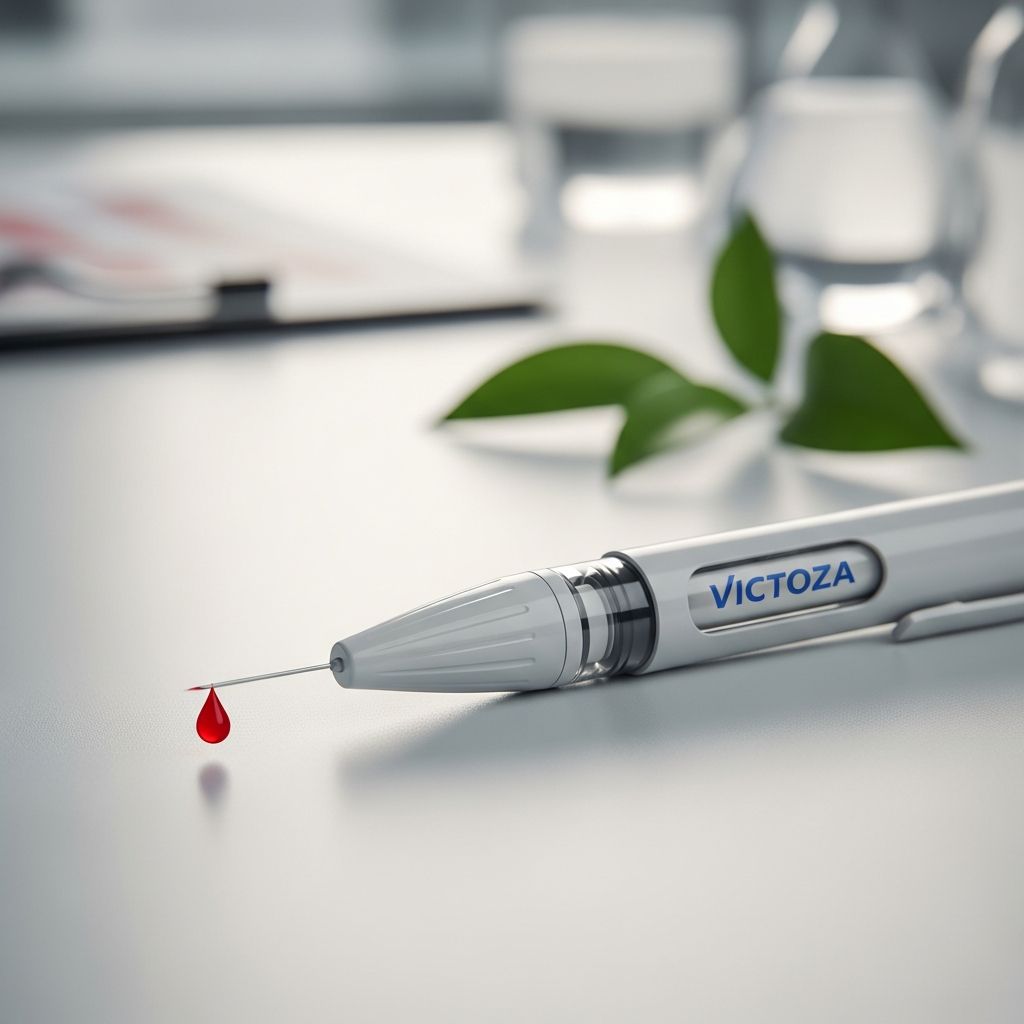
Liraglutide, marketed as
Victoza
, is a once-daily injectable medication approved for treating type 2 diabetes in adults and children aged 10 years and older. It belongs to the class of glucagon-like peptide-1 (GLP-1) receptor agonists, which mimic natural incretin hormones to improve blood glucose control alongside diet and exercise.About liraglutide
**Liraglutide** is an
incretin mimetic
that acts like hormones produced in the gut, stimulating insulin release from the pancreas when blood sugar levels rise after meals. This helps lower blood glucose without causing excessive insulin production at low sugar levels, reducing hypoglycemia risk. Unlike insulin, liraglutide is not insulin but enhances the body’s insulin response and slows gastric emptying to prevent sharp post-meal sugar spikes.Victoza is indicated as monotherapy when metformin is unsuitable due to intolerance or contraindications, or in combination with other diabetes drugs like metformin, sulfonylureas, or insulin. It is also approved to reduce major cardiovascular events (e.g., heart attack, stroke) in adults with type 2 diabetes and established heart disease.
The U.S. FDA first approved liraglutide in 2010 for glycemic control in type 2 diabetes, expanding to pediatric use in 2020 for those aged 10+. Clinical trials involving over 4,000 patients demonstrated significant reductions in HbA1c (a measure of long-term blood sugar control), with monotherapy showing 0.8-1.1% drops versus 0.5% for glimepiride.
Before taking liraglutide
Allergy warning
Do not use Victoza if you have a history of serious hypersensitivity to liraglutide or its components, such as anaphylaxis or angioedema.
Other medicines, food, drink, and alcohol
Liraglutide can be combined with oral diabetes medications (e.g., metformin, sulfonylureas, thiazolidinediones) or long-acting insulin, but separate injections are required—never mix them. It may enhance effects of insulin secretagogues, increasing hypoglycemia risk; dose adjustments may be needed. Alcohol can affect blood sugar; moderate use is advised, but monitor closely as it may exacerbate gastrointestinal side effects.
No specific food interactions, but liraglutide slows gastric emptying, potentially impacting oral contraceptive absorption—use additional contraception for the first month.
Pregnancy and breastfeeding
Victoza is not recommended during pregnancy due to potential fetal harm observed in animal studies; switch to insulin if needed. It is unknown if liraglutide passes into breast milk—consult a doctor, as weighing benefits versus risks is essential.
Babies, children, and teenagers
Approved for children aged 10+ with type 2 diabetes insufficiently controlled by diet and exercise. Safety data in younger children is limited; use under specialist supervision. It may increase hypoglycemia risk in this group even without other glucose-lowering drugs.
How and when to take liraglutide
Dosage
Start with
0.6 mg once daily
for one week to minimize gastrointestinal side effects, then increase to1.2 mg daily
. If needed for better control, escalate to1.8 mg daily
after at least one week. Maximum dose is 1.8 mg/day for diabetes management. Use the same time daily, with or without food.| Week | Dose |
|---|---|
| 1 | 0.6 mg once daily |
| 2+ | 1.2 mg once daily |
| If needed, after week 2 | 1.8 mg once daily |
Administering the injection
Inject subcutaneously (under the skin) in the abdomen, thigh, or upper arm using the pre-filled Victoza pen. Rotate sites daily to avoid irritation. Clean the area with alcohol swab; pinch skin and insert needle at 90 degrees. Press button fully until dose counter shows 0, hold for 6 seconds. Discard pen after 30 days or 100 doses, even if liquid remains.
Related Stories



- Do not share pens—risk of infection.
- Check solution: Clear, colorless; discard if cloudy/particles present.
- Missed dose: Skip if less than 12 hours to next dose; do not double up.
If you take too much (overdose)
Symptoms include severe nausea, vomiting, and low blood sugar. Seek immediate medical help; treatment is supportive with monitoring of vital signs and blood glucose.
Side effects and risks
Common side effects (>1/10) include
nausea
(most frequent, often improves over time), diarrhea, vomiting, dyspepsia, and headache. Injection site reactions occur in ~1/100.Serious risks:
- Thyroid C-cell tumors: Contraindicated in personal/family history of medullary thyroid carcinoma (MTC) or Multiple Endocrine Neoplasia syndrome type 2 (MEN 2); rodent studies showed risk.
- Pancreatitis: Acute abdominal pain may signal; discontinue if suspected.
- Gallbladder disease: Increased risk of cholelithiasis.
- Hypoglycemia: More common with insulin/sulfonylureas; symptoms include shakiness, sweating.
- Kidney issues: Dehydration from GI effects may worsen function.
- Heart rate increase: Monitor in cardiovascular disease patients.
Report suspected side effects via national reporting systems. In trials, ~7-10% discontinued due to GI effects.
Handling missed doses or stopping treatment
For missed doses <12 hours late, take as soon as possible; otherwise skip. Stopping suddenly may worsen blood sugar control—consult your doctor for gradual taper if needed. Regular HbA1c monitoring is required.
Further information
Store pens in refrigerator (2-8°C) unopened; do not freeze. Once in use, store at room temperature (<30°C) for up to 30 days. Keep away from light/heat. Patient support programs and full prescribing info available from manufacturer.
Frequently Asked Questions (FAQs)
Q: Is Victoza insulin?
A: No, Victoza is a GLP-1 agonist that stimulates insulin production when blood sugar is high, unlike insulin which directly lowers glucose.
Q: Can children use Victoza?
A: Yes, for type 2 diabetes in children 10+ as adjunct to diet/exercise, but under medical supervision due to higher hypoglycemia risk.
Q: Does Victoza cause weight loss?
A: Yes, clinical studies showed average losses of 4.6-6.2 lbs over 6-12 months, aiding overweight patients, though not FDA-approved solely for weight loss.
Q: How does Victoza compare to Ozempic?
A: Both GLP-1 agonists; Victoza is daily, Ozempic weekly. Ozempic may lower A1c more in some studies, but discuss with prescriber.
Q: What if I experience nausea?
A: Common initially; start low dose, eat smaller meals, avoid fatty foods. It often resolves; contact doctor if persistent/severe.
References
- Victoza | European Medicines Agency (EMA) — EMA. 2023-05-15. https://www.ema.europa.eu/en/medicines/human/EPAR/victoza
- How Victoza® Works | Victoza® (liraglutide) injection — Novo Nordisk. 2025-01-01. https://www.victoza.com/about-victoza-/how-victoza–works.html
- Victoza (Liraglutide): Uses, Side Effects, Alternatives & More — GoodRx. 2025-06-20. https://www.goodrx.com/victoza/what-is
- Liraglutide (subcutaneous route) – Mayo Clinic — Mayo Clinic. 2025-03-10. https://www.mayoclinic.org/drugs-supplements/liraglutide-subcutaneous-route/description/drg-20073828
- FDA Approves First Generic of Once-Daily GLP-1 Injection — U.S. Food and Drug Administration. 2024-08-05. https://www.fda.gov/news-events/press-announcements/fda-approves-first-generic-once-daily-glp-1-injection-lower-blood-sugar-patients-type-2-diabetes
- Liraglutide – StatPearls – NCBI Bookshelf — NCBI. 2024-11-12. https://www.ncbi.nlm.nih.gov/books/NBK608007/
Similar Articles








Read full bio of Sneha Tete