Liraglutide for Weight Management: Complete Clinical Guide
Understand how this GLP-1 receptor agonist supports sustainable weight loss when combined with lifestyle modifications.
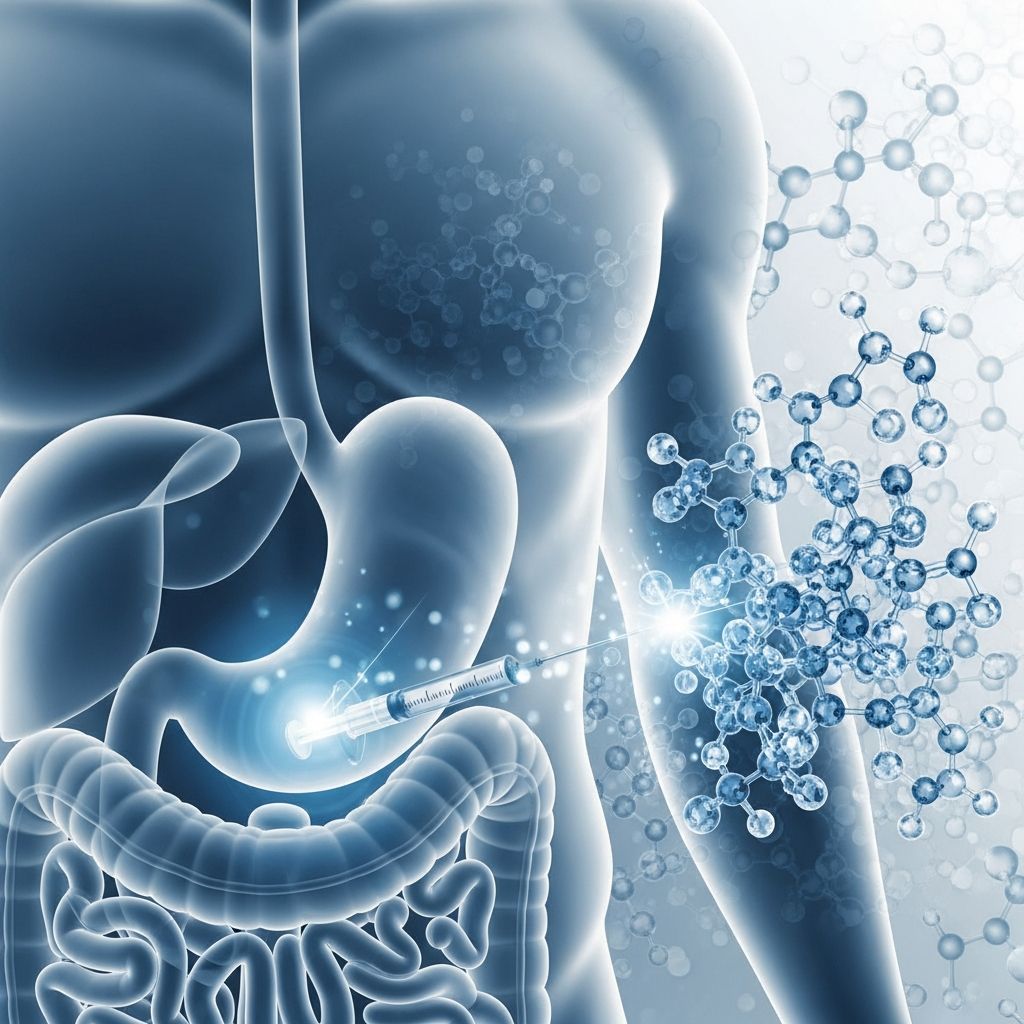
Introduction to Liraglutide as a Weight-Loss Therapy
Liraglutide is an injectable medication designed to support weight loss in adults and adolescents who struggle with obesity or excess weight. Administered once daily via subcutaneous injection, this pharmaceutical intervention works by mimicking a natural hormone that influences appetite and food intake. The medication has demonstrated clinical effectiveness in reducing body weight and maintaining long-term weight loss when used alongside dietary modifications and increased physical activity.
This therapeutic approach represents a significant advancement in pharmacological weight management, particularly for individuals who have not achieved sustained results through lifestyle interventions alone. Unlike temporary dietary approaches, liraglutide addresses the physiological mechanisms that regulate hunger and satiety, offering a more targeted intervention for chronic weight management.
How Liraglutide Functions in the Body
Liraglutide belongs to a class of medications known as GLP-1 receptor agonists. GLP-1 (glucagon-like peptide-1) is an endogenous hormone naturally produced by the body that plays a crucial role in metabolic regulation. By attaching to GLP-1 receptors in brain cells, liraglutide mimics this natural hormone and triggers multiple physiological responses that collectively support weight reduction.
Primary Mechanisms of Action
- Appetite suppression: The medication directly targets brain regions responsible for hunger signals, creating a prolonged sensation of fullness and reducing the desire to consume food.
- Gastric emptying regulation: Liraglutide slows the rate at which food moves from the stomach into the small intestine, extending the period of satiety between meals.
- Pancreatic function support: The medication stimulates insulin secretion after food consumption, promoting better glucose metabolism and metabolic stability.
- Hepatic glucose modulation: Liraglutide reduces excessive sugar production in the liver, contributing to improved metabolic control.
These interconnected mechanisms work synergistically to reduce overall caloric intake without requiring the individual to consciously restrict food portions. By addressing the biological underpinnings of appetite regulation, the medication provides a foundation upon which behavioral and dietary modifications can be more successfully implemented.
Clinical Evidence and Efficacy Data
Multiple large-scale clinical trials have evaluated liraglutide’s effectiveness in facilitating weight loss. Across five major studies involving more than 5,800 participants with obesity or overweight status, the medication demonstrated consistent and measurable results. These trials, which extended up to 56 weeks, compared liraglutide treatment against placebo in participants who also received counseling on nutrition and physical activity.
Key Efficacy Findings
| Patient Population | Average Weight Loss | Percentage Achieving 10%+ Loss |
|---|---|---|
| Adults without Type 2 diabetes | 8% of body weight | Approximately 33% |
| Adults with Type 2 diabetes | 5-6% of body weight | Approximately 25% |
| Adolescents (ages 12-17) | 3% of body weight | Variable |
When examining the pooled results across all five studies, liraglutide at the maximum recommended dose produced an average 7.5% reduction in body weight compared to a 2.3% reduction in the placebo group. Notably, participants receiving liraglutide experienced continuous weight loss during the first 40 weeks of treatment, after which the achieved weight loss was generally maintained throughout the remainder of the study period.
An important threshold in weight loss research is the 5% reduction in body mass index. Approximately 43% of liraglutide-treated patients achieved at least a 5% BMI reduction, compared to only 19% of those receiving placebo. In absolute terms, patients using liraglutide lost approximately 2 kilograms of weight on average, while placebo recipients gained approximately 2 kilograms, demonstrating the medication’s clear advantage.
Related Stories



Timeline of Weight Loss
Individuals beginning liraglutide therapy often observe initial weight loss within the first few weeks of treatment. However, more pronounced and noticeable results typically emerge over several weeks to a few months. The weight loss process tends to be gradual rather than rapid, with continuous improvement observed when the medication is combined with a reduced-calorie diet and regular physical activity. This gradual approach may actually benefit long-term outcomes, as slower weight loss is often associated with greater dietary habit adaptation and improved weight maintenance.
Determining Eligibility for Liraglutide Treatment
Liraglutide is appropriate for specific patient populations and is not a universal solution for all individuals seeking weight loss. Healthcare providers use established criteria to determine candidacy for this medication.
Adult Eligibility Criteria
Adults qualify for liraglutide therapy based on their body mass index and medical history:
- Initial BMI of 30 kg/m² or greater (classified as obese), OR
- Initial BMI of 27 kg/m² to less than 30 kg/m² (classified as overweight) with at least one weight-related comorbid condition such as prediabetes, Type 2 diabetes mellitus, hypertension, dyslipidemia, or obstructive sleep apnea
Adolescent Eligibility
Young people aged 12-17 years may be considered for liraglutide if they meet specific criteria: a body weight exceeding 132 pounds (60 kilograms) and a clinical diagnosis of obesity. The extension of treatment eligibility to adolescents reflects recognition of the serious health consequences of childhood obesity and the potential for early intervention to prevent lifelong metabolic complications.
Contraindications and Medical Considerations
Certain medical conditions and circumstances preclude safe use of liraglutide. Individuals with a personal or family history of medullary thyroid carcinoma or those with multiple endocrine neoplasia type 2 should not use this medication. Additionally, individuals with diabetic retinopathy or severe renal impairment require careful evaluation before initiating therapy. Healthcare providers must conduct thorough medical assessments before prescribing liraglutide to ensure safety and appropriateness.
Administration Schedule and Dosing Protocol
Liraglutide is administered as a subcutaneous injection (beneath the skin) once daily. The medication utilizes a gradual dose-escalation approach designed to minimize gastrointestinal side effects and allow the body to adapt to the therapy.
Typical Dose Escalation
Treatment typically begins at a lower dose and increases incrementally over several weeks until reaching the target maintenance dose. This gradual titration approach serves multiple purposes: it reduces the severity of nausea and gastrointestinal upset, allows individuals to assess their tolerance to the medication, and provides time for appetite suppression effects to develop naturally. The specific dosing schedule should be individualized by a healthcare provider based on patient response and tolerability.
Patients receive instruction on proper injection technique, including site rotation and sterile handling procedures. Most individuals find the injection process manageable after initial training, as the needles used are small and the injection causes minimal discomfort.
Common Side Effects and Safety Profile
Like all medications, liraglutide may produce unwanted effects in some individuals. Understanding the potential side effects enables patients to distinguish expected responses from concerning symptoms and make informed decisions about continuing therapy.
Frequently Experienced Adverse Effects
- Nausea: Often the most common side effect, particularly during initial treatment or dose increases
- Vomiting: May occur in some individuals, typically related to dose escalation
- Diarrhea: Gastrointestinal effects related to slowed gastric emptying
- Constipation: Can alternate with diarrhea in some patients
- Abdominal discomfort: General stomach upset or cramping sensations
- Headache: Reported by some individuals during treatment
- Fatigue: Mild tiredness occasionally reported during dose escalation
Most side effects tend to be mild to moderate in severity and often diminish as the body adapts to the medication. The gradual dose-escalation strategy specifically aims to minimize these effects by allowing time for physiological adjustment. If side effects persist or become intolerable, healthcare providers can modify the dosing schedule or explore alternative approaches.
Important Safety Warnings
Certain serious adverse effects, though uncommon, require immediate medical attention. These include signs of pancreatitis (severe abdominal pain), thyroid concerns, or allergic reactions. Individuals with a history of gallbladder disease or those prone to kidney problems should inform their healthcare provider before starting liraglutide, as the medication may affect these conditions.
Integration with Lifestyle Modifications
Liraglutide is explicitly described as an adjunct therapy, meaning it works optimally when combined with other interventions rather than as a standalone treatment. The medication’s effectiveness significantly improves when paired with comprehensive lifestyle modifications.
Dietary Approach
A reduced-calorie diet represents the foundational component of any liraglutide-based weight loss program. While the medication reduces hunger and food cravings, conscious dietary choices remain essential. A registered dietitian can help develop an individualized nutrition plan that creates a moderate caloric deficit—typically 500 to 750 calories below daily requirements—without eliminating entire food groups or requiring extreme restrictions. The appetite-suppressing effects of liraglutide may actually make adherence to caloric restriction more manageable than during unsupported dietary efforts.
Physical Activity Requirements
Regular physical activity complements the metabolic effects of liraglutide and enhances weight loss outcomes. The combination of aerobic exercise and resistance training provides optimal benefits, though individuals should begin at their current fitness level and progress gradually. Even moderate activity—such as 150 minutes weekly of moderate-intensity exercise—contributes meaningfully to weight loss and helps preserve lean muscle mass during weight reduction.
Behavioral and Psychological Support
The clinical trials supporting liraglutide’s efficacy included counseling on diet and physical activity, highlighting the importance of behavioral support. Many successful weight loss programs incorporate regular check-ins with healthcare providers, counseling from mental health professionals, and participation in support groups. These elements address the psychological and behavioral aspects of eating and weight management that medication alone cannot address.
Long-Term Considerations and Weight Maintenance
An important characteristic of liraglutide is that its weight-loss benefits persist only while the medication is actively used. If treatment is discontinued, individuals may gradually regain some or all of the weight that was lost. This reality underscores the importance of using liraglutide not as a temporary intervention but as part of a long-term weight management strategy.
For individuals considering liraglutide, a critical question involves commitment to sustained use. Healthcare providers should discuss realistic treatment duration with patients, helping them understand that successful long-term weight management may require ongoing medication use combined with permanently modified eating and activity patterns. Some individuals may benefit from using liraglutide as a catalyst for establishing new habits, with the goal of eventually maintaining weight loss through lifestyle factors alone. Others may find that continued medication use, combined with modified habits, represents their most sustainable approach.
Comparison with Alternative Weight-Loss Approaches
Liraglutide represents one option within a spectrum of weight-management interventions. Comparable medications exist, including semaglutide (available in injectable and oral formulations) and orlistat. When evaluated against other pharmacological options, liraglutide has demonstrated superior effectiveness at facilitating meaningful weight loss, particularly in achieving the clinically significant threshold of 5% or greater weight reduction.
The choice between different weight-loss medications should be individualized based on patient preference, contraindications, insurance coverage, and response to initial therapy. Some individuals may achieve better results with alternative medications or may prefer oral formulations over injections.
Frequently Asked Questions
Is liraglutide available in pill form?
No. The active ingredient liraglutide is available exclusively as an injection. A related medication, semaglutide, offers both injectable and oral tablet options for individuals who prefer alternatives to injections.
How quickly does weight loss become apparent?
Initial weight loss often becomes noticeable within the first few weeks, though more significant results typically emerge over several weeks to months. The weight loss process is generally gradual and improves with continued medication use combined with dietary and exercise modifications.
What happens if I stop taking liraglutide?
Discontinuing liraglutide may result in gradual weight regain. To maintain weight loss long-term, the medication should be part of a sustained weight management program that includes permanent lifestyle changes.
Can liraglutide be used in adolescents?
Yes. Adolescents ages 12-17 meeting specific weight and BMI criteria may use liraglutide under medical supervision. The inclusion of young people in treatment options reflects recognition of adolescent obesity as a serious health concern warranting intervention.
Does diet and exercise still matter if I’m using liraglutide?
Absolutely. Liraglutide is specifically labeled as an adjunct therapy and works optimally when combined with reduced-calorie diet and regular physical activity. These lifestyle modifications remain fundamental to successful outcomes.
Conclusion
Liraglutide represents a clinically supported pharmacological tool for weight management in individuals meeting specific eligibility criteria. By addressing the physiological mechanisms regulating appetite and satiety, the medication facilitates weight loss when incorporated into comprehensive programs that include dietary modification, physical activity, and behavioral support. While not appropriate for all individuals, liraglutide offers meaningful benefit to those for whom lifestyle modifications alone have proven insufficient. Long-term success requires understanding that the medication is most effective as part of a sustained commitment to weight management rather than a temporary intervention. Healthcare providers can help individuals determine whether liraglutide aligns with their health goals and personal circumstances.
References
- Saxenda for Weight Loss: How It Works, Side Effects, and More — GoodRx. 2023. https://www.goodrx.com/saxenda/what-do-you-need-to-know-about-saxenda-for-weight-loss
- Saxenda — European Medicines Agency (EMA). https://www.ema.europa.eu/en/medicines/human/EPAR/saxenda
- SAXENDA (liraglutide) Prescribing Information — U.S. Food and Drug Administration. 2023. https://www.accessdata.fda.gov/drugsatfda_docs/label/2023/206321s016lbl.pdf
- Saxenda® (liraglutide) Injection 3mg — Official Saxenda Website. https://www.saxenda.com
- Clinical Review – Liraglutide (Saxenda) — National Center for Biotechnology Information (NCBI). https://www.ncbi.nlm.nih.gov/books/NBK594336/
Similar Articles








Read full bio of Sneha Tete