Listening to Your Skin: Eczema’s Emotional Signals
Discover how eczema communicates through flares, itch, and stress, and learn strategies to decode and calm its messages for better skin and mental health.
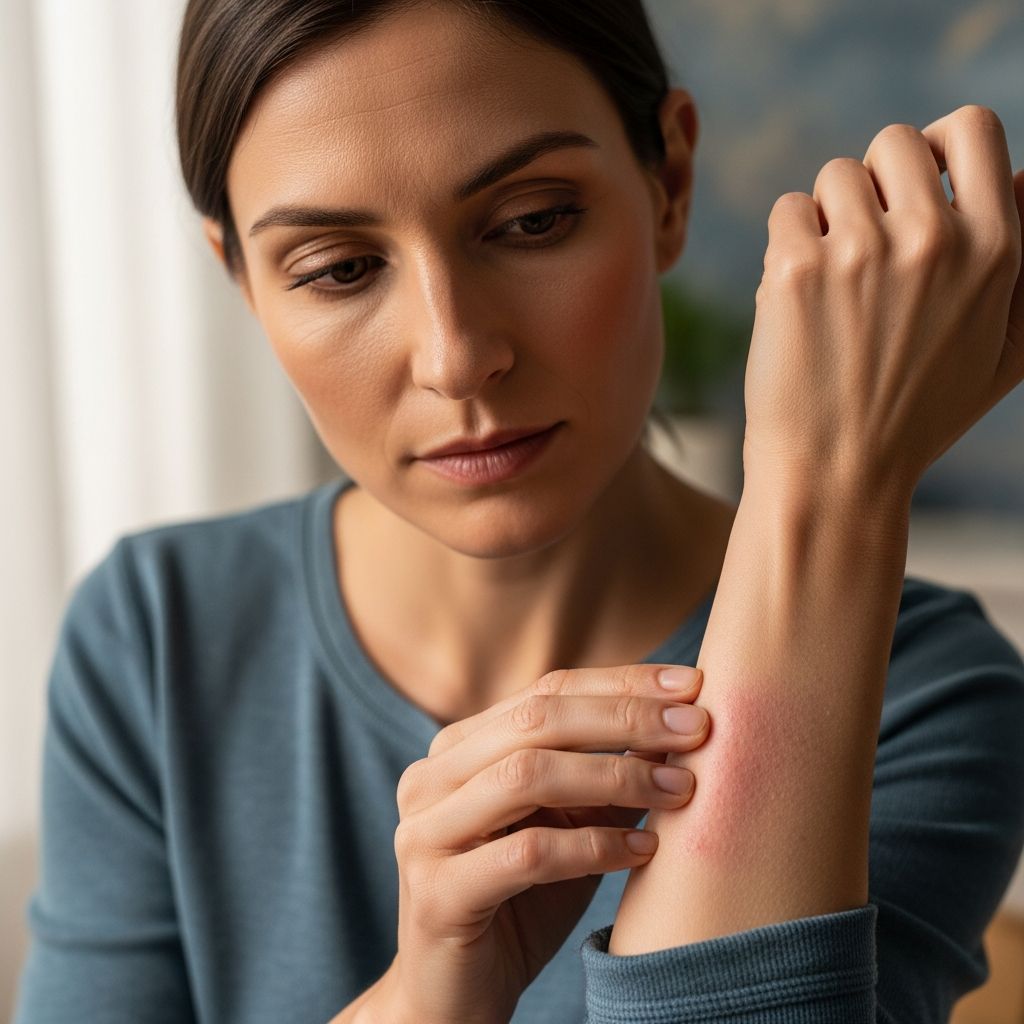
Eczema, a chronic inflammatory skin condition, often acts as a barometer for emotional states, with symptoms intensifying during periods of stress or distress. Recognizing these signals allows individuals to address underlying triggers, potentially reducing flare-ups and enhancing overall well-being.
The Invisible Dialogue Between Skin and Mind
The skin and brain maintain a constant conversation through the nervous system and inflammatory pathways. In eczema, known clinically as atopic dermatitis, this dialogue can become strained, where psychological stress amplifies physical symptoms like intense itching and redness. Research indicates that adults with atopic dermatitis face up to a threefold increased risk of anxiety or depression, a risk that escalates with symptom severity. Children and adolescents are similarly affected, showing higher rates of depression, anxiety, and even attention deficit/hyperactivity disorder.
This bidirectional link means emotional turmoil can provoke skin flares, while persistent itching perpetuates stress. For instance, experiments demonstrate that stressed individuals heal skin barrier damage more slowly than their relaxed counterparts, creating a vicious cycle. Breaking this requires tuning into the skin’s ‘language’—discerning when dryness signals fatigue or inflammation hints at unresolved anxiety.
Decoding Common Skin Messages
Eczema communicates through distinct patterns. Persistent dryness might indicate environmental irritants compounded by low mood, while sudden redness on visible areas like the face or hands often correlates with social anxiety. Intense nocturnal itching, disrupting sleep, frequently ties to daytime worries, as chronic sleeplessness heightens emotional vulnerability.
- Dry, tight skin: Often whispers of dehydration or overlooked moisturizing routines, but paired with fatigue, it may signal burnout.
- Red, inflamed patches: These shout during high-stress periods, exacerbated by cortisol-driven inflammation.
- Unrelenting itch: A scream for attention, linked to anxiety; scratching provides temporary relief but worsens the cycle.
- Scalp or intimate area flares: Subtle cues of intimate emotional stress, challenging due to their private nature.
Tracking these patterns in a journal—noting flare timing alongside mood, diet, and events—reveals personal triggers. Over time, this practice fosters intuition, turning reactive management into proactive care.
Psychological Ripples of Persistent Flares
Beyond physical discomfort, eczema’s emotional undercurrents erode self-esteem and social bonds. Visible flares provoke self-consciousness, leading many to avoid gatherings or conceal skin with clothing, even in heat. This isolation fuels loneliness, with studies showing profound psychosocial effects comparable to those of diabetes or asthma on families.
For adolescents, the stakes heighten: peer scrutiny can breed insecurities, stress-induced flares, and a negative feedback loop. Adults report similar struggles, with over one-third of dermatology patients grappling with psychological concerns like body image distress and social withdrawal. Parents of affected children often experience parallel strain, amplifying household tension.
| Age Group | Common Emotional Challenges | Potential Long-term Effects |
|---|---|---|
| Children | Bullying, low self-worth | ADHD-like symptoms, social withdrawal |
| Adolescents | Peer rejection, body image issues | Anxiety cycles, reduced activity participation |
| Adults | Workplace stigma, relationship strain | Depression risk (3x higher), suicidal ideation (up to 44% more likely) |
Sleep: The Silent Amplifier
Itch-driven sleeplessness compounds eczema’s toll, impairing concentration, mood regulation, and immune function. Chronic sleep loss correlates with heightened suicidal ideation in severe cases, underscoring the urgency of intervention. Tiredness saps energy for daily tasks, fostering irritability and deepening the stress-skin loop.
Practical countermeasures include bedtime routines: cool baths, hypoallergenic bedding, and mindfulness to curb scratching. Cognitive behavioral techniques for insomnia, adapted for eczema, prove effective in restoring rest.
Related Stories



External Perceptions and Internal Shame
Misconceptions—viewing eczema as contagious or hygiene-related—intensify shame. Judgments from others evoke powerlessness, especially during flares, with children internalizing rejection fears. This stigma burdens mental health, prompting avoidance behaviors that limit life quality.
Countering requires education: sharing facts with peers dispels myths. Therapeutic education workshops offer solidarity, reducing isolation through shared stories.
Responding to Your Skin’s Call
Once signals are decoded, responses blend medical and emotional strategies. Topical treatments soothe physically, but stress reduction targets roots.
- Mindfulness practices: Meditation lowers cortisol, easing flares; apps guide beginners.
- Physical activity: Gentle exercise releases endorphins, improving mood and barrier repair.
- Support networks: Talking halves suicide risk; confide in trusted circles or professionals.
- Professional input: Psychodermatology addresses skin-mind intersections, with therapies like CBT proven for itch-anxiety.
- Lifestyle tweaks: Balanced diet, hydration, and trigger avoidance (e.g., harsh soaps) support resilience.
For severe cases, biologics or phototherapy complement mental health care, as inflammation influences brain signaling.
Building Resilience: Long-Term Harmony
Cultivating skin literacy empowers sustained management. Families benefit from open dialogues, validating feelings to prevent escalation. Schools and workplaces foster inclusion via awareness campaigns.
Research affirms that proactive mental health integration enhances outcomes: reduced flares, better sleep, elevated mood. Viewing eczema as a teacher—highlighting stress needs—transforms burden into growth opportunity.
Frequently Asked Questions
Can stress alone cause an eczema flare?
Yes, stress triggers inflammatory responses that weaken the skin barrier, prompting flares. Managing it via relaxation techniques helps.
How does eczema impact children mentally?
It often leads to teasing, lowered self-esteem, and sleep issues, increasing anxiety risks. Supportive parenting mitigates this.
Is therapy recommended for eczema patients?
Absolutely, especially psychodermatology for intertwined symptoms. It breaks itch-scratch-stress cycles effectively.
What daily habits soothe eczema emotionally?
Journaling flares, consistent moisturizing, and short meditations promote calm and control.
Are suicidal thoughts common with eczema?
Patients face up to 44% higher ideation risk due to chronic itch and isolation; seek immediate help if present.
References
- Hidden Impacts: How Living with Eczema Affects Mental Health — ID Tidewater. 2023. https://www.idtidewater.com/blog/hidden-impacts-how-living-with-eczema-affects-mental-health
- The mind-body connection — National Eczema Society. 2023. https://eczema.org/blog/the-mind-body-connection/
- The psychological impact of atopic eczema is real — Pierre Fabre Eczema Foundation. 2023. https://www.pierrefabreeczemafoundation.org/en/be-acompanied/useful-advice/psychological-impact-atopic-eczema-real
- Eczema: The Physical and Psychological Challenges During Adolescence — DermCare Expert. 2023. https://dermcare.expert/eczema-the-physical-and-psychological-challenges-during-adolescence/
- Stress and Eczema | Eczema and Mental Health — National Eczema Association. 2025-02-10. https://nationaleczema.org/eczema-management/stress/
- Psychological effects of atopic dermatitis — DermNet NZ. 2023. https://dermnetnz.org/topics/psychological-effects-of-atopic-dermatitis
- Quality of Life and Psychological Impact in Patients with Atopic Dermatitis — PMC (NCBI). 2021-03-15. https://pmc.ncbi.nlm.nih.gov/articles/PMC8003909/
Similar Articles








Read full bio of Sneha Tete