Listeria Infection: Overview Of Symptoms, Risks & Prevention
Understand listeria infection symptoms, causes, risks, prevention, and treatment to protect yourself and vulnerable loved ones from this serious foodborne illness.
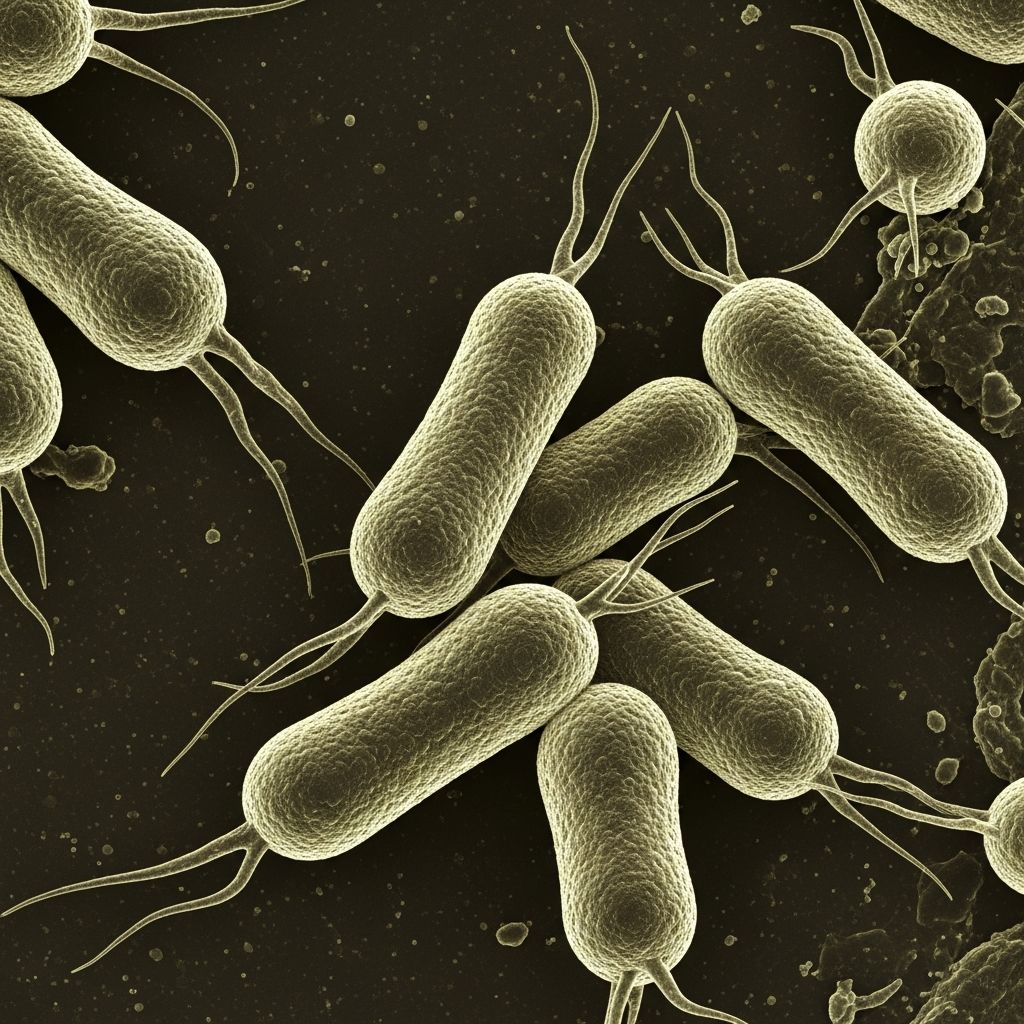
Listeria infection, known as listeriosis, is a serious foodborne illness caused by the bacterium Listeria monocytogenes. Unlike many foodborne pathogens, it can grow in refrigerated conditions and affects high-risk groups like pregnant individuals, newborns, older adults, and those with weakened immune systems most severely.
What Is Listeria Infection?
Listeriosis is an infection triggered by consuming food contaminated with Listeria monocytogenes, a hardy bacterium named after surgeon Joseph Lister. It thrives in cool, moist environments like refrigerators and can contaminate ready-to-eat foods. While rare, affecting about 1,600 Americans annually with around 260 deaths, its 20-30% fatality rate in vulnerable populations makes it one of the deadliest foodborne diseases.
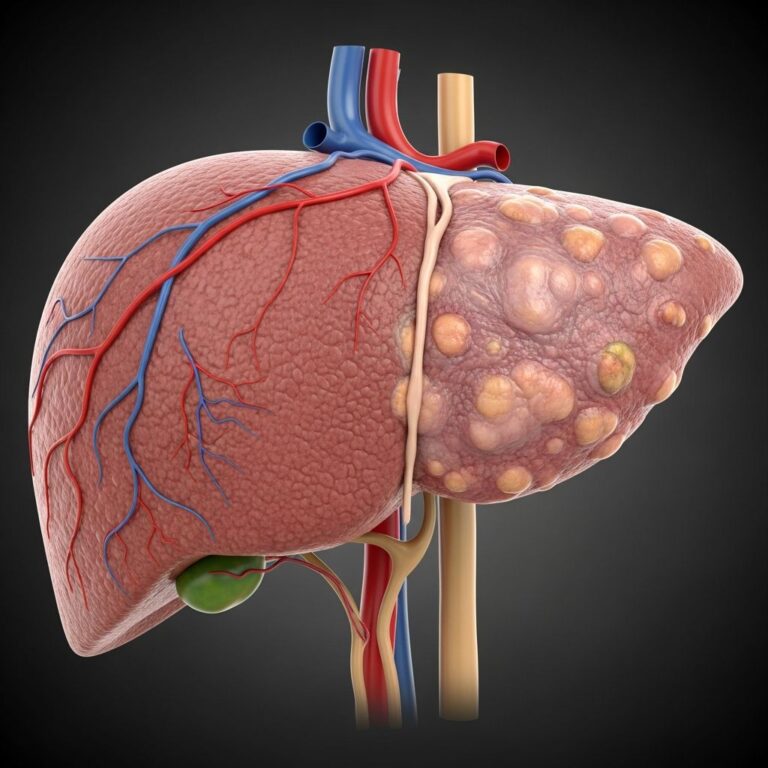
The bacterium enters through the intestines, multiplies in the liver, and in at-risk individuals, spreads to the bloodstream or nervous system, causing septicemia or meningitis. Its ability to survive inside immune cells like macrophages enhances its virulence.
Symptoms of Listeria Infection
Incubation can last from a few days to 70 days, complicating outbreak tracing. Initial symptoms resemble the flu and last 1-3 days:
- Fever
- Muscle aches
- Nausea
- Diarrhea
In invasive cases, especially in high-risk groups, severe symptoms emerge:
- Severe headache
- Neck stiffness
- Confusion
- Loss of balance
- Convulsions
Pregnant individuals often experience mild, flu-like symptoms, but risks to the fetus include miscarriage, stillbirth, premature delivery, or newborn infection. Elderly patients and those with weakened immunity may develop meningitis or septicemia.
Causes and Risk Factors
L. monocytogenes contaminates foods during production, processing, or handling. Common sources include unpasteurized dairy, deli meats, soft cheeses, and contaminated produce. A 2021 CDC outbreak linked to El Abuelito queso fresco sickened 13 people across four states, hospitalizing 12, with one death; illnesses spanned October 2020 to March 2021. Whole genome sequencing (WGS) via PulseNet confirmed the cheese link, with bacteria from patient samples matching those in product tests.
High-risk groups include:
- Pregnant people: 10-17 times higher risk; every 10th pregnant woman in some regions carries the bacteria.
- Newborns: Can acquire infection in utero, leading to severe outcomes.
- Adults over 65: Increased susceptibility due to age-related immunity decline.
- Immunocompromised: Cancer patients (191 cases per 100,000 in hematological malignancies), transplant recipients, those on immunosuppressants, chemotherapy, or with conditions like AIDS, diabetes, kidney disease.
Hospital outbreaks from ready-to-eat foods like sausages highlight risks in healthcare settings. Animals can carry it asymptomatically, spreading via feces.
Diagnosis of Listeria Infection
Symptoms mimic other illnesses, so lab tests are essential. Doctors collect blood, cerebrospinal fluid, or placental/meconium samples for culture and PCR testing to detect Listeria. WGS identifies outbreak strains by genetic fingerprinting. Early diagnosis is critical for high-risk patients to prevent complications.
Treatment for Listeria Infection
Healthy adults often recover without treatment as the immune system clears mild cases. Severe infections require hospitalization and intravenous antibiotics like ampicillin or gentamicin, often combined for synergy. Pregnant women receive treatment to protect the fetus; prompt intervention reduces newborn infection risk. Supportive care manages symptoms like fever and dehydration.
Prevention of Listeria Infection
Preventing listeriosis focuses on safe food handling, as the bacterium resists cold but is killed by thorough cooking (165°F/74°C) and pasteurization. Key tips:
- Avoid high-risk foods: Unpasteurized milk/cheeses (e.g., queso fresco, feta, brie), raw sprouts, deli meats unless reheated to steaming.
- Clean thoroughly: Wash produce, utensils, surfaces; separate raw meats.
- Refrigerate promptly: Keep below 40°F (4°C); clean fridge regularly.
- High-risk precautions: Pregnant people, elderly, immunocompromised should skip risky foods entirely.
Related Stories



During outbreaks, discard recalled products and monitor for symptoms up to 70 days post-exposure. Public health surveillance like PulseNet enables rapid response.
Recent Listeria Outbreaks
Outbreaks underscore ongoing risks. The 2021 soft cheese outbreak (13 cases, 1 death) involved Hispanic-style cheeses; patients aged <1 to 75 (median 52), mostly Hispanic females. Products past shelf life, but long incubation warranted monitoring. Such events highlight deli meats, soft cheeses, and produce as vectors, with WGS pivotal for traceability.
Global trends show rising at-risk populations due to aging demographics and immunosuppressive therapies. Hospital settings report clusters from contaminated ready-to-eat items.
Frequently Asked Questions (FAQs)
What are the first signs of listeria infection?
Early signs include fever, muscle aches, nausea, and diarrhea, lasting 1-3 days. Seek medical help if symptoms worsen or you’re high-risk.
Who is most at risk for listeriosis?
Pregnant people, newborns, adults over 65, and immunocompromised individuals (e.g., cancer patients, transplant recipients) face the highest risks and severe outcomes.
How long after eating contaminated food do listeria symptoms appear?
Incubation ranges from days to 70 days, averaging 3 weeks, which delays outbreak detection.
Can listeria survive in the refrigerator?
Yes, L. monocytogenes grows at refrigeration temperatures, unlike most bacteria.
Is listeria infection treatable?
Yes, antibiotics like ampicillin treat severe cases effectively if started early, especially in vulnerable groups.
How can pregnant women prevent listeria?
Avoid unpasteurized dairy, deli meats (unless reheated), soft cheeses, and raw foods; practice strict hygiene.
Listeria in Vulnerable Populations
Listeria disproportionately impacts specific groups. Pregnant women have a 17-fold higher risk in the U.S., with potential for fetal loss. Cancer patients, particularly those with hematological malignancies, see 1000-fold increased rates. Immunosuppressive combinations (e.g., steroids + proton pump inhibitors) heighten hospital risks. Aging populations and biologics expand susceptibility.
| Group | Risk Multiplier | Common Outcomes |
|---|---|---|
| Pregnant Women | 10-17x | Miscarriage, stillbirth, newborn infection |
| Newborns | High | Meningitis, septicemia |
| Elderly (>65) | Increased | Severe infection, high fatality |
| Cancer Patients | Up to 1000x | 191/100k in blood cancers |
Food Safety Guidelines Table
| Action | Why It Helps |
|---|---|
| Reheat deli meats | Kills Listeria (to 165°F) |
| Avoid unpasteurized dairy | Bacteria doesn’t survive pasteurization |
| Wash fruits/veggies | Removes surface contamination |
| Clean fridge weekly | Prevents growth in spills |
Listeriosis remains a public health concern due to its severity in at-risk groups and food contamination persistence. Vigilant food practices and surveillance mitigate risks effectively.
References
- CDC declares deadly Listeria outbreak over; soft cheese to blame — Food Safety News. 2021-05-14. https://www.foodsafetynews.com/2021/05/cdc-declares-deadly-listeria-outbreak-over-with-one-death-recorded/
- Listeria (listeriosis): Symptoms, causes and treatments — Medical News Today. Accessed 2026. https://www.medicalnewstoday.com/articles/180370
- Listeria monocytogenes in organic and conventional farming — PMC (NCBI). 2023. https://pmc.ncbi.nlm.nih.gov/articles/PMC12421640/
Similar Articles








Read full bio of medha deb