Listeria Infection During Pregnancy: Risks and Prevention
Understand listeria risks during pregnancy and protect your baby
Pregnancy brings significant changes to a woman’s body, including alterations to the immune system that can increase susceptibility to certain infections. One infection that deserves particular attention during this critical period is listeriosis, caused by the bacterium Listeria monocytogenes. While this infection remains relatively uncommon, its potential consequences for both mother and baby make it an important health consideration for pregnant women and their healthcare providers.
Why Pregnancy Increases Listeria Risk
The relationship between pregnancy and listeria susceptibility is well-documented in medical literature. Pregnant women face substantially higher infection rates compared to the general population, with listeriosis occurring in approximately 12 per 100,000 pregnancies, compared to just 0.7 per 100,000 in the general population. This 17-fold increased risk stems from natural immune system changes that occur during pregnancy.
The human body adjusts its immune response during pregnancy to prevent rejection of the developing fetus, which contains genetic material from the father. This necessary adaptation, while protecting the pregnancy, simultaneously reduces the body’s ability to fight certain types of infections. Cell-mediated immunity—the immune system’s response to intracellular pathogens—becomes suppressed, making pregnant women particularly vulnerable to Listeria, which is an intracellular organism that hides within host cells.
The risk of infection escalates as pregnancy progresses, with the third trimester representing the period of greatest vulnerability. During this final stage, immune suppression reaches its peak, leaving expectant mothers most susceptible to acquiring listeriosis when encountering contaminated food sources.
Recognizing Symptoms: What Pregnant Women Should Know
One of the most challenging aspects of listeria infection during pregnancy is that infected mothers often experience only mild symptoms that resemble common illnesses. This deceptive mildness can delay diagnosis and treatment, allowing potential complications to develop.
Symptoms of listeriosis in pregnant women typically appear between 2 and 30 days after exposure to contaminated food. However, in some cases, symptoms may not emerge for as long as 2 months following consumption of contaminated products. This extended incubation period means that pregnant women might not immediately connect their illness to a specific meal.
The clinical presentation commonly includes:
- Mild flu-like symptoms, including fatigue and general malaise
- Headaches and muscle aches
- Fever or elevated body temperature
- Nausea and vomiting
- Gastrointestinal discomfort or stomach pain
- In severe cases, neurological symptoms such as stiff neck, confusion, disorientation, or loss of balance
The critical distinction with listeria is that mothers may feel only mildly unwell—or in some cases, not sick at all—while the infection poses serious risks to the developing fetus. This disconnect between maternal symptoms and fetal danger underscores why any flu-like illness during pregnancy warrants medical evaluation and testing.
Additionally, some pregnant women may experience decreased fetal movement, which can serve as an important warning sign to seek immediate medical attention.
Related Stories



Understanding Potential Complications for Baby and Pregnancy
The contrast between mild maternal illness and severe fetal consequences represents the most frightening aspect of listeriosis during pregnancy. While the mother’s body may mount only a limited inflammatory response, the infection can cross the placental barrier and profoundly affect the developing baby.
The potential consequences for pregnancy and the newborn include:
- Miscarriage during any trimester of pregnancy
- Stillbirth or intrauterine fetal death
- Premature delivery before full-term development
- Low birth weight at delivery
- Transmission of active infection to the newborn at birth or during labor
- Neonatal meningitis (inflammation of the brain and spinal cord membranes)
- Neonatal sepsis (severe systemic infection)
- Lifelong health complications including neurological damage
- Newborn death
Statistics underscore the severity of these outcomes. Approximately 22% of perinatal listeriosis cases result in stillbirth or neonatal death. Additionally, the CDC reports that 1 in 4 pregnant women who contract listeria experience serious pregnancy complications. These numbers highlight why prevention and early detection remain paramount.
Newborns who survive infection but were exposed in utero or during delivery may develop listeriosis in the days following birth. Clinical signs in affected newborns can be subtle, including little interest in feeding, irritability, fever or abnormally low body temperature, vomiting, breathing difficulties, lethargy, and reduced birth weight.
Dietary Sources and Transmission Routes
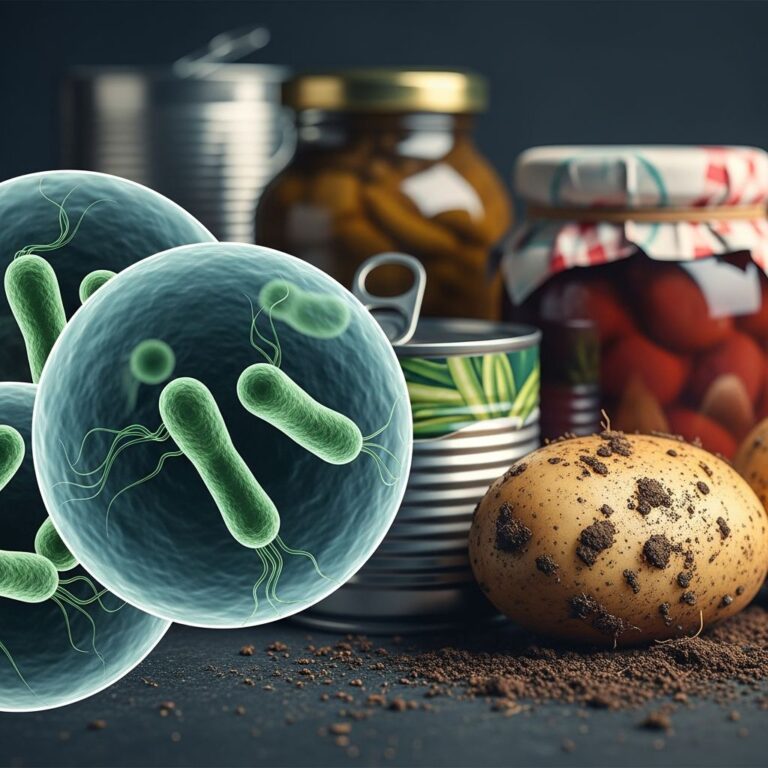
Listeria monocytogenes survives in food in ways that many other pathogenic bacteria do not. Unlike most food-borne pathogens that are eliminated by refrigeration, Listeria can multiply at cold temperatures, making it a unique threat in household refrigerators. This characteristic makes certain foods particularly risky for pregnant women.
High-risk foods that pregnant women should avoid include:
| Food Category | Specific Examples | Why They’re Risky |
|---|---|---|
| Soft Cheeses | Feta, Brie, Camembert, blue-veined varieties, Mexican-style cheeses (queso fresco, queso blanco, panela) | Often made from unpasteurized milk; Listeria can grow during storage |
| Deli and Processed Meats | Deli turkey, ham, salami, hot dogs, lunch meats | Can be contaminated during processing; multiply during refrigeration |
| Unpasteurized Dairy | Raw milk, unpasteurized ice cream, unpasteurized yogurt | Direct source of Listeria; pasteurization kills the bacteria |
| Raw or Undercooked Foods | Sushi with raw fish, raw eggs, undercooked meat and poultry | Can harbor multiple food-borne pathogens including Listeria |
| Prepared Foods | Ready-to-eat salads, coleslaw, pâté, refrigerated smoked seafood | Risk of cross-contamination or contamination during preparation |
The bacteria lives naturally in soil and water, contaminating vegetables and other raw foods. It can also be transferred to prepared foods through improper handling or equipment that hasn’t been adequately sanitized.
Prevention Strategies: Taking Control of Your Health
While complete elimination of listeria exposure is impossible, pregnant women can substantially reduce their risk through careful food selection and preparation practices. The CDC and FDA have established comprehensive guidelines specifically designed to protect pregnant women and their developing babies.
Food Selection Guidelines
Cheese Consumption: Replace soft cheeses with hard cheeses, which are much less likely to harbor Listeria. When consuming any cheese, verify that it was made from pasteurized milk. When in doubt, check the label or avoid the product entirely.
Meat Safety: Avoid all deli meats and processed meats unless they have been recently heated until steaming hot. If purchasing pre-packaged deli meats, use them within 3-4 days and reheat thoroughly before consumption. Alternatively, cook fresh meats to appropriate internal temperatures and consume immediately.
Dairy Products: Select only pasteurized milk and milk products. Unpasteurized milk and products made from unpasteurized milk should be completely avoided. This includes some imported cheeses and artisanal dairy products.
Produce and Vegetables: Wash all raw vegetables and fruits thoroughly under running water before eating. Pre-packaged salads and cut produce carry higher contamination risks and should be avoided or consumed within one day of purchase if included in a pregnancy diet.
Seafood Safety: Avoid all raw and undercooked seafood, including sushi prepared with raw fish. Cooked sushi is safe. Smoked refrigerated seafood should also be avoided unless it is heated until steaming hot.
Food Handling Practices
Beyond food selection, proper handling prevents cross-contamination:
- Wash hands for at least 20 seconds before and after handling raw food, after using the bathroom, and after changing diapers or touching animals
- Clean all cutting boards, utensils, and food preparation surfaces thoroughly after contact with raw foods
- Keep raw and ready-to-eat foods separate to prevent cross-contamination
- Store leftovers properly and consume within 3-4 days
- When in doubt about food storage time or safety, discard the item
Cooking and pasteurization remain the only reliable methods to kill Listeria monocytogenes. Therefore, proper cooking temperatures for meat, poultry, and eggs are essential protective measures.
Diagnosis and Medical Treatment
When a pregnant woman experiences symptoms suggestive of listeriosis, prompt medical evaluation is essential. Healthcare providers should maintain a high index of suspicion for this infection in any pregnant woman presenting with fever and flu-like symptoms.
Diagnosis typically involves a blood test, specifically blood culture, which can confirm the presence of Listeria monocytogenes. Because the bacteria is intracellular and can be difficult to identify, healthcare providers may need to specifically request Listeria testing, as standard bacterial cultures might not detect it.
Once listeriosis is confirmed or strongly suspected based on clinical presentation and laboratory findings, antibiotic treatment should begin immediately. High-dose penicillin or ampicillin represents the treatment of choice for listeriosis during pregnancy. For patients with penicillin allergies, alternative antibiotics are available, though pregnant women should discuss these options with their healthcare provider to ensure safety for both mother and baby.
Early antibiotic treatment can significantly reduce the risk of fetal infection, miscarriage, and other severe complications. This underscores the importance of seeking medical care promptly when symptoms appear, even if they seem mild or resemble a common cold.
After delivery, healthcare providers may test the newborn for listeria infection or monitor the infant for symptoms. Infants with confirmed or suspected listeriosis require immediate antibiotic treatment to prevent serious complications.
Special Considerations and Risk Factors
While all pregnant women should take precautions against listeriosis, some women face particularly elevated risks. Those with underlying medical conditions that further compromise immune function—such as diabetes, HIV infection, a history of splenectomy, or use of immunosuppressive medications including corticosteroids—require extra vigilance.
Importantly, however, most cases of listeriosis during pregnancy occur in otherwise healthy women without pre-existing medical conditions. This means that all pregnant women, regardless of overall health status, should follow prevention guidelines and remain alert to symptoms.
Frequently Asked Questions
Can listeria harm my baby if I’m only mildly sick?
Yes. This is the critical danger with listeriosis. You may feel only mildly ill while the infection seriously threatens your baby. Even asymptomatic pregnant women can transmit the infection to their fetuses, making medical evaluation important for any suspicious symptoms.
How long after eating contaminated food do symptoms appear?
Symptoms typically develop 2 to 30 days after exposure, though they can appear as late as 2 months. This extended incubation period means you might not immediately connect your illness to a specific meal.
Is listeriosis common during pregnancy?
Listeriosis remains relatively rare, but pregnant women are 17 times more likely to develop it than non-pregnant healthy adults due to pregnancy-related immune changes.
What should I do if I think I’ve been exposed to listeria?
Contact your healthcare provider immediately and describe your potential exposure. They can monitor your symptoms and determine if testing or preventive treatment is warranted.
Can I eat hard cheese during pregnancy?
Yes. Hard cheeses made from pasteurized milk are safe during pregnancy. Always check the label to confirm pasteurization.
Moving Forward: Empowerment Through Knowledge
Listeriosis during pregnancy represents a serious but preventable risk. By understanding transmission routes, recognizing symptoms, and following evidence-based prevention strategies, pregnant women can substantially reduce their risk of infection. The key to protecting both mother and baby lies in informed decision-making about food choices and prompt medical attention when symptoms develop.
Pregnancy healthcare providers should remain vigilant about listeriosis in all pregnant patients, maintain clinical suspicion for this infection when women present with fever or flu-like illness, and ensure appropriate testing and early antibiotic treatment when necessary. Through education, prevention, and timely medical care, the serious complications of listeriosis during pregnancy can be minimized, supporting healthy pregnancies and healthy babies.
References
- Listeria Infection — Symptoms & Causes — Mayo Clinic. Accessed 2026-02-23. https://www.mayoclinic.org/diseases-conditions/listeria-infection/symptoms-causes/syc-20355269
- Listeria in Pregnancy — Risks, Treatment & Prevention — American Pregnancy Association. Accessed 2026-02-23. https://americanpregnancy.org/healthy-pregnancy/pregnancy-concerns/listeria-during-pregnancy/
- Listeria & Pregnancy: Causes, Symptoms & Treatment — Cleveland Clinic. Accessed 2026-02-23. https://my.clevelandclinic.org/health/diseases/listeria-in-pregnancy
- Listeriosis in Pregnancy: Diagnosis, Treatment, and Prevention — PubMed Central. 2009. https://pmc.ncbi.nlm.nih.gov/articles/PMC2621056/
- Listeria and Pregnancy — American College of Obstetricians and Gynecologists (ACOG). Accessed 2026-02-23. https://www.acog.org/womens-health/faqs/listeria-and-pregnancy
- Listeria (Food Safety for Moms-to-Be) — U.S. Food and Drug Administration. Accessed 2026-02-23. https://www.fda.gov/food/health-educators/listeria-food-safety-moms-be
- People at Increased Risk for Listeria Infection — Centers for Disease Control and Prevention. Accessed 2026-02-23. https://www.cdc.gov/listeria/risk-factors/index.html
Similar Articles








Read full bio of Sneha Tete