Lithium Tablets And Liquid Medicine: Safe Use Guide
Comprehensive guide to lithium for bipolar disorder: uses, dosage, side effects, precautions, and monitoring essentials.
Lithium is a prescription medicine used primarily to treat and prevent episodes of
mania
in people withbipolar disorder
(sometimes called manic depression). It helps stabilize mood swings, reducing the frequency and severity of manic or mixed episodes. Available as tablets or liquid under brand names like Camcolit, Liskonum, and Priadel, lithium is one of the most established mood stabilizers, with decades of clinical use.About 1-2% of the population experiences bipolar disorder, and lithium remains a first-line treatment due to its proven efficacy in preventing relapses and reducing suicide risk. However, it requires careful monitoring because lithium levels in the blood must stay within a narrow therapeutic range to be effective without causing toxicity.
About lithium tablets and liquid medicine
Lithium is a naturally occurring salt, similar to sodium chloride (table salt), but it works uniquely on the brain to modulate neurotransmitters like serotonin and norepinephrine, helping to balance mood. It is indicated for acute mania and long-term maintenance therapy in bipolar I disorder. Unlike antipsychotics or antidepressants, lithium addresses the core cycling of mania and depression.
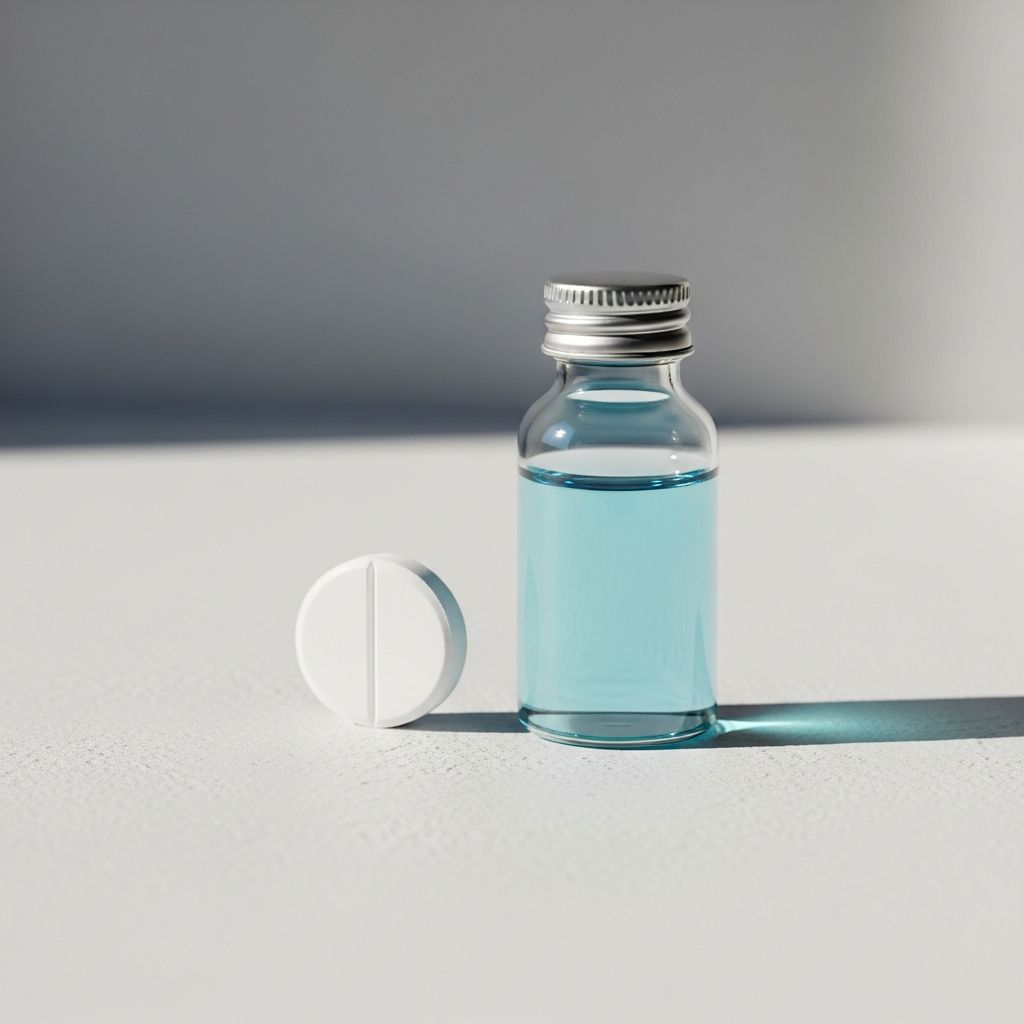
The medicine comes in immediate-release tablets, slow-release tablets, and oral solution. Brands include:
- Camcolit 250 mg, 400 mg tablets
- Liskonum 450 mg tablets
- Priadel 200 mg, 400 mg tablets and liquid (oral solution)
Liquid forms are useful for those who struggle with swallowing tablets or need precise dose adjustments. Each form has equivalent dosing, but slow-release versions may reduce peak-related side effects. Lithium does not cure bipolar disorder but significantly improves quality of life when used correctly.
Key facts about lithium tablets and liquid medicine
- Lithium starts working within 1-3 weeks for mania but may take longer for full maintenance effects.
- Therapeutic blood levels are typically 0.6-1.2 mmol/L, checked via regular blood tests.
- It is taken once or twice daily, often at night to minimize daytime side effects like tremor.
- Common brands: Camcolit, Liskonum, Priadel; generic versions available.
- Not suitable for everyone; contraindicated in severe kidney or heart disease.
- Pregnancy risk: Category D; avoid unless benefits outweigh risks.
About bipolar disorder
Bipolar disorder involves extreme mood swings from manic highs (euphoria, high energy, risky behavior) to depressive lows (sadness, low energy, hopelessness). Mania can last days to months and may include psychosis like delusions. Without treatment, episodes worsen over time.
Lithium is particularly effective for classic bipolar I with prominent mania. It reduces manic relapses by up to 50% and lowers suicide risk by 80% in long-term studies. Other treatments include anticonvulsants like valproate or lamotrigine, antipsychotics, and therapy like CBT. Lifestyle factors—sleep, stress management, avoiding alcohol/drugs—are crucial.
How and when to take lithium
Take lithium exactly as prescribed. Dosage starts low (e.g., 400-600 mg/day) and is titrated based on blood levels. Split doses reduce side effects; take with food to minimize nausea.
Related Stories



| Form | Typical Starting Dose | Frequency |
|---|---|---|
| Tablets (immediate) | 200-400 mg | 2-3 times daily |
| Slow-release tablets | 400-900 mg | Once or twice daily |
| Liquid | 400-800 mg equivalent | 2-3 times daily |
Missed dose: Take as soon as remembered unless near next dose; do not double up. Overdose: Seek emergency help—symptoms include severe tremor, confusion, seizures.
Dosage
Dosage is individualized based on age, weight, kidney function, and response. Maintenance: 900-1200 mg/day for adults, aiming for serum levels 0.6-1.0 mmol/L (acute mania: up to 1.2 mmol/L). Elderly or renal impairment: lower doses (300-600 mg/day). Blood tests: weekly initially, then every 3-6 months.
How to take liquid lithium
Measure with a syringe or spoon (not household). Dilute in water/juice if needed, but Priadel liquid is unflavored. Shake well. Take with meals.
Using lithium with other medicines
Lithium interacts with many drugs:
- Diuretics, NSAIDs (ibuprofen): Increase lithium levels, risking toxicity.
- ACE inhibitors, ARBs: Raise lithium retention.
- Antidepressants (SSRIs): May trigger mania or serotonin syndrome.
- Theophylline: Lowers lithium levels.
Inform your doctor/pharmacist of all medicines, including herbal remedies.
Food-related advice when using lithium
Maintain consistent sodium intake; low-salt diets raise lithium levels. Drink plenty (2-3 liters/day) to prevent dehydration, which concentrates lithium. Avoid excessive caffeine, as it increases urination. During illness with vomiting/diarrhea, stop lithium and seek advice.
Pregnancy and breastfeeding while using lithium
Lithium crosses the placenta, linked to cardiac defects (e.g., Ebstein’s anomaly) in 1st trimester. Use contraception; discuss risks/benefits. Breastfeeding: lithium enters milk, monitor infant levels—not recommended.
Side-effects of lithium
Side effects are common but often mild and improve over time. Most relate to serum levels.
Common side effects
- Increased thirst and urination (polyuria/polydipsia)
- Fine hand tremor
- Nausea, diarrhea
- Weight gain
- Mild cognitive dulling
Serious side effects
Seek immediate help for:
- **Lithium toxicity:** Coarse tremor, confusion, ataxia, seizures, coma (levels >1.5 mmol/L)
- Irregular heartbeat, especially with Brugada syndrome
- Kidney/thyroid dysfunction (monitor TSH, creatinine)
- Hypercalcemia symptoms: nausea, fatigue
| Side Effect | Management |
|---|---|
| Thirst/urination | Timed dosing, adequate fluids |
| Tremor | Lower dose, beta-blockers |
| Weight gain | Diet/exercise, topiramate |
| Acne/psoriasis | Usual remedies, inositol |
What monitoring will I need?
Blood tests: Lithium levels 5-7 days after start/change, then 3 months, 6 months, yearly. Target: 0.6-1.0 mmol/L (12 hours post-dose).
- Thyroid function (TSH): 6 months, then yearly
- Kidney function (eGFR, creatinine): 6 months, yearly
- Calcium: If hypercalcemia risk
- ECG if heart issues
Annual weight, urinalysis. Patient education on toxicity signs is vital—toxicity is often preventable.
Common questions about lithium tablets and liquid medicine
Frequently Asked Questions (FAQs)
How long does lithium take to work?
For acute mania, effects begin in 5-7 days; full benefit in 2-4 weeks. Maintenance prevents relapses over months.
Can I stop taking lithium suddenly?
No—risk of relapse or withdrawal mania. Taper under doctor supervision.
Does lithium cause kidney damage?
Long-term use may cause nephrogenic diabetes insipidus or chronic kidney disease in 20-30%; regular monitoring mitigates risk.
What if I have diarrhea or vomiting?
Stop lithium, hydrate, contact doctor—risk of toxicity from dehydration.
Is lithium addictive?
No, not habit-forming, but psychological dependence on mood stability can occur.
Can I drink alcohol on lithium?
Limit—alcohol worsens side effects, dehydration, and may trigger mania.
What is lithium toxicity?
Excess lithium causing nausea, tremor, confusion, seizures. Call emergency if suspected.
This guide draws from authoritative sources for safe lithium use. Always consult your healthcare provider for personalized advice.
References
- Lithium side effects and toxicity: prevalence and management strategies — NIH/PMC. 2016-12-01. https://pmc.ncbi.nlm.nih.gov/articles/PMC5164879/
- Lithium (oral route) – Side effects & dosage — Mayo Clinic. 2023-05-01. https://www.mayoclinic.org/drugs-supplements/lithium-oral-route/description/drg-20064603
- Lithium Side Effects of Lithium to Be Aware of — Talkspace (informed by clinical guidelines). 2024-01-15. https://www.talkspace.com/blog/lithium-side-effects/
- The 9 Lithium Side Effects You May Experience — GoodRx. 2024-06-10. https://www.goodrx.com/lithium/what-lithium-side-effects-should-you-expect
- Lithium (Lithobid, Eskalith, and others) – Uses, Side Effects — WebMD. 2024-03-20. https://www.webmd.com/drugs/2/drug-5887-795/lithium-carbonate-oral/lithium-controlled-release-oral/details
- Side effects of lithium — NHS. 2024-08-05. https://www.nhs.uk/medicines/lithium/side-effects-of-lithium/
- Lithium: MedlinePlus Drug Information — MedlinePlus/NIH. 2024-02-12. https://medlineplus.gov/druginfo/meds/a681039.html
Similar Articles








Read full bio of Sneha Tete