Lithium: 5 Common Skin Reactions And How To Manage Them
Comprehensive overview of lithium's cutaneous adverse effects, management strategies, and therapeutic uses in dermatology.
Lithium is a mood-stabilizing medication primarily used in the treatment of bipolar disorder. It is highly effective in preventing relapses but is associated with a range of adverse effects, particularly on the skin, which is the organ most commonly affected compared to other psychotropic drugs. Cutaneous reactions occur in up to 45% of patients, more frequently in males, and often involve exacerbation of pre-existing conditions or induction of new ones such as psoriasis, acne, and folliculitis.
What is lithium?
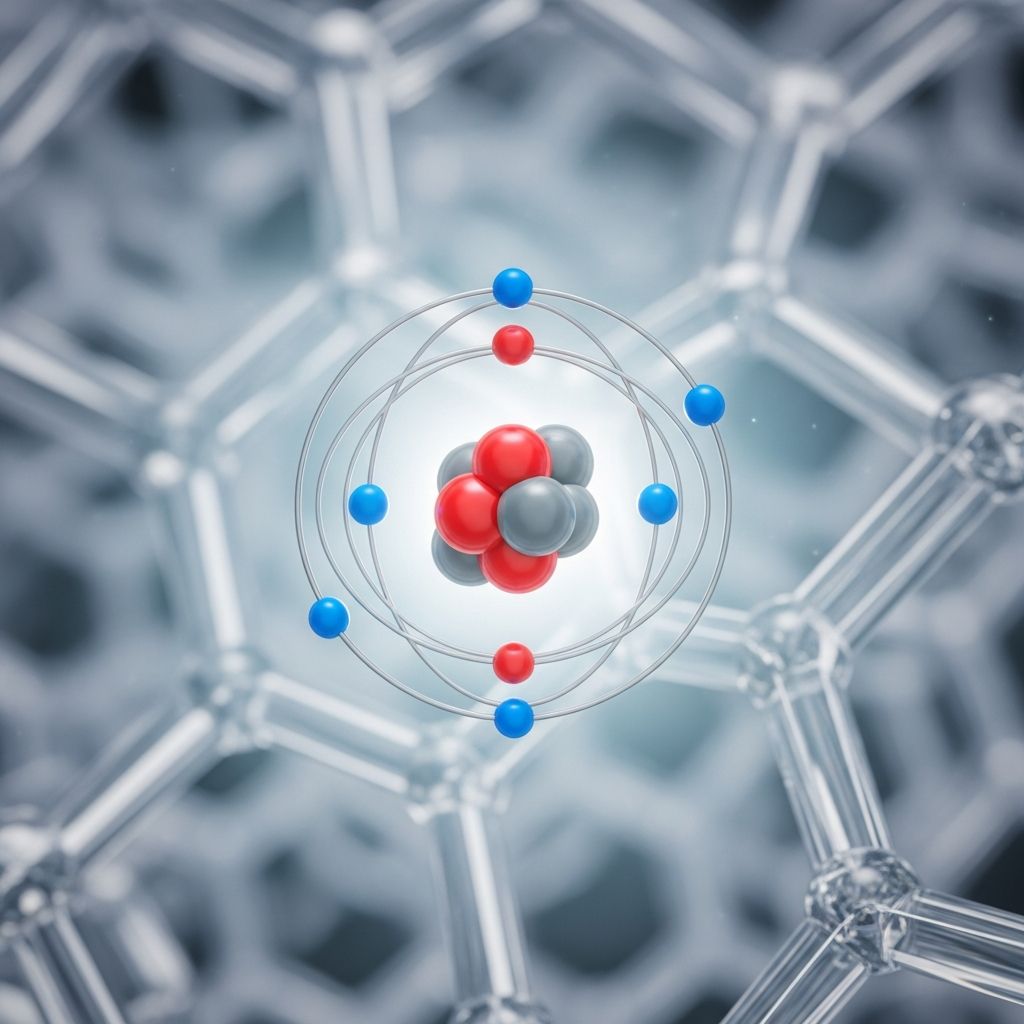
Lithium is an alkali metal used as a salt (lithium carbonate or lithium citrate) for long-term management of bipolar affective disorder. It acts by modulating neurotransmitter systems, particularly serotonin and norepinephrine, and stabilizes mood swings. Therapeutic serum levels are typically 0.6–1.2 mmol/L, but even at these concentrations, dermatological side effects can emerge. Unlike other psychotropics, lithium has a uniquely high propensity for skin involvement due to its effects on neutrophilic infiltration and immune modulation.
Who gets lithium-induced skin reactions?
Patients on long-term lithium therapy, especially those with bipolar disorder, are at risk. Middle-aged and older individuals, particularly women for certain effects like hypothyroidism-related skin changes, and males for acne and psoriasis, show higher susceptibility. Pre-existing skin conditions like psoriasis or acne increase vulnerability. Prevalence of cutaneous reactions reaches 45% in lithium users versus lower rates with other mood stabilizers. Risk factors include duration of therapy (more common after months to years) and genetic predisposition to neutrophilic dermatoses.
Clinical features of lithium-induced skin reactions
Lithium can precipitate new skin diseases or worsen existing ones. Common presentations include:
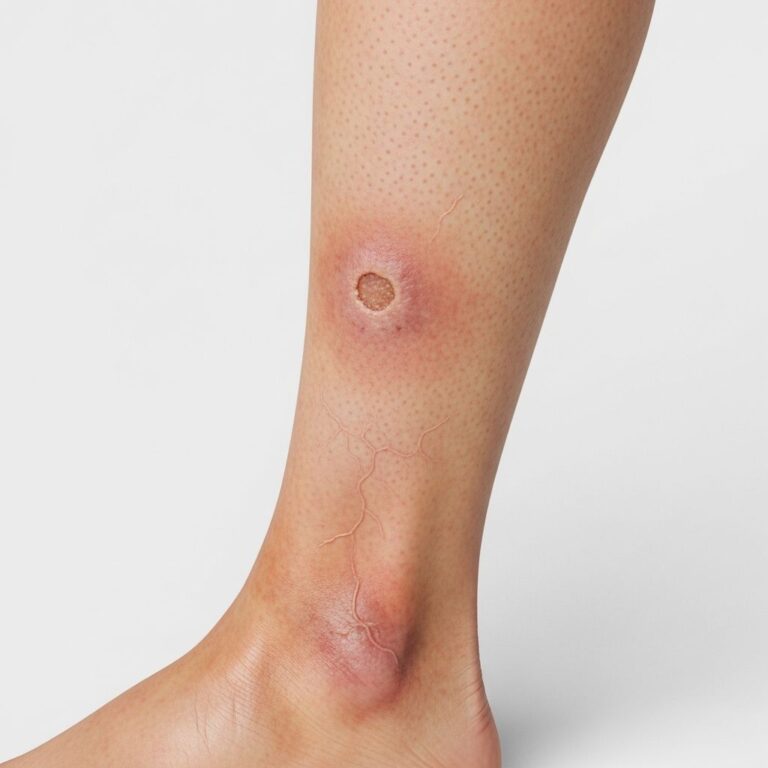
- Psoriasis: Exacerbation or new-onset in 10–25% of patients. Characterized by well-defined erythematous plaques with silvery scales on elbows, knees, scalp, and trunk. Lithium promotes T-cell activation and keratinocyte proliferation.
- Acneiform eruptions: Occur in 17–33% of patients, often without comedones, presenting as pustular lesions on face, hairline, trunk, and extremities. Due to neutrophil migration to skin causing inflammation.
- Folliculitis: Tender red pustules around hair follicles, resembling bacterial folliculitis but sterile.
- Alopecia: Non-scarring hair loss in 12–19%, diffuse or patchy, reversible upon discontinuation.
- Maculopapular eruptions: Pruritic red papules, self-limiting.
Other reported associations: hidradenitis suppurativa (acne inversa), seborrhoeic dermatitis exacerbation, urticaria, and Raynaud phenomenon. Systemic effects like hypothyroidism (goitre, dry skin) and hypercalcaemia (pruritus) indirectly affect skin.
How is the diagnosis made?
Diagnosis relies on temporal association with lithium initiation or dose increase, exclusion of other causes, and clinical morphology. Key steps:
- History: Onset relative to lithium start, serum levels, prior skin history.
- Examination: Characteristic distributions (e.g., truncal acne sparing face).
- Investigations: Serum lithium, thyroid function, calcium, magnesium; skin biopsy for neutrophilic infiltrate; mycology scrapings if fungal suspected.
Differential includes idiopathic psoriasis/acne, infections, or other drug reactions. Provocation test (rechallenge) is rarely ethical.
Related Stories



Management and treatment of lithium-induced skin reactions
Balancing psychiatric benefits against dermatological harm is crucial; lithium’s efficacy often outweighs skin effects. Strategies:
- General measures: Monitor serum levels regularly; dose reduction if feasible.
- Psoriasis: Topical corticosteroids, vitamin D analogues (calcipotriol), phototherapy. Severe cases: methotrexate, ciclosporin, or biologics (anti-IL17/23). Discontinuation rarely needed.
- Acne: Topical retinoids (tretinoin), benzoyl peroxide, salicylic acid. Oral tetracyclines; isotretinoin cautiously due to psychiatric risks. Non-comedogenic skincare, mineral sunscreens.
- Folliculitis/Alopecia: Antibacterial washes, minoxidil for hair loss.
- Monitoring: Baseline and 6-monthly: FBC, U&E, TFT, calcium, eGFR.
Skin reactions often improve 6 months post-adjustment as body adapts.
Drug interactions
Lithium has narrow therapeutic index; interactions alter levels:
| Drug/Class | Effect on Lithium | Management |
|---|---|---|
| Thiazide diuretics, NSAIDs (ibuprofen) | Increases | Avoid; monitor levels |
| ACE inhibitors, carbamazepine | Increases | Dose adjust |
| Caffeine, theophylline | Decreases | Monitor efficacy |
| Sodium depletion (diet/diuretics) | Increases | Maintain hydration |
Regular level checks essential.
Topical lithium
Paradoxically, topical lithium succinate 8% ointment treats seborrhoeic dermatitis by inhibiting Malassezia yeast via reduced free fatty acids and anti-inflammatory effects (↓prostaglandins). Also used for herpes simplex recurrence. Well-tolerated, minimal systemic absorption, occasional mild irritation.
Other adverse effects
- Endocrine: Hypothyroidism (15–20%, esp. women), goitre; treat with thyroxine.
- Renal: Nephrogenic diabetes insipidus, chronic kidney disease.
- Metabolic: Hypercalcaemia (10%), hyperparathyroidism, hypermagnesaemia.
Prevention
Baseline skin exam, family history; educate on early reporting. Prophylactic topicals for high-risk (psoriatics). Regular multidisciplinary review (psychiatrist/dermatologist).
Frequently asked questions
What skin conditions does lithium most commonly cause?
Psoriasis exacerbation/new-onset, acneiform eruptions, folliculitis, alopecia, maculopapular rash.
Can lithium acne be treated without stopping the drug?
Yes, with topical retinoids, benzoyl peroxide, tetracyclines; skincare routine helps.
Does topical lithium affect blood levels?
No, it is well-tolerated with negligible systemic absorption.
How often should blood tests be done on lithium?
Baseline, 6-monthly: electrolytes, renal/thyroid function, calcium.
Is hair loss from lithium permanent?
Usually reversible upon dose reduction or cessation.
References
- Dermatologic side effects with use of lithium — PubMed. 2024-08-29. https://pubmed.ncbi.nlm.nih.gov/39270084/
- Cutaneous adverse effects of lithium: epidemiology and management — PubMed. 2004-02-29. https://pubmed.ncbi.nlm.nih.gov/14979738/
- Lithium – DermNet — DermNet NZ. Recent access 2026. https://dermnetnz.org/topics/lithium
- When Lithium Causes Acne — Everyday Health (reviewed by Derick Dermatology). 2010-10-04. https://derickdermatology.com/wp-content/uploads/2016/02/everydayhealth_com_lithium_and_acne.pdf
- Dermatologic Reactions to Lithium—Review — Ovid/Pediatric Dermatology. 2008. https://www.ovid.com/journals/pdra/pdf/00597395-200812000-00001~dermatologic-reactions-to-lithiumreview
Similar Articles








Read full bio of medha deb