Liver Anatomy and Functions: Complete Guide
Explore the liver's essential role: anatomy, functions, and vital health information.
Liver Anatomy and Functions: A Complete Overview
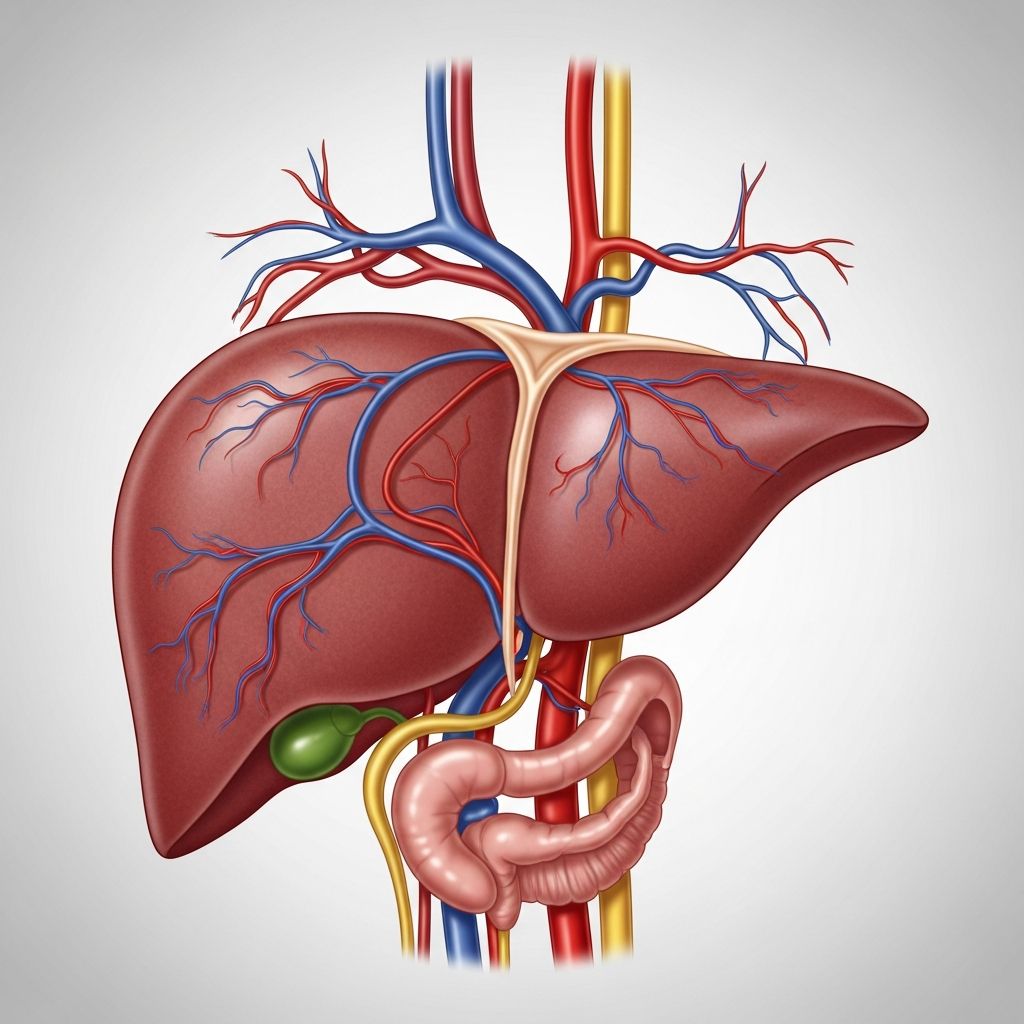
The liver is the largest internal organ of the human body, weighing approximately 1.5 kilograms and playing a crucial role in maintaining overall health and homeostasis. Located in the upper right quadrant of the abdomen, this vital organ serves as a multifunctional accessory organ of the gastrointestinal tract. Understanding the liver’s complex anatomy and diverse functions is essential for recognizing its importance in various physiological processes and identifying potential health concerns.
Anatomical Structure of the Liver
Location and Position
The liver is positioned in the upper right portion of the abdominal cavity, beneath the right rib cage and diaphragm. This strategic location allows it to receive blood from multiple sources and perform its essential functions efficiently. The organ extends across the midline into the left upper quadrant of the abdomen, though the majority of its mass remains on the right side. Its upper surface is protected by the rib cage, which shields this vital organ from injury.
The Four Lobes
The liver consists of four distinct anatomical lobes, each with specific characteristics and functions. The right lobe is the largest of the four lobes, comprising the majority of the liver’s mass and volume. The left lobe is considerably smaller and more flattened in appearance compared to its right counterpart. These two primary lobes are separated by the falciform ligament, a sickle-shaped fibrous structure that divides the liver into left and right sections.
In addition to the right and left lobes, there are two smaller lobes located on the inferior surface of the liver. The caudate lobe is situated between the fissure for the ligamentum venosum and the inferior vena cava, while the quadrate lobe is positioned between the gallbladder fossa and the fissure for the ligamentum teres hepatis. These smaller lobes, though less prominent, contribute to the organ’s overall structure and function.
Functional Divisions
Beyond the anatomical classification, the liver can be divided into functional segments using Couinaud classification, which identifies eight independently functional segments. Each segment possesses its own vascular inflow through branches of the portal vein and hepatic artery, outflow through hepatic veins, and biliary drainage through bile ducts. This segmental organization allows for precise surgical planning and understanding of blood flow patterns within the organ.
Hepatic Lobules and Microstructure
The liver’s lobes are further subdivided into thousands of small structures called lobules, which represent the functional units of the liver. Each lobule contains hepatocytes (liver cells), sinusoids (specialized blood vessels), and bile ducts arranged in a highly organized architecture. At the center of each lobule is a portal triad comprising branches of the portal vein, hepatic artery, and bile duct. The sinusoids allow for intimate contact between blood and hepatocytes, facilitating nutrient exchange and detoxification.
Blood Supply and Vascularization
Dual Blood Supply System
The liver receives blood from two major sources, creating a unique dual supply system essential for its survival and function. The hepatic artery delivers oxygen-rich blood directly from the aorta through the celiac trunk, providing approximately 25% of the liver’s blood supply but accounting for about half of its oxygen requirements. Simultaneously, the portal vein brings nutrient-rich, partially deoxygenated blood from the gastrointestinal tract, spleen, and pancreas, supplying approximately 75% of the blood volume but providing the other half of the oxygen needs.
Related Stories



This dual blood supply system is critical for the liver’s function. The portal vein carries blood containing newly absorbed nutrients, drugs, and potentially harmful substances from the digestive tract, allowing the liver to process and filter these materials before they enter the systemic circulation. This first-pass metabolism is essential for protecting the body from ingested toxins and pathogens.
Sinusoidal Network and Hepatic Circulation
Both the hepatic artery and portal vein subdivide into increasingly smaller branches within the liver, ultimately forming specialized capillaries called sinusoids. These sinusoids have unique permeable walls that allow direct contact between blood and hepatocytes, facilitating efficient exchange of substances. Blood flows through the sinusoids from the periphery toward the center of each lobule, where it drains into the central vein.
Hepatic Vein Drainage
Blood exits the liver through the hepatic veins, which coalesce to form three main hepatic veins (right, middle, and left) that drain into the inferior vena cava. From there, blood returns to the right atrium of the heart. This venous drainage system ensures continuous circulation and prevents blood backup within the liver.
Hepatic Ligaments and Supporting Structures
The liver is suspended within the abdominal cavity by several ligaments that attach it to the diaphragm and abdominal wall. The falciform ligament is a prominent fibrous structure that divides the liver into anatomical left and right lobes and connects the liver to the abdominal wall. The coronary ligament attaches the superior surface of the liver to the diaphragm, while the left and right triangular ligaments provide additional support at the liver’s superior angles.
The round ligament (ligamentum teres hepatis) is the remnant of the fetal umbilical vein and runs within the free edge of the falciform ligament. The venous ligament (ligamentum venosum) is the remnant of the fetal ductus venosus and separates the caudate lobe from the left lobe. These ligaments not only provide structural support but also contain important vascular and ductal remnants from fetal development.
Hepatic Hilum and Bile Drainage
Porta Hepatis
The porta hepatis is the central fissure on the inferior surface of the liver where blood vessels and bile ducts enter and exit the organ. This critical area serves as the “gateway” for the hepatic artery, portal vein, and common hepatic duct to enter the liver. The porta hepatis represents the functional boundary between left and right liver segments and is a crucial landmark during surgical procedures.
Bile Duct System
Bile produced by hepatocytes is collected in small ducts within each lobule and transported through progressively larger ducts that ultimately form the right and left hepatic ducts. These merge to form the common hepatic duct, which carries bile from the liver to the gallbladder for storage and to the small intestine for digestion. This organized ductal system ensures efficient bile transport and prevents backup of bile into the liver.
Lymphatic Drainage
The liver has an extensive lymphatic drainage system consisting of superficial and deep components. The superficial lymphatic system transports lymphatic fluid through channels in the subserosal areolar tissue (Glisson’s capsule) that envelopes the entire organ. Lymphatics from the anterior, superior, and inferior surfaces drain into the hepatic lymph nodes located at the porta hepatis, while lymphatics from the inferior surface can also drain directly to lumbar lymph nodes. Superior surface lymphatics additionally drain into parasternal and pericardiac nodes.
This extensive lymphatic drainage network is important for maintaining fluid balance within the liver and transporting immune cells and debris throughout the abdominal cavity.
Innervation of the Liver
The liver receives autonomic nerve innervation from the hepatic plexus and cervical plexus, which includes both sympathetic and parasympathetic fibers. These nerves modulate blood flow through the hepatic artery and regulate various hepatic functions. The autonomic nervous system can adjust the diameter of blood vessels supplying the liver, thereby controlling the rate of blood perfusion and hepatic metabolism in response to the body’s needs.
Primary Functions of the Liver
Detoxification and Metabolism
One of the liver’s most critical functions is detoxification, where it neutralizes harmful substances including drugs, alcohol, pesticides, and other xenobiotics. Through a process called xenobiotic biotransformation, the liver enzymatically modifies these substances to make them more water-soluble and easier for the body to eliminate through urine or bile. This detoxification function protects the body from the harmful effects of ingested or absorbed toxic compounds.
Nutrient Storage and Metabolism
The liver serves as the body’s primary storage site for glucose in the form of glycogen. When blood glucose levels are elevated after a meal, the liver converts glucose to glycogen for storage. When the body is fasting or between meals, the liver converts stored glycogen back to glucose and releases it into the bloodstream to maintain stable blood sugar levels. Additionally, the liver stores several vitamins and minerals, including fat-soluble vitamins A, D, E, and K, as well as iron and copper.
Protein Synthesis
The liver is responsible for synthesizing numerous essential proteins necessary for blood plasma function. These include albumin, which helps maintain blood osmotic pressure and transports various substances; clotting factors such as fibrinogen and prothrombin; and immune proteins. The liver can produce approximately half a kilogram of plasma proteins daily, making it essential for maintaining blood composition and hemostasis.
Bile Production and Fat Digestion
The liver continuously produces bile, a yellowish or orange fluid that plays a critical role in lipid digestion and absorption. Bile contains bile salts that emulsify dietary fats, cholesterol, phospholipids, and fat-soluble vitamins, allowing them to be absorbed in the small intestine. Bile also carries away waste products, including bilirubin and cholesterol, for elimination from the body.
Lipid Metabolism
The liver has a central role in lipid metabolism, synthesizing endogenous cholesterol and fats. It packages dietary lipids and internally synthesized lipids into very-low-density lipoprotein particles for transport to other organs via the bloodstream. Excess cholesterol is transported back to the liver for excretion or further metabolism, making the liver essential for maintaining healthy cholesterol levels.
Bilirubin Metabolism
When red blood cells reach the end of their approximately 120-day lifespan, hemoglobin is broken down, releasing heme. The liver is responsible for metabolizing bilirubin, a breakdown product of heme, converting it into a form that can be excreted in bile. This function prevents the accumulation of bilirubin in the blood and tissues, which would otherwise cause jaundice and tissue damage.
Immune Function
The liver plays a crucial role in immunity through its population of specialized immune cells. Kupffer cells, specialized macrophages residing within the sinusoids, constantly filter blood and remove bacteria, viruses, old blood cells, and other debris. This contributes significantly to the body’s defense against infection and maintains blood purity.
Ammonia Metabolism
Proteins are broken down into amino acids, which are further metabolized, producing ammonia as a waste product. The liver converts this potentially toxic ammonia into urea, a less harmful compound that can be excreted in the urine. This ammonia-urea cycle is essential for nitrogen waste disposal and prevents the accumulation of ammonia in the bloodstream, which would otherwise cause neurological damage.
Frequently Asked Questions About Liver Anatomy and Function
What causes liver disease and dysfunction?
Liver disease can result from multiple etiologies including viral hepatitis, alcohol abuse, fatty liver disease, cirrhosis, portal hypertension, cholestasis, and hepatocellular carcinoma. Chronic conditions can lead to progressive liver damage and failure if left untreated.
How can I maintain liver health?
Maintaining liver health involves limiting alcohol consumption, maintaining a healthy weight, eating a balanced diet rich in fruits and vegetables, staying hydrated, exercising regularly, and avoiding unnecessary medications and supplements. Regular medical checkups can help identify liver problems early.
What is the significance of the portal vein in liver function?
The portal vein delivers nutrient-rich blood from the gastrointestinal tract directly to the liver for first-pass metabolism, allowing the liver to process and filter absorbed substances before they enter systemic circulation. This prevents harmful substances from reaching other organs before detoxification.
How do hepatic lobules contribute to liver function?
Each hepatic lobule represents a functional unit where blood comes into intimate contact with hepatocytes through sinusoids, facilitating nutrient exchange, detoxification, and metabolic processes. The organization of lobules maximizes the liver’s capacity for simultaneous processing of multiple substances.
What is the role of the falciform ligament?
The falciform ligament divides the liver into anatomical left and right lobes and connects the liver to the abdominal wall, providing structural support and stability. It also contains the round ligament (remnant of the umbilical vein) within its free edge.
References
- Liver Anatomy: Location, Lobes and Function — Kenhub. 2024. https://www.kenhub.com/en/library/anatomy/liver
- Liver Functions, Location, Anatomy and Disease — Columbia Surgery. 2024. https://columbiasurgery.org/liver/liver-and-its-functions
- Liver — Wikipedia. 2024. https://en.wikipedia.org/wiki/Liver
- Anatomy and Physiology of the Liver, Animation — YouTube. 2024. https://www.youtube.com/watch?v=KpqrvAtoMeM
- Anatomy and Function of the Liver — Stanford Children’s Health. 2024. https://www.stanfordchildrens.org/en/topic/default?id=anatomy-and-function-of-the-liver-90-P03069
Similar Articles








Read full bio of Sneha Tete