Liver: Anatomy, Functions, And How To Keep It Healthy
Discover the liver's critical role in digestion, detoxification, and metabolism.
Understanding the Liver: Your Body’s Essential Detoxification Center
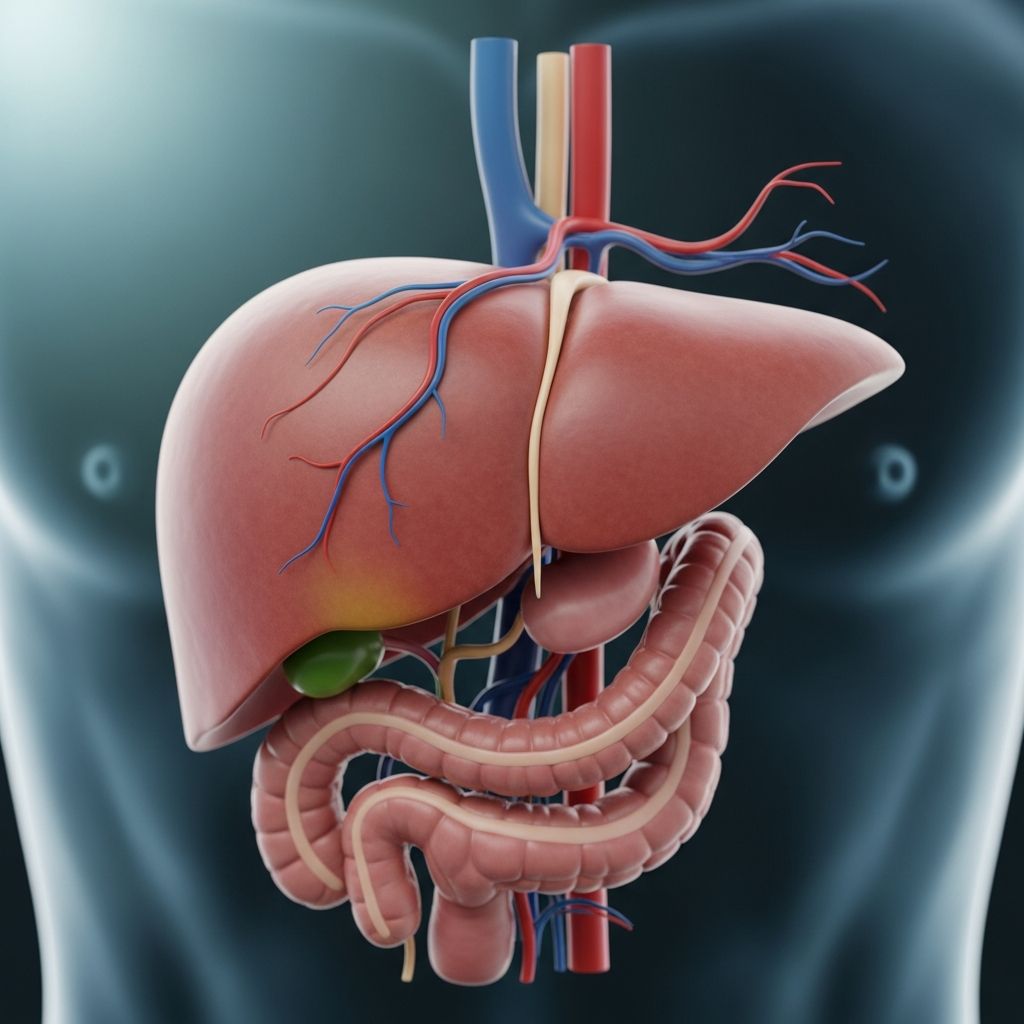
The liver is the largest internal organ in your body, weighing approximately three pounds and about the size of a football. Positioned above your stomach on the right side of your abdomen, beneath your ribcage, this vital organ performs hundreds of functions every single day that are essential for maintaining optimal health and survival. From filtering blood to producing vital proteins and breaking down harmful substances, the liver is truly one of your body’s most hardworking organs.
Often called the body’s “chemical factory,” the liver is responsible for processing everything you eat, drink, and breathe. It works tirelessly to separate nutrients from waste, detoxify harmful substances, and ensure your body has the energy and resources it needs to function properly. Understanding how your liver works and what you can do to keep it healthy is fundamental to maintaining overall wellness.
Anatomy and Structure of the Liver
Location and Size
The liver occupies a significant portion of the upper right abdominal cavity, protected by your ribcage. Its large size is proportional to its workload—the more surface area an organ has, the more functions it can perform simultaneously. The liver’s placement allows it to receive blood directly from two sources: the hepatic artery, which supplies oxygenated blood, and the portal vein, which delivers nutrient-rich blood from your digestive system.
Cellular Architecture
At the cellular level, the liver’s functional unit is the lobule, which has a distinctive hexagonal shape. Each corner of this hexagon contains a portal triad consisting of the portal vein, hepatic artery, and bile duct. The foundation of each lobule is composed of hepatocytes, which are the primary functional cells of the liver and serve as the workhorses of hepatic metabolism.
Hepatocytes are organized into three distinct zones based on their function and blood perfusion patterns:
– Zone I (Periportal Zone): Located closest to the portal triad, this zone has the highest oxygen concentration and is primarily responsible for metabolism and protein synthesis.- Zone II (Midzonal Region): Positioned between Zone I and Zone III, this intermediate zone participates in various metabolic functions.- Zone III (Pericentral Zone): With the lowest perfusion due to distance from the portal triad, this zone plays the largest role in detoxification, drug biotransformation, ketogenesis, glycolysis, lipogenesis, glycogen synthesis, and glutamine formation.
Supporting Structures
Within the liver, bile is produced and flows through specialized channels called bile canaliculi, which are formed by the apical membranes of neighboring hepatocytes. These canaliculi create a lattice-like network resembling a “chicken-wire pattern,” which significantly increases the surface area for bile flow. Importantly, bile and blood flow in opposite directions within the liver—bile flows outward toward the ducts as the liver produces it, while blood flows inward to perfuse the organ.
The space of Disse, a crucial architectural feature of the liver, lies between the sinusoidal endothelium and hepatocytes. This space contains specialized cells including Kupffer cells (liver macrophages) and Ito cells (stellate cells). Kupffer cells filter out unnecessary and pathologic materials from circulation, while Ito cells store fat, such as vitamin A, and can differentiate into myofibroblasts to aid in liver regeneration.
Related Stories



Primary Functions of the Liver
Blood Filtration and Detoxification
One of the liver’s most critical functions is acting as a biological filter for your blood. As blood flows from your intestines through the liver, this organ inspects it thoroughly for toxins and removes harmful substances like alcohol, pollution, and other potential dangers. Additionally, the liver breaks down medications you’ve taken, neutralizing them so they can be safely eliminated from your body. This detoxification capability makes the liver your body’s primary defense mechanism against harmful substances.
Metabolism and Energy Storage
The liver plays a central role in managing your body’s energy supply. It converts carbohydrates into glycogen, which serves as a storage form of energy—similar to a biological battery. When your body requires an energy boost, the liver breaks down glycogen into glucose and releases it into your bloodstream to provide immediate fuel. This metabolic regulation is essential for maintaining stable blood sugar levels and ensuring consistent energy availability throughout the day.
Nutrient Processing and Storage
Your liver receives blood rich in nutrients from your digestive system and efficiently separates beneficial nutrients from waste products. Beyond processing, the liver is the storage location for fat-soluble vitamins (vitamins A, D, E, and K) and manages cholesterol homeostasis. It also stores essential minerals like iron and copper, releasing them into your bloodstream as your body needs them.
The liver receives vitamin E in both alpha and gamma-tocopherol forms. The alpha-tocopherol form is integrated with VLDL or HDL in the liver and then secreted back into circulation, while the liver metabolizes the gamma-tocopherol form for excretion. Though vitamin K is not stored or metabolized in the liver, its presence is essential because the liver enzyme gamma-glutamyl carboxylase requires it for gamma-carboxylation of coagulation factors II, VII, IX, X, and proteins C and S.
Bile Production and Digestion
The liver produces bile, a digestive fluid that plays a crucial role in breaking down fats and facilitating their absorption in the small intestine. Beyond its digestive role, bile serves as an important vehicle for carrying toxins and cholesterol out of your body. This dual purpose makes bile production essential for both nutrient absorption and toxin elimination.
Blood Protein Synthesis
The liver is the manufacturing center for nearly every plasma protein in your body. These proteins include albumin, which maintains blood osmotic pressure; binding globulins, which transport hormones and other substances; proteins C and S, which regulate blood clotting; and all clotting factors of the intrinsic and extrinsic pathways except factor VIII. The liver’s protein synthesis capacity is so extensive that liver disease can immediately affect your body’s ability to form blood clots and maintain proper blood chemistry.
Red Blood Cell Breakdown
Your liver reprocesses material from old red blood cells, extracting useful components while safely disposing of waste products. During this process, the liver breaks down heme into unconjugated bilirubin and then conjugates it for safe excretion. This recycling function is vital for maintaining healthy red blood cell populations and preventing the accumulation of hemoglobin byproducts.
Hormonal Regulation
The liver plays a significant role in managing sex hormone metabolism and produces carrier proteins that are essential for reproduction and development. Additionally, the liver is the site of deiodination of T4 to T3, playing a critical role in thyroid hormone function and regulation.
The Liver’s Role Across Body Systems
The liver interacts with and influences nearly every organ system in your body. Its interconnected relationships include:
– Endocrine System: Manages hormone metabolism and helps regulate blood glucose levels.- Gastrointestinal System: Aids digestion by producing bile and processing nutrients from food.- Hematologic System: Synthesizes clotting factors and regulates iron storage and red blood cell recycling.- Immune System: Kupffer and pit cells play important roles in the body’s immunological defense.- Integumentary System: Affects skin health through nutrient storage and hormone metabolism.
Developmental Origins of the Liver
The liver arises from the foregut during fetal development, stemming from endodermal cells as the hepatic diverticulum around the fourth week of development. This structure forms within the peritoneum and is anchored to the abdominal wall by the falciform ligament, which originates from the ventral mesentery. The umbilical vein passes through the falciform ligament from the umbilical cord to the developing liver.
The hepatic diverticulum’s formation is believed to be induced by several developmental pathways, primarily the Wnt/B-catenin pathway and fibroblast growth factors (FGF), which are secreted by fetal cardiac cells induced by the MAPK pathway. As development progresses, the diverticulum interacts with the septum transversum, a structure that divides the heart from the abdominal cavity and later contributes to diaphragm formation.
The diverticulum then differentiates into either the liver primordium or the gallbladder. As the liver primordium grows, it develops hepatic cords that anastomose around spaces lined by endothelium, forming the primordium of the hepatic sinusoids. VEGF (vascular endothelial growth factor) plays an important role in facilitating the formation of these hepatic sinusoids.
Maintaining a Healthy Liver
Nutritional Support
Proper nutrition is fundamental to maintaining liver health. The liver needs building blocks—particularly lean proteins—to manufacture the proteins essential for your body’s normal function. Consuming a sufficient amount of healthy proteins promotes a balanced diet while supporting your liver’s important work. Additionally, limiting alcohol consumption is crucial, as excessive alcohol is a significant risk factor for liver disease and can lead to serious liver damage over time.
Understanding Liver Disease Risk
Steatotic liver disease (SLD), which involves excess fat accumulation in the liver, is becoming increasingly common. A healthy, high-functioning liver contains a small amount of fat, but when fat buildup exceeds 5% of the liver’s weight, it becomes problematic. Cardiometabolic risk factors and heavy alcohol consumption are primary risk factors for developing SLD. While early-stage fat buildup often doesn’t prevent normal liver function, the condition can progress through stages to cirrhosis if left untreated. The encouraging news is that even with early-stage cirrhosis, following your provider’s treatment plan can protect your liver from further damage and may even reverse some damage.
Frequently Asked Questions
Q: How much does the liver weigh?
A: The liver weighs approximately three pounds and is about the size of a football, making it the largest internal organ in your body.
Q: What is the main function of the liver?
A: While the liver performs hundreds of functions, its primary roles include filtering blood, detoxifying harmful substances, producing bile for digestion, synthesizing proteins, storing nutrients, and managing energy metabolism.
Q: Can the liver regenerate itself?
A: Yes, the liver has remarkable regenerative capacity. Ito cells (stellate cells) can serve as myofibroblasts and aid in the regeneration of the liver, particularly when supported by proper nutrition and medical treatment.
Q: What happens if your liver gets injured?
A: If your liver is injured, your whole body feels the effects, as nearly every organ system depends on liver function for metabolism, immunity, digestion, detoxification, and nutrient processing.
Q: What is the difference between the portal vein and hepatic artery blood supply?
A: The hepatic artery supplies oxygenated blood to the liver, while the portal vein delivers nutrient-rich blood from your digestive system. Together, these create a dual blood supply that perfuses the liver.
Q: How does the liver handle medications?
A: The liver breaks down medications you take through biotransformation processes, primarily occurring in Zone III hepatocytes, neutralizing them so they can be safely eliminated from your body.
References
- Physiology, Liver — StatPearls, National Center for Biotechnology Information (NCBI). 2024. https://www.ncbi.nlm.nih.gov/books/NBK535438/
- How The Liver Works — Cleveland Clinic. August 12, 2024. https://health.clevelandclinic.org/
- Liver Disease Overview — Cleveland Clinic Abu Dhabi. 2024. https://www.clevelandclinicabudhabi.ae/
- Steatotic (Fatty) Liver Disease: Symptoms & Treatment — Cleveland Clinic. 2024. https://my.clevelandclinic.org/health/diseases/15831-fatty-liver-disease
- 8 Healthy Foods for Your Liver — Cleveland Clinic Health. 2024. https://health.clevelandclinic.org/foods-for-a-healthy-liver
Similar Articles








Read full bio of Sneha Tete