Liver Biopsy: Purpose, Procedure, and What to Expect
Complete guide to liver biopsy procedures: types, preparation, and recovery information.
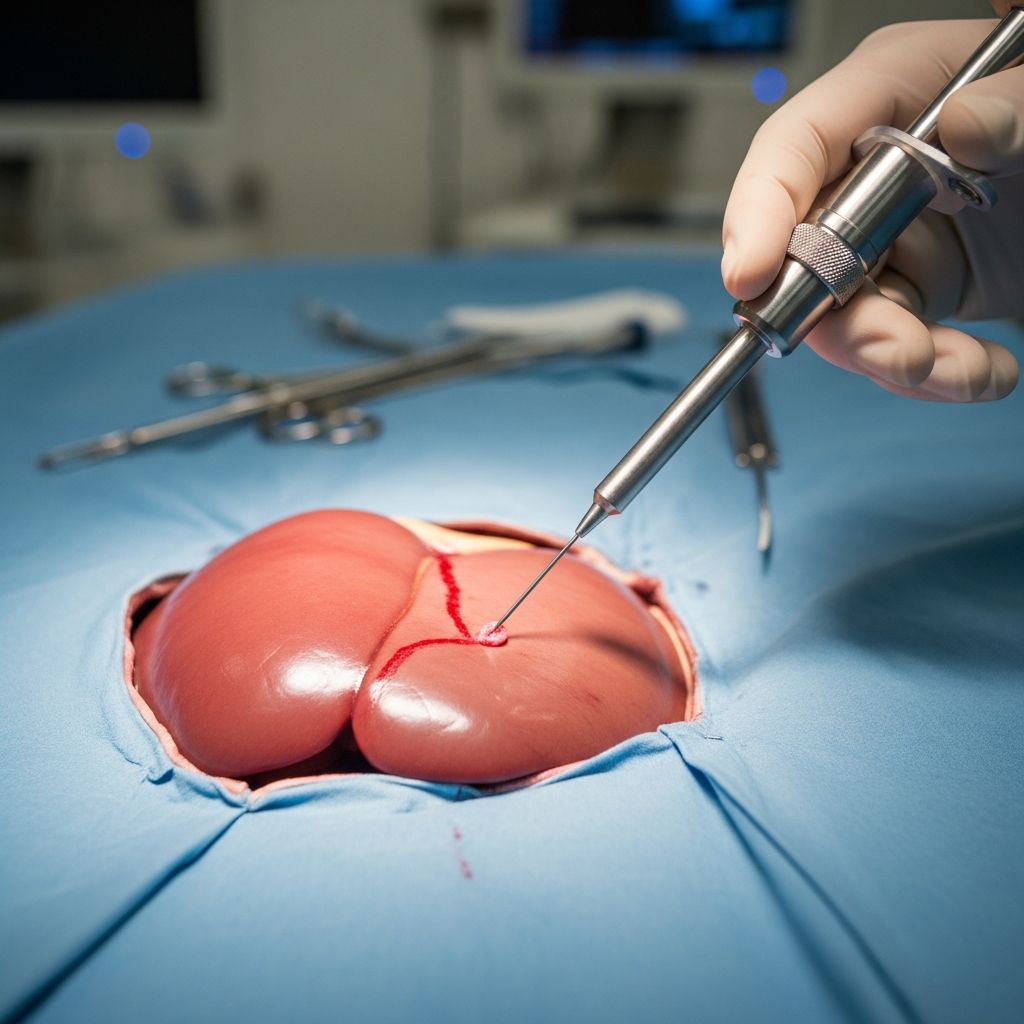
What Is a Liver Biopsy?
A liver biopsy is a medical procedure in which a small sample of liver tissue is removed for laboratory examination under a microscope. This tissue sample allows healthcare professionals to evaluate the liver for signs of damage, disease, or abnormality. The procedure is an important diagnostic tool used to identify various liver conditions and determine the extent of liver disease. Your doctor may recommend a liver biopsy when blood tests or imaging studies suggest a potential liver problem, or to assess the current state of an existing liver condition. The information gathered from a liver biopsy helps guide treatment decisions and provides valuable insight into your liver’s health status.
Why Your Doctor Might Recommend a Liver Biopsy
Physicians recommend liver biopsies for several important clinical reasons. The procedure helps diagnose various hepatic conditions when imaging and blood work are inconclusive. A liver biopsy may be recommended if you have elevated liver enzymes, signs of cirrhosis, suspected hepatitis, potential liver cancer, or other liver-related conditions. The biopsy provides definitive diagnostic information that cannot always be obtained through non-invasive testing methods.
Additionally, a liver biopsy can determine the stage and severity of existing liver disease, which is crucial for developing an appropriate treatment plan. Healthcare professionals use the tissue samples to identify specific liver pathology and assess the degree of fibrosis or inflammation present.
Types of Liver Biopsy Procedures
Three main types of liver biopsy procedures are available, each with distinct advantages and appropriate clinical applications.
Percutaneous Liver Biopsy
The percutaneous liver biopsy is the most commonly performed type of liver biopsy procedure. In this method, a thin needle is inserted through the skin and abdominal wall directly into the liver tissue. The procedure is typically performed using ultrasound guidance to precisely locate the liver and guide the needle to the appropriate sampling site. The needle insertion is made near the bottom of the rib cage on the right side of the body, where the liver is positioned. This approach is favored because it is minimally invasive, requires only local anesthesia, and can often be performed in an outpatient setting.
Transjugular Liver Biopsy
The transjugular biopsy is an alternative procedure that uses a vein in the neck to access the liver. During this procedure, a flexible plastic tube called a catheter is inserted into the jugular vein in the neck and carefully threaded down into the hepatic vein within the liver. This approach is particularly useful for patients who may have difficulty with the percutaneous method or who have certain medical conditions that make the standard approach less suitable. The transjugular method allows the physician to visualize the hepatic vein using X-ray imaging and dye injection before obtaining tissue samples.
Laparoscopic Liver Biopsy
Laparoscopic biopsy involves inserting specialized instruments through small incisions in the abdominal wall. A tiny video camera is used to project images onto a monitor, allowing the physician to visualize the liver directly and guide the biopsy instruments to the appropriate location. This method typically requires general anesthesia and may be selected when direct visualization of the liver surface is needed or when multiple tissue samples are required from specific areas.
Preparation for Your Liver Biopsy
Proper preparation is essential for a successful liver biopsy procedure. Understanding the pre-biopsy requirements helps ensure your safety and the accuracy of the diagnostic results.
Related Stories



Fasting Requirements
You will typically be asked to refrain from eating or drinking for 6 to 8 hours before your liver biopsy. This fasting period is important because it reduces the risk of complications during the procedure. Some patients may be permitted to consume a light breakfast, but your specific healthcare provider will give you detailed instructions based on your individual circumstances and the type of biopsy being performed.
Pre-Biopsy Blood Tests
Before your biopsy, you will undergo blood tests to assess your blood’s ability to clot. These coagulation studies are critical because they help identify patients at increased risk for bleeding complications. If your blood work shows clotting problems, your healthcare provider may administer medication before the procedure to reduce bleeding risk. Adequate coagulation parameters are important for procedure safety, and guidelines typically recommend an INR (international normalized ratio) less than 1.5 and a platelet count greater than 60,000 per microliter.
Medications and Preparation Instructions
Inform your healthcare provider about all medications you are taking, particularly blood thinners or anticoagulants. Your doctor may request that you stop taking certain medications before the procedure. You should also arrange for someone to drive you home after the biopsy, as you will need to rest and may receive sedation during the procedure.
When Alternative Procedures May Be Recommended
Your healthcare professional may recommend a different type of liver biopsy if certain conditions are present. These situations include difficulty holding still during the procedure, a history of bleeding problems or blood-clotting disorders, suspected tumors involving blood vessels in the liver, significant fluid accumulation in the abdomen (ascites), severe obesity, or active liver infection. Each biopsy type has specific advantages for particular patient populations and clinical scenarios.
What to Expect During Your Liver Biopsy
Understanding the procedure timeline and what happens during each step can help reduce anxiety and prepare you mentally for the experience.
Before the Procedure Begins
You will arrive at the hospital or outpatient center early in the morning, typically several hours before your scheduled procedure. Upon arrival, you will change into a hospital gown and have your vital signs monitored. A healthcare professional will place an intravenous line in a vein, usually in your arm, to allow for administration of medications if needed. You may receive a mild sedative to help you relax during the procedure, and you will be given an opportunity to use the restroom before positioning for the biopsy, as you will need to remain in bed for several hours afterward.
Percutaneous Biopsy Procedure
During a percutaneous biopsy, your healthcare professional will locate your liver by tapping on your stomach or using real-time ultrasound imaging. You will lie on your back with your right hand positioned above your head. The physician will apply numbing medication (local anesthetic) to the area where the needle will be inserted, typically near the bottom of the right rib cage. A small incision is made in the skin, and the biopsy needle is carefully inserted into the liver. The actual tissue sample collection takes only a few seconds, during which you will be asked to hold your breath as the needle rapidly passes through the liver tissue and is withdrawn.
Transjugular Biopsy Procedure
For a transjugular biopsy, you will lie on your back on an X-ray table. Numbing medication is applied to one side of your neck, and a small cut is made to allow insertion of a flexible plastic tube into the jugular vein. The tube is carefully threaded through the jugular vein and into the hepatic vein within the liver. Your physician injects a contrast dye into the tube and takes X-ray images to visualize the hepatic vein clearly. Once proper positioning is confirmed, a biopsy needle is threaded through the catheter, and one or more liver tissue samples are obtained. The catheter is then carefully removed, and the small neck incision is covered with a bandage.
Laparoscopic Biopsy Procedure
During a laparoscopic biopsy, you will receive anesthesia that puts you to sleep. You lie on your back on an operating table while your healthcare professional makes one or more small incisions in your abdomen. Specialized instruments are inserted through these small cuts, including a tiny camera that projects images onto a monitor in the operating room. Using the video guidance, the physician maneuvers the instruments to the liver and obtains tissue samples from the appropriate sites. Once samples are collected, the instruments are removed and the small incisions are closed with stitches.
Post-Procedure Recovery and Care
Following your liver biopsy, you will spend time in a recovery area where nursing staff will monitor your vital signs and pain level. After recovery of cardiopulmonary and neurologic function, you will be transferred to an extended care unit where you will continue to be monitored. You will typically be instructed to lie in the right lateral decubitus position (on your right side) for 2 to 4 hours to apply gentle pressure to the biopsy site and reduce bleeding risk.
Before discharge, your healthcare team will confirm several factors: return to your baseline cardiopulmonary and neurologic function, ability to tolerate oral nutrition, adequate pain control, and stable hemoglobin levels (typically checked 4 hours after the procedure). Your doctor will provide anticipatory guidance about activity restrictions, pain management, and warning signs that should prompt you to seek immediate medical attention.
Understanding Your Biopsy Results
After your liver biopsy, the tissue sample is sent to a pathology laboratory where a specialist called a pathologist examines it under a microscope. The pathologist looks carefully for signs of disease, damage, inflammation, fibrosis, or other abnormalities in the liver tissue. The examination may involve special staining techniques and detailed microscopic analysis. The biopsy report typically comes back from the pathology laboratory within a few days to one week.
Your healthcare provider will review the pathology results with you and discuss what the findings mean for your diagnosis and treatment plan. The pathologist’s detailed analysis provides crucial information that helps guide clinical decision-making and determines the appropriate course of action for your liver care.
Risks and Complications
While liver biopsies are generally considered safe procedures with low complication rates, certain risks should be understood. Possible complications include bleeding at the biopsy site, infection, bile duct injury, or pneumothorax (collapsed lung in rare cases). Pain at the insertion site is common but usually mild and manageable. Serious complications are uncommon but may include significant hemorrhage, perforation of adjacent organs, or infection. Your healthcare provider will discuss these risks with you before the procedure and explain how they take precautions to minimize these possibilities.
Frequently Asked Questions
Q: How long does a liver biopsy take?
A: The actual tissue collection during a percutaneous biopsy takes only a few seconds. However, the entire procedure including preparation, positioning, and numbing medication typically takes 15-30 minutes. The complete visit, including recovery time, may take several hours.
Q: Is a liver biopsy painful?
A: The area is numbed with local anesthetic, so you should not feel pain during the procedure. You may feel pressure or mild discomfort, but significant pain should not occur. Some mild discomfort or soreness at the biopsy site may occur afterward.
Q: Can I eat or drink after my liver biopsy?
A: You can usually resume eating and drinking once you are alert and have recovered from sedation. Your healthcare team will provide specific instructions based on your individual recovery.
Q: How long is the recovery period?
A: Most patients go home the same day and can return to normal activities within a few days. You should avoid strenuous activity and heavy lifting for at least one week following the procedure.
Q: What should I watch for after my biopsy?
A: Contact your healthcare provider if you experience persistent abdominal pain, significant bleeding, fever, persistent nausea or vomiting, or any other concerning symptoms. These may indicate a complication requiring medical attention.
Conclusion
A liver biopsy is an important diagnostic procedure that provides valuable information about liver health and disease status. Understanding the different types of biopsies, proper preparation, what to expect during the procedure, and appropriate post-procedure care helps ensure a successful outcome. Your healthcare provider will determine which type of biopsy is most appropriate for your specific clinical situation and will provide personalized guidance throughout the process. If you have questions or concerns about your upcoming liver biopsy, discuss them with your healthcare team to ensure you feel confident and prepared.
References
- Liver Biopsy — Mayo Clinic. 2024. https://www.mayoclinic.org/tests-procedures/liver-biopsy/about/pac-20394576
- Same-Day versus Overnight Observation after Outpatient Pediatric Percutaneous Liver Biopsy — National Center for Biotechnology Information. 2019. https://pmc.ncbi.nlm.nih.gov/articles/PMC6629597/
- Diagnosis – Liver Cancer — Johns Hopkins Pathology. https://pathology.jhu.edu/liver-cancer/diagnosis
Similar Articles








Read full bio of medha deb