Liver Detox: Separating Fact from Fiction
Discover the truth about liver cleanses and what science really says about detoxification.
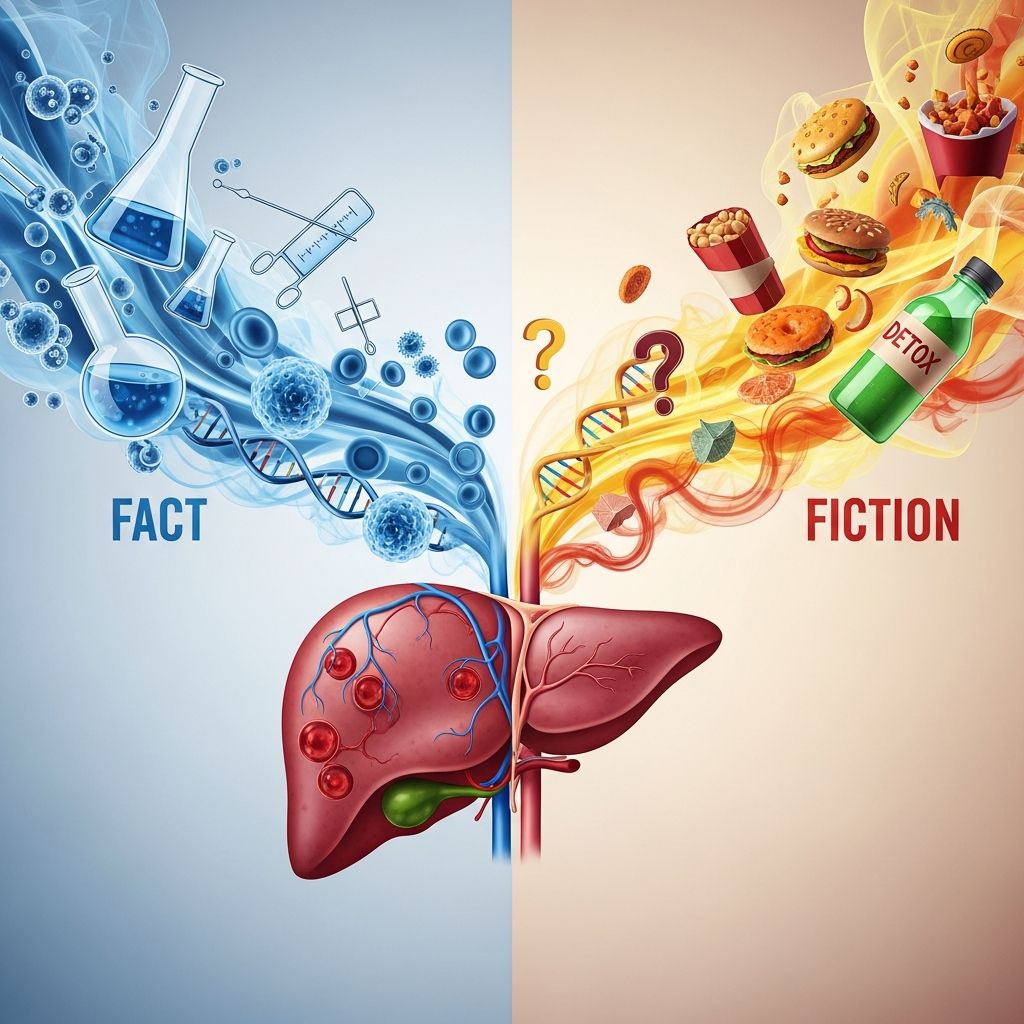
Understanding Liver Detoxification: Myth vs. Fact
The liver is one of the most vital organs in the human body, performing over 500 different functions daily. Among its most important roles is the natural detoxification of harmful substances that enter our body through food, air, and water. Despite this remarkable built-in capacity, the wellness industry has capitalized on concerns about toxins, promoting expensive liver cleanses and detox programs that promise to purify, flush, and rejuvenate this essential organ. But do these products actually work? Or are they simply marketing myths designed to exploit health-conscious consumers? The answer, supported by medical evidence, may surprise you.
What Is a Liver Cleanse?
A liver cleanse, also known as a detox or flush, is a program marketed to remove toxins from the body, facilitate weight loss, or improve overall health. These programs vary widely in their approaches and recommendations. Common components of liver cleanses include:
- Taking supplements specifically designed to flush toxins from the liver
- Consuming a restricted diet focused on liver-friendly foods
- Avoiding certain foods believed to harm liver function
- Participating in juice fasts or liquid-only diets for several days
- Using colon cleansing methods such as enemas
- Purchasing specialized commercial detox products and kits
These programs are widely available over-the-counter, online, and through various wellness practitioners. However, it is crucial to understand that most of these products have not undergone clinical trials and are not regulated by the U.S. Food and Drug Administration (FDA), which means there is no scientific verification of their safety or effectiveness.
How the Liver Actually Works
To evaluate the claims made by liver cleanse products, it is essential to understand how the liver naturally handles toxins. The liver is an incredibly sophisticated organ with remarkable detoxification capabilities built into its normal functioning. When potentially harmful substances enter the body, the liver works to neutralize, transform, and eliminate them through multiple metabolic pathways.
The liver accomplishes this detoxification process continuously and efficiently without requiring any special cleanses or supplements. In healthy individuals, this natural detoxification system works effectively to remove waste products and protect the body from harm. The notion that toxins accumulate in the liver over time, causing mysterious ailments, is not supported by medical science. In fact, there is no evidence that dangerous toxins build up in otherwise healthy livers without specific exposure to large quantities of harmful chemicals.
Myth #1: Liver Cleanses Are Necessary for Health
One of the most pervasive myths promoted by the detox industry is that liver cleanses are necessary to maintain health and proper liver function. This claim is fundamentally misleading. A healthy liver naturally cleanses itself without external intervention. Medical professionals consistently emphasize that detox programs are not necessary for health or optimal liver function.
The marketing behind liver cleanses often suggests that everyday living—eating processed foods, drinking alcohol, or exposure to environmental toxins—causes the liver to become overwhelmed and requires periodic cleansing. This narrative, while compelling, lacks scientific basis. Mainstream medical practitioners point out that doing a liver cleanse might actually be harmful, particularly for those with existing liver conditions. An unhealthy liver will not improve with a cleanse; it requires proper medical treatment and potentially lifestyle modifications.
Myth #2: Liver Cleanses Promote Weight Loss
Another popular claim is that liver cleanses aid weight loss by improving metabolism. Supporters of these products argue that removing toxins from the liver enhances metabolic function, leading to faster fat burning and weight reduction. Unfortunately, this claim does not withstand scientific scrutiny.
Related Stories



Multiple studies have found no evidence that liver cleanses promote sustained weight loss. When people do experience weight loss during a cleanse, it is typically due to fluid loss rather than fat loss. Additionally, very low-calorie diets—a component of many liver cleanses—can actually slow the body’s metabolism. The body adapts to reduced nutrient intake by absorbing nutrients more slowly, making weight loss more difficult rather than easier. Research shows that while some people may experience short-term weight loss during a detox program, they tend to regain the weight quickly once they return to their normal eating habits.
Myth #3: Liver Cleanses Prevent Liver Disease
The detox industry frequently suggests that regular liver cleanses can protect against liver disease. This claim is particularly troubling because liver disease is serious, and people may delay seeking proper medical care in favor of unproven supplements. The reality is that no evidence exists proving liver cleanses prevent liver disease in any form.
Liver disease risk is determined by a combination of factors including genetics, lifestyle choices, medical history, and environmental exposure. Risk factors for liver disease include excessive alcohol consumption, obesity, certain medications, chronic viral hepatitis, and a family history of liver disease. While lifestyle modifications can indeed help prevent liver disease, commercial detox programs have no role in disease prevention. Proper medical care, screening when appropriate, and evidence-based lifestyle changes are the only proven methods of protecting liver health.
Myth #4: Liver Cleanses Can Heal Existing Liver Damage
Perhaps most dangerously, some detox products and practitioners claim they can treat existing liver damage or cure liver disease. There is currently no scientific evidence to support this claim. If a person has liver damage or disease, they require proper medical treatment from a qualified healthcare provider, not commercial detox products.
While certain supplements such as milk thistle contain compounds like silybin that have been studied for potential liver benefits, the evidence is insufficient to conclude that these supplements treat liver conditions or improve liver health. Medical treatments developed through rigorous clinical research are the appropriate approach to managing liver disease.
The Risks and Dangers of Liver Cleanses
Beyond being ineffective, liver cleanses can pose genuine health risks. Studies have documented rising rates of liver injury from herbal and dietary supplements. Some specific dangers include:
- Certain herbal supplements can cause liver damage similar to hepatitis
- Coffee enemas, used in some detox regimens, can cause dangerous infections and electrolyte imbalances
- Unpasteurized juices can cause serious illness, particularly in older adults or immunocompromised individuals
- Fasting as part of a detox can cause weakness, fainting, headaches, and severe dehydration
- For individuals with existing liver conditions like hepatitis B, fasting can worsen liver damage
- People with kidney disease face worsened illness from juice cleanses containing high amounts of liquid
- Individuals with diabetes must be cautious, as detox diets can dangerously alter blood sugar levels
Additionally, some companies manufacturing detox products have used questionable ingredients and made false claims about treating serious diseases. The lack of FDA regulation means these products can be marketed with minimal oversight regarding safety or efficacy.
Evidence-Based Ways to Support Liver Health
Rather than pursuing unproven detox programs, individuals can support their liver health through evidence-based lifestyle choices. These approaches have genuine scientific support and carry no risk of harm:
- Limit alcohol consumption to moderate levels recommended by health guidelines
- Eat a well-balanced diet including five to nine daily servings of fruits and vegetables
- Consume adequate fiber from whole grains, vegetables, nuts, and seeds
- Include sufficient protein to support the body’s natural detoxification enzymes
- Maintain a healthy body weight through balanced nutrition and regular physical activity
- Avoid unnecessary medications and take only those prescribed by healthcare providers
- Get vaccinated against hepatitis A and B if appropriate for your situation
- Practice safe behaviors to prevent hepatitis C and other infections
- Stay hydrated by drinking adequate water throughout the day
Why People Feel Better After a Detox
It is worth noting that some individuals report feeling better after completing a detox program. However, this improvement is likely due to other factors rather than toxin removal. Many detox programs emphasize avoiding highly processed foods high in calories and low in nutritional value. By eliminating these foods temporarily, people may experience improved energy and well-being. Additionally, detox diets often remove common food allergens such as dairy, gluten, eggs, or peanuts, which can help people with sensitivities feel better.
The placebo effect and the psychological benefit of taking active steps toward health can also contribute to people feeling improved. These benefits, however, could be achieved more sustainably through permanent dietary improvements without the risks and expense of detox products.
What Medical Experts Say
The medical consensus is clear and consistent: liver detoxes are not necessary for health and are not supported by scientific evidence. Hepatologists and other medical specialists emphasize that healthy livers naturally cleanse themselves and that commercial detox products offer no proven benefit. Doctors stress that there is no proof that cleanses remove toxins or make people healthier. For individuals with genuine liver disease or damage, evidence-based medical treatment is essential.
Frequently Asked Questions
Q: Are all liver cleanses equally ineffective and dangerous?
A: While all liver cleanses lack scientific evidence of effectiveness, the degree of risk varies. Some pose minimal risk but offer no benefit, while others contain ingredients or recommend practices that can cause serious harm. Even seemingly mild cleanses can be problematic for people with existing health conditions.
Q: Can I do a liver cleanse if I have hepatitis or other liver disease?
A: No. People with liver disease should consult their healthcare provider before making dietary changes or taking any supplements. Detox practices such as fasting can actually worsen liver damage in people with hepatitis or other conditions.
Q: What should I do if I’ve already purchased a liver cleanse product?
A: Do not use it. Instead, discuss any health concerns with your primary care physician. If you’ve already used a detox product and experience symptoms like fatigue, nausea, diarrhea, or yellowing of the skin, seek medical attention promptly.
Q: Is milk thistle safe and effective for liver health?
A: While milk thistle is generally considered safe when used appropriately, there is insufficient evidence that it improves liver function or treats liver conditions. It should not be considered a substitute for medical treatment if you have liver disease.
Q: How long does it take to damage liver function through poor lifestyle choices?
A: This varies depending on the specific exposure. Alcohol-related liver damage can begin with regular heavy consumption over months to years. Obesity-related fatty liver disease can develop over time. Environmental toxin damage depends on the type and degree of exposure. Regular medical check-ups help identify problems early.
Q: Can I achieve detox benefits through diet alone without purchasing supplements?
A: Yes. Eating a nutritious, well-balanced diet rich in fruits, vegetables, whole grains, and lean protein provides far better health benefits than any commercial detox program, without the risks. Your liver will function optimally with proper nutrition and lifestyle choices.
References
- Do liver cleanses work? Evidence and risks — Medical News Today. 2024. https://www.medicalnewstoday.com/articles/320371
- Can a Detox or Cleanse Help Your Liver? — WebMD. 2024. https://www.webmd.com/fatty-liver-disease/liver-detox
- Liver Cleanse: Is Detox Really Possible? — Healthline. 2024. https://www.healthline.com/health/digestive-health/liver-cleanse
- Liver cleansing myths debunked: What Johns Hopkins hepatologist says about liver health and detox — Economic Times. 2024. https://economictimes.com/us/life/liver-cleansing-myths-debunked-what-johns-hopkins-hepatologist-says-about-liver-health-and-detox-check-details/articleshow/125651248.cms
- Liver detox diets and Traditional Chinese Medicine: Do they work? — Hepatitis Australia. 2024. https://www.hepatitisaustralia.com/liver-detox-diets-and-traditional-chinese-medicine-do-they-work
Similar Articles








Read full bio of Sneha Tete