Liver Disease Symptoms: What To Watch For At Every Stage
Recognizing the signs of liver disease early can be life-saving. Learn about symptoms, stages, and when to seek help.
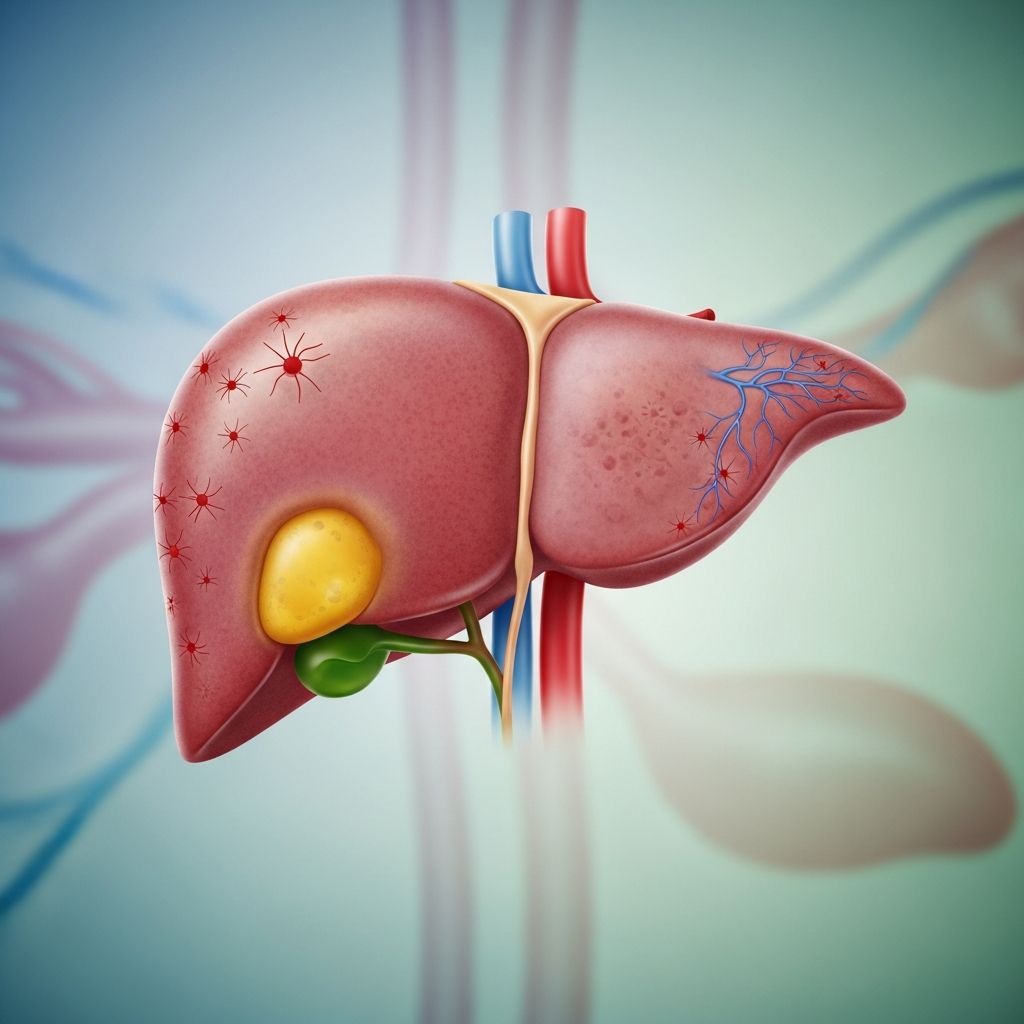
The liver is a vital organ responsible for filtering toxins, producing bile, and aiding digestion. Liver disease encompasses a range of conditions that damage this organ over time, often progressing silently in early stages. Chronic liver disease, caused by factors like viral infections, alcohol, or metabolic issues, leads to inflammation, scarring, and eventual failure if untreated. Early detection through recognizing subtle symptoms is crucial, as the liver’s regenerative capacity diminishes with ongoing damage.
What Are the Symptoms of Liver Disease?
Liver disease symptoms vary by stage. Early chronic liver disease frequently lacks noticeable signs, allowing damage to accumulate undetected. Initial indicators are nonspecific, such as fatigue, loss of appetite, or mild nausea, mimicking common ailments. As the condition advances to fibrosis and cirrhosis, symptoms intensify due to impaired bile flow and toxin buildup.
Common early symptoms include:
- Fatigue: Persistent tiredness not relieved by rest, stemming from the liver’s reduced energy processing.
- Loss of appetite: Reduced desire to eat, often with nausea or vague abdominal discomfort.
- Weight loss: Unintentional due to poor nutrient absorption and metabolism disruption.
- Mild pain: Discomfort in the upper right abdomen where the liver resides.
In later stages, bile leakage into the bloodstream triggers hallmark signs like jaundice (yellowing of skin and eyes), intense itching, and easy bruising from clotting factor deficiencies. Fluid retention leads to swelling in legs (edema) or abdomen (ascites), while hormonal imbalances cause additional manifestations.
Symptoms of Advanced Liver Disease
Advanced liver disease disrupts multiple bodily functions. Declining liver function stalls bile delivery to the intestines, causing bilirubin—a bile pigment—to accumulate in blood and tissues. This manifests as:
- Jaundice: Yellow discoloration of skin, eyes, and mucous membranes.
- Itching (pruritus): Severe, unrelenting itchiness from bile salts irritating skin nerves.
- Dark urine: Bilirubin excretion via kidneys darkens urine to tea-color.
- Pale stools: Lack of bile pigments results in clay-colored bowel movements.
Skin and nail changes signal nutritional and vascular issues:
- Spider angiomas (red spiderweb veins on skin).
- Palmar erythema (reddened palms).
- Brittle nails or white nails (Terry’s nails).
- Easy bruising or bleeding due to low platelets and clotting factors.
Fluid imbalances cause:
- Ascites: Abdominal swelling from protein-poor fluid leakage.
- Edema: Leg and ankle swelling.
Gender-specific symptoms arise from hormonal effects: women may experience amenorrhea (absent periods), loss of breast fullness, or infertility; men may notice gynecomastia (breast enlargement), testicular atrophy, or impotence.
End-Stage Liver Disease Symptoms
End-stage liver disease, or decompensated cirrhosis, marks irreversible failure. The liver can no longer regenerate, leading to systemic complications. Portal hypertension—high pressure in the vein supplying the liver—causes varices (enlarged veins) that may rupture, resulting in life-threatening bleeding. Primary liver cancer (hepatocellular carcinoma) risk surges due to chronic inflammation altering cell DNA.
Critical symptoms include:
Related Stories



- Hepatic encephalopathy: Brain fog, confusion, or coma from toxin buildup affecting the brain.
- Severe ascites: Massive abdominal distension requiring drainage.
- Variceal bleeding: Vomiting blood or black, tarry stools.
- Kidney failure (hepatorenal syndrome): Reduced kidney function from circulatory changes.
Rare but severe issues encompass bone disease (osteoporosis), infections, and lung complications like hepatopulmonary syndrome. Without transplant, end-stage disease is fatal.
Liver Disease Stages
Chronic liver disease advances through four stages, each with escalating damage:
- Hepatitis: Inflammation from injury or toxins; acute cases may resolve, but chronic leads to scarring.
- Fibrosis: Scar tissue buildup stiffens the liver, impairing blood flow; partially reversible if cause is addressed early.
- Cirrhosis: Irreversible scarring replaces healthy tissue; compensated phase may be asymptomatic, but decompensated brings overt failure.
- Liver failure: Total dysfunction; body cannot compensate, necessitating transplant for survival.
Progression speed varies by cause—alcohol-related cirrhosis advances faster than non-alcoholic fatty liver disease.
Causes of Liver Disease
Over 100 liver diseases exist, categorized by etiology:
| Type | Examples |
|---|---|
| Viral | Hepatitis A, B, C (spread via blood, bodily fluids, or contaminated food/water) |
| Alcoholic | Alcoholic hepatitis, cirrhosis from excessive drinking |
| Non-alcoholic | NAFLD/NASH linked to obesity, diabetes |
| Autoimmune | Autoimmune hepatitis, primary biliary cholangitis, primary sclerosing cholangitis |
| Genetic | Wilson’s disease, hemochromatosis (iron overload) |
| Toxic/Metabolic | Drug-induced (acetaminophen overdose), toxins |
Each cause triggers inflammation, fibrosis, and potential malignancy.
Risk Factors for Liver Disease
Certain factors heighten susceptibility:
- Heavy alcohol use (>2 drinks/day women, >3 men).
- Viral hepatitis exposure (unprotected sex, needle sharing).
- Obesity/metabolic syndrome.
- Family history of liver disease.
- Diabetes or high cholesterol.
- Exposure to toxins or certain medications.
Addressing modifiable risks like weight loss and vaccination (Hep A/B) prevents progression.
Diagnosis of Liver Disease
Diagnosis starts with history, physical exam (checking for jaundice, enlarged liver/spleen, ascites), followed by tests:
- Blood tests: Liver function (ALT, AST, bilirubin), viral serology, clotting studies.
- Imaging: Ultrasound, CT/MRI for structure/fatty changes, FibroScan for stiffness.
- Biopsy: Gold standard for grading inflammation/fibrosis.
Early diagnosis via routine screening in at-risk groups improves outcomes.
Frequently Asked Questions (FAQs)
What is the first sign of liver disease?
The earliest signs are often vague, like fatigue and loss of appetite, appearing in chronic stages before jaundice or swelling.
Can liver disease be reversed?
Early fibrosis can regress if the cause (e.g., alcohol cessation, antiviral therapy) is removed; cirrhosis is permanent but manageable.
Does liver disease cause back pain?
Upper right abdominal pain may radiate to the back, but true back pain is less common unless complications like ascites stretch tissues.
How does liver disease affect women differently?
Women may experience menstrual irregularities, breast atrophy, and faster progression due to lower body mass and alcohol metabolism differences.
When should you see a doctor for liver concerns?
Seek care for persistent fatigue, jaundice, abdominal swelling, or risk factors like heavy drinking or hepatitis exposure.
Liver disease demands vigilance. Lifestyle changes, vaccinations, and prompt medical evaluation can halt progression and restore function where possible. Consult healthcare providers for personalized advice.
References
- Liver Disease: Signs & Symptoms, Causes, Stages, Treatment — Cleveland Clinic. 2023-10-05. https://my.clevelandclinic.org/health/diseases/17179-liver-disease
- Chronic Liver Disease — National Institute of Diabetes and Digestive and Kidney Diseases (NIDDK). 2023-06-15. https://www.niddk.nih.gov/health-information/liver-disease/chronic-liver-disease
- Cirrhosis — Mayo Clinic. 2024-02-12. https://www.mayoclinic.org/diseases-conditions/cirrhosis/symptoms-causes/syc-20351487
- Hepatitis — World Health Organization (WHO). 2024-04-10. https://www.who.int/news-room/fact-sheets/detail/hepatitis
- Nonalcoholic Fatty Liver Disease — American Liver Foundation. 2023-11-20. https://liverfoundation.org/liver-diseases/fatty-liver-disease/nonalcoholic-fatty-liver-disease-nafld/
Similar Articles








Read full bio of Sneha Tete