Liver Failure: Causes, Symptoms, and Treatment Options
Understanding liver failure: recognize symptoms, explore causes, and discover treatment pathways for recovery.
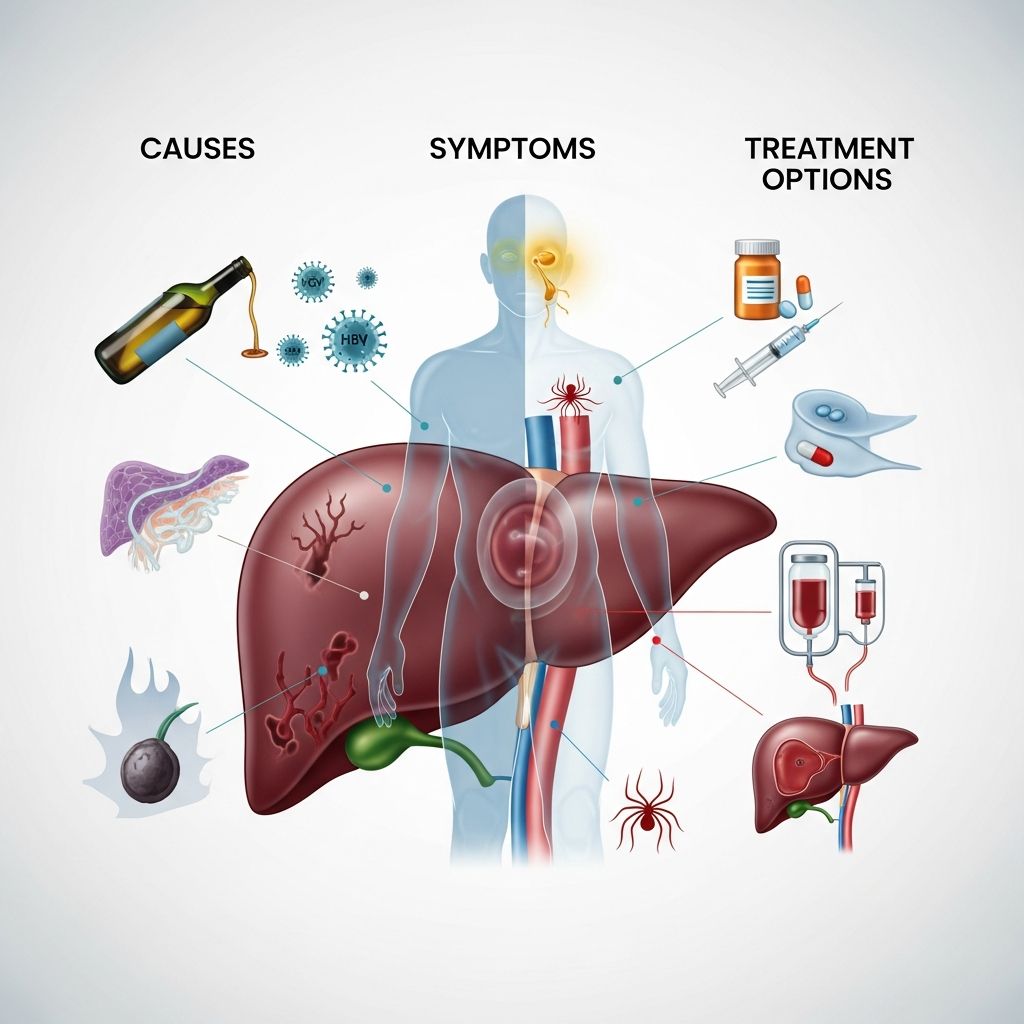
Understanding Liver Failure
Liver failure represents one of the most serious conditions affecting the hepatic system, occurring when the liver loses its ability to function properly and perform its vital roles in the body. This comprehensive guide explores the different types of liver failure, their underlying causes, warning signs, diagnostic approaches, and the full spectrum of treatment options available to patients facing this challenging diagnosis.
What Is Liver Failure?
Liver failure develops when a significant portion of the liver becomes damaged and can no longer perform its essential functions, including filtering blood, producing proteins necessary for blood clotting, and eliminating toxins from the body. The condition can develop suddenly or progress gradually over months and years, depending on whether the underlying cause is acute or chronic in nature. When the liver fails, these critical functions deteriorate, leading to serious complications throughout the body.
Types of Liver Failure
Liver failure is classified into two primary categories based on the speed of onset and underlying disease progression.
Acute Liver Failure
Acute liver failure (ALF) is a rare but life-threatening condition that develops rapidly, typically within days to weeks. This form of liver failure occurs in patients without preexisting liver disease and causes rapid deterioration of liver function within days, resulting in severe injury and massive necrosis of hepatocytes. Nearly 2,000 cases of acute liver failure occur each year in the United States, and this disease carries a high mortality rate, making early recognition and transfer to a tertiary medical care center with transplant facilities critical. Patients with ALF are almost always managed in an intensive care unit and in some cases need liver transplantation to prevent death.
Acute liver failure is further classified into three categories based on the interval between the development of jaundice and the onset of encephalopathy:
- Hyperacute liver failure: The onset of encephalopathy less than 7 days after the development of jaundice
- Acute liver failure: The onset of encephalopathy 8 to 28 days after the development of jaundice
- Sub-acute liver failure: The onset of encephalopathy more than 5 weeks but less than 12 weeks after the development of jaundice
Chronic Liver Failure
Chronic liver failure develops gradually over months or years as liver damage accumulates from persistent disease processes. This type of liver failure typically results from chronic conditions such as cirrhosis, long-standing viral hepatitis, alcoholic liver disease, or fatty liver disease. Unlike acute liver failure, chronic liver failure allows time for some adaptation, though the ultimate outcome can be equally serious without intervention.
Common Causes of Liver Failure
Liver failure can result from numerous etiologies, each requiring specific diagnostic and therapeutic approaches.
Acetaminophen-Induced Hepatotoxicity
Acetaminophen overdose remains the most prevalent cause of acute liver failure in the United States. A history of ingestion of acetaminophen and elevated serum acetaminophen levels indicate acetaminophen hepatotoxicity. The American Association for the Study of Liver Diseases recommends obtaining acetaminophen levels in all patients with acute liver failure, irrespective of the history of acetaminophen ingestion, because there is an effective antidote available for the treatment of acetaminophen toxicity.
Viral Hepatitis
Acute hepatitis from hepatitis A, B, or C viruses can progress to liver failure. A particularly important clinical scenario involves patients with previously stable, subclinical hepatitis B virus infection without established chronic liver disease. Reactivation of hepatitis B infection in these patients may lead to acute liver failure. Reactivation can occur spontaneously but is most commonly seen when the patient is immunocompromised, such as during chemotherapy-induced immunosuppression.
Related Stories



Ischemic Hepatitis
Any condition that results in acute ischemic injury to the liver can lead to acute liver failure. Budd-Chiari syndrome, prolonged systemic hypotension, and sepsis are clinical conditions that can cause hepatic ischemia, hepatocyte injury and necrosis, and subsequent acute liver failure.
Other Causes
Additional causes of acute liver failure include autoimmune hepatitis, Wilson disease, HELLP (hemolysis, elevated liver enzymes, and low platelet count) syndrome, and various medications or toxins. Chronic causes include alcohol-related liver disease, non-alcoholic fatty liver disease, cirrhosis from any etiology, and hepatitis B and C.
Recognizing the Symptoms
The symptoms of liver failure vary depending on whether the condition is acute or chronic and the severity of hepatic dysfunction. Early recognition of these warning signs is essential for timely intervention.
Early Warning Signs
- Jaundice (yellowing of the skin and eyes)
- Abdominal pain and swelling
- Nausea and vomiting
- Dark-colored urine
- Pale or clay-colored stools
- Fatigue and weakness
- Loss of appetite
Advanced Symptoms
As liver failure progresses, patients may experience hepatic encephalopathy, a condition affecting brain function due to the accumulation of toxins. Encephalopathy is graded on a scale of 1 to 4:
- Grade 1: Altered behavior with euphoria, anxiety, and decreased attention span
- Grade 2: Disorientation, lethargy, or asterixis (flapping tremor)
- Grade 3: Marked disorientation, incoherent speech, and somnolence
- Grade 4: Comatose or unresponsive to verbal or pain stimuli
Additional serious complications include bleeding disorders due to decreased production of clotting factors, kidney failure, infections, and metabolic disturbances.
Diagnostic Approaches
Accurate diagnosis of liver failure requires comprehensive laboratory testing and imaging studies.
Laboratory Tests
Blood tests form the foundation of liver failure diagnosis. A panel of liver function tests can show signs of liver disease, liver disease severity, and liver failure. Laboratory testing should include toxicology screen, acetaminophen or acetaminophen-protein adduct levels, and serologic testing for hepatitis A, hepatitis B, hepatitis C, and herpes simplex virus. Additional tests assess autoimmune hepatitis, and measure serum and urine copper and serum ceruloplasmin levels to evaluate for Wilson disease.
Imaging Studies
Imaging modalities such as ultrasound, CT scan, or MRI can assess liver size, texture, and blood flow patterns, helping identify cirrhosis, portal hypertension, or other structural abnormalities.
Liver Biopsy
In addition to helping establish the cause of acute liver failure, liver biopsy can also be used as a prognostic tool. Hepatocellular necrosis greater than 70% on the biopsy predicts death with a specificity of 90% and a sensitivity of 56%.
Complications of Liver Failure
Liver failure can trigger multiple organ system complications that require careful management.
Renal Manifestations
Acute renal failure is an important and frequent complication of acute liver failure and is mainly a result of the hemodynamic alterations in acute liver failure. The mechanism for renal failure is multifactorial. Initially it can be prerenal in etiology due to hypovolemia, but prolonged ischemia of renal tubules can cause progression to acute tubular necrosis.
Additional Complications
The clinical course of acute liver failure typically follows that of multiple organ failure, with potential complications including:
- High-output cardiac failure
- Pancreatitis, particularly in acetaminophen-induced acute liver failure
- Acute respiratory distress syndrome
- Hypoadrenalism (lack of glucocorticoid and mineralocorticoid production)
- Upper gastrointestinal bleeding from stress-related ulcers and coagulopathy
Treatment Strategies
Management of liver failure involves identifying the underlying cause, providing supportive care, and considering advanced interventions such as liver transplantation.
Management Framework
Broadly, the management of acute liver failure should involve identification of the etiology of acute liver failure whenever possible and initiation of specific treatment, supportive and symptomatic management of acute liver failure with timely transfer to the critical care unit, and early discussion with liver transplant specialists and safe transfer of patients to a liver transplant center when required.
Identification and Treatment of Underlying Etiology
Once the cause of liver failure is identified, specific treatments can be initiated. For acetaminophen-induced hepatotoxicity, N-acetylcysteine serves as an effective antidote. For Wilson disease patients, prompt listing for liver transplant is critical because death is almost certain without it, and the American Association for the Study of Liver Diseases guidelines recommend certain measures to lower the serum copper level such as albumin dialysis, continuous hemofiltration, plasmapheresis, and plasma exchange.
Supportive and Symptomatic Management
Treatment of hepatic encephalopathy depends on the grade of hepatic encephalopathy. Grade 1 hepatic encephalopathy can be managed in the medical floor with skilled nursing; however, beyond grade 1, all patients should be managed in an intensive care unit. As patients progress to grade 3 and 4 hepatic encephalopathy, intubation and mechanical ventilation, with elevation of the head of the bed, are necessary.
The general steps involved in the management of hepatic encephalopathy include providing a peaceful environment to avoid agitation, performing frequent neurological checks, avoiding sedatives or using only short-acting benzodiazepines to control severe agitation, and consideration for liver transplantation and transfer to a transplant facility.
Gastrointestinal and Infection Management
Additional supportive measures include administering histamine H2 receptor blocker or proton pump inhibitor to prevent upper gastrointestinal bleeding, broad-spectrum antibiotics to prevent or treat infections, and an antifungal agent if there is no improvement with initial antibiotic coverage.
Chronic Liver Disease Management
If you have chronic liver failure due to a chronic disease, medications may help slow the damage. For example, corticosteroids and immunosuppressants can treat autoimmune hepatitis and other conditions. Your provider will go over which medicine is right for you and check in often to see if you’re having any side effects. If you’re already taking medications, your healthcare team will discuss those to see if they could be causing liver problems. If they are, they may lower the dosage or stop the drug and change to a new one.
Liver Transplantation
For patients with end-stage liver failure unresponsive to medical management, liver transplantation offers the best chance for survival and restoration of liver function. Cleveland Clinic is a leader in doing transplants with a liver from a living donor. If you need a transplant, your care team will go over all options for replacing your damaged liver with a healthy one.
Prognosis and Outcomes
Prognosis in liver failure depends on multiple factors including the underlying cause, the grade of encephalopathy, the extent of hepatocellular necrosis, and access to specialized care including liver transplantation. Prognosis is directly related to the grade of encephalopathy with higher grades of encephalopathy portending a worse prognosis. Early recognition and transfer to a tertiary care center significantly improve outcomes.
Frequently Asked Questions
Q: What is the difference between acute and chronic liver failure?
A: Acute liver failure develops rapidly over days to weeks in patients without preexisting liver disease, while chronic liver failure develops gradually over months or years from persistent liver disease. Acute liver failure is typically more immediately life-threatening and requires intensive care unit management.
Q: Is acetaminophen the most common cause of liver failure?
A: Yes, acetaminophen-induced hepatotoxicity is the most prevalent cause of acute liver failure in the United States. Fortunately, there is an effective antidote (N-acetylcysteine) available for treatment when identified early.
Q: Can liver failure be treated without transplantation?
A: Many cases of liver failure can be managed with supportive care, treatment of the underlying cause, and medication. However, in advanced cases or when medical management fails, liver transplantation may be necessary to prevent death.
Q: What are the signs of hepatic encephalopathy?
A: Early signs include altered behavior, anxiety, and decreased attention span. As it progresses, patients may experience disorientation, lethargy, incoherent speech, and ultimately coma in severe cases.
Q: How quickly does acute liver failure progress?
A: Acute liver failure causes rapid deterioration of liver function within days to weeks. The classification depends on the interval between jaundice development and encephalopathy onset, ranging from hyperacute (less than 7 days) to sub-acute (5-12 weeks).
References
- Acute Liver Failure — Cleveland Clinic. 2024. https://my.clevelandclinic.org/departments/digestive/medical-professionals/hepatology/acute-liver-failure
- A Guide to Managing Acute Liver Failure — Cleveland Clinic Journal of Medicine, Menon KV et al. 2016. https://www.ccjm.org/content/83/6/453
- Treatment for Liver Disease — Cleveland Clinic. 2024. https://my.clevelandclinic.org/departments/digestive/depts/liver-disease
- Nearly 2,000 Cases of Acute Liver Failure Occur Annually in the United States — PubMed/Cleveland Clinic Journal of Medicine. 2016. https://pubmed.ncbi.nlm.nih.gov/27281258/
- Get Treatment for Liver Diseases — Cleveland Clinic. 2024. https://my.clevelandclinic.org/services/liver-disease-treatment
- Liver Disease: Signs & Symptoms, Causes, Stages, Treatment — Cleveland Clinic. 2024. https://my.clevelandclinic.org/health/diseases/17179-liver-disease
Similar Articles








Read full bio of Sneha Tete