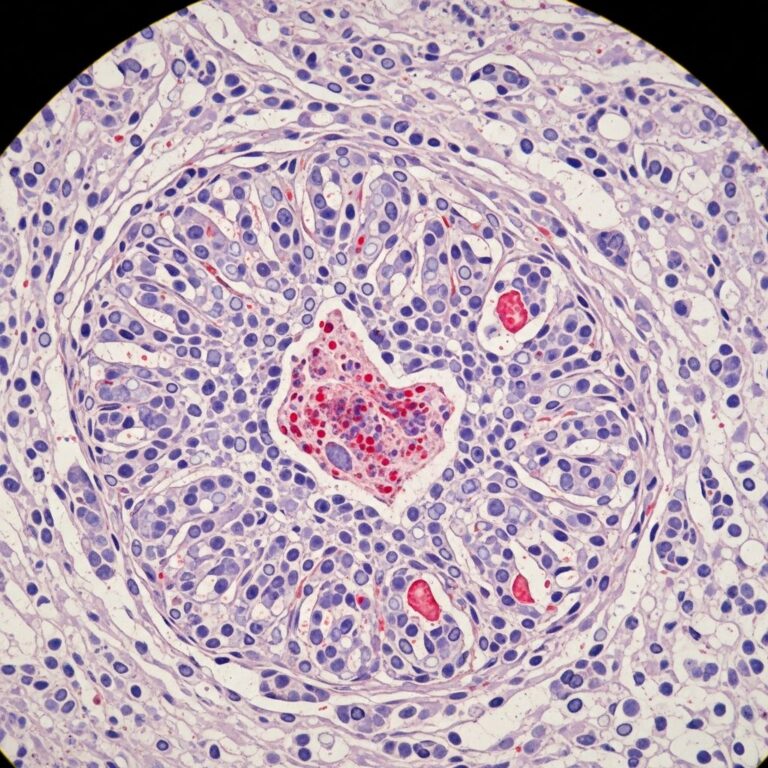
Liver Function Blood Test: 9 Essential Markers To Know
Understand what liver function blood tests measure, why they're done, and what abnormal results might mean for your health.
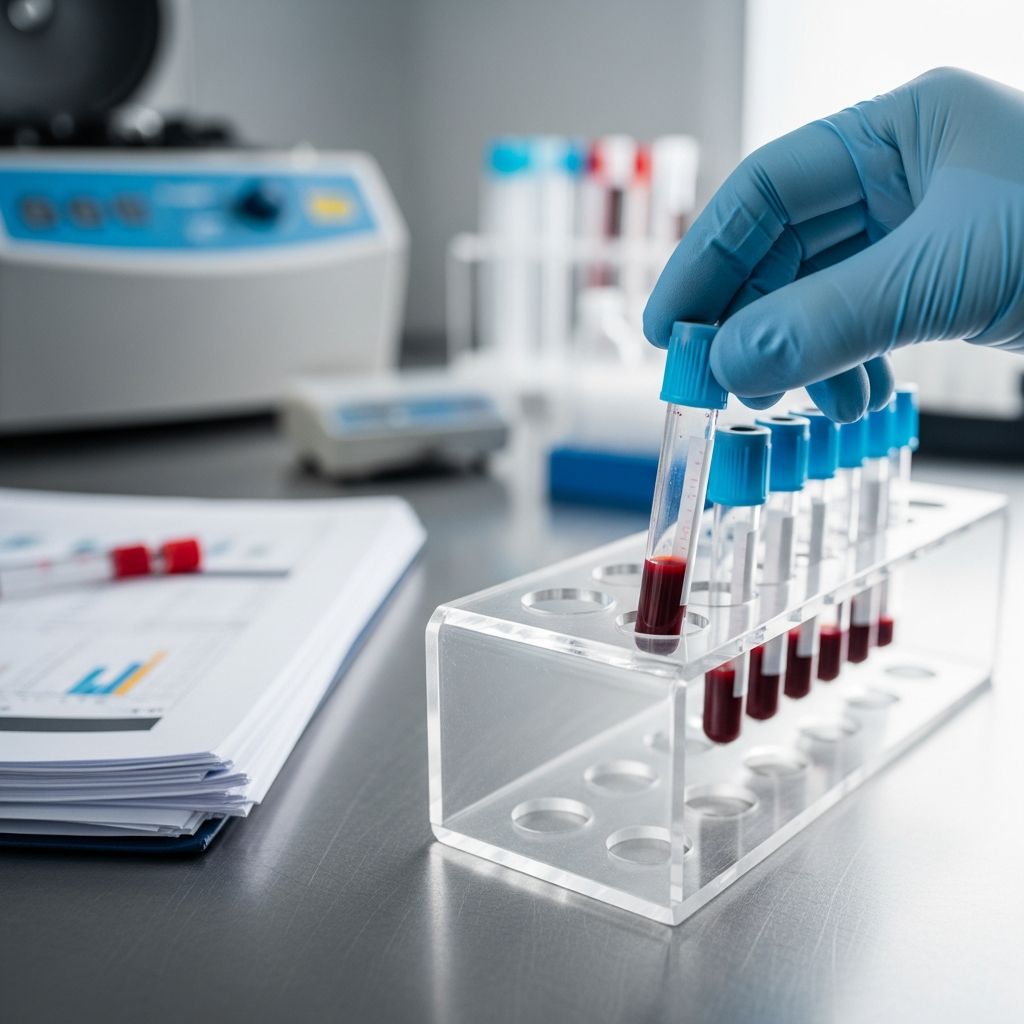
Liver function tests, often called LFTs or a liver panel, are a group of blood tests that measure substances produced or processed by the liver to assess its health and functionality. These tests help detect liver damage, inflammation, or disease by evaluating enzymes, proteins, and waste products like bilirubin.
What Is a Liver Function Blood Test?
A
liver function blood test
involves drawing a blood sample to analyze several key markers that indicate how well the liver is working. Despite the name, most tests in the panel primarily detect liver injury or inflammation rather than direct function, with bilirubin and albumin providing the best insights into actual liver capacity.The liver performs over 500 vital functions, including filtering toxins, producing proteins, and metabolizing nutrients. LFTs screen for issues like hepatitis, fatty liver disease, cirrhosis, or bile duct problems. They are commonly ordered as part of routine checkups, such as in a comprehensive metabolic panel (CMP), or when symptoms suggest liver concerns.
Purpose of Liver Function Tests
Liver function tests serve multiple purposes:
- Screen for liver disease: Identify potential issues in asymptomatic individuals, especially those at risk from alcohol use, obesity, or medications.
- Diagnose conditions: Differentiate between hepatitic (liver cell damage) and cholestatic (bile flow obstruction) disorders based on enzyme patterns.
- Monitor disease progression: Track chronic conditions like hepatitis or non-alcoholic fatty liver disease (NAFLD).
- Assess treatment effectiveness: Evaluate response to medications or lifestyle changes.
- Check medication side effects: Detect liver toxicity from drugs like statins, acetaminophen, or chemotherapy.
At a basic level, elevated enzymes like ALT and AST suggest hepatocyte damage, while rises in ALP and GGT point to cholestasis. Ratios like AST:ALT help distinguish alcoholic liver disease (ALD, ratio >2) from NAFLD (ratio <1).
Common Tests Included in a Liver Panel
A standard liver panel includes the following markers:
- Alanine transaminase (ALT): An enzyme primarily in liver cells; elevation indicates liver cell damage.
- Aspartate transaminase (AST): Found in liver and other tissues; AST:ALT ratio aids in diagnosing ALD vs. NAFLD.
- Alkaline phosphatase (ALP): Enzyme in liver, bones, and bile ducts; high levels suggest bile duct obstruction.
- Gamma-glutamyl transferase (GGT): Sensitive to alcohol use and bile duct issues; confirms liver origin of elevated ALP.
- Bilirubin (total and direct): Waste from red blood cell breakdown; high levels cause jaundice and indicate poor liver processing.
- Albumin: Protein synthesized by the liver; low levels signal chronic liver dysfunction.
- Total protein: Includes albumin and globulins; assesses overall protein production.
- Prothrombin time (PT/INR): Measures clotting factor production; prolonged times indicate severe liver impairment.
- Lactate dehydrogenase (LDH): Non-specific enzyme elevated in liver damage or other tissue injury.
Normal ranges vary by lab, age, sex, and method, but typical values are: ALT 7-56 U/L, AST 10-40 U/L, ALP 44-147 U/L, bilirubin 0.1-1.2 mg/dL.
When Are Liver Function Tests Ordered?
Providers order LFTs during routine exams or if you have risk factors or symptoms of liver issues. Common triggers include:
- Risk factors: Heavy alcohol use, obesity, diabetes, viral hepatitis exposure, family history of liver disease, or certain medications.
- Symptoms: Fatigue, jaundice (yellow skin/eyes), dark urine, light stools, abdominal pain/swelling, nausea, loss of appetite, itching, or easy bruising.
- Monitoring: Known liver conditions, cancer treatment, or post-surgery follow-up.
In NAFLD, mild ALT elevation (up to 5x normal) with GGT rises is common, mimicking alcoholic patterns but requiring metabolic risk assessment.
Related Stories



How to Prepare for a Liver Function Test
Preparation is straightforward:
- Fasting: Often required for 8-12 hours, especially if part of a CMP; water is allowed.
- Medications: Inform your provider about all drugs, supplements, or herbs, as they can affect results (e.g., statins raise enzymes).
- Alcohol avoidance: Stop heavy drinking days before, as it elevates GGT and transaminases.
- Hydration: Drink water to ease vein access.
No special diet is needed beyond fasting. Tests are typically done in the morning.
Liver Function Test Procedure
The test is a simple venipuncture:
- A phlebotomist cleans your arm and ties a tourniquet.
- A needle draws blood from a vein (usually inner elbow), which may cause brief pinching.
- A bandage is applied; avoid heavy lifting for 5 minutes.
- The sample goes to a lab for analysis; results are available in hours to days.
The process takes 5-10 minutes with minimal discomfort.
Risks of Liver Function Blood Tests
Risks are low:
- Bleeding/bruising: Minor at the puncture site.
- Fainting: Rare, more in those with needle phobia.
- Infection: Prevented by sterile technique.
Multiple tubes may be drawn if combined with other panels.
Liver Function Test Results
Results are interpreted in patterns:
| Pattern | Markers Elevated | Possible Cause |
|---|---|---|
| Hepatitic | ALT/AST >> ALP/GGT | Viral hepatitis, NAFLD, drugs |
| Cholestatic | ALP/GGT >> ALT/AST | Bile duct obstruction, gallstones |
| Alcoholic | AST > ALT (ratio >2), GGT | ALD |
| NAFLD/NASH | ALT > AST (ratio <1), mild | Metabolic syndrome |
High enzymes: ALT/AST 2-3x normal suggests mild damage; >1000 U/L indicates acute injury (e.g., ischemia, toxins).
Low albumin/ high bilirubin: Chronic disease or synthetic dysfunction.
Follow-up tests like ultrasound or biopsy may be needed; results alone don’t diagnose.
What Do Abnormal Liver Function Test Results Mean?
Abnormalities indicate:
- Liver inflammation (hepatitis): High ALT/AST from viruses, alcohol, or autoimmune issues.
- Bile duct problems: Elevated ALP/GGT/bilirubin in obstruction.
- Cirrhosis/fibrosis: Low albumin, prolonged PT, low platelets; APRI score helps.
- Fatty liver: AST:ALT ratios differentiate ALD vs. NAFLD; Mayo score risk-stratifies.
- Other: Wilson’s disease (ALP:bilirubin <4, AST:ALT >2.2).
Always consult a provider for context; transient elevations can occur from exercise or hospital admission.
Follow-Up After Abnormal Results
Next steps:
- Repeat testing to confirm.
- Imaging (ultrasound, CT) or specialist referral (hepatologist).
- Lifestyle changes: Weight loss, alcohol cessation, diet.
Frequently Asked Questions (FAQs)
Can liver function tests diagnose specific diseases?
No, they indicate problems but require further tests for diagnosis.
Do I need to fast for LFTs?
Often yes, for 8-12 hours if part of CMP.
What if my ALT is high but others normal?
Suggests early NAFLD or medication effect; monitor and investigate.
Can alcohol affect results?
Yes, raises GGT and transaminases; abstain before testing.
Are LFTs safe during pregnancy?
Yes, with standard precautions.
References
- What is the Real Function of the Liver ‘Function’ Tests? — Kwo PY, Cohen SM, Lim JK. PMC. 2013-04-01. https://pmc.ncbi.nlm.nih.gov/articles/PMC3609680/
- Liver Function Tests — MedlinePlus. U.S. National Library of Medicine. 2023-06-01. https://medlineplus.gov/lab-tests/liver-function-tests/
Similar Articles








Read full bio of medha deb