Liver Function Tests: 8 Key Tests Explained
Understand liver function tests: what they measure, normal ranges, and what abnormal results mean for your health.

The liver is a vital organ responsible for detoxification, metabolism, protein synthesis, and bile production. Liver function tests (LFTs), also known as liver chemistries or hepatic panel, are a group of blood tests that assess the liver’s performance and detect potential damage or disease. These tests measure levels of enzymes, proteins, and bilirubin to provide insights into liver health.
Why Liver Function Tests Matter
LFTs help diagnose liver conditions, monitor disease progression, evaluate treatment effectiveness, and screen for medication side effects. They are crucial for identifying issues like hepatitis, cirrhosis, fatty liver disease, or bile duct obstructions early, often before symptoms appear. Common reasons for ordering LFTs include unexplained fatigue, jaundice, abdominal pain, or risk factors such as alcohol use, obesity, or viral exposure.
Key Components of Liver Function Tests
A standard LFT panel includes several markers. Here’s a breakdown of the primary tests:
- Alanine Transaminase (ALT): An enzyme primarily in liver cells. Elevated levels indicate liver cell damage.
- Aspartate Transaminase (AST): Found in liver, heart, and muscles. High levels suggest liver injury but can also reflect muscle issues.
- Alkaline Phosphatase (ALP): Enzyme in liver, bones, and bile ducts. Increases may signal bile flow blockage.
- Gamma-Glutamyl Transferase (GGT): Sensitive to liver damage, especially from alcohol or bile duct problems.
- Bilirubin (Total, Direct, Indirect): Waste product from red blood cell breakdown. Elevated levels cause jaundice.
- Albumin: Protein produced by the liver. Low levels indicate chronic liver dysfunction.
- Total Protein: Measures albumin and globulins for overall protein synthesis assessment.
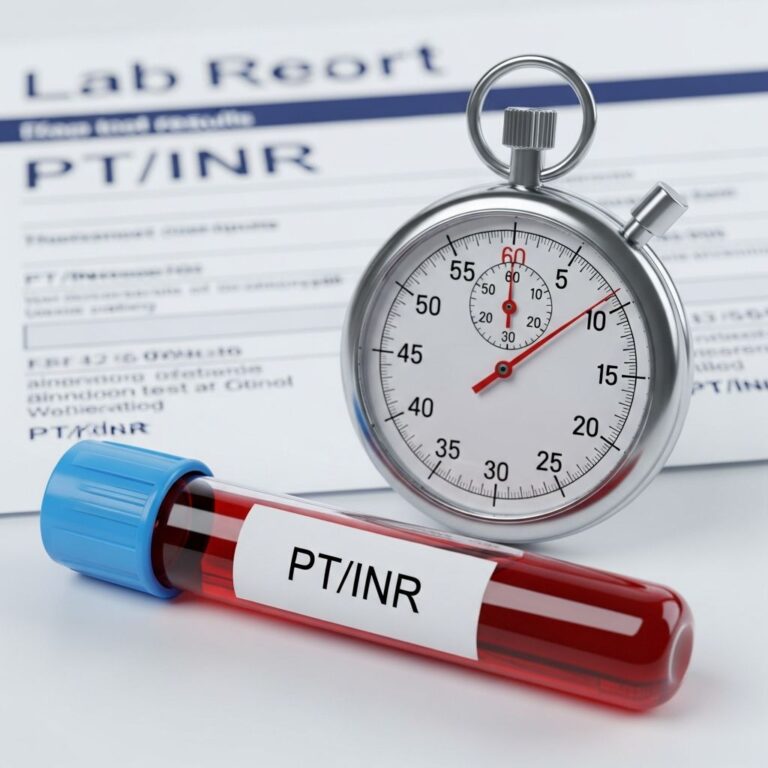
- Prothrombin Time (PT) and INR: Evaluate blood clotting, as the liver produces clotting factors.
Normal Reference Ranges
Normal values vary by lab, age, sex, and method, but general ranges are:
| Test | Normal Range | Units |
|---|---|---|
| ALT | 4-55 | IU/L or U/L |
| AST | 5-48 | IU/L or U/L |
| ALP | 30-129 | IU/L or U/L |
| GGT | 6-61 | IU/L or U/L |
| Total Bilirubin | 2-17 (0.1-1.2) | µmol/L (mg/dL) |
| Direct Bilirubin | 0-6 | µmol/L |
| Albumin | 35-50 (3.5-5.0) | g/L (g/dL) |
| Total Protein | 60-80 (6.3-7.9) | g/L (g/dL) |
| PT | 10.9-12.5 | seconds |
Ranges from . Always consult your lab’s specific reference values.
How Liver Function Tests Are Performed
LFTs require a simple blood draw from a vein, usually in the arm, taking just minutes. No special preparation is typically needed, though fasting may be advised for accurate bilirubin or protein levels. Results are available within hours to days. Part of routine panels like comprehensive metabolic panels (CMP), they pose minimal risk beyond slight bruising.
Interpreting Abnormal Results
Abnormal LFTs don’t diagnose specific diseases alone but guide further investigation. Patterns matter:
- Isolated ALT/AST elevation: Hepatocellular injury (e.g., viral hepatitis, NAFLD, toxins). ALT > AST suggests non-alcoholic causes; AST > ALT points to alcohol-related damage.
- ALP/GGT rise: Cholestasis or biliary issues (gallstones, tumors).
- Mixed pattern: Chronic conditions like cirrhosis.
- Low albumin/prolonged PT: Synthetic dysfunction in advanced disease.
Mild elevations (<5x upper limit) are common in healthy people; significant rises (>10x) warrant urgent evaluation.
Common Causes of Elevated Liver Enzymes
| Pattern | Possible Causes |
|---|---|
| ALT-predominant | Viral hepatitis, NAFLD, autoimmune hepatitis, medications, hemochromatosis |
| AST-predominant | Alcoholic liver disease, cirrhosis, muscle injury |
| ALP-predominant | Bile duct obstruction, PBC, bone disease |
| GGT elevated | Alcohol use, drugs, biliary obstruction |
Related Stories



Symptoms Prompting LFTs
Seek testing for:
- Jaundice (yellow skin/eyes)
- Dark urine, pale stools
- Abdominal swelling/pain
- Fatigue, nausea, loss of appetite
- Easy bruising/bleeding
Follow-Up After Abnormal LFTs
Repeat tests confirm persistence. Further steps include ultrasound, viral serologies (Hep A/B/C), autoimmune markers, ferritin, or biopsy. Lifestyle changes like reducing alcohol, weight loss, and avoiding hepatotoxins are first-line.
Maintaining Liver Health
Prevent issues by:
- Limiting alcohol
- Maintaining healthy weight
- Vaccinating against hepatitis A/B
- Avoiding unnecessary medications
- Eating balanced diet
LFTs in Specific Populations
Pregnancy, children, and elderly may have altered baselines. Monitor regularly if at risk (e.g., diabetes, obesity).
Frequently Asked Questions (FAQs)
What if my LFTs are slightly high?
Often benign; retest and address lifestyle factors.
Can medications affect LFTs?
Yes, statins, acetaminophen, antibiotics commonly do.
How often should LFTs be done?
Routinely for at-risk individuals; as advised by doctor.
Do normal LFTs rule out liver disease?
No, early disease may not elevate markers.
What’s the difference between ALT and AST?
ALT is liver-specific; AST is in multiple tissues.
References
- Liver Function Tests – StatPearls — NCBI Bookshelf. 2023-07-17. https://www.ncbi.nlm.nih.gov/books/NBK482489/
- Liver Function Tests in Adults – A Guide for GPs — Royal United Hospitals Bath NHS Foundation Trust. 2023. https://www.ruh.nhs.uk/pathology/documents/clinical_guidelines/PATH_025_Liver_Function_Tests_in_Adults_A_Guide_for_GPs.pdf
- Liver function tests — Mayo Clinic. 2024-01-09. https://www.mayoclinic.org/tests-procedures/liver-function-tests/about/pac-20394595
- Common Liver Function Tests — University of Rochester Medical Center. 2023. https://www.urmc.rochester.edu/encyclopedia/content?contenttypeid=85&contentid=p00687
- Liver Function Tests — MedlinePlus. 2024-02-12. https://medlineplus.gov/lab-tests/liver-function-tests/
- ALT And AST: Your Guide To Liver Function Tests — BGAPC. 2023. https://bgapc.com/guide-to-liver-function-tests/
- Liver Function Tests: Types, Purpose & Results Interpretation — Cleveland Clinic. 2023-11-03. https://my.clevelandclinic.org/health/diagnostics/17662-liver-function-tests
Similar Articles








Read full bio of Sneha Tete