The Liver and Its Many Functions in Digestion
Discover how the liver supports digestion, detoxification, and overall health.
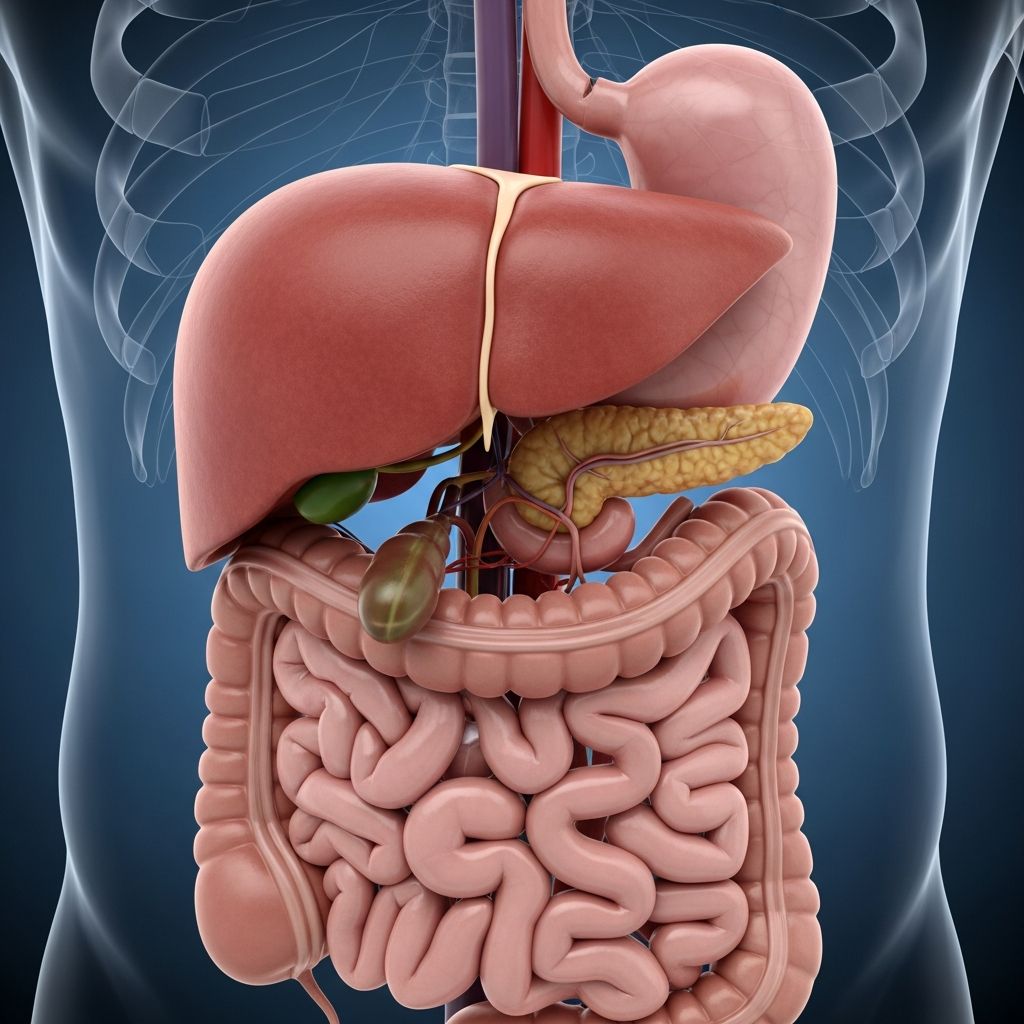
The Liver: A Vital Organ in Digestion
The liver is the second-largest organ in the human body, surpassed only by the skin. Weighing about three pounds and roughly the size of a football, the liver plays a central role in ensuring the body functions properly. While not officially part of the digestive system, the liver is indispensable to digestion, metabolism, and detoxification. Every substance we ingest—food, alcohol, medications, and toxins—passes through the liver for processing before entering the bloodstream.
Key Roles of the Liver in Digestion
- Processing Nutrients: The liver processes nutrients absorbed from the small intestine, converting them into forms the body can use.
- Detoxification: It filters toxins, drugs, and harmful substances from the blood.
- Bile Production: The liver produces bile, a fluid essential for fat digestion and waste removal.
- Energy Storage: It stores energy in the form of glycogen and regulates blood sugar levels.
- Protein Synthesis: The liver produces albumin and other proteins vital for bodily functions.
How the Liver Processes Nutrients
After food is digested by the stomach and intestines, nutrients are absorbed into the bloodstream and transported to the liver. The liver acts as the body’s chemical factory, transforming these nutrients into usable forms. For example, carbohydrates are converted into glucose, which is either used for energy or stored as glycogen. Proteins are broken down into amino acids, which the liver uses to synthesize new proteins or convert into energy.
Detoxification and Blood Filtration
The liver filters all the blood leaving the stomach and intestines, removing toxins, byproducts, and harmful substances. This process is crucial for protecting the body from damage caused by alcohol, drugs, and environmental pollutants. The liver also removes bacteria from the bloodstream, helping to prevent infections.
Bile Production and Fat Digestion
Bile is a yellow-green fluid produced by the liver and stored in the gallbladder. It plays a critical role in the digestion and absorption of fats in the small intestine. Bile also helps carry waste products and toxins out of the body through the stool. Without bile, fat digestion would be severely impaired, leading to malnutrition and other health issues.
Energy Storage and Blood Sugar Regulation
The liver stores energy in the form of glycogen, a complex carbohydrate. When blood sugar levels are high, the liver removes excess glucose from the blood and stores it as glycogen. When blood sugar levels drop, the liver converts glycogen back into glucose, releasing it into the bloodstream to provide energy. This process helps maintain stable blood sugar levels, which is essential for overall health.
Protein Synthesis and Albumin Production
The liver produces albumin, a protein that keeps fluids in the bloodstream from leaking into surrounding tissues. Albumin also transports hormones, vitamins, and enzymes throughout the body. The liver synthesizes other proteins necessary for blood clotting and immune function.
Related Stories



Storage of Vitamins and Minerals
The liver stores significant amounts of vitamins A, D, E, K, and B12, as well as iron and copper. These nutrients are released into the bloodstream as needed, ensuring the body has a steady supply of essential vitamins and minerals.
Metabolic Regulation
The liver plays a key role in regulating metabolism, including the breakdown and synthesis of fats, carbohydrates, and proteins. It also helps maintain cholesterol homeostasis and processes hormones, including sex hormones.
Immune Function
The liver contains specialized cells called Kupffer cells that play an important role in the body’s immune system. These cells help remove bacteria and other pathogens from the bloodstream, protecting the body from infection.
Common Liver Diseases and Conditions
Despite its resilience, the liver is susceptible to a variety of diseases and conditions, including hepatitis, cirrhosis, fatty liver disease, and liver cancer. These conditions can impair the liver’s ability to perform its vital functions, leading to serious health problems.
How to Keep Your Liver Healthy
- Maintain a Healthy Diet: Eat a balanced diet rich in fruits, vegetables, whole grains, and lean proteins.
- Limit Alcohol Consumption: Excessive alcohol can damage the liver and lead to liver disease.
- Avoid Toxins: Minimize exposure to environmental toxins and avoid unnecessary medications.
- Exercise Regularly: Physical activity helps maintain a healthy weight and supports liver function.
- Get Vaccinated: Vaccinations can protect against hepatitis A and B.
Frequently Asked Questions (FAQs)
Q: What is the liver’s main role in digestion?
A: The liver’s main role in digestion is to process nutrients absorbed from the small intestine, produce bile for fat digestion, and detoxify harmful substances.
Q: How does the liver regulate blood sugar?
A: The liver removes excess glucose from the blood and stores it as glycogen. When blood sugar levels drop, it converts glycogen back into glucose and releases it into the bloodstream.
Q: What happens if the liver is damaged?
A: Liver damage can impair its ability to perform vital functions, leading to symptoms such as fatigue, jaundice, and digestive problems. Severe liver damage can result in liver failure.
Q: Can the liver regenerate itself?
A: Yes, the liver has a remarkable ability to regenerate itself. Even if up to 75% of the liver is removed, it can regrow to its original size.
Q: What are the signs of liver disease?
A: Signs of liver disease include fatigue, jaundice, abdominal pain, swelling in the legs and abdomen, and changes in stool color.
References
- Understanding the Liver’s Role in Digestion — OCRC. https://ocrc.net/understanding-the-livers-role-in-digestion/
- What Does the Liver Do, and How Do I Keep Mine Healthy? — Michigan Medicine. https://www.michiganmedicine.org/health-lab/what-does-liver-do-and-how-do-i-keep-mine-healthy
- Liver Functions, Location, Anatomy and Disease — Columbia Surgery. https://columbiasurgery.org/liver/liver-and-its-functions
- Physiology, Liver — NCBI Bookshelf. https://www.ncbi.nlm.nih.gov/books/NBK535438/
- Your Liver (for Kids) — Humana Louisiana. https://kidshealth.org/HumanaLouisiana/en/kids/liver.html
- How The Liver Works — YouTube. https://www.youtube.com/watch?v=ZjFpfOk-Vig
- Understanding Your Liver: Location, Function, and Complexity — Liver Foundation. https://liverfoundation.org/about-your-liver/how-liver-diseases-progress/the-healthy-liver/
- Liver: Where It’s Located, Function & Anatomy — Cleveland Clinic. https://my.clevelandclinic.org/health/body/21481-liver
Similar Articles








Read full bio of Sneha Tete