Liver Scan: Purpose, Procedure & Results
Comprehensive guide to liver scans: Learn about the procedure, why it's needed, and what results mean.
What is a Liver Scan?
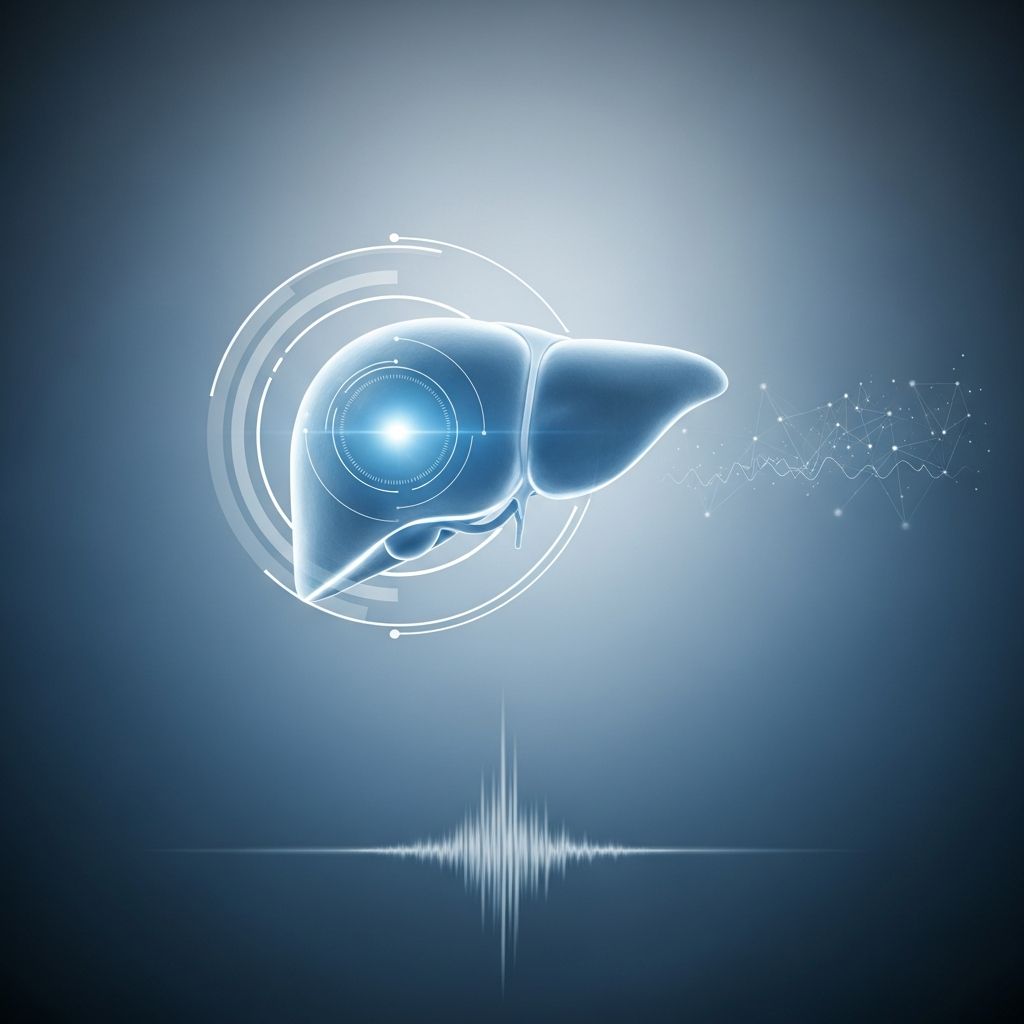
A liver scan is a noninvasive nuclear imaging test that uses a small amount of radioactive material to evaluate the structure and function of your liver and spleen. This specialized diagnostic procedure helps healthcare providers assess how well these organs are functioning and identify potential abnormalities or disease. The test is also commonly referred to as a liver-spleen scan because healthcare providers often examine both organs simultaneously during the imaging process.
During a liver scan, a radioactive tracer (a tiny amount of radioactive material) is injected into a vein in your arm or hand. The liver tissue absorbs this tracer, while the remaining material is absorbed by your spleen and bone marrow. As the tracer collects in the liver, it emits gamma rays that are detected by a specialized scanner. This scanner captures detailed images showing the distribution of the radioactive material throughout your liver, providing valuable information about organ function and any structural abnormalities.
Why You Might Need a Liver Scan
Your healthcare provider may recommend a liver scan for several important reasons related to assessing your liver health and function. Understanding these indications can help you better prepare for the procedure and comprehend why your doctor considers it necessary for your care.
Diagnostic Purposes
Liver scans are frequently ordered to diagnose or rule out various liver conditions. The test can help detect liver diseases such as cirrhosis, hepatitis, and fatty liver disease. One of the most common uses for a liver scan is to diagnose benign focal nodular hyperplasia (FNH), a noncancerous mass in the liver that requires differentiation from other liver lesions. The scan can also detect liver abscesses, infections, and inflammatory conditions affecting organ function.
Evaluating Liver Masses
If imaging tests reveal masses or abnormal growths in your liver, a liver scan can provide additional information to help characterize these lesions. The test helps determine whether masses are absorbing the radioactive tracer normally, which can indicate whether they represent functioning liver tissue or abnormal growths that may require further investigation or treatment.
Assessing Liver and Spleen Size
A liver scan can determine whether your liver or spleen is enlarged (hepatomegaly or splenomegaly). Organ enlargement may indicate liver disease, portal hypertension, infection, or other systemic conditions that require medical attention. The test provides precise information about organ dimensions and positioning.
Evaluating Trauma and Injury
Following abdominal trauma or injury, a liver scan may be performed to assess how well your liver and spleen are functioning. The test can detect tissue damage, infarction (tissue death), or vascular complications resulting from traumatic injury to these organs.
Monitoring Upper Right Abdominal Pain
When patients experience unexplained pain in the upper right area of the abdomen, a liver scan can help identify the underlying cause. This may include detecting gallbladder dysfunction, liver disease, or other hepatic pathology contributing to symptoms.
How the Procedure is Performed
Understanding what to expect during your liver scan can help reduce anxiety and ensure you’re properly prepared for the test. The procedure typically takes about one to two hours from start to finish, though the actual scanning time is relatively brief.
Related Stories



Preparation Phase
You will be asked to remove your clothing and wear a hospital gown to allow clear access to your abdomen for the scan. You should remove any jewelry, watches, and metal accessories that might interfere with the imaging equipment. Most liver scans require minimal special preparation, though your healthcare provider may give you specific instructions based on your individual circumstances.
Injection of Radioactive Tracer
A healthcare professional will establish an intravenous (IV) line in your arm or hand. Through this IV line, the radiologist will inject a small amount of radioactive tracer into your bloodstream. This tracer is specially formulated to be absorbed by liver tissue and is completely safe in the small quantities used for diagnostic imaging. You should not experience pain during the injection, though you may feel a slight pressure or coolness at the injection site.
Waiting Period
After the tracer injection, you will typically wait 15 to 30 minutes in a waiting area while the radioactive material collects in your liver tissue. This allows sufficient time for the tracer to be absorbed by the hepatic tissue and distribute appropriately throughout the organ. If the tracer takes longer than expected to collect, your healthcare provider may ask you to return the following day to complete the scan.
Scanning Phase
Once the appropriate time has elapsed, you will be positioned on a scanning table and asked to lie still. A large gamma camera will be positioned above your body to detect the gamma rays emitted by the radioactive tracer. The scanner records these emissions and converts them into detailed images displayed on a computer monitor. You may be asked to hold your breath briefly or remain in different positions during the scan to obtain optimal images of various liver surfaces and angles.
Completion
After all necessary images have been captured, the IV line will be removed from your arm or hand. You can resume your normal activities and diet immediately unless your healthcare provider instructs you otherwise. The radioactive tracer will be naturally eliminated from your body through urine and stool over the following hours to days.
Understanding Your Results
Interpreting liver scan results requires professional medical expertise, as the images and findings must be analyzed within the context of your individual medical history and clinical presentation. Your radiologist will examine the images and provide a detailed report to your healthcare provider.
Normal Results
In a normal liver scan, your liver and spleen should appear in their expected size, shape, and anatomical location. The radioactive tracer should be absorbed evenly throughout the liver tissue, indicating normal hepatic function. The spleen and bone marrow should also show appropriate tracer distribution. Normal results suggest that your liver is functioning properly and no significant structural abnormalities are present.
Abnormal Results
Abnormal liver scan results may indicate various conditions that require further evaluation or treatment:
- Benign focal nodular hyperplasia or liver adenoma
- Liver abscesses or infections
- Budd-Chiari syndrome (hepatic vein thrombosis)
- Liver disease including cirrhosis or hepatitis
- Superior vena cava obstruction
- Splenic infarction or tissue death
- Liver tumors or malignancies
- Liver or spleen enlargement
- Areas of decreased or absent tracer uptake suggesting nonfunctioning tissue
Abnormal results do not constitute a definitive diagnosis but rather provide important diagnostic information that your healthcare provider will use along with clinical findings, laboratory tests, and potentially additional imaging studies to determine your condition and recommend appropriate treatment.
Types of Liver Imaging Tests
While the nuclear liver scan is one valuable diagnostic tool, several other imaging modalities can assess liver structure and function. Your healthcare provider may recommend one or more of these tests depending on your clinical situation.
HIDA Scan
A HIDA scan (hepatobiliary iminodiacetic acid scan), also known as cholescintigraphy or hepatobiliary scintigraphy, is a specialized nuclear medicine study that evaluates your liver, gallbladder, bile ducts, and small intestine. This test is particularly useful for assessing bile flow and detecting gallbladder dysfunction.
Liver Ultrasound
Abdominal ultrasound uses sound waves rather than radiation to create images of your liver. This noninvasive test can detect structural abnormalities, blockages, and fatty infiltration. Ultrasound is often used as an initial screening tool and can provide guidance for liver biopsy procedures. Special ultrasound techniques can evaluate blood flow through the liver or measure liver tissue stiffness.
CT Scan
Computed tomography (CT) uses X-rays and computer processing to generate detailed cross-sectional images of your liver. CT scans can measure liver size and detect abnormalities such as lesions, tumors, cysts, blood vessel issues, and signs of inflammation. CT imaging is particularly helpful in diagnosing cirrhosis, infections, and monitoring response to treatments like chemotherapy.
Fibroscan (Transient Elastography)
FibroScan is a noninvasive ultrasound-based technique that measures liver stiffness as an indicator of fibrosis and scarring. A probe delivers ultrasound waves to liver tissue, and the speed of sound transmission through the tissue is measured to determine liver elasticity. Fibrosis scores range from 2 to 6 kilopascals (kPa) for normal livers, with higher scores indicating greater scarring and potential cirrhosis.
Radiation Safety and Precautions
Many patients express concern about the radiation exposure involved in nuclear medicine procedures. The amount of radiation used in a liver scan is minimal and carefully controlled to provide maximum diagnostic benefit while minimizing health risks. The radioactive tracer is eliminated naturally from your body through normal physiological processes.
Inform your healthcare provider if you are pregnant, breastfeeding, or suspect you might be pregnant, as this may affect the timing or performance of your liver scan. If you are breastfeeding, your provider may recommend temporary cessation of breastfeeding for a short period following the scan. Certain medications or recent imaging studies with contrast material may also affect scheduling of your liver scan.
Frequently Asked Questions
Q: Is a liver scan painful?
A: No, the liver scan is a painless procedure. You may feel slight discomfort when the IV needle is inserted, but the scan itself causes no pain. The radioactive tracer emission and gamma camera detection are completely painless processes.
Q: How long does a liver scan take?
A: The entire procedure typically takes one to two hours from arrival to departure. The actual scanning time is usually 20 to 30 minutes, with most of the time spent in the waiting period allowing the tracer to collect in your liver.
Q: Are there side effects from the radioactive tracer?
A: Side effects from the radioactive tracer are extremely rare. The amount of radiation is minimal and similar to what you receive during other diagnostic imaging procedures. Some patients may experience mild allergic reactions, but this is uncommon.
Q: Can I eat or drink before my liver scan?
A: Most liver scans do not require fasting. However, your healthcare provider may give you specific instructions about eating or drinking based on your individual circumstances. Follow any preparatory instructions provided by your medical facility.
Q: When will I receive my results?
A: A radiologist will review your images and prepare a report, which is typically provided to your healthcare provider within 24 to 48 hours. Your doctor will contact you with results and discuss any findings or recommendations for further evaluation or treatment.
Q: What should I do after my liver scan?
A: You can resume normal activities and diet immediately. Drink plenty of fluids to help eliminate the radioactive tracer from your body. There are no restrictions on contact with family members or pets following the scan.
References
- Liver Scan — University of Rochester Medical Center. 2024. https://www.urmc.rochester.edu/encyclopedia/content?contenttypeid=92&contentid=p07697
- Liver Scans: Who Needs One, Types, and Procedure — Medical News Today. 2024. https://www.medicalnewstoday.com/articles/liver-scan
- Liver Scan — UCSF Benioff Children’s Hospitals. 2024. https://www.ucsfbenioffchildrens.org/medical-tests/liver-scan
- What is FibroScan — AGC Springs. 2024. https://agcosprings.com/procedures/fibroscan/
- The Three Most Common Liver Scans — Arizona Liver Health. 2024. https://azliver.com/the-3-most-common-liver-scans/
- Liver Ultrasound: Why It’s Done, Prep, Procedure & Results — Cleveland Clinic. 2024. https://my.clevelandclinic.org/health/diagnostics/liver-ultrasound
- Liver Elastography — University of Michigan Health. 2024. https://www.uofmhealth.org/our-care/specialties-services/liver-elastography
Similar Articles








Read full bio of medha deb