Liver Transplantation: Criteria, Surgery & Recovery
Complete guide to liver transplantation: eligibility, surgical procedure, and life after transplant.
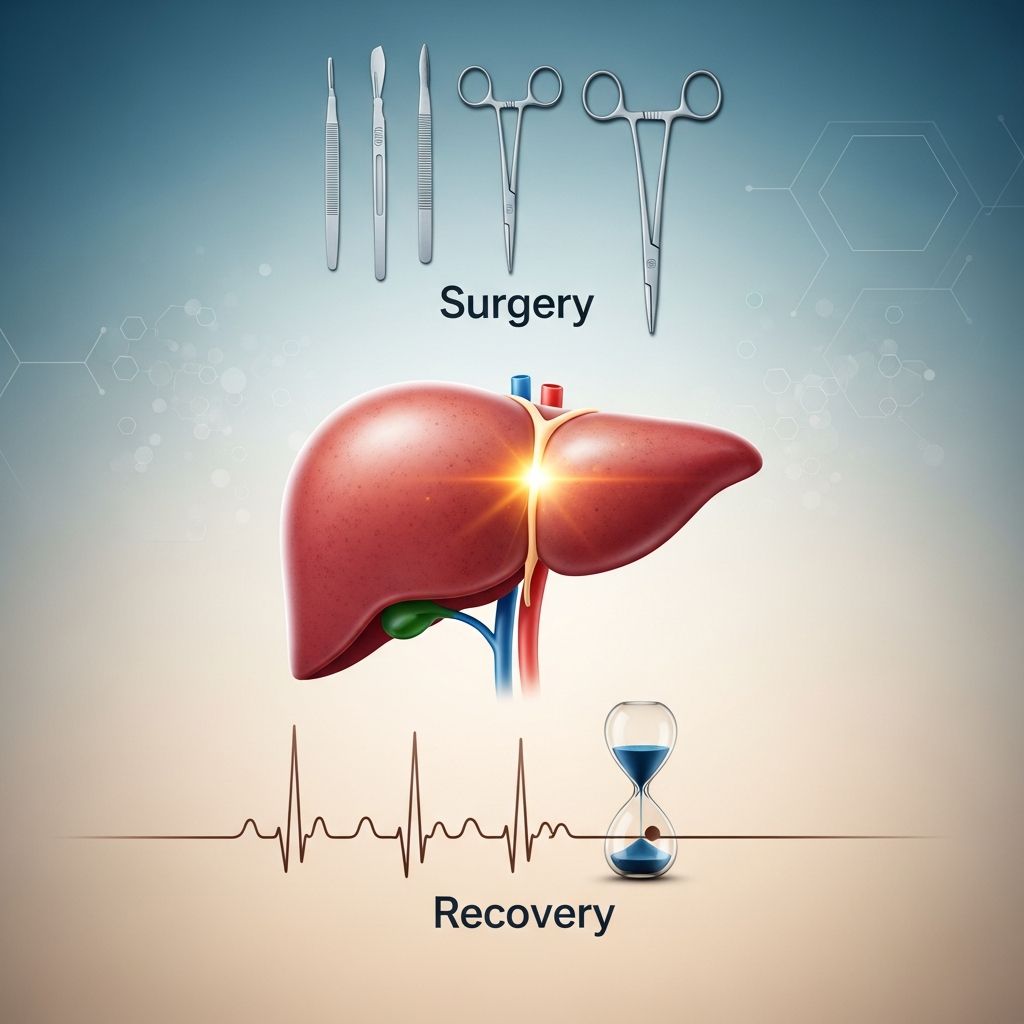
Understanding Liver Transplantation
A liver transplant is a surgical procedure in which an unhealthy liver is removed and replaced with a healthy one from a donor. This life-saving operation becomes necessary when the liver can no longer function properly due to disease or failure. Liver transplantation represents one of the most significant advances in modern medicine, offering hope to patients suffering from end-stage liver disease and certain types of liver cancer.
The liver is the body’s largest internal organ and performs over 500 critical functions, including filtering blood, producing bile for digestion, storing nutrients, and producing blood-clotting proteins. When liver disease progresses to the point where the organ can no longer sustain these vital functions, a transplant becomes the primary treatment option for extending and improving quality of life.
Who Needs a Liver Transplant
Liver transplantation is considered for patients experiencing liver failure or advanced liver disease that cannot be managed with medical treatment alone. Several conditions may necessitate a liver transplant:
- Cirrhosis from chronic hepatitis B or C infection
- Cirrhosis from alcoholic liver disease
- Primary biliary cholangitis (PBC)
- Primary sclerosing cholangitis (PSC)
- Cryptogenic cirrhosis (cirrhosis of unknown cause)
- Hepatocellular carcinoma (liver cancer)
- Fulminant hepatic failure (acute liver failure)
- Non-alcoholic fatty liver disease (NAFLD)
- Genetic metabolic disorders affecting the liver
- Autoimmune hepatitis
Eligibility Criteria for Liver Transplant
Not all patients with liver disease qualify for transplantation. Medical professionals evaluate numerous factors to determine transplant eligibility and to prioritize patients on the waiting list. The evaluation process is comprehensive and involves multiple healthcare professionals.
Medical Evaluation
Potential transplant recipients undergo extensive medical testing to assess their overall health status. This evaluation includes blood tests to measure liver function, blood type compatibility testing, imaging studies such as ultrasound and CT scans, cardiac evaluation to ensure the heart can withstand surgery, and pulmonary function tests to evaluate lung capacity. Healthcare providers also screen for active infections, malignancies, and other conditions that might contraindicate transplantation.
Psychological and Social Assessment
Mental health professionals evaluate candidates to ensure they understand the commitment required for post-transplant life, including lifelong immunosuppressive medication adherence and regular medical follow-up. Social workers assess support systems, living arrangements, and ability to manage the demands of recovery and long-term care.
Nutritional Status
Nutritionists evaluate nutritional status and provide guidance on optimizing nutrition before and after transplantation. Patients with severe malnutrition may need supplementation before they can be deemed fit for surgery.
Types of Liver Donors
Liver transplants can come from two sources: deceased donors and living donors. Each source has distinct advantages and considerations.
Deceased Donor Liver Transplant
Deceased donor livers come from individuals who have recently died and whose families have consented to organ donation. In this type of transplant, the recipient receives an entire liver from the donor. The timing of deceased donor transplants is unpredictable, and patients must maintain readiness to come to the hospital on short notice when a suitable organ becomes available. Deceased donor livers undergo a period of ischemia—time without blood flow—which typically lasts several hours during procurement and transportation.
Living Donor Liver Transplant
Living donor liver transplantation involves receiving a portion of a liver from a healthy living person, typically a family member, friend, or altruistic donor. Since the liver has a unique capacity to regenerate, both the donor’s remaining liver and the transplanted portion grow back to normal size within several months. Living donor transplants offer several advantages, including shorter waiting times, better quality organs from healthy donors, minimal ischemia time, and improved outcomes for recipients. However, living donation carries surgical risks for the donor and requires careful evaluation of donor health and safety.
The Liver Transplant Surgical Procedure
Pre-Surgery Preparation
Before arriving at the transplant hospital, potential recipients remain on the transplant waiting list and maintain regular contact with their transplant team. When a suitable donor liver becomes available or when a living donor is identified and scheduled, recipients receive notification to come to the transplant hospital immediately. Upon arrival, patients undergo final blood tests, imaging studies, and vital sign monitoring to ensure they remain suitable for surgery.
Surgical Technique
Liver transplant surgery is a complex operation typically lasting up to 12 hours. The procedure involves several key steps. First, the surgeon makes an incision in the abdomen to access the liver. In traditional orthotopic liver transplantation, the failing native liver is carefully removed along with the retrohepatic inferior vena cava. The surgeon then performs an anhepatic phase—a period during which the liver function is absent—while preparing the liver bed to receive the donor organ. The donor liver is then carefully positioned in the anatomically correct location and attached to the recipient’s blood vessels and bile ducts. This surgical technique has been progressively refined since its introduction in humans in 1963, with variations applied selectively based on individual patient circumstances.
Advanced Surgical Approaches
Some transplant centers now offer minimally invasive surgical techniques for liver transplantation. These advanced procedures use smaller incisions and specialized instruments, resulting in faster recovery, less postoperative pain, smaller scars, and lower risk of incisional hernia compared with traditional open surgery. Cleveland Clinic has pioneered purely laparoscopic living donor surgery for liver transplantation, making this advanced approach available to adult recipients at select academic medical centers.
Anesthesia and Monitoring
Recipients receive general anesthesia before surgery begins and remain asleep throughout the entire procedure. During surgery, the anesthesia team places various tubes in the body to maintain vital functions, including an endotracheal tube for breathing support, central venous catheters for monitoring and medication administration, and a nasogastric tube for stomach decompression. Throughout the operation, the surgical and anesthesia teams continuously monitor heart rate, blood pressure, oxygen levels, and other vital parameters.
Recovery in the Hospital
Immediate Post-Operative Period
After surgery, patients are transferred to the intensive care unit for close monitoring. During this critical period, healthcare providers assess liver function through blood tests and monitor vital signs closely. When tests demonstrate that the new liver is working properly and vital signs remain stable, providers begin removing the support tubes, starting with the IV lines in the neck and the nasogastric tube.
Progression of Recovery
As patients stabilize, they transition from intensive care to a regular hospital floor, typically staying one to three additional weeks. During this phase, the care team focuses on nutrition restoration and pain management. Initially, patients consume only liquids, then gradually progress to soft foods and regular diet as bowel function returns. The care team systematically reduces IV pain medication as patients tolerate oral medications. Patients begin physical therapy and mobilization to prevent complications and restore strength.
Hospital Discharge Planning
Before discharge, patients receive comprehensive education about medications, dietary considerations, activity restrictions, signs of infection or organ rejection, and follow-up care requirements. Most patients can expect to remain hospitalized for approximately one week after surgery, with total recovery at home lasting four to six weeks.
Recovery at Home
Home recovery is a critical phase following liver transplantation. Patients should expect fatigue during the first several weeks as the body heals from major surgery. Most patients can return to light activities after four to six weeks, though strenuous exercise and heavy lifting should be avoided for three months. Pain at the surgical site gradually improves over weeks to months.
During recovery, patients must faithfully take all prescribed immunosuppressive medications to prevent organ rejection. Regular follow-up appointments with the transplant team become essential, occurring frequently in the first months after surgery and then periodically throughout life. Patients must maintain excellent hygiene to prevent infections, stay current with vaccinations as recommended by their transplant team, and promptly report any signs of infection, fever, or changes in liver function to their healthcare providers.
Life After Liver Transplantation
Immunosuppressive Medications
The greatest challenge after liver transplantation involves preventing organ rejection while minimizing medication side effects. Recipients must take immunosuppressive medications for life to prevent their immune system from attacking and rejecting the donated liver. These medications require careful dosing and monitoring through regular blood tests to ensure adequate drug levels while minimizing toxicity.
Long-Term Management
Successful long-term outcomes depend on strict adherence to the transplant team’s recommendations. Patients should maintain regular follow-up appointments with hepatologists and transplant surgeons, attend all scheduled laboratory tests and imaging studies, maintain a healthy lifestyle including balanced nutrition and moderate exercise, avoid alcohol consumption entirely, refrain from smoking and recreational drugs, and maintain open communication with the transplant team about any health concerns.
Quality of Life Improvements
Most patients experience significant improvements in quality of life after successful liver transplantation. Relief from symptoms of end-stage liver disease, including fatigue, abdominal pain, and limitations on physical activity, allows patients to return to work, hobbies, and social activities. Many patients report feeling better than they had in years, with renewed energy and the ability to engage fully in family and professional life.
Complications and Monitoring
While liver transplantation offers substantial benefits, potential complications require ongoing vigilance. Acute rejection, though less common with modern immunosuppressive therapy, remains a possibility and requires prompt treatment. Chronic rejection can develop over years and may necessitate retransplantation. Patients face increased risk of certain infections due to immunosuppression and must watch for signs of infection. Some immunosuppressive medications carry long-term risks including kidney disease, diabetes, high blood pressure, and certain malignancies. Regular monitoring through blood tests and imaging studies helps detect complications early when they are most treatable.
Frequently Asked Questions
Q: How long does a liver transplant surgery take?
A: Liver transplant surgery typically takes up to 12 hours. The exact duration depends on the complexity of the case, the recipient’s anatomy, and any complications encountered during surgery.
Q: Will I need to stay in the intensive care unit after surgery?
A: Yes, most liver transplant recipients spend the immediate post-operative period in the intensive care unit where vital signs and organ function are closely monitored before transferring to a regular hospital floor.
Q: How soon after transplant can I return to work?
A: Most patients can return to light work after four to six weeks of recovery at home, though this varies based on individual healing and job demands. Your transplant team can provide personalized guidance.
Q: Will my new liver function immediately after transplant?
A: Most donor livers begin functioning immediately or within the first few days after transplant. Occasionally, “slow graft function” occurs temporarily, requiring additional support until the liver fully recovers.
Q: How long will I need to take immunosuppressive medications?
A: You will need to take immunosuppressive medications for life to prevent rejection of your transplanted liver. These medications require careful management and regular monitoring.
Q: What is the success rate for liver transplants?
A: Liver transplant outcomes have improved significantly with modern techniques and immunosuppressive medications. Five-year graft survival rates exceed 70 percent, and many patients live 15-20 years or longer with their transplanted liver.
Q: Can I travel after liver transplant?
A: Once fully recovered, most liver transplant recipients can travel. However, careful planning is necessary to ensure access to your medications, arrange for any necessary medical care at your destination, and maintain regular follow-up appointments.
Q: What happens if my transplanted liver fails?
A: If liver failure occurs, retransplantation may be possible, though this depends on your overall health status and availability of a suitable donor organ. This is why maintaining communication with your transplant team is essential.
Special Considerations for Living Donor Liver Transplant
Living donor liver transplantation offers unique advantages but requires special consideration for donor safety. Both the donor and recipient undergo surgery simultaneously in adjacent operating rooms. The living donor typically remains hospitalized for about one week and requires four to six weeks of home recovery. Minimally invasive laparoscopic techniques, when feasible, provide donors with faster recovery, less pain, smaller scars, and reduced risk of complications compared with traditional open surgery. Advanced medical centers now offer these sophisticated techniques to qualified candidates, enhancing the safety profile of living donation and potentially encouraging more individuals to participate in this life-saving form of organ donation.
References
- Liver Transplant: Criteria, Surgery & Recovery, Life After — Cleveland Clinic. 2024. https://my.clevelandclinic.org/health/procedures/8111-liver-transplantation
- Post-Liver Transplantation Management — Cleveland Clinic. 2024. https://my.clevelandclinic.org/departments/digestive/medical-professionals/hepatology/post-liver-transplantation-management
- Living Donor Liver Transplant — Cleveland Clinic. 2024. https://my.clevelandclinic.org/health/procedures/21083-living-donor-liver-transplant
- Liver Transplant Program — Cleveland Clinic. 2024. https://my.clevelandclinic.org/departments/transplant/programs/liver
- Cleveland Clinic Performs Its First Purely Laparoscopic Living Donor Surgery for Liver Transplant — Cleveland Clinic Newsroom. 2019. https://newsroom.clevelandclinic.org/2019/10/30/cleveland-clinic-performs-its-first-purely-laparoscopic-living-donor-surgery-for-liver-transplant
- Organ Transplantation Standards — United Network for Organ Sharing (UNOS). 2024. https://unos.org
Similar Articles








Read full bio of Sneha Tete