Living Better, Living Longer: Keys to a Healthier Life
Discover proven strategies for longevity and better health from Harvard research.
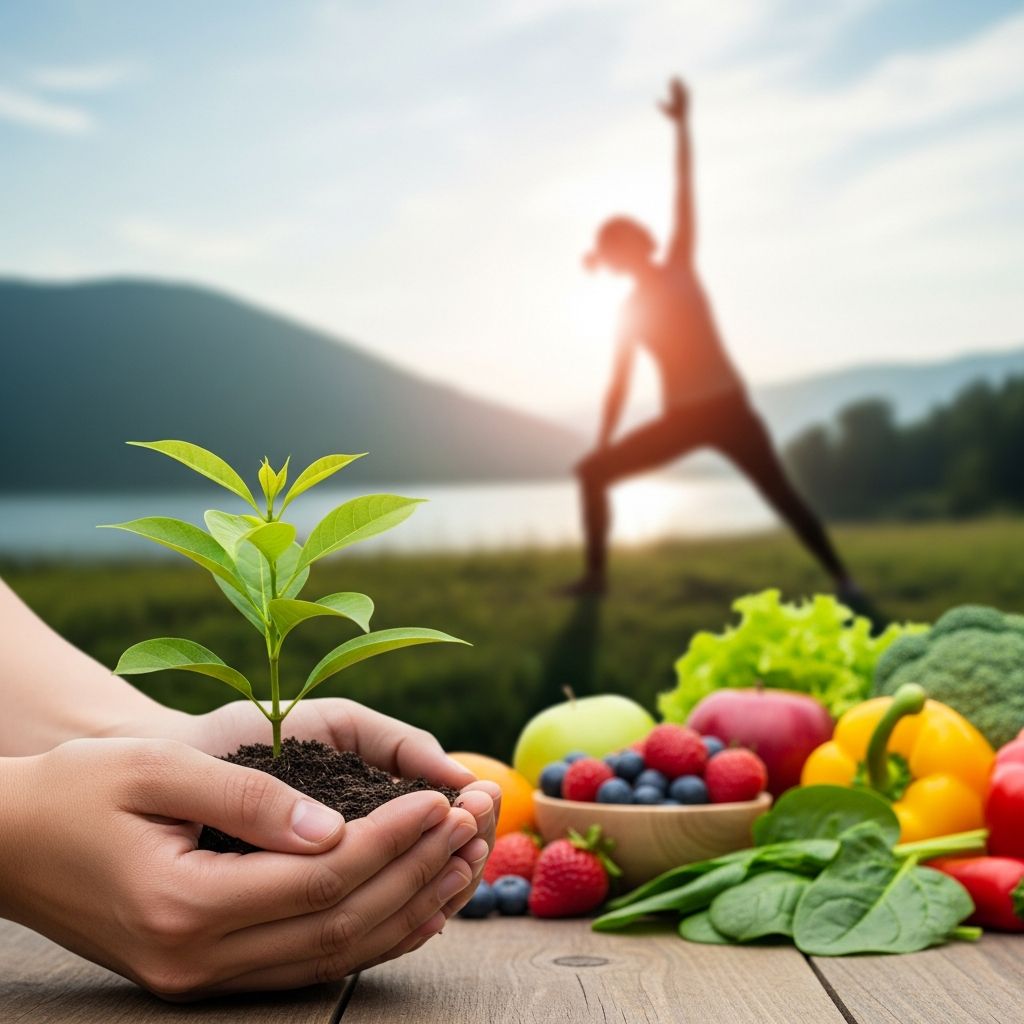
Living Better, Living Longer: A Comprehensive Guide to Extended Health and Vitality
The pursuit of a longer, healthier life has captivated human interest for centuries. While the fountain of youth remains elusive, decades of rigorous research from Harvard institutions have illuminated concrete, evidence-based pathways to improve both the quality and length of our lives. This comprehensive guide explores the foundational principles that allow people to not only live longer but to thrive throughout their years.
The legendary French supercentenarian Jeanne Calment, who lived to 122 years old—the longest verified human lifespan on record—attributed her extraordinary longevity to multiple factors including olive oil consumption, a nightly glass of port, frequent laughter, and a resilient attitude. Her philosophy, ”If you can’t do anything about it, don’t worry about it,” encapsulates a wisdom that modern research increasingly validates. Yet beyond these personal habits lies a deeper scientific understanding of what truly enables people to live better and longer lives.
The Power of Social Connection
Among the most robust and consistent findings from decades of research is that social connection fundamentally shapes our longevity and health outcomes. The Harvard Study of Adult Development, spanning over 85 years, provides perhaps the most compelling evidence for this principle. This groundbreaking longitudinal research has tracked thousands of participants across their entire lifespans, revealing a clear truth: the quality of our relationships—characterized by emotional warmth, trust, and support—serves as the single most important predictor of long-term happiness and health.
Being socially disconnected carries profound health consequences that rival major risk factors for disease. Research demonstrates that loneliness and social isolation increase the risk of premature death by 26% and 29% respectively. These risks are comparable to smoking cigarettes or excessive alcohol consumption, and they surpass many other traditionally recognized health hazards. Chronic disconnection impacts the body as severely as smoking 15 cigarettes daily, triggering persistent low-level stress responses that gradually damage multiple physiological systems.
Strong social connections produce measurable protective effects across multiple health domains:
- Protection from stress through emotional support and validation
- Strengthened immune system function
- Faster recovery from illness and injury
- Reduced incidence of heart disease, diabetes, and arthritis
- Slower cognitive decline in later life
- Significantly extended lifespan
The mechanism underlying these benefits involves stress regulation. Without people to help weather life’s inevitable stresses, the body remains in a chronic fight-or-flight state, with elevated circulating stress hormones and inflammation. These conditions gradually deteriorate multiple biological systems. Conversely, secure social bonds activate calming physiological responses, reducing inflammatory markers and supporting overall resilience.
Marriage and Long-Term Partnerships
Among the various forms of social connection, marriage and long-term committed relationships demonstrate particularly striking longevity benefits. Research reveals that married women live 5–12 years longer on average compared to unmarried peers, while married men experience even greater benefits, living 7–17 years longer. These substantial differences persist regardless of socioeconomic status or other demographic factors. Critically, however, these longevity benefits depend on relationship quality. The relationship must be characterized by genuine warmth, support, and mutual respect to confer these health advantages.
This finding underscores an essential principle: it is not mere social contact that matters, but meaningful connection. A person surrounded by many acquaintances but lacking deep emotional bonds experiences the health risks of isolation. Conversely, a person with even a small number of truly intimate, supportive relationships enjoys robust protection against disease and premature death.
The Importance of Prosociality and Altruism
Beyond receiving support, providing help to others—a behavior pattern called prosociality—generates substantial health benefits. Prosocial behaviors include volunteering, charitable giving, mentoring, and acts of kindness directed toward others. People who regularly engage in these behaviors tend to enjoy measurably better health outcomes.
The Baltimore Experience Corps Trial provides compelling evidence for prosociality’s health benefits. This large-scale intervention study evaluated the effects of seniors volunteering approximately 15 hours weekly as tutors and mentors in public schools. Participants experienced significant improvements in both cognitive and physical health, including enhanced memory, increased mobility, and greater strength. Research across multiple populations demonstrates that volunteers consistently live longer lives than non-volunteers, with these benefits persisting across age groups and contexts.
The mechanisms underlying prosociality’s health effects likely involve multiple pathways. Helping others provides a sense of purpose and meaning, reduces self-focused worry, creates structured social engagement, and generates positive emotional states. These factors collectively support both mental and physical wellbeing across the lifespan.
The Role of Optimism in Healthy Aging
Optimism—defined as the tendency or disposition to expect that the future will be positive—emerges as another powerful predictor of longevity and health. The research findings regarding optimism prove remarkably consistent across diverse demographic groups, racial populations, and cultural contexts. People who maintain optimistic outlooks consistently demonstrate better aging trajectories and lower chronic disease burden.
Optimistic individuals show the following advantages:
- Greater likelihood of aging in good health
- Lower risk of chronic diseases and physical illness
- Reduced incidence of cognitive impairments in later life
- Significantly extended lifespan, often beyond age 85
- Better functional capacity and physical resilience
Recent research has quantified these benefits with surprising specificity. A study of postmenopausal women found that those reporting higher optimism levels demonstrated superior functioning on measures predicting physical health maintenance: they performed more chair-stand repetitions without hand use and demonstrated greater grip strength. A 2020 investigation of U.S. Army active-duty soldiers revealed that optimistic individuals carried a 22% lower risk of developing hypertension during the subsequent three and a half years.
The pathway connecting optimism to health likely involves both behavioral and physiological mechanisms. Optimistic people tend to engage in more health-promoting behaviors, persist in the face of setbacks, maintain better stress management, and experience more favorable stress hormone profiles. These combined factors create measurable health advantages accumulating across decades.
Spirituality and Transcendent Connection
Growing research evidence suggests that spiritual practices and spiritual connection contribute meaningfully to health and longevity. The Global Flourishing Study, an ambitious research project launched in 2021 by Harvard researchers in partnership with Gallup, is tracking over 200,000 participants across 22 countries, examining factors influencing flourishing including spirituality, happiness, financial well-being, and social connectedness. Preliminary results indicate that across diverse religious traditions, people who participate in spiritual practices report better health outcomes.
Spirituality’s benefits likely derive from multiple sources: participation in faith communities provides structured social engagement; spiritual practices including meditation and prayer offer stress-reduction benefits; a sense of meaning and transcendent purpose protects mental health; and many spiritual traditions emphasize prosocial and moral behaviors. These combined elements create a supportive context for longevity and wellbeing.
Work, Purpose, and Workplace Wellness
For most adults, work occupies a substantial portion of waking hours, making workplace conditions crucial determinants of overall health trajectories. Research identifies three critical workplace factors influencing how workers age: whether employees maintain control over their schedules, face reasonable versus excessive job demands, and enjoy positive social relationships with colleagues and supervisors who provide genuine support.
Workplace control emerges as particularly significant. Workers with minimal control over their workload experience elevated mortality rates, especially when also managing substantial family responsibilities such as single parents juggling multiple roles. The cumulative stress of powerlessness at work combined with demanding personal circumstances creates a health burden comparable to recognized disease risk factors.
Encouragingly, these workplace health determinants can be modified through intentional intervention. Research conducted by Harvard Chan School researchers in collaboration with MIT Sloan School of Management demonstrated that workplaces implementing policies to increase schedule flexibility and improve work-life balance achieved significant reductions in cardiovascular disease risk among their employees, particularly older workers, without sacrificing productivity. These findings demonstrate that organizational policies supporting employee autonomy and work-life integration create measurable health returns.
Adaptability and Emotional Resilience
The Harvard Study of Adult Development identified emotional coping strategies as profoundly influential in shaping life quality. Researchers, including Dr. George Vaillant who directed the study for over 30 years, identified specific ”adaptations”—emotional coping patterns—that powerfully predicted both psychological health and physical wellbeing across decades. How individuals respond to life’s inevitable challenges emerges as a defining factor in overall life quality and longevity.
People who develop effective emotional adaptation strategies maintain greater psychological resilience, experience better stress regulation, and show superior physical health outcomes. This capacity to grow and adapt throughout life, rather than remaining static, predicts successful aging and sustained vitality.
Integrating the Pathways to Living Better and Longer
While these factors—social connection, prosociality, optimism, spirituality, and workplace wellness—can be discussed separately, they interact synergistically to shape overall health and longevity. A person who maintains warm relationships, engages in meaningful work, volunteers in their community, maintains positive expectations about the future, and participates in spiritual practices experiences cumulative protective benefits far exceeding any single factor alone.
Importantly, these are not static achievements but ongoing practices. The contemporary understanding of long-term wellbeing emphasizes continuous growth, adaptation, and connection throughout the lifespan rather than isolated accomplishments. This perspective aligns with Jeanne Calment’s resilient philosophy and reflects the actual patterns demonstrated across decades of research.
Practical Implementation Strategies
Converting research insights into daily practice requires intentional effort. Consider the following approaches:
- Prioritize time with close friends and family regularly, focusing on quality interaction
- Explore volunteering opportunities aligned with your values and abilities
- Cultivate an optimistic mindset through gratitude practices and positive reframing
- Engage with spiritual or philosophical practices that provide meaning
- Advocate for workplace policies supporting autonomy and work-life balance
- Develop emotional coping skills through reflection, counseling, or meditation
- Participate in community activities that create belonging and purpose
Frequently Asked Questions
Q: How much social interaction is necessary for health benefits?
A: Quality matters more than quantity. Even one or two deeply meaningful, supportive relationships provide substantial health benefits. The research emphasizes feeling genuinely connected and supported rather than accumulating many superficial contacts. Regular, consistent interaction with trusted individuals is more beneficial than occasional contact with many people.
Q: Can optimism be developed if I’m naturally pessimistic?
A: Yes. While personality temperament influences baseline optimism, research demonstrates that people can cultivate more optimistic outlooks through conscious practices including gratitude exercises, reframing challenges as opportunities, and focusing on past successes. Cognitive-behavioral approaches specifically target pessimistic thought patterns and have shown effectiveness across diverse populations.
Q: How do I find meaningful volunteer opportunities?
A: Identify causes or populations you care about—children, elderly individuals, environmental conservation, disease prevention, etc. Many communities offer volunteer matching services through nonprofits, schools, hospitals, and faith organizations. Starting with 5–10 hours monthly provides measurable health benefits without overwhelming existing commitments.
Q: What if my job situation is inflexible?
A: While individual control at work is valuable, you can strengthen other protective factors: deepen relationships outside work, engage in volunteer activities, maintain optimism about the future, and develop strong spiritual or philosophical practices. Additionally, consider whether opportunities exist to advocate for workplace policy changes or gradually transition toward more autonomy-supporting roles.
Q: Do these benefits apply across all ages?
A: Research demonstrates that social connection, optimism, prosociality, and workplace wellness benefit people throughout the lifespan from young adulthood through advanced age. While longevity benefits naturally accumulate most visibly over decades, improvements in quality of life, stress reduction, and disease prevention occur at any age when these practices are initiated.
References
- The importance of connections: Ways to live a longer, healthier life — Harvard School of Public Health. 2024. https://hsph.harvard.edu/news/the-importance-of-connections-ways-to-live-a-longer-healthier-life/
- Want a Good Life? 3 Lessons from Harvard Grant Study — Six Seconds Emotional Intelligence. 2025. https://www.6seconds.org/2025/07/28/harvard-grant-study/
- Scientists have found the key to a healthy, happy life: our relationships — World Economic Forum. 2023. https://www.weforum.org/stories/2023/08/relationships-basis-long-healthy-life/