Living Donor Liver Transplant: A Comprehensive Guide
Explore living donor liver transplantation: benefits, process, evaluation, and how it saves lives.
Understanding Living Donor Liver Transplantation
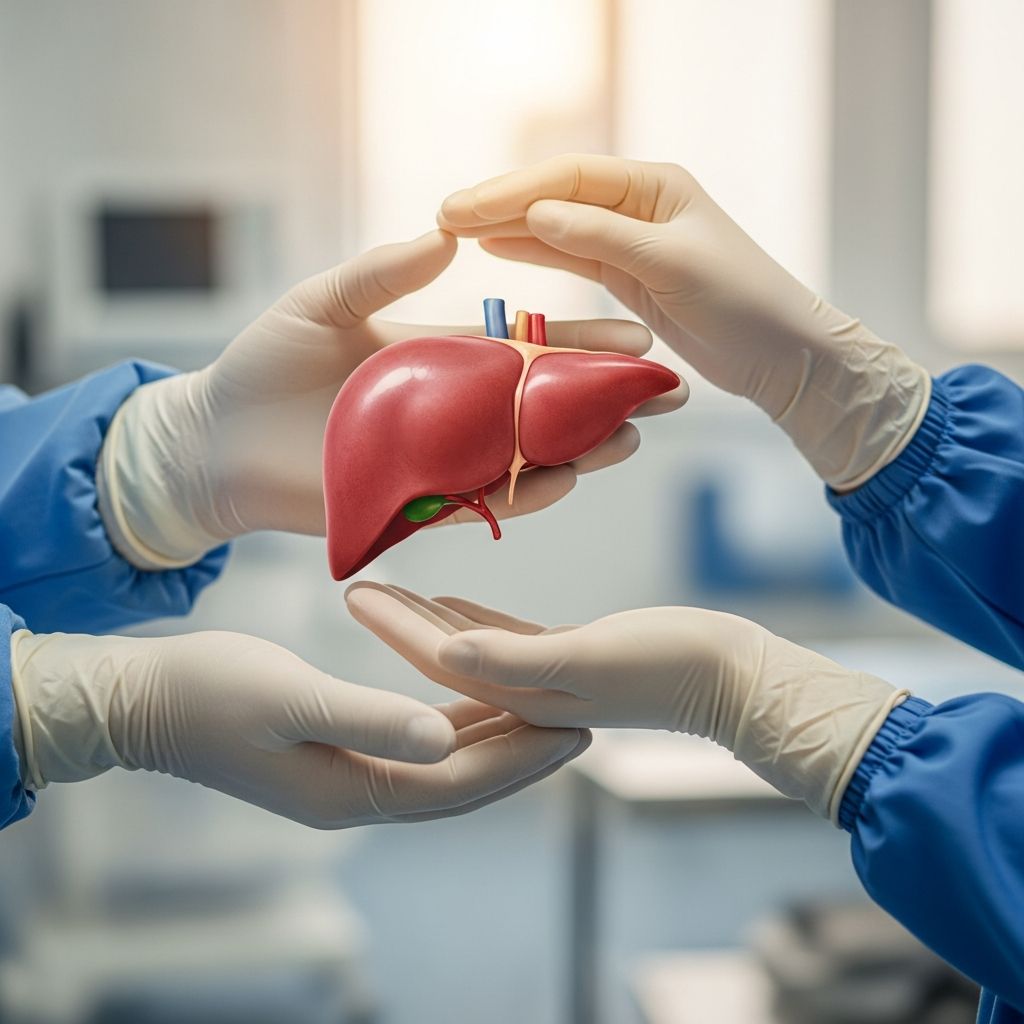
Living donor liver transplantation represents a transformative option for patients with end-stage liver disease who are awaiting a life-saving organ. Unlike deceased donor transplants, living donor liver transplantation allows eligible patients to receive a portion of a healthy liver from a living donor—typically a family member, friend, or altruistic donor. This surgical procedure has become increasingly vital as the demand for liver transplants significantly outpaces the availability of deceased donor organs. In the United States, over 17,500 patients are currently on the waiting list for a liver transplant, yet only approximately 6,000 liver transplants are performed annually. Living donation offers patients the opportunity to receive a transplant before their condition becomes critically severe, substantially reducing wait times and improving overall outcomes.
The Critical Need for Living Donor Liver Transplants
The gap between organ supply and demand creates an urgent crisis in transplantation medicine. At least 1,700 patients die each year while awaiting a liver transplant, according to recent data. Traditional organ allocation prioritizes the sickest patients first; however, this system means many patients deteriorate significantly before receiving an organ. Living donor liver transplantation circumvents this challenge by enabling earlier transplantation, allowing recipients to undergo surgery while in relatively better health, which substantially improves long-term survival rates and quality of life outcomes.
How Living Donor Liver Transplantation Helps the Broader Community
Beyond the direct benefit to the recipient, living donor liver transplantation creates a positive ripple effect throughout the transplant community. When a patient receives a living donor liver, they are removed from the deceased donor waiting list. This action frees up a deceased donor liver for another patient on the waiting list who may not have a potential living donor available. Consequently, one living donor liver transplant can ultimately save two lives—the direct recipient and an indirect beneficiary who receives the deceased donor organ that would have otherwise gone to the recipient.
Benefits of Living Donor Liver Transplantation
Living donor liver transplantation offers numerous distinct advantages compared to waiting for a deceased donor organ:
Improved Organ Quality and Health Outcomes
Livers from living donors are typically of exceptional quality because donors undergo extensive medical, surgical, and psychological evaluations before approval for donation. Only individuals in excellent health are deemed eligible donors, ensuring that transplanted liver tissue has superior function and longevity. Recipients of living donor livers generally experience better long-term graft survival rates compared to recipients of deceased donor organs, resulting in longer-lasting transplants and fewer re-transplantation needs.
Reduced Wait Time and Earlier Transplantation
Perhaps the most significant benefit is the dramatic reduction in waiting time. Recipients can schedule their transplantation in advance rather than waiting for an emergency call when a deceased organ becomes available. This planned approach allows patients to be in optimal health at the time of surgery, rather than undergoing transplantation during a health crisis. Earlier transplantation translates to better overall health outcomes, improved quality of life, and a higher probability of successful long-term graft function.
Psychological and Emotional Benefits
The ability to plan a transplant and maintain a direct relationship with the donor can provide significant psychological benefits to recipients. Knowing a loved one or altruistic donor has made this sacrifice creates a meaningful connection and sense of gratitude that can enhance emotional recovery and overall well-being following transplantation.
Related Stories



Eligibility Criteria for Donors and Recipients
Both donors and recipients must meet specific medical and psychological criteria to participate in living donor liver transplantation.
Recipient Eligibility Requirements
Recipients must demonstrate:
– Diagnosis of end-stage liver disease or acute liver failure with appropriate medical indications for transplantation- Psychological stability and demonstrated ability to comply with post-transplant medication regimens and follow-up care- Absence of active infection or untreated malignancy- Adequate cardiopulmonary function to tolerate major surgery- Commitment to lifestyle modifications and long-term immunosuppressive therapy- Mental competency to understand the procedure and associated risks
Donor Eligibility Requirements
Living liver donors must meet stringent health criteria:
– Age typically between 18 and 60 years, although exceptions may be considered for exceptionally healthy donors- BMI and weight appropriate for safe liver resection- Blood type compatibility with the recipient (ABO blood type matching is typically required)- Absence of chronic medical conditions such as diabetes, hypertension, or liver disease- No history of hepatitis B or C infection- Negative HIV and other infectious disease testing- Adequate liver volume and favorable hepatic anatomy for safe resection- Psychological evaluation confirming autonomous decision-making and understanding of risks- Willingness to undergo extensive preoperative testing and evaluation
The Donor and Recipient Evaluation Process
Comprehensive Medical Assessment
Both donors and recipients undergo thorough medical evaluations to ensure suitability for surgery. Recipients require laboratory studies including liver function tests, kidney function assessment, viral serologies, and cardiac evaluation. Donors undergo similarly rigorous testing, including imaging studies such as ultrasound or computed tomography (CT) to assess liver anatomy, measure liver volume, and ensure adequate remaining liver after donation.
Transplant Team Committee Review
Following individual evaluations, the transplant team—comprising surgeons, hepatologists, nurses, social workers, and financial coordinators—convenes to review each case. The committee determines one of three outcomes: approval for transplant listing, decline for transplant listing, or placement on hold for additional information. This multidisciplinary approach ensures comprehensive assessment of risks versus benefits for each candidate.
Psychological and Social Evaluation
Mental health professionals conduct extensive evaluations to confirm that both donors and recipients have realistic expectations, understand the procedure and its risks, and possess adequate support systems. This evaluation is crucial for identifying any contraindications or need for additional counseling or preparation.
Surgical Techniques for Living Donor Liver Transplantation
Traditional Open Surgery
Historically, liver procurement required a large abdominal incision to safely remove the donor’s liver section. While this approach remains effective, it typically results in significant post-operative pain, necessitates epidural pain management, and carries increased infection risk during recovery.
Robotic-Assisted Minimally Invasive Surgery
Advances in surgical technology have introduced robotic-assisted techniques for living donor liver procurement. This minimally invasive approach uses several small incisions instead of one large surgical cut, substantially reducing post-operative pain, decreasing infection risk, and facilitating faster recovery. Surgeons operating the robotic system gain enhanced visualization and precision, allowing for more controlled hepatic division and removal of the transplantable liver lobe. Many transplant centers, including Johns Hopkins Medicine, have adopted robotic-assisted techniques to improve donor outcomes and encourage living donation participation.
Transplant Recipient Surgery
The recipient undergoes removal of their diseased liver followed by implantation of the donor’s liver segment. The surgeon carefully anastomoses (connects) the donor hepatic artery, portal vein, and bile duct to the recipient’s vessels. The transplanted liver segment undergoes rapid regeneration in both donor and recipient, as the liver is unique in its capacity to regrow and restore normal volume within weeks to months post-transplantation.
Recovery and Post-Transplant Care
Donor Recovery Timeline
Living donors typically remain hospitalized for 2 to 4 days following surgery. Complete recovery generally requires 4 to 6 weeks, during which donors should avoid strenuous activity and heavy lifting. The liver’s regenerative capacity allows donors to return to normal liver volume and function within 3 to 6 months. Most donors can resume normal activities within 6 to 8 weeks, though individual recovery varies based on surgical technique and overall health.
Recipient Recovery and Immunosuppression
Liver transplant recipients typically spend 1 to 2 weeks in the hospital immediately post-transplant. Full recovery extends over several months. Recipients require lifelong immunosuppressive therapy to prevent organ rejection, necessitating regular medication adherence, frequent clinic visits during the first year, and ongoing follow-up care. Immunosuppressive medications require careful management to balance rejection prevention against infection and malignancy risks.
Long-Term Outcomes
Living donor liver transplant recipients demonstrate excellent long-term survival rates, with many grafts functioning successfully for 15 to 20 years or longer. Recipients generally achieve improved quality of life, freedom from dialysis or disease progression, and ability to return to employment and normal activities. Both donors and recipients require lifelong medical follow-up to monitor graft function and address any complications.
Risks and Considerations
Donor Risks
While living liver donation is generally safe, donors face inherent surgical risks including bleeding, infection, bile leak, and anesthesia complications. The risk of mortality from liver donation is estimated at less than 1 in 500. Most donors experience excellent outcomes; however, all surgical candidates must understand potential complications before consenting to donation.
Recipient Risks
Recipients face risks including acute rejection, chronic rejection, infection, and complications related to long-term immunosuppression including kidney dysfunction and increased malignancy risk. However, these risks are substantially outweighed by the life-saving benefits of transplantation for patients with end-stage liver disease.
The Living Donor Champion Program
Program Overview
Recognizing that many transplant candidates lack potential living donors among their immediate family or social networks, specialized centers like Johns Hopkins Medicine have developed innovative programs such as the Liver Live Donor Champion (LLDC) program. This educational and advocacy program pairs transplant candidates with a “Live Donor Champion”—a friend, family member, or community member who serves as an advocate. The program provides candidates and their champions with education about living donation, communication strategies for discussing donation, and skills for expanding and mobilizing their social networks to identify potential living donors.
Program Components and Outcomes
The LLDC program consists of 2 to 3 monthly sessions incorporating formal education about end-stage liver disease and living donation, communication skills building, social network exploration, personal donor and recipient stories, and surgeon panels. Pilot data demonstrates that candidates with a Live Donor Champion are significantly more likely to undergo living donor transplantation compared to matched controls, highlighting the importance of advocacy and education in expanding living donation access.
Frequently Asked Questions
Q: Who can be a living liver donor?
A: Living liver donors must be at least 18 years old (typically under 60), in excellent health, free from chronic diseases, have compatible blood type, favorable liver anatomy, and pass comprehensive medical, psychological, and social evaluations.
Q: How much of the liver is removed in living donation?
A: Typically, the right lobe of the liver (approximately 60% of liver volume) is removed for adult recipients, though the amount varies based on recipient needs and donor anatomy. The liver’s unique regenerative capacity allows both donor and recipient livers to regenerate to normal size within weeks to months.
Q: What is the recovery time for living liver donors?
A: Donors typically remain hospitalized 2 to 4 days and require 4 to 6 weeks for full recovery. Most donors can resume normal activities within 6 to 8 weeks, though individual timelines vary based on surgical technique and personal factors.
Q: Can living liver donation affect the donor’s life expectancy?
A: Studies demonstrate that healthy living liver donors have normal life expectancy. Liver regeneration is complete within 3 to 6 months, and donors maintain normal liver function throughout their lifetime. Regular follow-up care ensures optimal long-term health.
Q: How long do living donor liver transplants last?
A: Living donor liver transplants generally have excellent longevity, with many grafts functioning successfully for 15 to 20 years or longer. Recipient survival rates are superior to deceased donor transplants due to organ quality and earlier transplantation timing.
Q: Can strangers donate liver tissue to recipients they don’t know?
A: Yes, altruistic living liver donation from unrelated donors is permitted and increasingly common. These “Good Samaritan” donors undergo the same rigorous evaluation as related donors and must meet all eligibility criteria.
Q: What happens if a living donor experiences complications after donation?
A: Transplant centers provide comprehensive follow-up care for living donors. Complications are rare but monitored closely. Donors should report any post-operative symptoms to their transplant team immediately.
Q: How does living liver donation benefit the broader transplant community?
A: When a patient receives a living liver, they are removed from the deceased donor waiting list, freeing a deceased liver for another waiting patient. Thus, one living donation can ultimately save two lives.
Getting Started: How to Pursue Living Donor Liver Transplantation
Patients interested in living donor liver transplantation should contact their local transplant center for an initial consultation. At Johns Hopkins Medicine’s Comprehensive Transplant Center, interested individuals can call 410-614-2989 for liver transplant inquiries or 410-614-9345 for living donor information. The transplant team will guide candidates through the evaluation process, discuss candidacy, and explore living donation options. For those seeking to become living donors, the team provides comprehensive education and support throughout the evaluation and recovery process.
References
- Pilot Study of the Liver Live Donor Champion Program — ClinicalTrials.gov. 2024. https://clinicaltrials.gov/study/NCT03580629
- Two Angels, a Robot and 23: A Johns Hopkins Medicine Organ Transplant Story — Newswise. 2024. https://www.newswise.com/articles/two-angels-a-robot-and-23-a-johns-hopkins-medicine-organ-transplant-story
- Benefits of Living Liver Donation Webinar — Johns Hopkins Medicine. 2023. https://www.youtube.com/watch?v=ppQYVSaLN-Y
- Living Donation — Donate Life Maryland. 2024. https://www.donatelifemaryland.org/living-donation/
- Liver Transplantation: The Evaluation Process — Johns Hopkins Medicine. 2022. https://www.youtube.com/watch?v=ezBg1vX0Ozg
Similar Articles








Read full bio of Sneha Tete