Living in the Blue Zone: Secrets to Longevity
Discover the lifestyle secrets of the world's longest-lived people and how to apply them to your life.
Living in the Blue Zone: Secrets to Longevity and Vitality
Around the world, there are five remarkable regions where people live significantly longer than the global average, often reaching 100 years or beyond with exceptional health and vitality. These regions, known as Blue Zones, have captured the attention of researchers, health professionals, and individuals seeking to understand the secrets of longevity. Rather than being places of mystery, Blue Zones represent communities where healthy living is woven into the fabric of daily life through culture, environment, and intentional lifestyle choices. By studying these populations, scientists have identified nine evidence-based common denominators that slow the aging process and contribute to remarkable lifespans.
Understanding the Blue Zone Concept
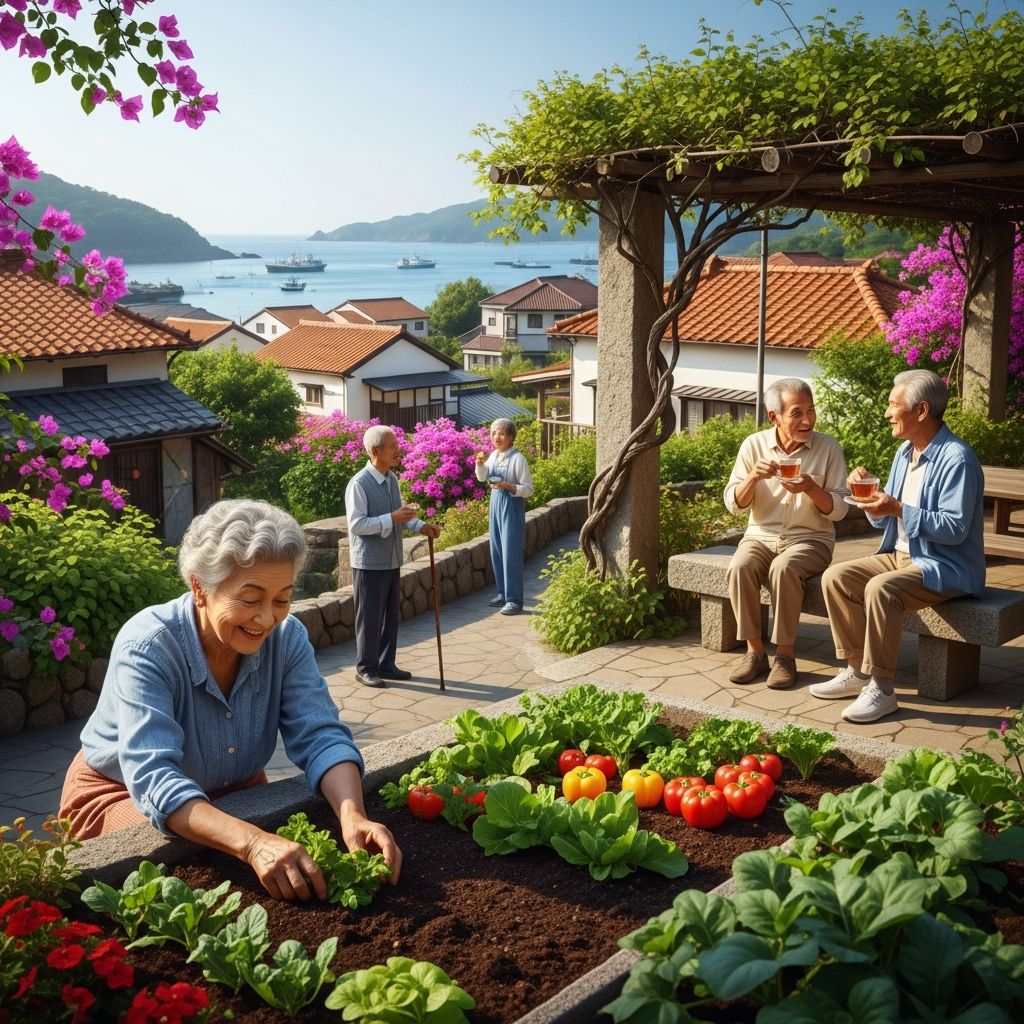
The Blue Zone designation refers to five specific geographic regions with the highest concentrations of centenarians in the world. These areas include Okinawa, Japan; Sardinia, Italy; Nicoya Peninsula, Costa Rica; Ikaria, Greece; and Loma Linda, California. In these communities, aging is not feared or avoided; instead, it is celebrated as a process that brings wisdom and respect. People in these regions remain socially active throughout their lives, and their sense of purpose derives from their roles within their families and communities.
What makes Blue Zones particularly valuable for modern society is that longevity and vitality are not simply the result of genetics. Rather, they emerge from everyday lifestyle choices that have accumulated over generations. These choices create environments where healthy living becomes not just possible, but inevitable.
The Nine Common Denominators of Blue Zone Living
Research has identified nine key principles that characterize successful Blue Zone communities:
- Natural movement and daily physical activity
- Plant-forward, Mediterranean-style diet
- Strong family and social connections
- Sense of purpose and meaning
- Stress management and mindfulness
- Limited consumption of processed foods
- Regular consumption of legumes and whole grains
- Moderate portion control
- Active participation in faith-based or community groups
Nutrition in the Blue Zones: The Power of Plants
One of the most striking characteristics of Blue Zone diets is their emphasis on plant-based foods. Approximately 95% of the typical Blue Zone diet comes from plant sources, with only 5% from animal products. This is not a strict vegetarian philosophy but rather a natural outcome of cultural traditions and environmental availability.
The Foundation: Leafy Greens and Vegetables
Leafy greens serve as nutritional powerhouses in Blue Zone diets. Vegetables such as spinach, kale, beet and turnip tops, chard, and collards are consumed regularly and provide exceptional nutritional density. In Ikaria, Greece, more than 75 varieties of edible greens grow naturally, many containing ten times the polyphenols found in red wine. Research has demonstrated that middle-aged people who consumed the equivalent of a cup of cooked greens daily were half as likely to die in the following four years compared to those who ate no greens.
Beans: The Longevity Superfood
Beans and legumes occupy a central place in Blue Zone nutrition. People in these regions consume beans daily, often as a primary protein source. The benefits of regular bean consumption are scientifically robust: for every 20 grams of legumes consumed per day—roughly two tablespoons—there is an associated 7-8% lower risk of death from all causes. Many Blue Zone residents consume a full cup of beans daily, compounding these protective benefits.
Beans protect heart health by lowering LDL cholesterol through their high soluble fiber content. They balance blood sugar by digesting slowly and improving insulin sensitivity, making them particularly important for diabetes prevention and management. The antioxidants and plant compounds in beans, including polyphenols and saponins, reduce chronic inflammation linked to aging and disease. Additionally, the fiber in beans acts as a prebiotic, feeding beneficial gut bacteria and supporting immunity, digestion, and even mood. As nutrient-dense yet low-calorie foods, beans also support healthy weight management—a major factor in overall longevity.
Related Stories



Fish, Limited Meat, and Healthy Fats
While predominantly plant-based, Blue Zone diets do include fish as a regular protein source. Fish rich in omega-3 fatty acids serves as a staple in many regions. Meat is consumed in small quantities, with preference given to lean options such as poultry rather than red meat. Healthy fats from olive oil and nuts are incorporated regularly, supporting cardiovascular health and reducing inflammation.
Portion Control: The 80% Full Principle
An important cultural practice in Blue Zones is the Okinawan mantra “Hara Hachi Bu,” which advocates stopping eating when 80% full. This simple but powerful principle promotes calorie control and prevents overeating without requiring strict calorie counting. Combined with the consumption of nutrient-dense whole foods rather than processed options, this practice naturally maintains healthy body weight throughout life.
Movement and Physical Activity
Physical activity in Blue Zones differs fundamentally from modern fitness culture. Rather than depending on gym memberships or structured exercise routines, Blue Zone residents naturally integrate movement into daily life through walking, gardening, household tasks, and occupational activities. This consistent, low-intensity movement throughout the day maintains muscle tone, cardiovascular health, and flexibility without the strain of intense exercise.
If streets are walkable and bikeable, parks are well-maintained, and the active option becomes the easy option, physical activity levels across entire populations can rise by 30%. When environmental design prioritizes pedestrians over cars and supports active transportation, people naturally move more and live healthier lives.
Social Connections and Community
Tightly-knit communities and intergenerational relationships represent a cornerstone of Blue Zone living. Strong social bonds with family, friends, and community groups provide emotional support and foster a profound sense of belonging. These connections are linked to lower levels of stress and improved mental health, contributing to both higher quality of life and increased longevity.
In Blue Zone communities, people stay socially active throughout their lives, and their sense of purpose emerges from their roles within families and communities. Rather than being isolated in their later years, elders remain integrated into social structures and continue contributing meaningfully to their families and societies. This continued engagement and sense of purpose have measurable health benefits, including lower rates of chronic diseases and improved mental health outcomes.
Stress Management and Mindfulness
Stress reduction represents another key factor in Blue Zone longevity. Residents regularly practice mindful living through activities such as meditation, prayer, or simply taking time to relax and enjoy meals with loved ones. These habits help lower cortisol levels, which can reduce the risk of chronic disease. Prioritizing sleep and downtime also plays a significant role in their overall well-being.
The pace of life in Blue Zones typically allows for regular rest, reflection, and social interaction. Rather than rushing through meals, people gather to eat slowly with family and friends. Rather than working constantly without breaks, communities build time for relaxation and spiritual practice into their daily rhythms.
Purpose and Meaning
Each Blue Zone inhabitant possesses a clear sense of purpose—what the Okinawans call “ikigai,” or reason for being. This sense of purpose drives daily activities and provides motivation for maintaining healthy habits. Whether through family responsibilities, spiritual practice, creative work, or community contribution, having a meaningful reason to wake up each day correlates strongly with longevity and life satisfaction.
Environmental and Policy Changes: Making Health the Easy Choice
A critical discovery from Blue Zone research is that individual willpower alone cannot sustain healthy living patterns. Instead, environmental design and policy changes create conditions where healthy choices become easy and natural. According to the Centers for Disease Control and Prevention, the best investment in public health is through policy that shapes environments.
When environments are designed to make fruits and vegetables most accessible compared to fast food, obesity rates decrease dramatically. If six or more fast food restaurants exist within half a mile of a person’s home, they are 40% more likely to be obese than if fewer than three restaurants are nearby. Policy interventions that limit fast food restaurant density and regulate smoking create measurable health improvements across entire populations.
The Blue Zones Project: Bringing Longevity Principles to American Communities
Building on research into traditional Blue Zone regions, the Blue Zones Project has worked with American communities to apply these principles at a population level. Starting in Albert Lea, Minnesota, the project partnered with policy makers, local businesses, schools, and individuals to reshape community environments. After approximately one and a half years, Albert Lea experienced a 3.2-year bump in life expectancy, lost a combined weight of 7,280 pounds across the community, and reduced health care costs by 40%.
The success in Albert Lea led to expansion to larger cities. In the beach cities of Los Angeles, Blue Zones worked with city planners to redesign streets for human use rather than automobile convenience. Results included a 30% reduction in smoking rates and a 14% decrease in BMI, with residents reporting healthier behaviors.
The project subsequently expanded to Iowa with ten cities participating. Smoking declined by 8.8% while healthy eating increased by 10.5%. From there, Blue Zones initiatives spread to Fort Worth, Texas and Kauai, Hawaii, and now operate in 27 cities across the United States.
Practical Tools for Personal Assessment
To help individuals assess their current lifestyle and identify areas for improvement, Blue Zones developed an assessment tool that generates 12 customized recommendations for longevity enhancement. Users should take the assessment as a baseline, try specific lifestyle recommendations for 3 to 6 months, then reassess to measure progress. Recommendations include reducing salt intake, joining faith-based or community groups, quitting smoking, improving attitude, and numerous other evidence-based practices.
The Science of Longevity: What Research Reveals
Studies on Blue Zone populations reveal that the combination of dietary practices, physical movement, social engagement, and stress management creates measurable improvements in health markers. Plant-based diets reduce inflammation and support cardiovascular health. Regular physical activity maintains bone density, muscle mass, and metabolic function. Social connections lower stress hormones and reduce depression and anxiety. Strong sense of purpose correlates with better health outcomes and increased longevity.
The accumulation of these factors over decades creates dramatically different aging trajectories compared to populations following typical Western lifestyle patterns. Rather than experiencing rapid decline in later years, Blue Zone residents maintain functional capacity, independence, and quality of life well into their hundreds.
Implementing Blue Zone Principles in Your Life
Adopting Blue Zone habits does not require dramatic overnight changes. Instead, gradual shifts in diet toward more plant-based foods, increasing daily movement through walking and gardening, prioritizing time with family and community, and practicing stress management techniques can create meaningful improvements. Starting with one or two changes allows new habits to become established before adding additional modifications.
Environmental support matters significantly. Walking or biking to work or shopping, joining community groups or faith organizations, eating meals with family without screens, and spending time in nature all support healthy living. When possible, advocating for community policies that support active transportation, improve food access, and create green spaces amplifies individual efforts.
Frequently Asked Questions
Q: What exactly defines a Blue Zone?
A: Blue Zones are geographic regions with the highest concentrations of centenarians and people living to 100 with exceptional health. The five identified Blue Zones are Okinawa Japan, Sardinia Italy, Nicoya Peninsula Costa Rica, Ikaria Greece, and Loma Linda California.
Q: Do I need to be vegetarian to follow Blue Zone principles?
A: No. Blue Zone diets are approximately 95% plant-based but include small amounts of fish and lean meat. The emphasis is on whole plant foods as the foundation with animal products playing a minor role.
Q: How much physical activity do Blue Zone residents get?
A: Rather than intense exercise, Blue Zone residents engage in natural movement throughout daily life—walking, gardening, household work, and occupational activities. This consistent low-intensity movement proves more sustainable than gym-focused fitness regimens.
Q: Can I adopt Blue Zone principles if I live in a modern city?
A: Yes. While environmental factors help, individual choices about diet, social engagement, stress management, and physical activity can be made regardless of location. Community programs like the Blue Zones Project demonstrate this possibility in American cities.
Q: How long does it take to see health improvements from Blue Zone practices?
A: Studies show measurable improvements within 3 to 6 months of consistent practice. Community-level interventions have shown 3+ year increases in life expectancy within 18 months.
Q: What is the most important Blue Zone principle?
A: While all nine principles interact synergistically, social connection and sense of purpose emerge as particularly powerful in research. These provide motivation and support for maintaining other healthy habits.
Conclusion: The Path to Longevity
Living in a Blue Zone or adopting Blue Zone principles reveals that longevity and vitality emerge not from genetic luck or expensive interventions, but from practical daily choices repeated consistently over time. A plant-forward Mediterranean-style diet with small amounts of high-quality protein, natural movement integrated into daily activities, strong family and community relationships, meaningful purpose, and effective stress management create conditions for thriving well into advanced age.
The Blue Zones Project demonstrates that these benefits extend beyond individual adoption to entire communities when environmental design and policies support healthy living. By understanding and implementing these nine evidence-based principles, anyone can take meaningful steps toward living a longer, healthier, more vital life.
References
- Blue Zones: Lessons From the World’s Longest Lived — National Institutes of Health, National Center for Biotechnology Information. 2018. https://pmc.ncbi.nlm.nih.gov/articles/PMC6125071/
- The Science Behind Beans and Longevity — Camellia Brand, citing meta-analysis data. 2024. https://www.camelliabrand.com/live-to-100-the-blue-zones-the-longevity-power-of-beans/
- Blue Zones Diet: Food Secrets of the World’s Longest-Lived People — Blue Zones Official. 2020. https://www.bluezones.com/2020/07/blue-zones-diet-food-secrets-of-the-worlds-longest-lived-people/
- Connection with Family, Friends, and Community for a Happier and Longer Life — Human Longevity. 2024. https://www.humanlongevity.com/connection-with-family-friends-and-community-for-a-happier-and-longer-life/
- Unlocking the Secrets of the Blue Zones: 5 Habits for Living Longer and Healthier — Helping Elders. 2024. https://helpingelders.com/elder-care-estate-planning-resources/unlocking-the-secrets-of-the-blue-zones-5-habits-for-living-longer-and-healthier/
- The Principles of the Blue Zone Diet — News-Medical.net. 2024. https://www.news-medical.net/health/The-Principles-of-the-Blue-Zone-Diet.aspx
Similar Articles








Read full bio of medha deb