Living Well With Gout: A Comprehensive Guide To Prevent Flares
Expert strategies to manage gout symptoms, prevent flares, and improve quality of life through diet, medication, and lifestyle changes.
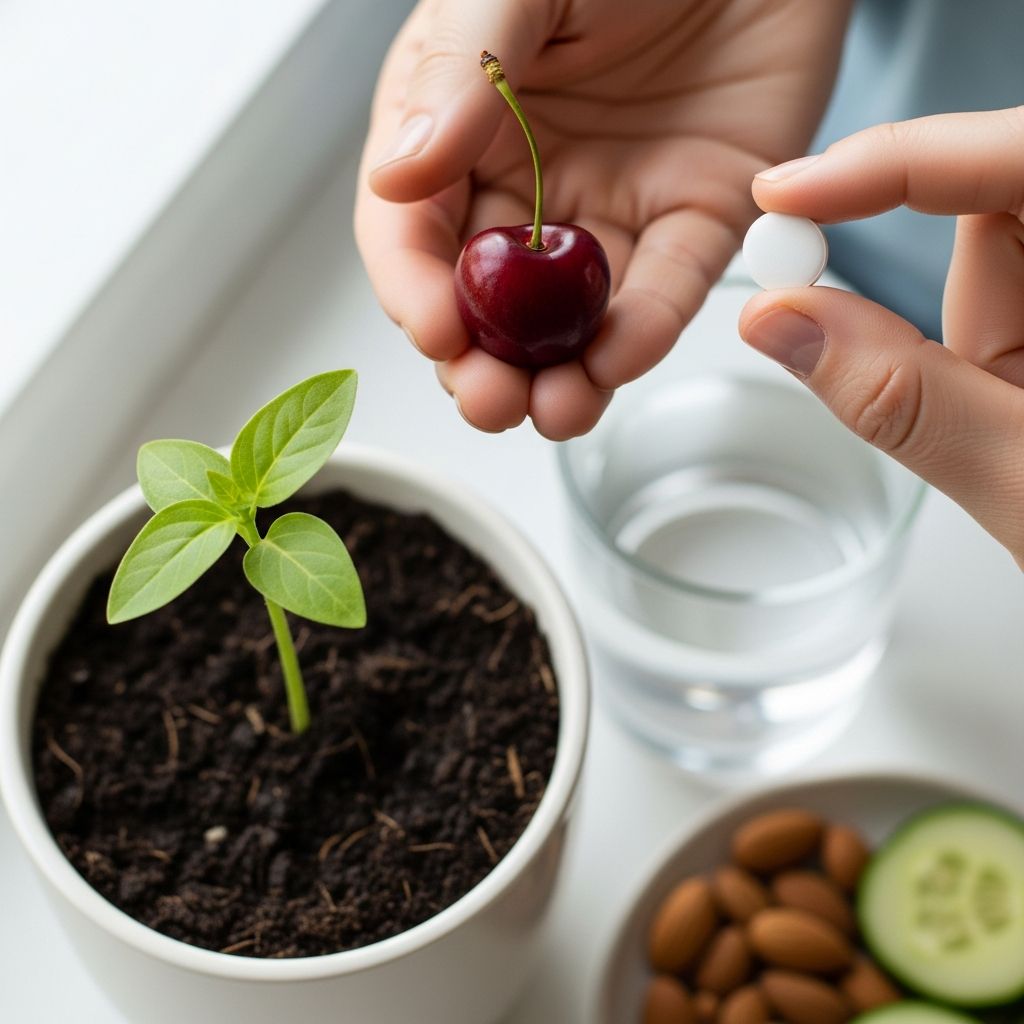
Gout is a painful form of inflammatory arthritis caused by elevated uric acid levels leading to crystal formation in joints. With proper management, including medications, diet, and lifestyle adjustments, most people can prevent flares and live pain-free.
What Is Gout?
Gout develops when uric acid, a waste product from purine breakdown, accumulates in the blood—a condition called hyperuricemia. Normally, kidneys filter and excrete uric acid, but excess production or poor elimination causes needle-like urate crystals to form in joints, triggering intense inflammation and pain. The big toe is most commonly affected, but gout can strike knees, ankles, wrists, fingers, or even the ears. Attacks often occur at night, peaking within 4-12 hours, with symptoms lasting 3-10 days without treatment.
Historically known as a ‘disease of kings’ due to associations with rich diets, gout affects over 9 million Americans, predominantly men over 40, though postmenopausal women are also at risk. Risk factors include obesity, family history, diabetes, hypertension, kidney disease, and certain medications like diuretics.
Stages of Gout
Gout progresses through four stages, each requiring tailored management:
- Asymptomatic Hyperuricemia: Elevated uric acid without symptoms. No treatment needed unless levels exceed 9 mg/dL or crystals form.
- Acute Gout: Sudden flares with severe pain, redness, swelling. Treat promptly to shorten duration.
- Intercritical Gout: Symptom-free periods between flares. Uric acid-lowering therapy (ULT) often starts here to prevent recurrence.
- Chronic Tophaceous Gout: Advanced stage with tophi (uric acid deposits under skin), joint damage, and frequent flares. Requires aggressive ULT.
Early intervention in later stages prevents irreversible damage. Blood tests confirm hyperuricemia (target <6 mg/dL), while joint fluid analysis identifies crystals for definitive diagnosis.
Gout Flares: Recognition and Immediate Management
A gout flare brings excruciating pain, often described as worse than childbirth or a broken bone. The affected joint becomes hot, red, swollen, and tender—even bedsheets feel agonizing. Flares last 3-10 days but respond well to early treatment.
Start Treatment at First Sign:
- NSAIDs: Ibuprofen (400-800 mg 3-4x/day) or naproxen (500 mg 2x/day). Avoid aspirin, which raises uric acid.
- Colchicine: 1.2 mg initially, then 0.6 mg one hour later. Most effective within 12-24 hours.
- Corticosteroids: Prednisone 30-40 mg/day for 5 days if NSAIDs/colchicine contraindicated.
Supportive Measures:
- Rest and elevate the joint.
- Apply ice packs 20 minutes on/off.
- Hydrate aggressively: 8-16 glasses of water daily to flush uric acid and prevent kidney stones.
Avoid starting ULT during a flare, as it may worsen inflammation temporarily.
Uric Acid-Lowering Therapy (ULT)
Long-term control requires lowering serum uric acid below 6 mg/dL to dissolve crystals and prevent flares. Start ULT after flare resolution, using low doses titrated upward.
| Medication | Mechanism | Dosage Example | Notes |
|---|---|---|---|
| Allopurinol | Inhibits uric acid production | 100 mg daily, increase to 300-800 mg | First-line; monitor liver/kidney function |
| Febuxostat | Inhibits uric acid production | 40-80 mg daily | Alternative for allopurinol intolerance |
| Probenecid | Increases uric acid excretion | 250 mg 2x/day, up to 2g | For normal kidney function |
| Pegloticase | Enzyme breaks down uric acid | IV every 2 weeks | For refractory gout |
Combine ULT with flare prophylaxis (low-dose colchicine or NSAID) for 3-6 months. Recent research views gout as an autoinflammatory disease, emphasizing IL-1 inhibitors like anakinra for severe cases.
Related Stories



Gout Diet: Dos and Don’ts
Diet influences 10-20% of uric acid levels but is crucial for flare prevention. Aim for gradual weight loss if overweight, as rapid loss can trigger attacks.
Foods to Limit/Avoid:
- High-purine meats: Organ meats, red meat, bacon (<4 oz/day).
- Seafood: Anchovies, sardines, mussels, scallops.
- Sugary drinks: Fructose-sweetened sodas increase uric acid.
- Alcohol: Beer and liquor worst; wine moderate.
Foods to Embrace:
- Low-fat dairy: Lowers uric acid.
- Cherries/cherry juice: Reduces flares (studies show 35-50% fewer attacks).
- Vegetables: All safe, even moderate-purine asparagus/spinach.
- Whole grains, nuts, eggs, plant proteins.
- Coffee: Associated with lower risk.
Drink 8-12 glasses water daily; limit alcohol to <14 units/week.
Lifestyle Changes for Gout Management
Beyond diet:
- Exercise: Moderate activity (walking, swimming) 150 min/week reduces flares. Avoid intense workouts during flares.
- Weight Management: Losing 1-2 lbs/week lowers uric acid and improves comorbidities.
- Hydration: 2-3 liters fluid/day dilutes uric acid.
- Supplements: Vitamin C (500 mg/day) modestly lowers uric acid; cherries, turmeric for inflammation. Consult doctor.
Preventing Gout and Achieving Remission
Consistent ULT dissolves tophi in 1-2 years; 80% achieve remission with adherence. Monitor uric acid every 6 months. Manage comorbidities: control blood pressure, diabetes. Recent ACR guidelines emphasize treat-to-target therapy.
Advanced gout risks kidney disease, cardiovascular issues—early control mitigates these.
Frequently Asked Questions (FAQs)
Can gout be cured?
No, but it can be managed into remission with ULT and lifestyle changes, preventing flares indefinitely.
Does diet alone control gout?
Diet helps but ULT is essential for most; diet optimizes therapy.
Why does gout affect the big toe?
Cooler temperatures there promote crystal formation; lower blood flow hinders clearance.
Is gout hereditary?
Yes, genetic factors influence uric acid handling; family history doubles risk.
Can women get gout?
Yes, especially post-menopause when estrogen (which aids excretion) drops.
Conclusion
Living well with gout demands a multifaceted approach: prompt flare treatment, sustained ULT, smart eating, and healthy habits. Partner with your rheumatologist for personalized care. With commitment, gout need not dominate your life.
References
- The Painful Truth About Gout: Causes, Symptoms, and Treatment — Arthritis Australia. 2023-10-01. https://www.arthritis.org.au/arthritis/arthritis-insights/living-well-with-arthritis/the-painful-truth-about-gout-causes-symptoms-and-treatment/
- A New View on Gout Flares and Treatments — Arthritis Foundation (Bryan D. Vargo). 2022-11-25. https://www.arthritis.org/health-wellness/treatment/treatment-plan/disease-management/gout-flares-gout-treatments
- Gout Diet Dos and Don’ts — Arthritis Foundation. Accessed 2026. https://www.arthritis.org/health-wellness/healthy-living/nutrition/healthy-eating/gout-diet-dos-and-donts
- Gout Patient Education — Arthritis Foundation. Accessed 2026. https://www.arthritis.org/gout-patient-education
- Managing a Gout Flare — Arthritis Foundation. Accessed 2026. https://www.arthritis.org/diseases/more-about/managing-a-gout-attack
- 4 Phases Stages of Gout — Arthritis Foundation. Accessed 2026. https://www.arthritis.org/diseases/more-about/stages-of-gout
Similar Articles








Read full bio of medha deb