Living with Eczema: A Personal Path to Relief
Discover one person's real-life strategies for managing eczema symptoms, from daily routines to advanced therapies that brought lasting comfort.
Eczema, or atopic dermatitis, transforms everyday life into a constant negotiation with itchy, inflamed skin. For many, it begins subtly but escalates into a persistent battle requiring vigilant care and adaptive strategies. This account draws from lived experience to outline practical steps toward calmer skin.
Recognizing the First Signs of Eczema
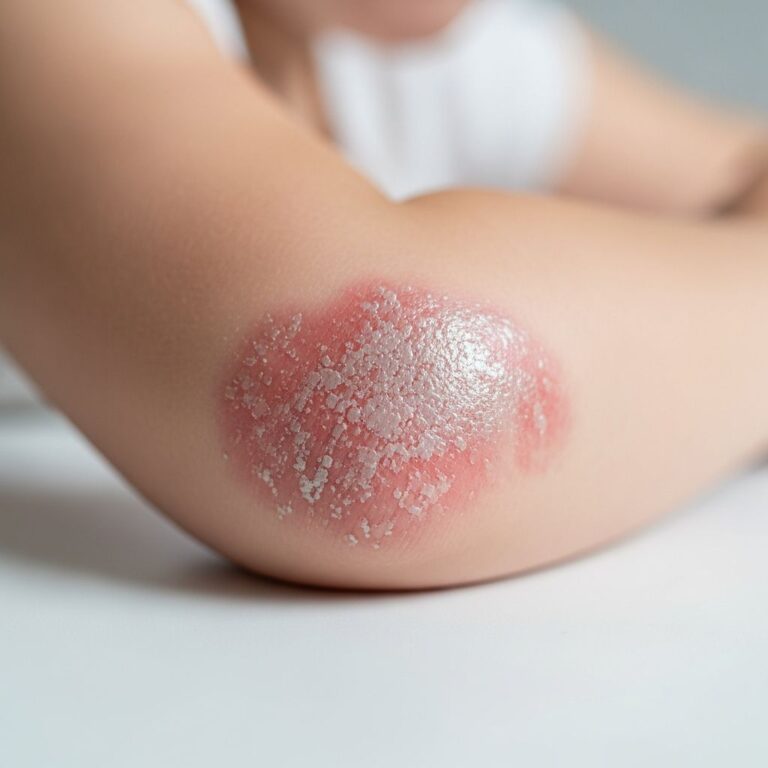
The onset often occurs in childhood, with dry patches appearing on elbows, knees, or cheeks that refuse to heal. These areas become red, rough, and intensely itchy, especially at night, disrupting sleep and focus. Over time, scratching leads to thickened skin and open sores prone to infection. Early recognition allows for prompt intervention, preventing escalation.
- Dry, scaly patches that worsen in winter or with stress.
- Intense itching that peaks during flares.
- Family history often plays a role, linking it to allergies or asthma.
Building a Foundation with Daily Skin Care Habits
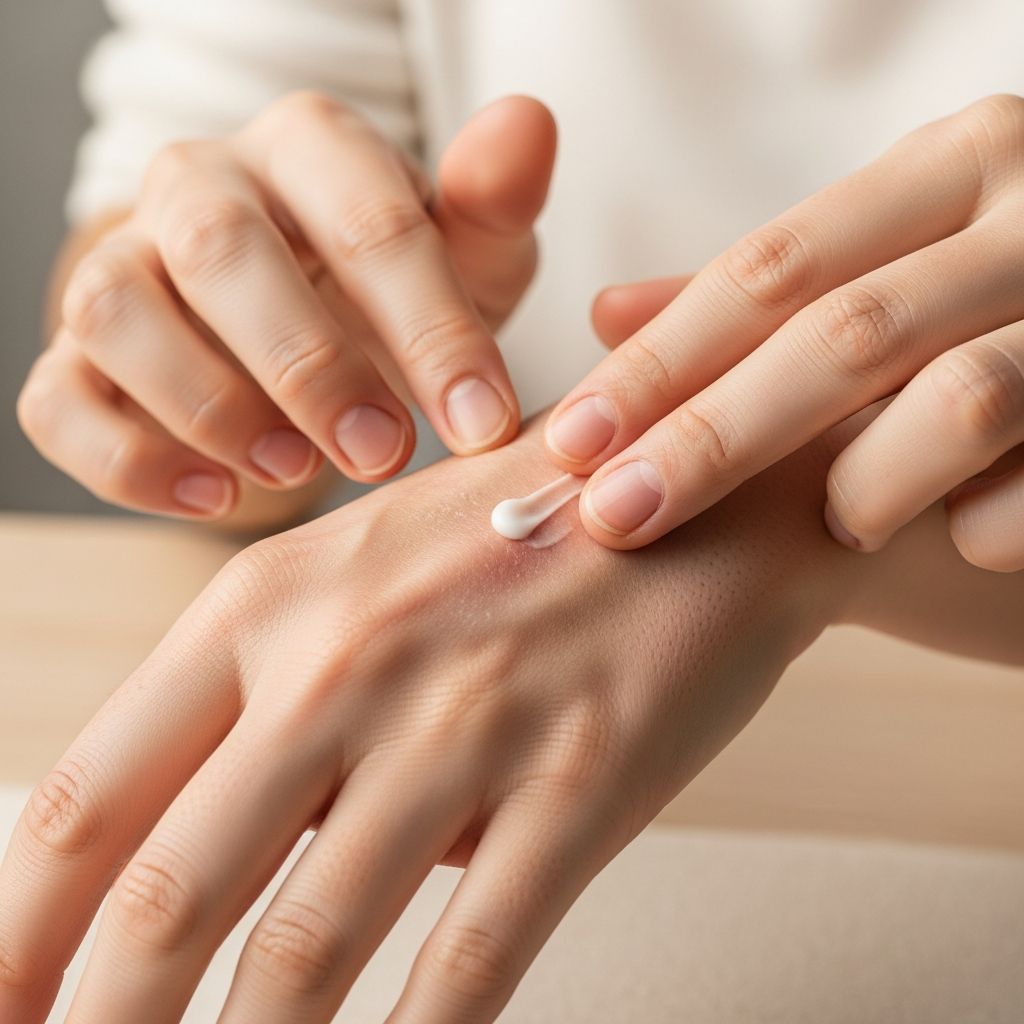
Consistent hydration forms the cornerstone of eczema management. Applying thick, fragrance-free ointments multiple times daily locks in moisture and repairs the skin barrier. Short, lukewarm baths using gentle, pH-balanced cleansers remove irritants without stripping natural oils, followed immediately by moisturizing.
Avoid harsh soaps, long hot showers, and fabrics like wool that trap heat and irritate. Protective measures, such as cotton gloves at night, curb unconscious scratching during sleep.
| Daily Routine Step | Why It Helps | Tips for Success |
|---|---|---|
| Morning moisturize | Seals overnight hydration | Choose ointment over lotion for better barrier |
| Gentle bathing | Cleans without drying | 5-10 minutes, lukewarm water only |
| Post-bath lock-in | Prevents evaporation | Apply within 3 minutes of patting dry |
| Nighttime protection | Reduces scratching damage | Wet wraps or cotton barriers |
Medical Interventions for Flare Control
When basic care falls short, topical corticosteroids provide rapid relief by reducing inflammation. Low-potency options suit sensitive areas like the face, while stronger ones target body flares. For steroid-sparing alternatives, calcineurin inhibitors like tacrolimus calm immune responses without thinning skin.
In severe cases, phototherapy uses controlled UV light to soothe widespread lesions. Systemic options, including immunosuppressants or biologics, offer hope for refractory eczema by targeting specific inflammatory pathways.
Addressing Triggers and Environmental Factors
Identifying personal triggers—such as dust mites, pet dander, certain foods, or stress—enables proactive avoidance. Allergy testing and elimination diets, under medical guidance, can pinpoint culprits. Climate control, like humidifiers in dry air, maintains optimal skin conditions.
- Switch to hypoallergenic bedding weekly.
- Opt for breathable cotton clothing.
- Manage stress via mindfulness to lessen flares.
Advanced Therapies and Emerging Options
For persistent symptoms, dilute bleach baths reduce bacterial overgrowth, a common flare aggravator. Wet-wrap therapy intensifies treatment by occluding medicated creams under damp layers, ideal for acute episodes. Newer Janus kinase inhibitors and biologics represent game-changers, blocking itch signals at the molecular level.
Related Stories



These options, prescribed for moderate-to-severe cases, have transformed management, allowing many to reduce reliance on topicals.
Nutrition and Lifestyle Adjustments
While no diet cures eczema, anti-inflammatory foods like fatty fish, berries, and probiotics support skin health. Hydration from within complements topical efforts. Stress reduction techniques, including yoga or meditation, mitigate emotional triggers that exacerbate itching.
Tracking flares in a journal reveals patterns, empowering informed choices with healthcare providers.
Overcoming Emotional and Social Challenges
Eczema’s visibility invites self-consciousness, especially during flares. Building resilience involves connecting with support communities and normalizing open discussions. Professional counseling addresses anxiety tied to chronic symptoms, fostering mental well-being alongside physical relief.
Long-Term Management and Hope Ahead
Eczema evolves, often improving with age, but requires lifelong commitment. Regular dermatologist visits tailor treatments to changing needs. Emerging research promises even more targeted therapies, offering optimism for clearer skin.
Frequently Asked Questions (FAQs)
What causes eczema flares?
Flares stem from barrier dysfunction, immune overactivity, and triggers like irritants or allergens. Managing all three layers control.
Are natural remedies effective?
Options like colloidal oatmeal baths or manuka honey soothe mildly but lack robust evidence for severe cases. Consult providers before use.
How soon do treatments work?
Topicals often improve symptoms in days; systemic therapies may take weeks. Patience and consistency yield best results.
Can children outgrow eczema?
Many do, with 50-70% seeing remission by adolescence, though some persist into adulthood.
Is phototherapy safe long-term?
Under supervision, yes, but requires monitoring for skin cancer risk. It’s reserved for unresponsive cases.
References
- A Comprehensive Review of the Treatment of Atopic Eczema — PMC. 2016-02-01. https://pmc.ncbi.nlm.nih.gov/articles/PMC4773205/
- Eczema (Atopic Dermatitis) Overview — Pfizer. Accessed 2026. https://www.pfizer.com/disease-and-conditions/eczema
- Treatments for eczema — National Eczema Society. Accessed 2026. https://eczema.org/information-and-advice/treatments-for-eczema/
- Atopic dermatitis (eczema) – Diagnosis and treatment — Mayo Clinic. 2023-11-07. https://www.mayoclinic.org/diseases-conditions/atopic-dermatitis-eczema/diagnosis-treatment/drc-20353279
- Eczema (Atopic Dermatitis) | Symptoms, Treatment & Management — AAAAI. Accessed 2026. https://www.aaaai.org/tools-for-the-public/conditions-library/allergies/eczema-(atopic-dermatitis)-overview
- Atopic eczema: Symptoms, causes and treatments — NHS. 2020-03-02. https://www.nhs.uk/conditions/atopic-eczema/
Similar Articles








Read full bio of medha deb