Living With Type 1 Diabetes: Comprehensive Guide to Daily Care
Essential strategies, daily management tips, and real-life insights for thriving with type 1 diabetes long-term.
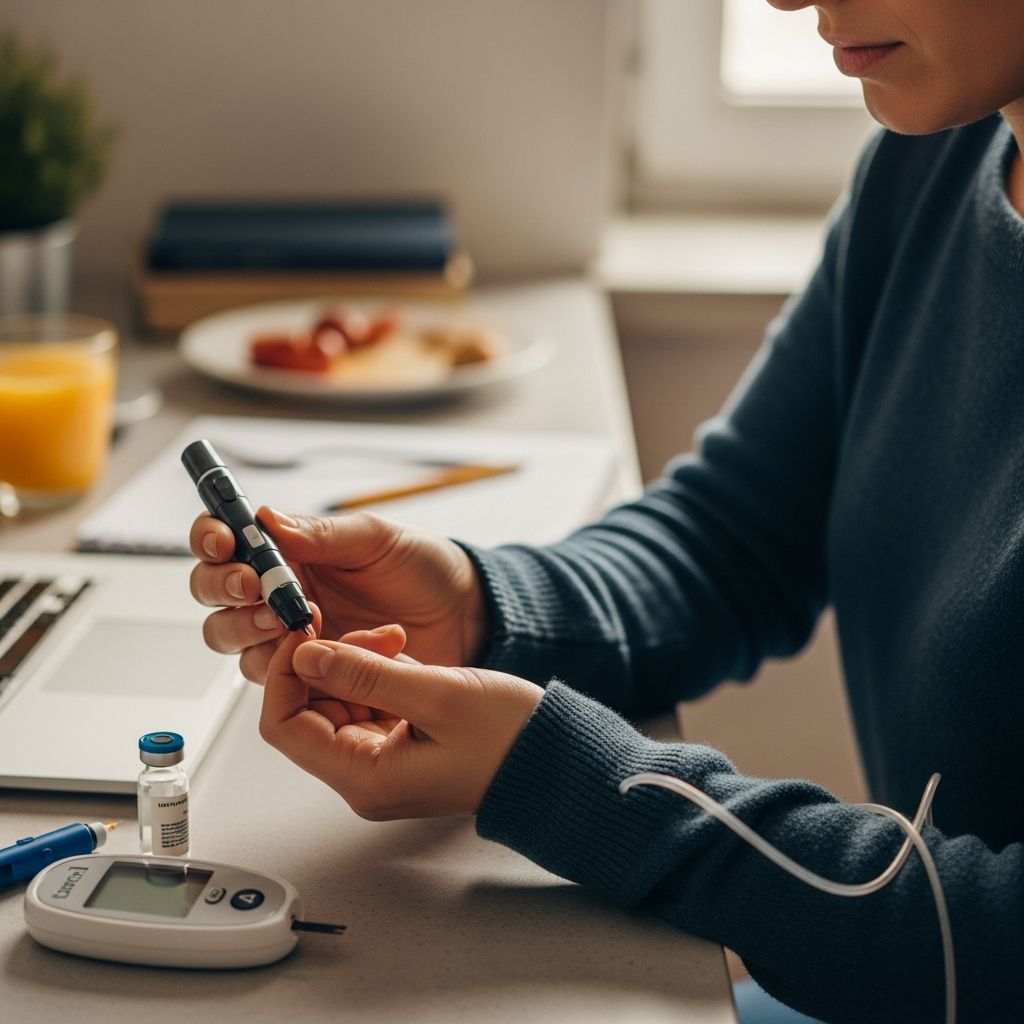
Type 1 diabetes is an autoimmune condition where the immune system destroys insulin-producing beta cells in the pancreas, requiring lifelong insulin therapy to manage blood glucose levels. With proper management through insulin, diet, exercise, and support, individuals can lead long, healthy lives and minimize complications like heart disease, kidney damage, and neuropathy.
What Is Type 1 Diabetes?
Your immune system attacks the pancreas’s beta cells, halting natural insulin production needed to transport glucose into cells for energy. Without insulin, glucose builds up in the blood (hyperglycemia), leading to fatigue, thirst, and long-term organ damage. Diagnosis often occurs in children or young adults, but it can develop at any age, with no known prevention.
Short-term risks include hypoglycemia from insulin or exercise, causing confusion or seizures, while hyperglycemia can lead to ketoacidosis. Long-term, uncontrolled levels harm the heart, eyes, and kidneys, but vigilant monitoring of carbs, glucose, and insulin dosing prevents most issues.
Symptoms of Type 1 Diabetes
Early signs mimic other illnesses but signal urgent need for care:
- Frequent urination
- Excessive thirst
- Intense hunger despite eating
- Extreme fatigue
- Blurred vision
- Slow-healing wounds
- Unexplained weight loss
Some experience no initial symptoms, delaying diagnosis until emergencies arise.
Daily Management: Insulin Therapy
Insulin replacement is cornerstone treatment, administered via injections or pumps multiple times daily. Types include rapid-acting for meals, long-acting for basal needs, and mixes for convenience. Dosing factors in carbs, activity, and current glucose via carb counting and correction factors.
Pumps deliver continuous subcutaneous insulin, mimicking natural secretion with boluses for meals. Continuous glucose monitors (CGMs) provide real-time data, alerting to highs/lows. Hybrid closed-loop systems automate adjustments, reducing burden.
| Insulin Type | Onset | Peak | Duration |
|---|---|---|---|
| Rapid-acting (e.g., lispro) | 15 min | 1-2 hrs | 3-5 hrs |
| Short-acting (regular) | 30 min | 2-3 hrs | 3-6 hrs |
| Intermediate (NPH) | 2-4 hrs | 4-10 hrs | 12-18 hrs |
| Long-acting (glargine) | 1-2 hrs | Little/no peak | 20-24 hrs |
Rotate injection sites (abdomen, thighs, arms) to prevent lipodystrophy. Always carry glucagon for severe lows and fast-acting carbs like glucose tabs.
Nutrition and Carb Counting
A balanced eating plan, not a strict diet, stabilizes glucose. Focus on veggies, lean proteins, whole grains, healthy fats; limit sugars/processed foods. Carb counting is essential: estimate grams per meal, match insulin bolus.
- Plate method: Half non-starchy veggies, quarter protein, quarter carbs.
- Glycemic index: Choose low-GI foods (oats, legumes) for steady release.
- Hydration: Water over sugary drinks to avoid dehydration spikes.
Work with a dietitian for personalized plans. Family meals adapted universally foster normalcy without spotlighting differences.
Related Stories



Exercise and Physical Activity
Regular movement improves insulin sensitivity, mood, and cardiovascular health but requires glucose planning to avoid lows.
- Check glucose before, during (every 30 min), after exercise.
- Carb-up or reduce insulin pre-workout; have snacks handy.
- Aim for 150 min/week moderate aerobic + strength training.
Activities like running, swimming, yoga are feasible with adjustments. Positive attitude empowers: “Don’t let it limit you”—many thrive in sports, careers.
Blood Sugar Monitoring
Frequent checks (4-10x/day) or CGMs track patterns. Targets: 70-180 mg/dL fasting/pre-meal; <180 post-meal; <10% time above 250 mg/dL.
Log data reveals trends for dose tweaks. Tech like Dexcom/FreeStyle Libre shares readings with caregivers remotely, easing transitions to independence.
Technology and Innovations
CGMs, pumps, and automated insulin delivery (AID) systems revolutionize control, cutting A1C and hypoglycemia.
- CGM: Sensor under skin measures interstitial glucose every 5 min.
- Insulin pump: Tubed or patch for basal/bolus.
- AID: Integrates CGM/pump for auto-adjustments.
Apps track everything; emerging beta-cell implants/pancreas transplants offer hope, but management remains key.
Emotional and Mental Health
Diagnosis brings grief, fear, burnout. “It’s not who you are”—diabetes is one facet. Seek therapy, support groups; mindfulness combats “diabetes distress.”
Families provide normalcy: shared healthy habits vs. special treatment. Teens face identity struggles, peer stigma—validation and positivity help.
Preventing Complications
Tight control averts retinopathy, nephropathy, neuropathy, heart issues. Annual eye/kidney/foot checks essential.
- A1C goal: <7% for most.
- Blood pressure/cholesterol: Manage with ACE inhibitors, statins if needed.
- Hygiene: Foot care prevents ulcers.
Thriving Long-Term: Lessons from Adults
Adults with decades of experience share: Positive mindset, support networks enable full lives—careers, families, adventures.
- Theme 1: It’s not who you are—focus beyond disease.
- Theme 2: Don’t let it limit you—adapt smartly.
- Theme 3: Get support—family, pros normalize life.
- Theme 4: Listen to body, stay proactive.
Parents/HCPs: Model optimism, affirm capabilities to counter fears.
Frequently Asked Questions (FAQs)
What causes type 1 diabetes?
An autoimmune attack on pancreatic beta cells destroys insulin production; triggers unknown.
Can I exercise with type 1 diabetes?
Yes—monitor glucose, adjust insulin/carbs; many excel in athletics.
How do I handle low blood sugar?
15g fast carbs (juice, tabs), recheck 15 min; glucagon for severe cases.
Is there a cure?
No cure yet, but tech improves management; research advances.
Can children with type 1 live normally?
Absolutely—with support, they pursue dreams without limits.
References
- Lessons Learned From a Life With Type 1 Diabetes: Adult Perspectives — NIH/PMC. 2017-07-01. https://pmc.ncbi.nlm.nih.gov/articles/PMC5556582/
- Understanding Type 1 Diabetes — American Diabetes Association. 2025. https://diabetes.org/about-diabetes/type-1
Similar Articles








Read full bio of Sneha Tete