Lixisenatide: 6 Common Side Effects, Dosing, And Safety
Comprehensive guide to Lixisenatide (Lyxumia), an injectable treatment for type 2 diabetes that helps control blood sugar levels effectively.
About lixisenatide
Lixisenatide is a type of antidiabetic medicine known as a GLP-1 receptor agonist, designed specifically for adults with
type 2 diabetes mellitus
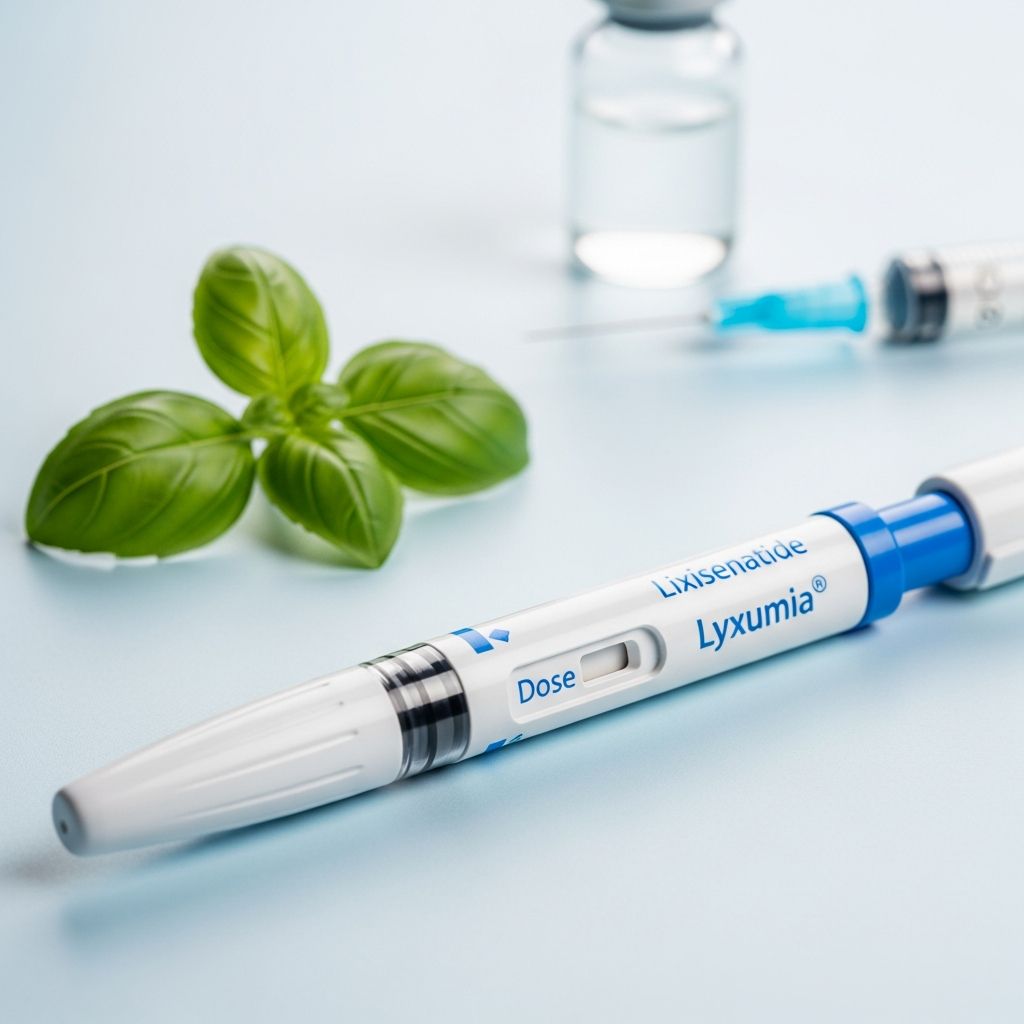
. Marketed under the brand name Lyxumia® (or Adlyxin® in some regions), it is available as a subcutaneous injection delivered via a pre-filled pen.| Type of medicine | Used for | Also called | Available as |
|---|---|---|---|
| An antidiabetic injection | Type 2 diabetes mellitus in adults | Lyxumia®; Adlyxin® | Subcutaneous injection in the form of a pre-filled pen |
Insulin, a hormone produced by the pancreas, plays a crucial role in regulating blood glucose levels by facilitating sugar uptake into cells for energy. In type 2 diabetes, the body either fails to produce sufficient insulin or does not utilize it effectively, leading to elevated blood sugar (hyperglycemia). This chronic high blood sugar increases the risk of serious complications, including cardiovascular disease, neuropathy, retinopathy, and kidney damage. Effective management through lifestyle changes, oral medications, or injectables like lixisenatide is essential to minimize these risks.
While dietary modifications and exercise can help some individuals, many require pharmacological intervention.
Lixisenatide
is prescribed as an adjunct to diet and exercise, often in combination with oral glucose-lowering agents (e.g., metformin, sulfonylureas, pioglitazone) or basal insulin when these alone fail to achieve adequate glycemic control. Clinical guidelines, such as those from diabetes associations, support its use in patients inadequately controlled on prior therapies.How lixisenatide works
**Lixisenatide** belongs to the class of glucagon-like peptide-1 (GLP-1) receptor agonists, mimicking the action of the endogenous incretin hormone GLP-1. It exerts its glucose-lowering effects through three primary mechanisms:
- Stimulates insulin secretion: Lixisenatide binds to GLP-1 receptors on pancreatic beta cells, enhancing glucose-dependent insulin release. This increases insulin production only when blood sugar is elevated, reducing the risk of hypoglycemia compared to non-glucose-dependent agents.
- Suppresses glucagon release: It inhibits glucagon secretion from pancreatic alpha cells. Glucagon normally signals the liver to release stored glucose; by curbing this, lixisenatide lowers hepatic glucose output, further decreasing blood sugar levels.
- Delays gastric emptying: By slowing the rate at which food leaves the stomach, lixisenatide moderates postprandial (after-meal) glucose spikes. This prolongs the absorption of nutrients, providing a more stable glycemic profile throughout the day.
These actions collectively improve glycemic control, as evidenced by reductions in HbA1c (a measure of long-term blood sugar) in clinical trials. For instance, studies showed significant HbA1c decreases when lixisenatide was added to metformin, sulfonylureas, or basal insulin, with additional benefits like modest weight loss.
How and when to use lixisenatide
Lixisenatide is administered via subcutaneous injection using a user-friendly pre-filled pen. The pen delivers precise doses of 10 micrograms (mcg) or 20 mcg, with color-coded options (green for 10 mcg initiation, purple for 20 mcg maintenance).
- Dosing schedule: Inject once daily within one hour before the first meal of the day (e.g., breakfast) or the evening meal. Consistency is key—choose and stick to the same meal daily to maintain steady drug levels.
- Initiation and titration: Begin with 10 mcg daily for the first two weeks to allow tolerance to gastrointestinal side effects. Increase to the maintenance dose of 20 mcg daily thereafter. Treatment initiation packs typically include supplies for this ramp-up phase.
- Injection sites: Rotate between the abdomen, upper arm, or thigh. Clean the site with an alcohol swab, pinch the skin, insert the needle at a 90-degree angle, and inject slowly. Dispose of used pens safely in a sharps container.
- Missed dose: If missed before the chosen meal, skip it and resume the next day. Do not double-dose.
Related Stories



Always follow your healthcare provider’s instructions, as dosing may adjust based on renal function, concurrent medications, or glycemic response. Regular blood glucose monitoring is advised, especially when starting or changing doses.
Dosage
The standard adult dosage for lixisenatide is:
| Week | Dose | Frequency |
|---|---|---|
| 1–2 | 10 micrograms | Once daily, before the same meal |
| 3+ | 20 micrograms | Once daily, before the same meal |
No dose adjustments are routinely needed for mild renal impairment, but caution is advised in moderate to severe cases. It is not recommended for type 1 diabetes, diabetic ketoacidosis, or severe gastrointestinal disease.
Getting the most benefit
- Combine with a balanced diet low in refined sugars and physical activity (at least 150 minutes/week of moderate exercise).
- Monitor blood glucose regularly and track HbA1c every 3–6 months.
- Report persistent high sugars or symptoms of hypo/hyperglycemia promptly.
- Avoid excessive alcohol, which can exacerbate blood sugar fluctuations.
- Inform your doctor about all medications to prevent interactions, particularly oral drugs affected by delayed gastric emptying (e.g., antibiotics, contraceptives—take them at least 1–4 hours before lixisenatide).
Side-effects
Common side effects (affecting >5% of users) are primarily gastrointestinal and often improve over time:
- Nausea (most frequent, especially during initiation)
- Vomiting
- Diarrhea
- Headache
- Dizziness
- Abdominal pain
Hypoglycemia risk increases when combined with insulin or sulfonylureas. Early signs include shakiness, sweating, hunger, palpitations, anxiety, pallor, and dizziness. Treat promptly with fast-acting carbs (15g glucose), recheck after 15 minutes.
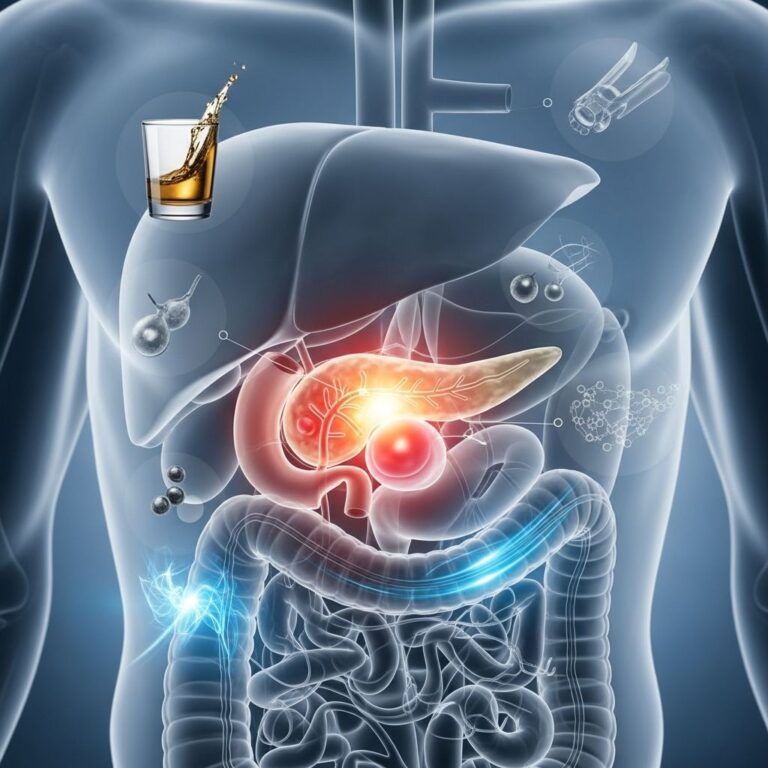
Rare but serious effects include pancreatitis (severe abdominal pain), allergic reactions (rash, swelling, breathing difficulty), gallbladder issues, or thyroid tumors (observed in rodents; human risk unclear). Seek immediate medical help for these.
Precautions
- Contraindications: Personal/family history of medullary thyroid carcinoma (MTC), multiple endocrine neoplasia syndrome type 2 (MEN 2), severe renal impairment (eGFR <15 mL/min), history of severe GI disease (gastroparesis).
- Pregnancy/Breastfeeding: Not recommended; use effective contraception. Insulin is preferred in pregnancy.
- Driving/Operating machinery: Hypoglycemia may impair alertness—monitor closely when starting.
- Drug interactions: Delays absorption of co-administered orals; separate timing as advised.
When not to use lixisenatide
Avoid if you have type 1 diabetes, ketoacidosis, severe GI disorders, or thyroid C-cell tumors history. Discontinue if acute pancreatitis or hypersensitivity occurs.
Frequently Asked Questions (FAQs)
Q: Can lixisenatide cause low blood sugar?
A: Yes, especially with insulin or sulfonylureas. Recognize hypo symptoms and treat with glucose.
Q: How quickly does lixisenatide work?
A: Glycemic improvements seen within weeks; full effects on HbA1c in 12+ weeks.
Q: Does lixisenatide cause weight gain?
A: No, it typically promotes modest weight loss via appetite suppression and delayed emptying.
Q: Can I use lixisenatide alone?
A: Primarily as add-on therapy; monotherapy possible but less common.
Q: Is lixisenatide safe for kidneys?
A: Use caution in impairment; not for end-stage renal disease.
References
- Lixisenatide for diabetes – Patient.info — Patient.info. 2023. https://patient.info/medicine/lixisenatide-for-diabetes-lyxumia
- Lixisenatide (Lyxumia®) Prescribing Information Sheet — Bedfordshire, Luton and Milton Keynes ICB. 2020-11. https://medicines.bedfordshirelutonandmiltonkeynes.icb.nhs.uk/wp-content/uploads/2021/01/Lixisenatide-Prescribing-fact-sheet-Updated-November-2020-final.pdf
- Lixisenatide: Uses, Interactions, Mechanism of Action — DrugBank Online. 2024. https://go.drugbank.com/drugs/DB09265
- Lixisenatide Injection: MedlinePlus Drug Information — MedlinePlus (U.S. National Library of Medicine). 2024. https://medlineplus.gov/druginfo/meds/a617005.html
- Lixisenatide for Diabetes: What Pharmacists Should Know — Pharmacy Times. 2016-07. https://www.pharmacytimes.com/view/lixisenatide-for-diabetes-what-pharmacists-should-know
- Lixisenatide (subcutaneous route) – Mayo Clinic — Mayo Clinic. 2024. https://www.mayoclinic.org/drugs-supplements/lixisenatide-subcutaneous-route/description/drg-20312437
Similar Articles








Read full bio of Sneha Tete