Lobectomy: Surgical Treatment for Lung Disease and Recovery Insights
Comprehensive guide to lobectomy surgery, its preparation, procedure, and recovery process in lung disease management.
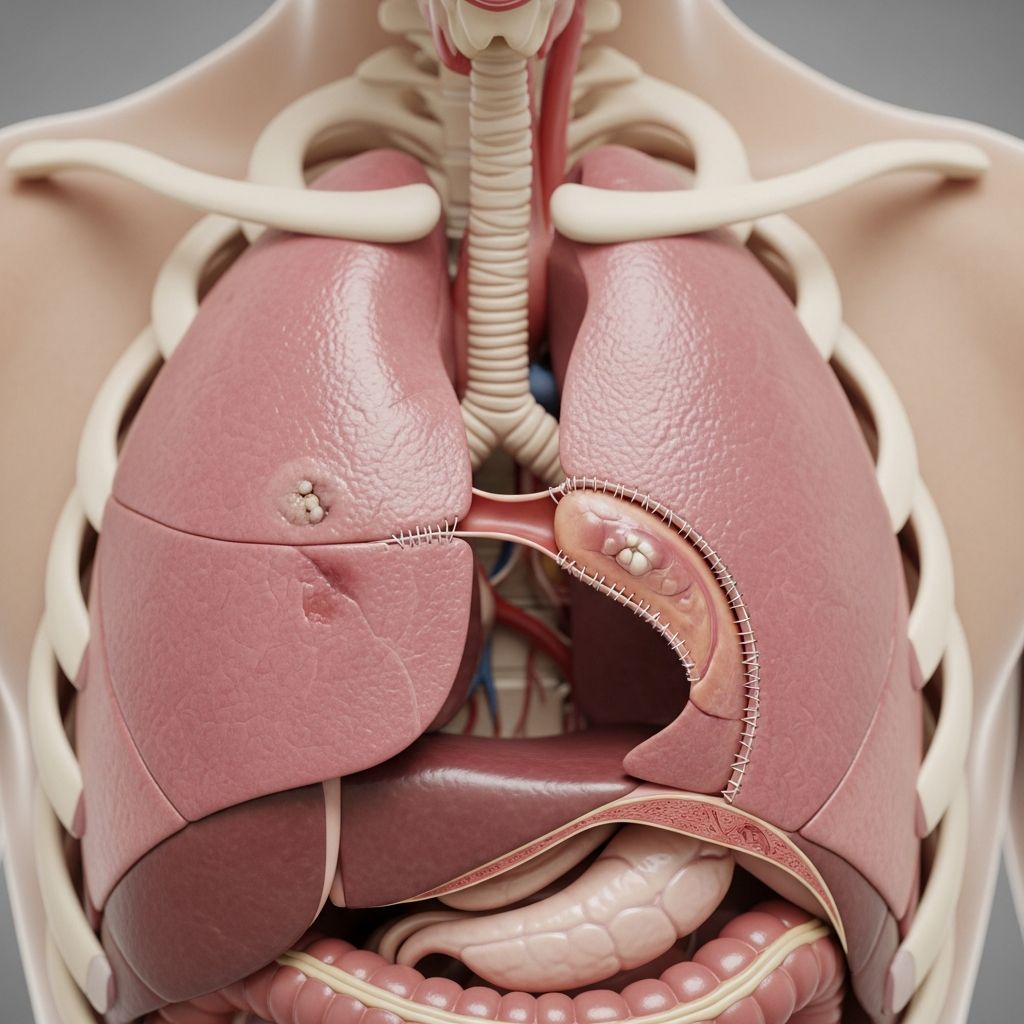
A lobectomy is a surgical procedure that involves removing one lobe of the lung. It is commonly performed to treat lung cancer but can also be indicated for other lung conditions. The lungs are split into lobes — three on the right lung and two on the left — and removing one lobe can help eliminate diseased or cancerous tissue while preserving as much healthy lung as possible.
What Is a Lobectomy?
A lobectomy is the surgical removal of an entire lobe of a lung. It is most often used as a treatment for early-stage lung cancer or other severe lung diseases affecting a single lobe. When cancer or disease is confined to one lobe, a lobectomy can be curative by removing the affected section entirely.
This procedure differs from other lung surgeries such as:
- Segmentectomy: removal of part of a lobe.
- Bilobectomy: removal of two lobes, applicable only for the right lung since it has three lobes.
- Pneumonectomy: removal of the entire lung.
Reasons for Lobectomy
Lobectomy is most commonly performed for:
- Non-small cell lung cancer (NSCLC), especially in early stages
- Lung carcinoid tumors
- Small cell lung cancer (in selected cases)
- Severe infections or damaged lung tissue limited to one lobe
- Benign lung tumors or other non-cancerous lung diseases
Types of Lobectomy Surgery
Lobectomy can be performed via different surgical techniques, each varying in invasiveness and recovery time.
Thoracotomy
Traditional lung lobectomy is performed with a thoracotomy, where the surgeon makes a large incision between the ribs to open the chest and access the lung. This provides direct visibility and access but involves a more invasive procedure with longer hospital stay and recovery.
Video-Assisted Thoracoscopic Surgery (VATS)
In VATS, surgeons use several small incisions to insert a camera and specialized instruments without opening the ribs. This minimally invasive technique causes less pain, reduces hospital stay (typically 4-5 days compared to 6-7 days with thoracotomy), and speeds recovery.
Robot-Assisted Thoracoscopic Surgery (RATS)
RATS is a newer method similar to VATS but uses robotic instruments controlled by the surgeon. It allows for even more precision and articulation during surgery, often resulting in less blood loss and quicker recovery. The hospital stay is usually 2-3 days.
Preparation for a Lobectomy
Successful lobectomy requires comprehensive preparation to optimize lung function and overall health, minimizing surgical risks and aiding recovery.
Preoperative Testing
Patients undergo multiple pre-surgery evaluations, including:
- Imaging tests: Chest X-rays, CT scans to assess tumor size and location.
- Cardiopulmonary assessments: Pulmonary function tests and heart evaluations to ensure patient fitness for surgery.
- Other scans: MRI or PET scans to check for cancer spread (staging).
- Blood tests and medical history review, including evaluation of comorbidities such as hypertension, diabetes, and prior treatments like chemotherapy or radiation.
Related Stories



Physical and Mental Conditioning
Doctors may recommend certain exercises before surgery such as deep breathing and aerobic conditioning to improve lung capacity and emotional well-being. Physical conditioning has been shown to reduce postoperative complications and enhance recovery.
Patient Instructions
Patients will receive guidance on fasting before surgery and medications to avoid. It is important to carefully follow these instructions to ensure safety under anesthesia.
The Lobectomy Procedure
On the day of surgery, the patient is placed under general anesthesia and will not feel pain during the operation. A breathing tube is inserted to ventilate the lungs mechanically.
The surgeon then follows these general steps:
- Access the chest cavity using thoracotomy, VATS, or RATS technique.
- Identify and isolate the lobe containing the diseased tissue.
- Carefully detach blood vessels and airways connecting the lobe.
- Remove the entire lobe.
- Insert chest tubes to drain air and fluid postoperatively.
- Close the incisions.
The average lobectomy surgery lasts about two hours but may vary depending on complexity.
Postoperative Care and Recovery
Following surgery, patients spend several days in the hospital for monitoring and recovery.
Chest Tubes
One or more chest tubes are placed during surgery to remove air and fluid from around the lungs. These typically remain for about two days and are removed once the lung re-expands fully.
Breathing and Mobility
Patients are encouraged to practice breathing and coughing exercises to improve lung function and prevent complications like pneumonia. Early mobilization with walking beginning within hours after surgery helps strengthen the lungs and circulatory system.
Hospital Stay Duration
The length of stay depends on the surgical approach:
| Method | Average Hospital Stay |
|---|---|
| Thoracotomy | 6 to 7 days |
| VATS Lobectomy | 4 to 5 days |
| RATS Lobectomy | 2 to 3 days |
Symptoms During Recovery
After discharge, patients usually experience some symptoms such as:
- Pain near the incision, managed with prescribed medications.
- Fatigue as the body heals.
- Shortness of breath or a dry cough, improving gradually.
Follow-Up and Additional Treatments
Follow-up appointments include chest X-rays and wound checks scheduled within 1-3 weeks post-surgery. Depending on cancer staging, chemotherapy or radiation might be recommended after lobectomy to reduce recurrence risk.
Possible Complications
Although lobectomy is generally safe, complications can occur:
- Air Leak: The most common complication (15-18% cases) where air continuously leaks from the lung after surgery, typically resolving over time but sometimes requiring prolonged chest tube placement.
- Atrial fibrillation: An irregular heart rhythm seen in some post-op patients.
- Infections: Surgical site infections or pneumonia.
- Bleeding or fluid buildup in the chest.
- Respiratory decline: Reduced lung function, especially in patients with emphysema or poor baseline lung health.
Patients should immediately report symptoms such as fever, increased pain, difficulty breathing, or excessive swelling to their healthcare provider.
FAQs About Lobectomy
How long does it take to fully recover from a lobectomy?
Recovery varies but typically takes several weeks to a few months. Minimally invasive methods like VATS or RATS may shorten recovery time.
Will I have difficulty breathing with one less lung lobe?
Patients generally adapt well, with remaining lung tissue compensating. Preoperative tests ensure lung function is adequate to tolerate lobectomy.
Is lobectomy the standard treatment for early-stage lung cancer?
Yes, lobectomy remains the gold standard surgical treatment for early-stage non-small cell lung cancer, offering the best chance for cure.
What should I expect after surgery regarding pain management?
Pain is managed with medications initially, with a plan to gradually reduce narcotic use to avoid dependence and side effects.
Are there alternatives to lobectomy?
Alternatives like segmentectomy or wedge resection remove less lung tissue but may not be as effective for some cancers. In advanced disease, chemotherapy or radiation may be options.
Summary
Lobectomy is a critical surgical procedure primarily for lung cancer and some other lung diseases. Advances in minimally invasive techniques like VATS and RATS have improved patient outcomes, reducing hospital stays and speeding recovery. Proper preoperative preparation, postoperative care, and follow-up can help patients recover fully and reduce potential complications.
References
- Lobectomy for Lung Cancer: How to Prepare and Recover — MyLungCancerTeam. 2025-11-20. https://www.mylungcancerteam.com/resources/lobectomy-for-lung-cancer-how-to-prepare-and-recover
- Lung Lobectomy: Surgery, Recovery & Outlook — Cleveland Clinic. 2025-10-15. https://my.clevelandclinic.org/health/treatments/17608-lobectomy
- Minimally Invasive Thoracic Robotic Surgery — Johns Hopkins Medicine Video. 2025-06-12. https://www.youtube.com/watch?v=6SsGihYz7rI
Similar Articles








Read full bio of medha deb