Local Preparations For Anal Disorders: Essential Guide
Effective creams, ointments, and suppositories for relieving anal pain, itching, and inflammation from common disorders.
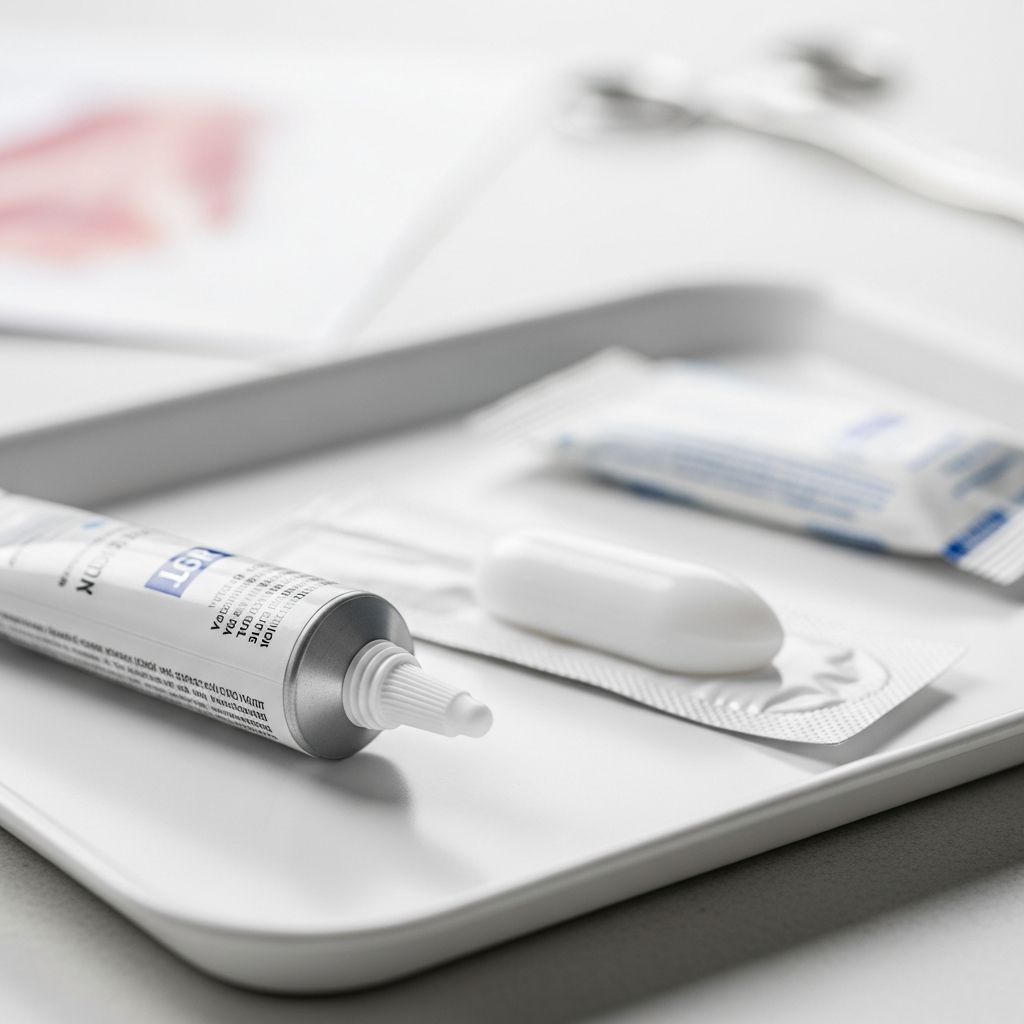
Local preparations are topical treatments such as creams, ointments, suppositories, foams, and enemas applied directly to the anus and rectum to alleviate symptoms like pain, itching, soreness, and inflammation from various anal disorders. These treatments provide targeted relief for common conditions affecting the anal area.
Conditions which are treated with local preparations for anal disorders
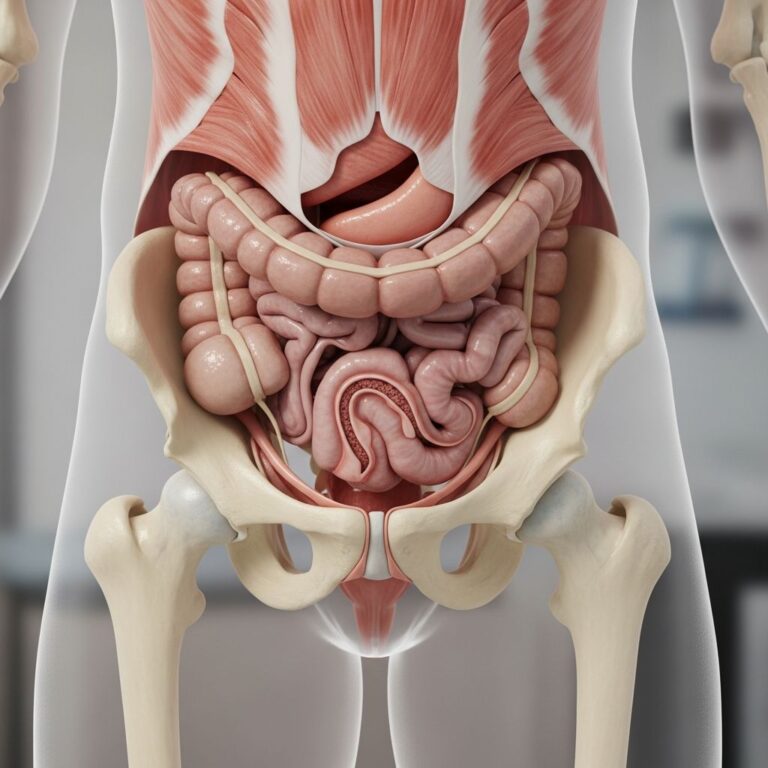
Numerous medical conditions can cause discomfort around the anus and rectum, many of which respond well to local preparations. These include inflammation of the rectum known as
proctitis
, often associated with inflammatory bowel diseases likeulcerative colitis
orCrohn’s disease
. Other frequent issues treated with these preparations arehaemorrhoids (piles)
, characterized by swollen veins in the anus or lower rectum causing pain, itching, and bleeding;anal fissures
, which are small tears in the anal lining leading to sharp pain during bowel movements;anal itching (pruritus ani)
from irritants, infections, or skin conditions;perianal infections
or abscesses; andprolapse
of rectal tissue.Haemorrhoids affect a significant portion of adults, with symptoms worsening due to straining, constipation, or pregnancy. Anal fissures often result from hard stools or chronic diarrhoea, creating a cycle of pain and spasm. Proctitis may present with urgency, bleeding, and mucus discharge. Local treatments soothe these symptoms by reducing inflammation, numbing pain, and promoting healing.
- Haemorrhoids: Swelling and inflammation around the anus.
- Anal fissures: Painful tears in the anal canal.
- Proctitis: Rectal inflammation from IBD or infection.
- Pruritus ani: Persistent itching due to moisture or allergies.
- Infections: Thrush or bacterial issues in the perianal area.
While these preparations manage symptoms effectively, persistent or heavy bleeding requires medical evaluation to rule out serious causes like colorectal cancer.
How to use local preparations for anal disorders
Proper application ensures maximum efficacy and minimizes irritation.
Creams and ointments
should be gently rubbed into the affected perianal skin, typically 2-3 times daily, morning, night, and after bowel movements. Many include a nozzle for intra-rectal insertion if symptoms extend inside the rectum.**Suppositories** are solid, bullet-shaped inserts placed into the anus with a gloved finger, melting at body temperature to release medication. Insert after bowel movement or at bedtime for overnight relief.
Rectal foams
dispense from a pressurized canister via nozzle; shake well, prime if needed, and follow package instructions for precise dosing.**Enemas** involve injecting liquid via a tube, often administered by a nurse for larger volumes. Always clean the area first, wash hands, and use provided applicators. Duration varies: soothing creams for days to weeks; steroids limited to 5-7 days to avoid skin thinning.
| Type | Application Method | Frequency |
|---|---|---|
| Creams/Ointments | External rub or intra-rectal nozzle | 2-3 times daily |
| Suppositories | Insert into anus | 1-2 times daily, bedtime |
| Foams | Nozzle from canister | As directed, often daily |
| Enemas | Tube injection | Under supervision, 1-2 times |
Consult pharmacist or doctor instructions; overuse can lead to dependency or worsening.
Types of local preparations for anal disorders
These preparations are categorized by active ingredients, often combined for comprehensive relief.
Related Stories



Soothing preparations form the basis, containing
bismuth subgallate
,zinc oxide
, orhamamelis (witch hazel)
to protect skin, reduce itching, and dry secretions. Brands like Anusol® are over-the-counter staples for haemorrhoids.Steroid preparations like
hydrocortisone
reduce inflammation, combined with soothers and anaesthetics. Anusol HC® and Anugesic HC® (hydrocortisone + lidocaine + Anusol base) treat piles and fissures effectively but limit to one week.Local anaesthetics numb pain:
lidocaine
(least irritating),tetracaine
,cinchocaine
, orpramocaine
. Use sparingly for 3-5 days max to prevent sensitization.Topical nitrates like
glyceryl trinitrate (GTN) cream
(Rectogesic®) relax anal sphincter and boost blood flow for fissure healing, though headaches occur in 60-70% of users.Other treatments
- Antifungal creams: Clotrimazole for perianal thrush.
- Podophyllotoxin or imiquimod: For anogenital warts.
- Emollients: Moisturizers for dry skin or eczema.
- Botox® injections: Specialist use for refractory fissures, relaxing sphincter for 2-3 months.
- Phenol injections: Shrinks piles via sclerosis.
Advanced options like banding, infrared coagulation, or surgery address non-responsive cases.
Where can I obtain local preparations for anal disorders?
Many soothing creams (e.g., Anusol®) and mild steroids are available over-the-counter at pharmacies or supermarkets. Prescription needed for stronger steroids, anaesthetics, nitrates (Rectogesic®), or specialist injectables.
If symptoms persist beyond 7 days, worsen, or include bleeding, see a doctor promptly for diagnosis—could indicate fissures, IBD, or malignancy.
Are there any side-effects?
Most are mild: local stinging, burning, or rash from anaesthetics/steroids. Nitrates cause headaches (common), dizziness, or hypotension. Prolonged steroid use risks skin thinning, atrophy, or telangiectasia. Anaesthetics may cause allergic contact dermatitis if overused. Rare: systemic absorption in large areas.
Discontinue if severe irritation; pregnant/breastfeeding individuals should consult doctors. Children require paediatric advice.
Frequently Asked Questions (FAQs)
Q: How long should I use haemorrhoid cream?
A: Limit to 5-7 days; consult doctor if no improvement to avoid masking serious issues.
Q: Can I use steroid creams on broken skin?
A: No, avoid open wounds; use plain soothers instead.
Q: What if I have bleeding with these symptoms?
A: Seek immediate medical evaluation—don’t self-treat.
Q: Are these safe for children?
A: Use cautiously; lidocaine-based for constipation pain, but paediatrician approval needed.
Q: Do sitz baths help alongside creams?
A: Yes, warm baths relax anus, easing fissure/pile pain.
Local preparations offer accessible relief for anal disorders, but professional assessment ensures safety. Maintain soft stools via fibre, hydration, and laxatives to prevent recurrence.
References
- Local preparations for anal disorders — Patient.info. 2023-05-15. https://patient.info/digestive-health/rectal-bleeding-blood-in-faeces/local-preparations-for-anal-disorders
- Piles (Haemorrhoids): Symptoms, Causes and Treatment — Patient.info. 2024-02-20. https://patient.info/digestive-health/rectal-bleeding-blood-in-faeces/piles-haemorrhoids
- Rectal Bleeding (Blood in Stool): Causes, Colors & Treatments — Cleveland Clinic. 2024-08-10. https://my.clevelandclinic.org/health/symptoms/14612-rectal-bleeding
- Rectal Bleeding: Causes, Tests, and Treatment — Patient.info. 2024-01-12. https://patient.info/digestive-health/rectal-bleeding-blood-in-faeces
- Anal Fissure: Symptoms, Causes, and Treatment — Patient.info. 2023-11-05. https://patient.info/digestive-health/rectal-bleeding-blood-in-faeces/anal-fissure
- Rectal bleeding When to see a doctor — Mayo Clinic. 2024-06-18. https://www.mayoclinic.org/symptoms/rectal-bleeding/basics/when-to-see-doctor/sym-20050740
Similar Articles








Read full bio of medha deb