Lofexidine Tablets: Essential Opioid Withdrawal Relief Guide
Comprehensive guide to Lofexidine tablets for managing opioid withdrawal symptoms effectively and safely.
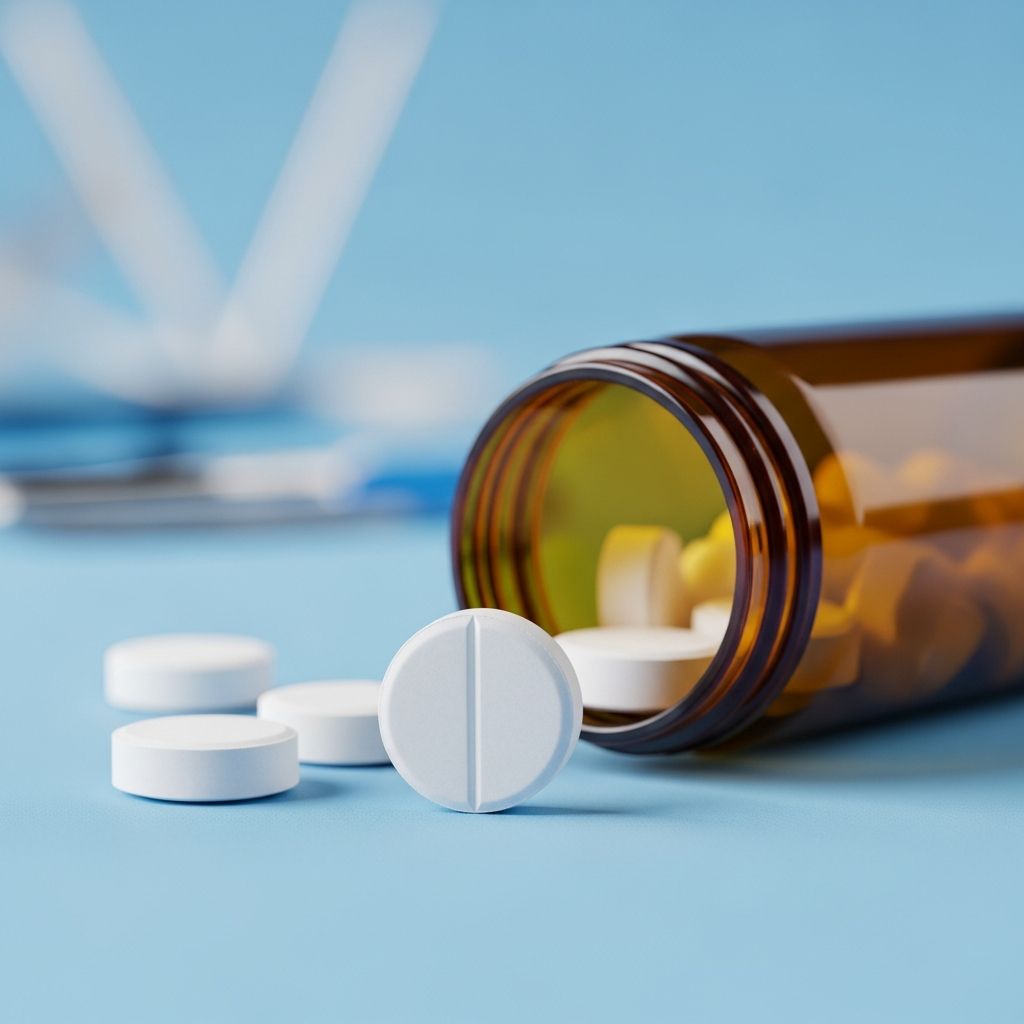
Lofexidine tablets, marketed as BritLofex in the UK, are a central alpha-2 adrenergic agonist specifically indicated for mitigating opioid withdrawal symptoms in adults to facilitate abrupt opioid discontinuation. Unlike opioid-based treatments, lofexidine is non-opioid, helping reduce symptoms such as muscle aches, sweating, insomnia, and anxiety without perpetuating dependence. This medication is typically used short-term, up to 14 days, as part of a comprehensive opioid use disorder management plan that includes counseling and medical supervision.
About Lofexidine Tablets
Lofexidine works by stimulating alpha-2 adrenergic receptors in the brain, which decreases the release of norepinephrine—a neurotransmitter involved in the body’s stress response during opioid withdrawal. This action helps alleviate both physical and psychological symptoms of withdrawal, making the detoxification process more tolerable. Available as 0.18 mg tablets, BritLofex is prescribed for adults undergoing opioid cessation and is not intended for long-term use or as a standalone treatment for addiction.
Opioid withdrawal occurs when someone abruptly stops using opioids after prolonged use, leading to symptoms peaking within 1-3 days and lasting up to a week. Lofexidine addresses these by smoothing the transition, improving completion rates of withdrawal treatment programs. It is particularly useful in inpatient or outpatient settings where vital signs can be monitored.
Before Taking Lofexidine Tablets
Before starting lofexidine, a thorough medical evaluation is essential. Inform your doctor if you have any history of heart conditions, low blood pressure, kidney or liver disease, or electrolyte imbalances, as these can affect safety. Lofexidine is contraindicated in patients with severe coronary insufficiency, recent myocardial infarction, cerebrovascular disease, chronic renal failure, or marked bradycardia.
Who Should Not Take It
- Patients with congenital long QT syndrome.
- Those with severe cardiovascular disease or recent heart attack.
- Individuals with uncontrolled hypertension or bradyarrhythmias.
Pregnancy and Breastfeeding
Lofexidine is not recommended during pregnancy unless benefits outweigh risks; limited data exist on fetal harm. It is unknown if lofexidine passes into breast milk, so breastfeeding should be avoided or discontinued during treatment.
Other Medicines
Discuss all medications with your doctor, as lofexidine can interact with:
- Other blood pressure-lowering drugs, increasing hypotension risk.
- QT-prolonging medications like methadone.
- CNS depressants, heightening sedation.
- Benzodiazepines or alcohol, amplifying dizziness and falls.
How to Take Lofexidine Tablets
Take lofexidine exactly as prescribed, typically orally with or without food. Swallow tablets whole with water; if stomach upset occurs, take with food. Dosing is guided by withdrawal symptoms, with 5-6 hours between doses.
Dosage
The recommended starting dose for adults is three 0.18 mg tablets (0.54 mg) four times daily, totaling 2.16 mg/day. Maximum single dose is 0.72 mg (4 tablets), and daily maximum is 2.88 mg (16 tablets). Treatment duration is up to 14 days, tapered gradually to avoid rebound hypertension.
| Day | Dose per Administration | Frequency | Total Daily Dose |
|---|---|---|---|
| 1-3 | 3 tablets (0.54 mg) | 4 times daily | 2.16 mg |
| 4-5 | 2 tablets (0.36 mg) | 4 times daily | 1.44 mg |
| 6-7 | 2 tablets (0.36 mg) | 3 times daily | 1.08 mg |
| 8-9 | 1 tablet (0.18 mg) | 4 times daily | 0.72 mg |
| 10-14 | 1 tablet (0.18 mg) | 2-3 times daily | 0.36-0.54 mg |
Related Stories



Note: Adjust based on symptoms and tolerance. Do not exceed recommended doses.
For Renal Impairment
| Renal Function | Max Daily Dose |
|---|---|
| Mild | 2.16 mg |
| Moderate | 1.44 mg (2 tablets 4x/day) |
| Severe/ESRD | 1.08 mg (1 tablet 4x/day) |
Missed Dose
Take as soon as remembered unless near next dose; do not double up. Contact your doctor if multiple doses are missed.
Possible Side Effects
Common side effects include orthostatic hypotension, bradycardia, dizziness, somnolence, sedation, and dry mouth, occurring more frequently than with placebo. Monitor vital signs before each dose.
Serious Side Effects
- Hypotension, syncope, or slow heart rate—lie down if dizzy and seek help.
- QT prolongation—monitor ECG if at risk.
- CNS depression with other sedatives.
- Rebound hypertension if stopped abruptly.
Less Common
- Anxiety, diarrhea, sweating, limb pain.
- Headache, fatigue, nausea.
Report persistent or severe effects to your doctor. Side effects may diminish over time.
Warnings and Precautions
Lofexidine can cause significant blood pressure drops and heart rate slowing; patients must self-monitor in outpatient settings. Avoid in high-risk cardiac patients. Stay hydrated, rise slowly from sitting/lying, and avoid dehydration or overheating. Do not drive or operate machinery until effects are known.
- Hypotension/Bradycardia: Reduce, delay, or skip dose if symptomatic.
- QT Risk: Avoid in congenital long QT; monitor with heart failure or QT drugs.
- Discontinuation: Taper over 2-4 days to prevent rebound effects.
Interactions
Lofexidine potentiates effects of antihypertensives, sedatives, and QT-prolongers. Avoid alcohol and limit caffeine.
| Drug Class | Interaction | Advice |
|---|---|---|
| Antihypertensives | Increased hypotension | Monitor BP closely |
| CNS Depressants | Enhanced sedation | Avoid combination |
| QT Prolongers (e.g., methadone) | Arrhythmia risk | ECG monitoring |
| Tricyclic Antidepressants | Reduced efficacy | Dose adjustment |
Other Information
Store at room temperature, away from moisture. Keep out of reach of children. Lofexidine does not treat addiction alone—combine with therapy. Regular follow-up ensures safe discontinuation and ongoing support.
Frequently Asked Questions
Q: How quickly does lofexidine relieve withdrawal symptoms?
A: Symptoms often improve within hours of the first dose, with peak relief over 1-3 days.
Q: Can I drink alcohol while taking lofexidine?
A: No, alcohol increases sedation and hypotension risks.
Q: Is lofexidine addictive?
A: No, it is non-opioid and not habit-forming when used as directed.
Q: What if I experience dizziness?
A: Sit or lie down, hydrate, and skip next dose if severe—contact your doctor.
Q: How long should I take lofexidine?
A: Up to 14 days, followed by gradual taper.
Q: Does it work for all opioids?
A: Effective for short-acting opioids; consult doctor for long-acting ones.
References
- Lofexidine Tablets Prescribing Information — U.S. Food and Drug Administration. 2024. https://www.accessdata.fda.gov/drugsatfda_docs/label/2024/209229Orig1s007lbl.pdf
- Lofexidine Tablets — Cleveland Clinic. Accessed 2026. https://my.clevelandclinic.org/health/drugs/21262-lofexidine-tablets
- Lofexidine (Oral Route) — Mayo Clinic. Accessed 2026. https://www.mayoclinic.org/drugs-supplements/lofexidine-oral-route/description/drg-20443753
- Lofexidine Tablets – Patient.info — Patient.info. Accessed 2026. https://patient.info/medicine/lofexidine-tablets-britlofex
- Lofexidine — DrugBank Online. Accessed 2026. https://go.drugbank.com/drugs/DB04948
- Lucemyra (Lofexidine) — NAMI. Accessed 2026. https://www.nami.org/treatments-and-approaches/mental-health-medications/types-of-medication/lofexidine-lucemyra/
Similar Articles








Read full bio of medha deb