Löfgren Syndrome: Acute Sarcoidosis Overview
Understanding Löfgren syndrome: An acute form of sarcoidosis with favorable prognosis and self-limiting course.
Introduction to Löfgren Syndrome
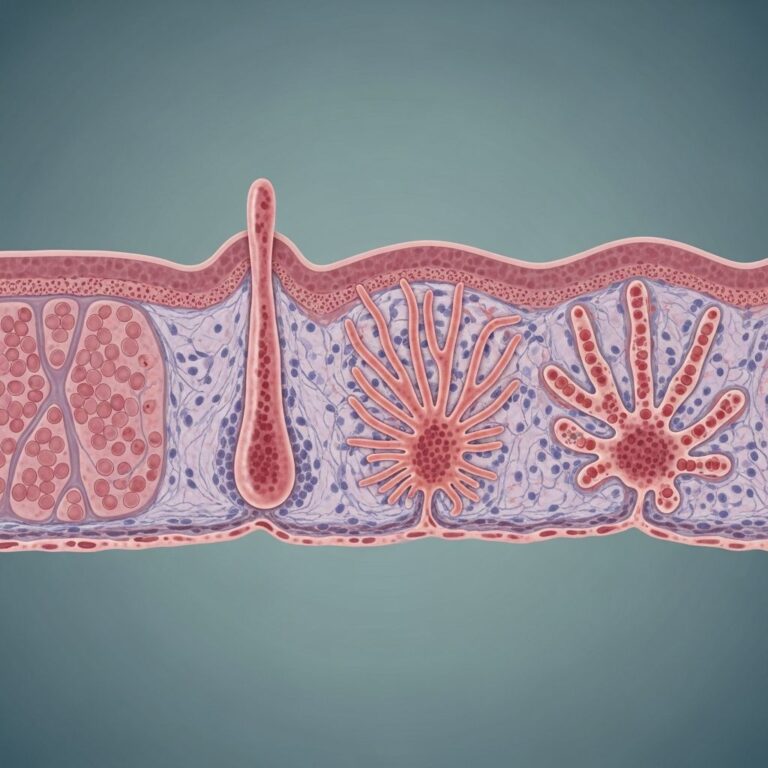
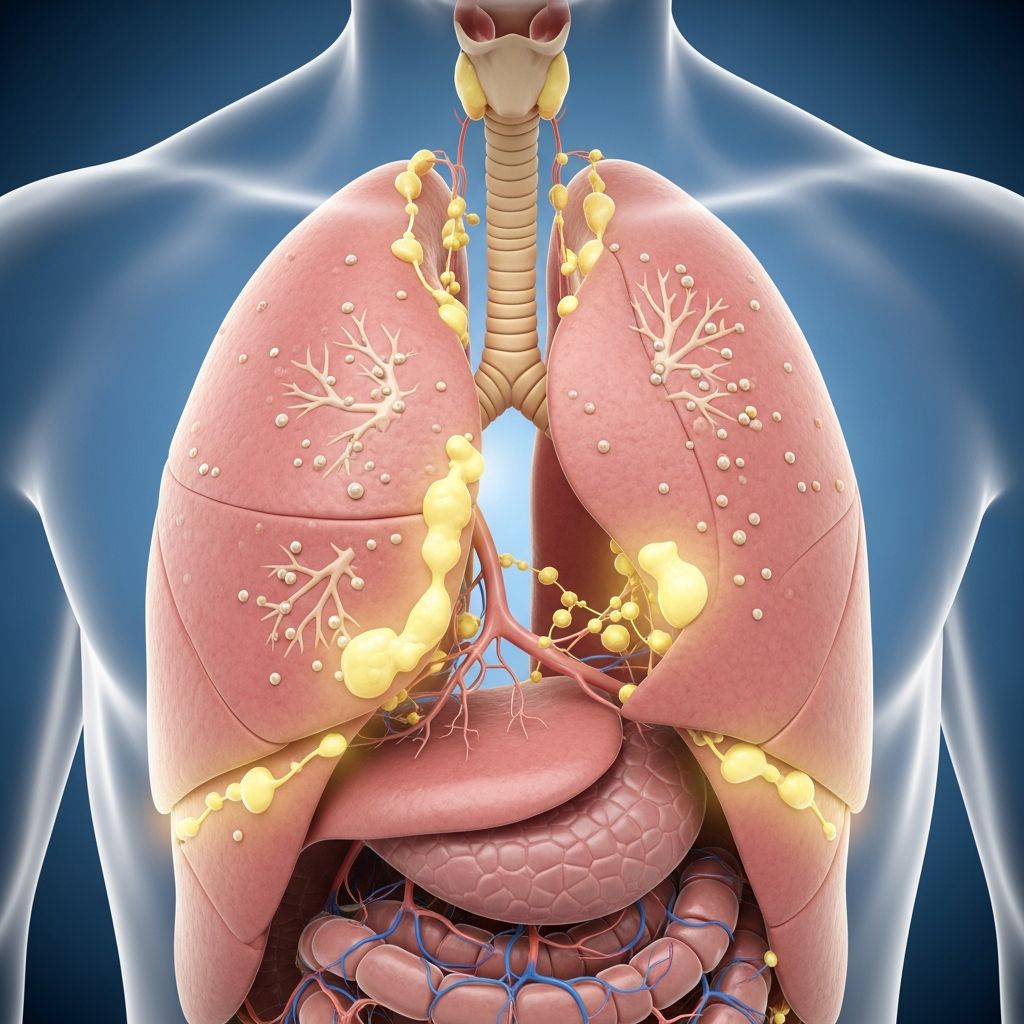
Löfgren syndrome is an acute form of sarcoidosis, a multisystem inflammatory disorder characterized histologically by granulomas—specific types of inflammation composed of activated macrophages and immune cells. Named after Swedish researcher Sven Löfgren (1910-1978), who first described the condition in 1953 through a series of 113 patients, Löfgren syndrome represents one of the most recognizable presentations of sarcoidosis. Unlike chronic sarcoidosis, which may develop slowly and persist as a long-term condition, Löfgren syndrome presents acutely and typically resolves spontaneously within two years in the majority of cases.
Demographics and At-Risk Populations
Löfgren syndrome demonstrates distinct epidemiological patterns across different populations. The condition is significantly more common in women than men, with a notable female predominance in presenting symptoms. Certain ethnic and geographic populations show higher prevalence rates, particularly those of Scandinavian, Irish, African, and Puerto Rican heritage. This suggests that both genetic and environmental factors contribute to disease susceptibility. Löfgren syndrome typically affects younger to middle-aged adults, with disease onset most commonly occurring in spring months, indicating a potential seasonal environmental trigger.
Causes and Pathophysiology
Despite intensive investigation, the precise cause of Löfgren syndrome remains unknown. Current evidence indicates that sarcoidosis, including Löfgren syndrome, represents a cell-mediated immune response to an unknown antigen. In this pathogenic process, activated macrophages and CD4 T-lymphocytes release cytokines that trigger the formation of granulomas—the histological hallmark of the disease.
Several theories regarding potential causative agents have emerged from research:
- Infectious agents: At least some cases of cutaneous sarcoidosis may result from an unusual host reaction to infective organisms such as Mycobacterium paratuberculosis, histoplasmosis, and other fungal species
- Environmental exposures: Occupational or environmental exposure to dust, beryllium, or other substances may trigger the immune response in genetically susceptible individuals
- Genetic factors: Familial clustering and ethnic predisposition suggest underlying genetic susceptibility
Importantly, Löfgren syndrome is not contagious. While various infectious agents may play a role in disease initiation, the condition itself cannot be transmitted between individuals.
Clinical Features and Presentation
Löfgren syndrome presents with a characteristic triad of clinical findings that aids in diagnosis:
The Classic Triad
- Erythema nodosum
- Bilateral hilar lymphadenopathy
- Acute arthritis or periarthritis
This constellation of findings has reported diagnostic specificity of up to 95% for sarcoidosis, permitting diagnosis without the need for histopathological confirmation in typical cases.
Erythema Nodosum
Erythema nodosum represents the most distinctive skin manifestation of Löfgren syndrome. These lesions appear as painful, red, firm, and warm nodules in the fatty layer beneath the skin surface. The nodules are typically symmetrical and most commonly appear on the anterior (front) lower legs, particularly on the shins, and may also develop on the forearms. Unlike other forms of cutaneous sarcoidosis that affect previously damaged skin areas, erythema nodosum appears on intact skin with characteristic symmetrical distribution.
The lesions present as tender, indurated papules that are warm to touch and often accompanied by localized swelling. In most cases, the skin lumps and associated fever improve spontaneously within six weeks. While the lesions may heal with changes in skin color, they typically do not result in permanent scarring or tissue atrophy.
Lymphadenopathy
Bilateral hilar lymphadenopathy—swelling of the lymph nodes near the inner border of the lungs—represents a key diagnostic feature visible on chest imaging. This finding occurs in the mediastinal and hilar regions. The lymph node swelling may take up to one year to completely resolve but typically does so entirely in approximately 90% of cases without long-term complications.
Related Stories



Arthritis and Joint Involvement
Acute arthritis or periarthritis (inflammation around joints) occurs as a prominent feature, with particular predilection for the ankles and lower extremities. The arthritis is characteristically migratory, meaning it may move between different joints over time. Interestingly, gender differences exist in symptom presentation: erythema nodosum predominantly affects women, while joint inflammation and arthritis are more common manifestations in men.
Associated Symptoms
Löfgren syndrome frequently presents with fever and systemic symptoms. Some patients may experience inflammation of the eyes (uveitis), though this is less common than the classic triad. The acute presentation with fever and systemic symptoms distinguishes Löfgren syndrome from the more insidious onset typical of other sarcoidosis forms.
Diagnosis
Diagnosis of Löfgren syndrome relies on clinical presentation, radiological findings, and laboratory investigations. The classic presentation of the diagnostic triad—erythema nodosum, bilateral hilar lymphadenopathy on chest radiography, and acute arthritis—is highly suggestive of Löfgren syndrome and permits presumptive diagnosis in appropriate clinical contexts.
Diagnostic Approach
- Clinical examination: Assessment for characteristic skin lesions, joint swelling, and systemic symptoms
- Chest imaging: Chest X-ray or CT imaging to identify bilateral hilar lymphadenopathy
- Skin biopsy: Histological examination showing granulomatous inflammation in the absence of organisms or foreign body reactions when diagnosis is uncertain
- Laboratory tests: Assessment for elevated inflammatory markers and exclusion of alternative diagnoses
- Differential diagnosis: Exclusion of conditions presenting similarly, including infections, autoimmune diseases, and malignancies
Differential Diagnosis Considerations
Several conditions can mimic Löfgren syndrome and must be excluded during diagnostic evaluation:
- Infections: Streptococcal infections, tuberculosis, fungal infections, and other bacterial infections
- Drug reactions: Reactions to medications including penicillin, sulfa drugs, oral contraceptives, and vaccines
- Autoimmune conditions: Systemic lupus erythematosus, Behçet’s disease, and inflammatory bowel disease
- Other conditions: Pregnancy-related changes and other inflammatory syndromes
Treatment Approach
Treatment of Löfgren syndrome focuses on symptom management, recognizing that the condition typically follows a self-limiting course. Most patients require only supportive care and symptomatic treatment rather than aggressive immunosuppression.
First-Line Therapy
Nonsteroidal anti-inflammatory drugs (NSAIDs) represent the primary treatment approach. NSAIDs effectively manage pain, fever, and inflammatory symptoms in the majority of patients. Treatment with NSAIDs typically leads to rapid clinical improvement, particularly when antibiotics have been unnecessarily initiated for presumed infection.
Corticosteroid Use
Corticosteroids are rarely required for Löfgren syndrome management. They are reserved for cases with more severe systemic inflammation or when NSAIDs prove insufficient. Short courses of corticosteroids may benefit patients with significant fever, extensive arthritis, or severe constitutional symptoms.
Monitoring and Follow-up
Appropriate follow-up with thoracic imaging ensures resolution of hilar lymphadenopathy and excludes development of pulmonary fibrosis or other long-term complications. Most patients demonstrate complete resolution of imaging abnormalities within one year.
Prognosis and Outlook
Löfgren syndrome carries an excellent prognosis, with the vast majority of patients experiencing complete resolution of symptoms without long-term sequelae. Approximately 95% of cases evolve benignly and without permanent complications. The acute inflammatory symptoms, including fever and skin lesions, typically resolve spontaneously within six weeks to two years.
The self-limiting nature of Löfgren syndrome distinguishes it favorably from other sarcoidosis presentations, which may progress to chronic disease with multi-organ involvement. Complete resolution of radiological abnormalities occurs in approximately 90% of cases, with lymph node swelling resolving within one year. Long-term disability and functional impairment are uncommon, and most patients return to normal activities without restrictions.
Key Clinical Pearls
- Löfgren syndrome represents an acute, self-limiting variant of sarcoidosis with excellent long-term outcomes
- The diagnostic triad of erythema nodosum, bilateral hilar lymphadenopathy, and acute arthritis has 95% diagnostic specificity for sarcoidosis
- Seasonal presentation in spring months suggests environmental trigger involvement
- Female predominance in erythema nodosum and male predominance in arthritis warrant gender-specific clinical attention
- NSAIDs provide adequate symptom management in most cases without need for corticosteroids
- Early recognition and appropriate diagnosis prevent unnecessary antibiotic therapy and unnecessary investigations
- Complete resolution occurs in 95% of cases without long-term pulmonary or systemic complications
Frequently Asked Questions
Q: Is Löfgren syndrome contagious?
A: No, Löfgren syndrome is not contagious. While infectious agents may theoretically trigger the immune response in genetically susceptible individuals, the condition itself cannot be transmitted between people.
Q: How long does Löfgren syndrome typically last?
A: Most symptoms resolve within six weeks to two years. Skin lesions and fever typically improve within weeks, while lymph node swelling may take up to one year to completely resolve. Complete resolution occurs in approximately 95% of cases.
Q: Do I need corticosteroids for Löfgren syndrome?
A: Corticosteroids are rarely necessary. NSAIDs typically provide adequate symptom management and pain relief. Corticosteroids are reserved for severe cases unresponsive to NSAIDs.
Q: What is the difference between Löfgren syndrome and other forms of sarcoidosis?
A: Löfgren syndrome is an acute form of sarcoidosis with sudden onset and excellent prognosis, characterized by the specific triad of symptoms. Other sarcoidosis forms typically develop more gradually and may progress to chronic disease with multi-organ involvement.
Q: Will I have permanent scarring from erythema nodosum?
A: No, erythema nodosum lesions typically heal without permanent scarring or tissue atrophy. While lesions may heal with temporary changes in skin color, these changes usually fade completely.
Q: Why is Löfgren syndrome more common in spring?
A: The seasonal pattern suggests environmental triggers may play a role in disease initiation. Spring environmental exposures or seasonal variations in immune function may explain the temporal clustering of cases, though the exact mechanism remains unclear.
References
- Löfgren’s Syndrome: A Unique Presentation of Sarcoidosis — National Institutes of Health, National Center for Biotechnology Information. 2024. https://pmc.ncbi.nlm.nih.gov/articles/PMC12202904/
- Lofgren Syndrome — MD Searchlight. 2024. https://mdsearchlight.com/health/lofgren-syndrome/
- What Is Löfgren Syndrome? Causes, Symptoms, Treatment — GoodRx Health. 2024. https://www.goodrx.com/conditions/sarcoidosis/lofgren-syndrome
- Löfgren syndrome — DermNet New Zealand. 2024. https://dermnetnz.org/topics/loefgren-syndrome
- The Classic Triad of Löfgren’s Syndrome in Images — Reumatología Clínica. 2023. https://reumatologiaclinica.org/en-the-classic-triad-lofgrens-syndrome-avance-S2173574323000199
Similar Articles








Read full bio of medha deb