Lomitapide (Lojuxta): What You Need To Know For HoFH Management
Comprehensive guide to Lomitapide (Lojuxta) for managing homozygous familial hypercholesterolaemia in adults.
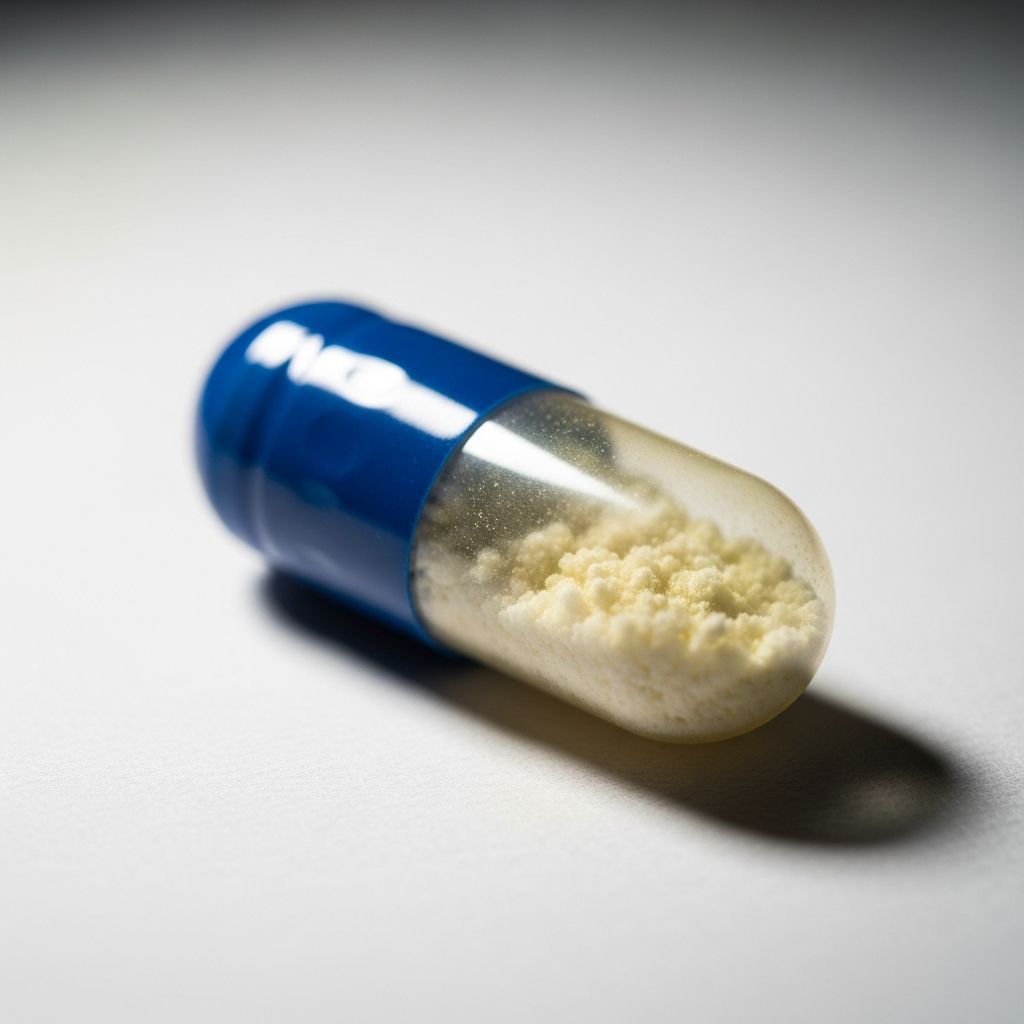
Lomitapide (brand name Lojuxta) is a specialized medication prescribed for adults with homozygous familial hypercholesterolaemia (HoFH), a rare genetic condition causing extremely high cholesterol levels that significantly elevate the risk of early cardiovascular disease.
HoFH affects approximately 1 in 250,000 to 1 in 300,000 people worldwide and results from mutations in genes regulating LDL cholesterol, leading to cholesterol levels often exceeding 500 mg/dL despite standard treatments. Lomitapide is used as an adjunct to a low-fat diet, other lipid-lowering therapies, and sometimes LDL apheresis, helping to reduce LDL cholesterol by an average of 50% in clinical trials.
About lomitapide capsules
Lomitapide works by selectively inhibiting
microsomal triglyceride transfer protein (MTP)
, an enzyme in the liver and intestines essential for assembling apolipoprotein B-containing lipoproteins like VLDL and chylomicrons. By blocking MTP, lomitapide prevents the transfer of triglycerides and cholesterol into these particles, substantially lowering circulating LDL cholesterol, non-HDL cholesterol, and triglycerides.This mechanism is particularly effective for HoFH patients, who have defective or absent LDL receptors, rendering statins and other therapies less effective. Genetic confirmation of HoFH is recommended before starting treatment, and secondary causes of hypercholesterolemia must be ruled out. In phase 3 trials involving 29 HoFH patients, lomitapide reduced LDL-C by 40-50% at doses up to 60 mg/day, with sustained effects over 78 weeks.
The medication is available in
5 mg, 10 mg, and 20 mg capsules
and is typically initiated at the lowest dose to minimize gastrointestinal side effects. It is not indicated for heterozygous FH or other hyperlipidemias.Before taking lomitapide
Your doctor will review your medical history to ensure lomitapide is suitable. Key considerations include:
- Liver function: Baseline liver tests are mandatory; moderate or severe hepatic impairment is a contraindication.
- Kidney problems: Use caution; dose limits apply for end-stage renal disease on dialysis.
- Bowel disorders: Contraindicated in chronic malabsorption or inflammatory bowel disease.
- Pregnancy or breastfeeding: Contraindicated due to potential fetal harm; effective contraception is required.
- Drug interactions: Avoid strong/moderate CYP3A4 inhibitors (e.g., ketoconazole, grapefruit juice); monitor statin use.
- Allergies: Inform your doctor of any hypersensitivity to lomitapide or excipients like lactose (not for galactose-intolerant patients).
Regular monitoring of liver enzymes (ALT/AST every 4-6 weeks initially) is essential, as elevations occur in up to 40% of patients.
How to take lomitapide
Follow your doctor’s precise instructions. Key guidelines:
- Take
once daily at bedtime
, at least2 hours after your evening meal
on an empty stomach to enhance tolerability and absorption. - Swallow capsules whole with water; do not open or chew.
- Start at
5 mg/day
; escalate gradually every 4+ weeks to 10 mg, 20 mg, 40 mg, max60 mg/day
based on tolerance and response. - Adhere to a
low-fat diet
(<20% calories from fat) to optimize efficacy and reduce GI side effects. - Treatment is long-term; do not stop without medical advice.
Dose adjustments: Mild hepatic impairment or dialysis: max 40 mg/day. Elderly: no specific changes, but monitor closely.
Related Stories



| Dose Level | Typical Duration Before Escalation | Max Daily Dose |
|---|---|---|
| 5 mg | Initial (4 weeks) | 60 mg (general) |
| 10-40 mg | Escalate q4 weeks | 40 mg (mild liver impairment) |
| 60 mg | Max tolerated | – |
Supplements like
vitamin E, essential fatty acids, and fat-soluble vitamins (A, D, E, K)
may be prescribed due to fat malabsorption.Getting the most from your treatment
Maximize benefits with these strategies:
- Diet: Low-fat (<20% fat calories), avoid high-fat meals especially evenings. Track intake.
- Exercise: Regular moderate activity as advised, to support lipid control and heart health.
- Hydration: Drink ample fluids to counter GI-related dehydration.
- Monitoring: Attend all blood tests for lipids, liver function, and complete blood counts.
- Drug timing: Space other meds 12+ hours from lomitapide; avoid OTC without pharmacist check.
- Lifestyle: Quit smoking, limit alcohol to reduce liver strain.
Clinical data shows combining lomitapide with diet and apheresis yields superior LDL reductions.
Side-effects
Most side effects are gastrointestinal (GI) and dose-related, affecting >90% of patients but often improve with time or dose stabilization. Common (>20%): diarrhea (79%), nausea (65%), dyspepsia (38%), vomiting (34%), abdominal pain (38%).
| Side Effect | Frequency | Management |
|---|---|---|
| Diarrhea | Very common | Hydrate; low-fat diet; anti-diarrheals if needed |
| Nausea/Vomiting | Common | Empty stomach dosing; antiemetics |
| Abdominal pain/Indigestion | Common | Gradual titration; avoid fatty foods |
| Constipation/Flatulence | Common | Fiber, hydration; laxatives if persistent |
| Liver enzyme elevations (ALT/AST) | Common (up to 40%) | Monitor; dose reduce/stop if >3x ULN |
| Fatty liver | Possible | Ultrasound monitoring |
Serious risks: Hepatotoxicity (discontinue if ALT >5x ULN or symptoms like jaundice); myopathy with statins; dehydration. Report fatigue, dark urine, or yellowing skin immediately.
Rare: alopecia, chest pain. Weight loss (avg 10%) may occur due to GI effects.
If you take too much
Overdose may intensify GI symptoms or liver issues. Seek emergency care; no specific antidote—supportive treatment with monitoring.
Frequently Asked Questions
Q: Who is Lojuxta for?
A: Adults with confirmed HoFH, alongside diet and other therapies.
Q: Can I eat before taking it?
A: No—wait at least 2 hours post-meal for best tolerability.
Q: What if I miss a dose?
A: Take next dose at bedtime; do not double up.
Q: Does it cure HoFH?
A: No, it manages cholesterol levels long-term.
Q: Is it safe for liver patients?
A: Contraindicated in moderate/severe impairment.
Q: How often are liver tests needed?
A: Monthly initially, then every 3 months.
References
- Lomitapide capsules (Lojuxta) — Patient.info. 2023. https://patient.info/medicine/lomitapide-capsules-lojuxta
- Lojuxta EPAR Product Information — European Medicines Agency (EMA). 2023-10-25. https://www.ema.europa.eu/en/documents/product-information/lojuxta-epar-product-information_en.pdf
- Lojuxta Patient Care Guide — Medicines.org.uk. 2023. https://www.medicines.org.uk/emc/rmm/1329/Document
- Juxtapid (lomitapide) Label — U.S. Food and Drug Administration (FDA). 2012-12-21 (last accessed 2026). https://www.accessdata.fda.gov/drugsatfda_docs/label/2012/203858s000lbl.pdf
- Lomitapide Oral Route — Mayo Clinic. 2025. https://www.mayoclinic.org/drugs-supplements/lomitapide-oral-route/description/drg-20060682
Similar Articles








Read full bio of medha deb