Alpha-Gal Syndrome: What To Know About Lone Star Tick Allergy
Discover how the lone star tick bite triggers alpha-gal syndrome, a delayed allergy to red meat and dairy products.
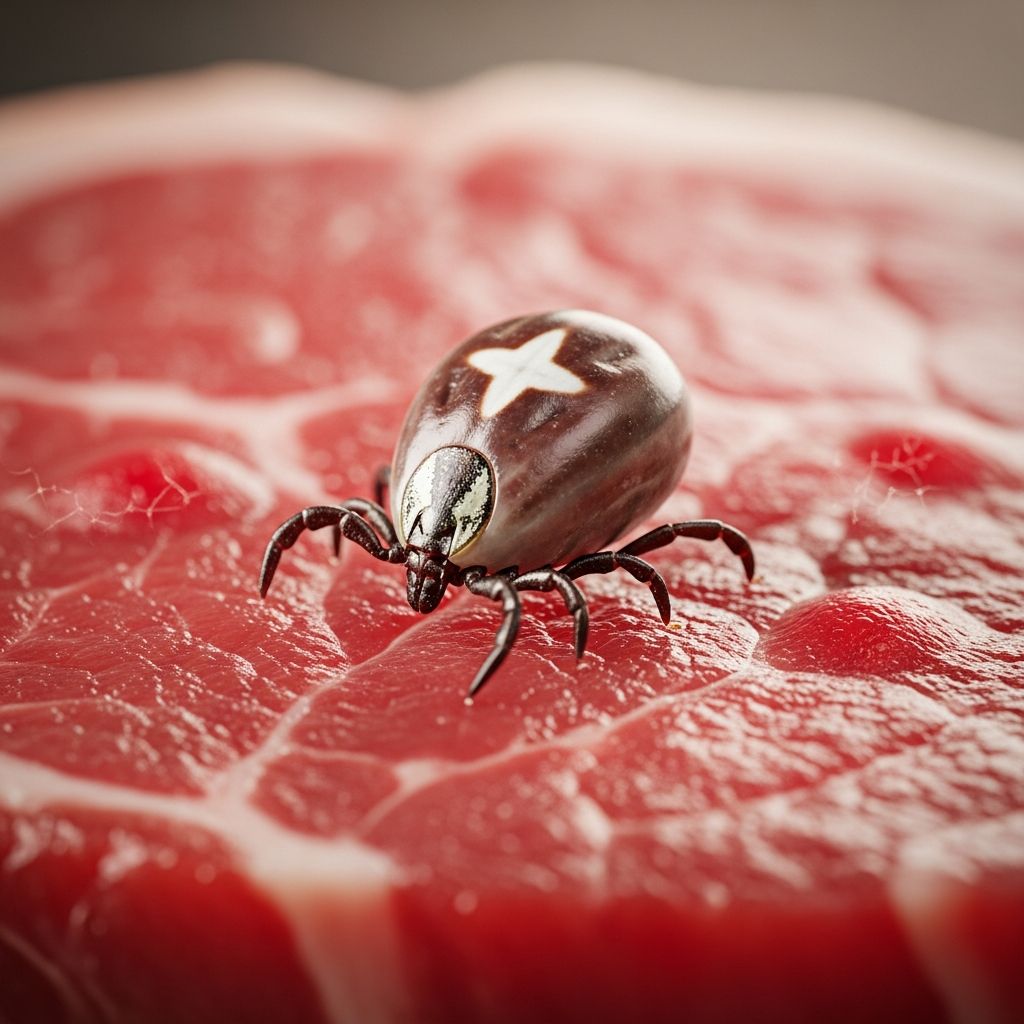
Alpha-gal syndrome (AGS), also known as the red meat allergy, is an emerging condition triggered by bites from the
lone star tick
. This tick introduces a sugar molecule called alpha-gal into the human bloodstream, sensitizing the immune system to react allergically to red meats and sometimes dairy products. Unlike typical food allergies, symptoms appear 2-6 hours after consumption, often catching people off guard.Reported cases have surged, with the CDC estimating up to 450,000 affected individuals in the U.S. from 2010-2022, far exceeding the 110,000 suspected cases. Climate change has expanded the lone star tick’s range northward, increasing exposure risks.
What Is Alpha-Gal Syndrome?
**Alpha-gal syndrome (AGS)** is a potentially life-threatening allergy to the carbohydrate galactose-alpha-1,3-galactose (alpha-gal), found in mammalian meats. It develops after a tick bite transfers alpha-gal via saliva, prompting the production of IgE antibodies. Subsequent exposure through red meat triggers histamine release, causing allergic symptoms.
The syndrome was first identified in 2009, with symptoms delayed 3-6 hours post-ingestion, distinguishing it from immediate-onset allergies like peanut reactions. Not all tick bites cause AGS; repeated bites increase risk.
What Is the Lone Star Tick?
The
lone star tick
(Amblyomma americanum) is identified by the white spot on adult females’ backs. Aggressive and prevalent in the southeastern and mid-Atlantic U.S., it’s expanding due to warmer climates.- Adult females: 1/3-inch, white spot on scutum
- Males: Solid brown, no spot
- Nymphs: Tiny, poppy seed-sized, brown
- Larvae: Pinhead-sized, active spring-fall
Found in wooded, brushy areas, they bite humans, pets, and wildlife year-round in humid regions.
How Does a Lone Star Tick Bite Cause a Red Meat Allergy?
When the lone star tick bites, its saliva containing alpha-gal enters the skin. The immune system mistakes this sugar for a threat, producing specific IgE antibodies. Years may pass before eating red meat (rich in alpha-gal) provokes a reaction, as sensitization builds.
Primary sensitization occurs via tick saliva; subsequent meat consumption cross-reacts with these antibodies, releasing mediators like histamine. Only a fraction of bitten individuals develop full AGS, influenced by bite frequency and genetics.
Alpha-Gal Syndrome Symptoms
Symptoms of
AGS
are delayed (2-6 hours after red meat/dairy) and vary from mild to severe anaphylaxis (affecting ~60% of cases).- Skin: Hives, itching, rash, swelling
- Gastrointestinal: Nausea, vomiting, diarrhea, cramps, abdominal pain
- Respiratory: Wheezing, shortness of breath
- Cardiovascular: Low blood pressure, dizziness (anaphylaxis)
Some experience isolated GI issues without hives. Reactions can worsen over time or fade if ticks are avoided.
Foods to Avoid with Alpha-Gal Syndrome
Eliminate
mammalian products
containing alpha-gal. Poultry, fish, and plant-based foods are safe.| High Risk (Avoid) | Medium Risk (Test Tolerance) | Safe Alternatives |
|---|---|---|
| Beef, pork, lamb, venison, bison | Dairy (milk, cheese, yogurt), gelatin (candies, vaccines) | Chicken, turkey, fish, eggs, plant milks |
| Bacon, sausage, lard, organ meats | Ice cream, butter, whey protein | Tofu, beans, nuts, vegetables |
| Processed foods with mammalian derivatives | Certain meds (check labels) | Avocado oil, olive oil |
Related Stories



Read labels for hidden alpha-gal in broths, cosmetics, and medications.
Alpha-Gal Syndrome Diagnosis
Diagnosis combines history (tick exposure, delayed symptoms post-red meat), blood tests for alpha-gal IgE and total IgE, and sometimes oral food challenges.
- Serological tests: Elevated alpha-gal-specific IgE confirms sensitization
- Clinical history: Key due to delayed onset
- Geographic risk: Endemic areas raise suspicion
Consult an allergist; not all sensitized individuals react.
Treatment for Alpha-Gal Syndrome
No cure exists; management focuses on avoidance and preparedness.
- Strict avoidance: Primary treatment; some tolerate small amounts
- Epinephrine auto-injector: Essential for anaphylaxis risk
- Antihistamines: For mild symptoms like hives
- Monitor: Symptoms may resolve with tick avoidance over years
Emerging research explores desensitization, but avoidance remains best.
Prevention: How to Avoid Lone Star Ticks
Prevent bites to halt AGS development or progression.
- Wear permethrin-treated clothing, long sleeves/pants
- Use DEET (20-30%) repellents
- Stick to trails; avoid tall grass/woods
- Daily tick checks: Shower post-outdoors
- Dry clothes on high heat (kills ticks)
Prompt tick removal with tweezers reduces transmission.
Other Diseases From Lone Star Ticks
Beyond AGS, lone star ticks transmit:
- Ehrlichiosis: Fever, headache, muscle pain
- Southern Tick-Associated Rash Illness (STARI): Bull’s-eye rash, fatigue
- Tularemia: Fever, ulcers (rare)
- Heartland/Bourbon viruses: Severe flu-like illness (rare)
Frequently Asked Questions (FAQs)
Can alpha-gal syndrome go away?
Yes, many cases resolve over 1-3 years with tick avoidance and no re-exposure. Antibody levels decline naturally.
Is pork safe with alpha-gal?
No, pork is mammalian meat high in alpha-gal; avoid it like beef.
Does cooking destroy alpha-gal?
No, heat-stable alpha-gal persists in cooked meats.
Can I get AGS from other ticks?
Primarily lone star, but black-legged ticks implicated rarely.
How common is AGS?
CDC estimates 450,000 U.S. cases; rising with tick expansion.
Is dairy always a problem?
Not always; some tolerate it better than red meat, but test cautiously.
References
- The Lone Star Tick and Meat Allergies: What to Know — NewYork-Presbyterian Health Matters. 2023. https://healthmatters.nyp.org/the-lone-star-tick-what-to-know-about-the-tick-that-causes-a-red-meat-allergy/
- Alpha-gal Syndrome: Causes, Diagnosis & Treatment — Cleveland Clinic. 2024-01-05. https://my.clevelandclinic.org/health/diseases/24493-alpha-gal-syndrome
- Alpha-gal Syndrome: When a Tick-Bite Turns to a Meat Allergy — American Society for Microbiology. 2023-12-01. https://asm.org/articles/2023/december/alpha-gal-syndrome-when-a-tick-bite-turns-to-a-mea
- About Alpha-gal Syndrome — Centers for Disease Control and Prevention (CDC). 2024. https://www.cdc.gov/alpha-gal-syndrome/about/index.html
Similar Articles








Read full bio of medha deb