Long QT Syndrome: 4 Tests, Treatments, And Daily Tips
Understand the risks, symptoms, diagnosis, and management strategies for Long QT Syndrome to protect heart health effectively.
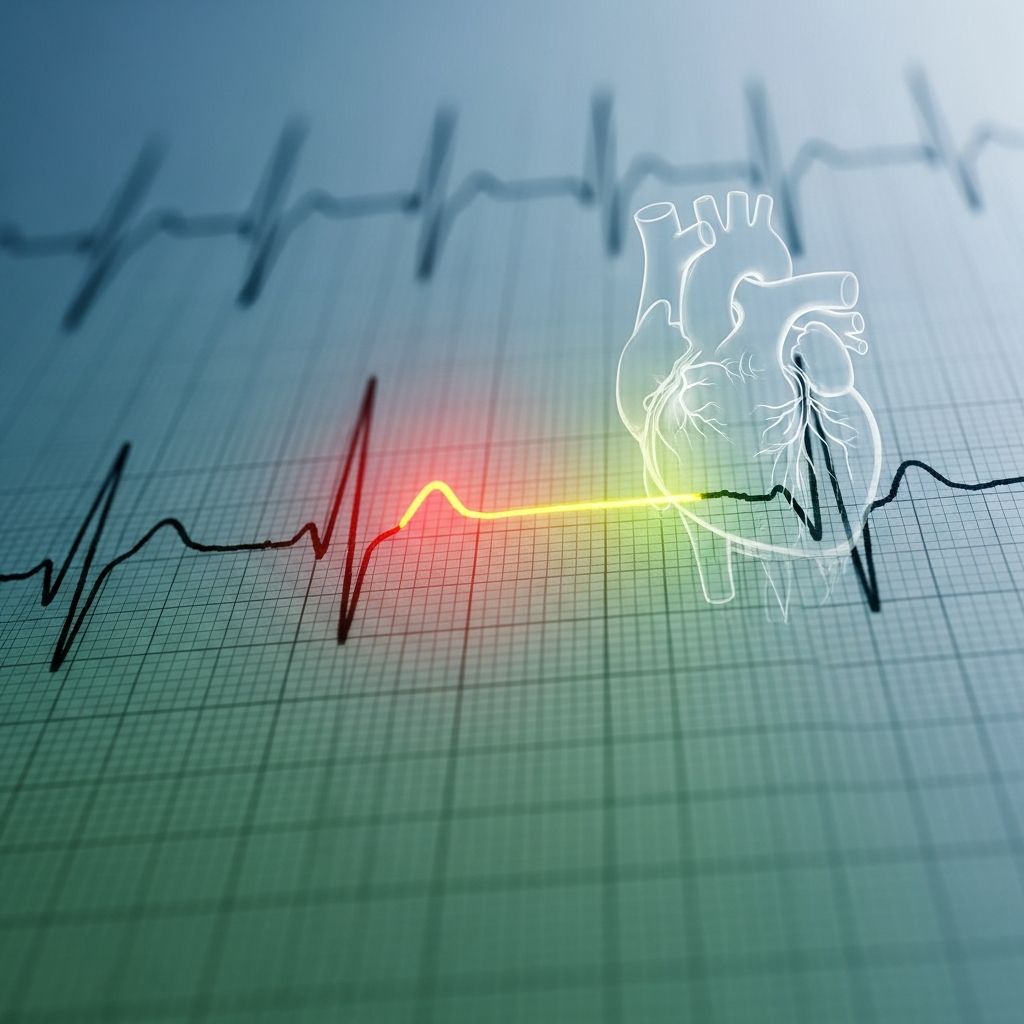
Long QT Syndrome (LQTS) disrupts the heart’s electrical recharge process, prolonging the QT interval on an electrocardiogram (ECG) and heightening the risk of life-threatening arrhythmias like Torsades de Pointes. This condition can be congenital, stemming from genetic mutations, or acquired through medications, electrolyte imbalances, or other factors, affecting people of all ages with potential for sudden cardiac events.
The Heart’s Electrical System and QT Interval Basics
The heart beats through coordinated electrical impulses that trigger contraction and relaxation. The QT interval measures the time from ventricular depolarization to repolarization, involving ion channels for sodium, potassium, and calcium flows. In LQTS, faulty ion channels delay repolarization, creating vulnerability to rapid, chaotic rhythms.
Normally, the corrected QT interval (QTc) is under 450-500 milliseconds; prolongation beyond this signals risk, especially during stress or exercise. Understanding this foundation helps grasp why LQTS demands vigilant monitoring.
Types of Long QT Syndrome
LQTS divides into congenital and acquired forms, each with distinct origins and implications.
Congenital LQTS
Inherited primarily in an autosomal dominant pattern, congenital LQTS arises from mutations in over 15 genes affecting ion channels, with KCNQ1 (LQT1), KCNH2 (LQT2), and SCN5A (LQT3) being most common. LQT1 often triggers events during swimming or exertion; LQT2 during emotional stress or auditory stimuli; LQT3 during sleep. Rarer types like Andersen-Tawil syndrome (LQT7) add muscle weakness or deafness.
Acquired LQTS
Non-inherited LQTS results from external factors and is often reversible. Common culprits include medications blocking potassium channels (e.g., certain antibiotics, antipsychotics, antiarrhythmics), electrolyte deficits (hypokalemia, hypomagnesemia, hypocalcemia), or conditions like heart failure and hypothyroidism. Those with subtle genetic predispositions face amplified risks when exposed.
Recognizing Symptoms and Warning Signs
Many with LQTS remain asymptomatic until a triggering event, but key indicators include:
- Sudden fainting (syncope), especially during physical activity, emotion, or sleep.
- Seizure-like episodes from cerebral hypoperfusion.
- Palpitations or irregular heartbeats.
- In severe cases, sudden cardiac arrest or death, often misattributed to epilepsy or SIDS in infants.
Triggers vary by subtype: exercise for LQT1, noises for LQT2, rest for LQT3. Prompt recognition prevents escalation.
How LQTS is Diagnosed
Diagnosis combines clinical evaluation, ECG, and advanced tests. A prolonged QTc (>450 ms men, >460 ms women) on resting ECG raises suspicion, but ambulatory monitoring captures intermittent changes.
| Test | Purpose | Key Findings |
|---|---|---|
| 12-lead ECG | Initial screening | QTc >450-500 ms; T-wave abnormalities |
| Holter monitor | 24-48 hour rhythm tracking | Dynamic QT prolongation, Torsades de Pointes |
| Genetic testing | Confirm congenital type | Pathogenic variants in KCNQ1, etc. |
| Exercise stress test | Assess response | Paradoxical QT shortening or arrhythmias |
Scoring systems like Schwartz criteria integrate ECG, history, family data for probability assessment. Rule out acquired causes via blood tests for electrolytes and thyroid function first.
Related Stories



Treatment and Management Strategies
Treatment aims to shorten QT, prevent arrhythmias, and mitigate risks through medications, devices, and lifestyle.
Pharmacological Options
Beta-blockers (e.g., propranolol, nadolol) are first-line for congenital LQTS, reducing sympathetic triggers and events by 60-70%. For LQT3, mexiletine targets sodium channels. Avoid QT-prolonging drugs; consult CredibleMeds lists.
Implantable Devices
For high-risk patients (e.g., prior cardiac arrest), implantable cardioverter-defibrillators (ICDs) deliver shocks to terminate ventricular tachycardia. Pacemakers manage bradycardia-related pauses.
Surgical Interventions
Left cardiac sympathetic denervation (LCSD) benefits select cases refractory to meds, reducing events by disrupting sympathetic nerves.
Lifestyle Modifications
- Avoid competitive sports, swimming alone (LQT1).
- Minimize startle triggers like alarms.
- Maintain electrolyte balance; avoid dehydration.
- Family screening for inherited cases.
Living with Long QT Syndrome: Daily Tips
Patients should carry medical alerts, educate family on CPR/AED use, and adhere to therapy. Regular follow-ups track QT intervals and adjust treatments. Pregnancy requires specialized care, as hormonal shifts can exacerbate risks. With management, most lead normal lives, though vigilance is key.
Genetic Counseling and Family Implications
Congenital LQTS warrants genetic counseling; 25-50% inheritance risk per child in autosomal dominant forms. Cascade screening tests relatives via ECG/genetics, enabling early intervention.
Frequently Asked Questions (FAQs)
What causes sudden death in LQTS?
Ventricular fibrillation from Torsades de Pointes halts effective pumping, leading to cardiac arrest.
Can LQTS be cured?
No cure exists for congenital forms, but treatments effectively control risks.
Is genetic testing necessary?
Yes for confirming diagnosis, guiding therapy, and family screening.
Which drugs worsen LQTS?
Antibiotics (erythromycin), antidepressants (citalopram), antiarrhythmics (sotalol); check resources like NHS or CredibleMeds.
Can children with LQTS play sports?
Low-intensity activities yes, but avoid swimming/competitive sports without clearance.
Research and Future Directions
Ongoing studies explore gene therapies and precision meds targeting specific mutations. Recent advances emphasize risk stratification via AI-ECG analysis. Patient registries improve outcomes through data-driven care.
References
- Long QT syndrome – NHS — NHS. 2023. https://www.nhs.uk/conditions/long-qt-syndrome/
- Long QT syndrome – Wikipedia — Wikipedia. 2023-10-28. https://en.wikipedia.org/wiki/Long_QT_syndrome
- Long QT Syndrome – StatPearls — NCBI Bookshelf. 2023-07-17. https://www.ncbi.nlm.nih.gov/books/NBK441860/
- Long QT Syndrome (LQTS) — Cleveland Clinic. 2023-05-25. https://my.clevelandclinic.org/health/diseases/17183-long-q-t-syndrome-lqts
- Long QT Syndrome Causes — Stanford Health Care. 2023. https://stanfordhealthcare.org/medical-conditions/blood-heart-circulation/long-qt-syndrome/causes.html
Similar Articles








Read full bio of medha deb