Looking for Clues: Lesser-Known Signs of Skin Cancer
Discover subtle skin cancer signs often mistaken for bruises, warts, or dry skin—early detection can save lives.
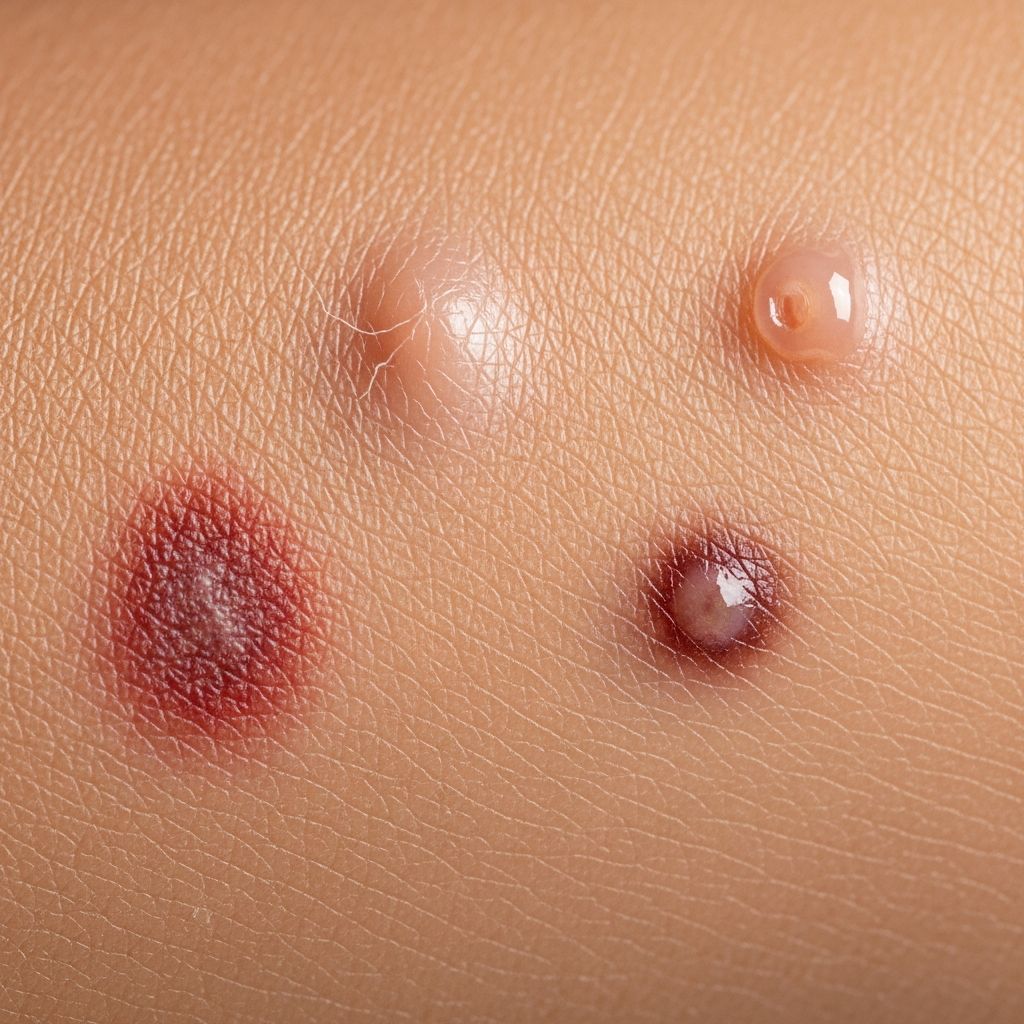
Skin cancers don’t all look alike. You can study the warning signs for the three most common types—basal cell carcinoma, squamous cell carcinoma, and melanoma—on trusted resources. But occasionally, a skin cancer develops that may seem like something else that’s not a big deal. Early detection of skin cancer can save your skin and, in some cases, even your life. Watch for these clues, and if you see something new, changing, or unusual—like something doesn’t heal, is growing, or just doesn’t seem right—see a dermatologist right away.
Skin cancer is the most common cancer in the United States, with millions of cases diagnosed annually. While familiar signs like asymmetrical moles or changing spots are well-known, subtler symptoms often go unnoticed. These lesser-known indicators can appear on nails, lips, or in forms mimicking benign conditions. Regular self-exams and professional check-ups are crucial, especially for sun-exposed areas like the face, neck, hands, and legs.
Subungual Melanoma
You might think that a dark line under your fingernail is just a bruise, but it could be a sign of melanoma. Called subungual melanoma, it’s very rare—accounting for about 3.5 percent of all melanoma cases—and it is potentially deadly. It is more common in people of color.
This type of melanoma develops under the nail bed, often presenting as a dark streak or band that widens over time. Unlike a bruise, which fades, subungual melanoma persists and may spread to the surrounding skin or cuticle. Symptoms include nail discoloration (black, brown, or gray), nail splitting down the middle, lifting of the nail plate, or bumps under the nail. Darkening of the skin around the nail (periungual pigmentation) is another red flag.
Because nails are often overlooked in self-exams, subungual melanoma is frequently diagnosed late. It can occur on both fingernails and toenails, with toes being more common. Risk factors include trauma to the nail, UV exposure, and genetic predispositions. Early biopsy is essential, as this cancer can metastasize quickly if untreated.
- Dark bands or streaks beneath the nails.
- Skin around the nail darker than surrounding areas.
- Splitting nails, especially longitudinally.
- Bumps or nonhealing wounds around nails.
- Nail lifting from the bed (onycholysis).
If you notice any of these, consult a dermatologist promptly. Treatment may involve surgical removal, sometimes with amputation of the digit in advanced cases.
“Farmer’s Lip”
You might think you have severely chapped lips, but that could be a warning sign of actinic cheilitis. This precancerous condition typically appears on the lower lip as scaly patches or roughness. Left untreated, it can evolve into squamous cell carcinoma (SCC).
Also known as “farmer’s lip” due to its prevalence among outdoor workers, actinic cheilitis results from chronic UV exposure. The lower lip is most affected because it protrudes and receives more direct sunlight. Symptoms include persistent dryness, cracking, white plaques, or thickened skin that feels rough or leathery. It may itch, burn, or develop sores that don’t heal.
Related Stories



Squamous cell carcinoma of the lip is aggressive and has a higher risk of metastasis compared to other skin SCCs. Early intervention with topical treatments like fluorouracil or photodynamic therapy can prevent progression. Protective measures like lip balm with SPF are vital for prevention.
Chronically chapped lips warrant evaluation, especially if they persist despite moisturizing. Biopsy confirms diagnosis, and cure rates are high with early detection.
Cutaneous Horn
You might think you’ve developed a wart, but these funnel-shaped growths that look like a tiny horn on the skin may signal a precancerous condition called actinic keratosis (AK) that can contain SCC at its base.
Cutaneous horns are hyperkeratotic projections extending from the skin surface, often on sun-damaged areas like the face, ears, or hands. They can be yellow, white, or skin-colored, measuring from millimeters to several centimeters. While most (up to 60%) arise from actinic keratosis—a rough, scaly precancer—about 20% harbor squamous cell carcinoma.
These horns don’t resolve spontaneously and may grow slowly. Risk factors mirror those of AK: fair skin, older age, and cumulative sun exposure. Removal via shave excision, cryotherapy, or laser is standard, followed by pathology to rule out malignancy.
- Protruding, cone-shaped keratin buildup.
- Common on sun-exposed sites.
- Base may be red, inflamed, or tender.
- Requires biopsy to assess for cancer.
Don’t ignore these unusual growths; professional evaluation is key.
Bowen’s Disease
You might think you have a patch of dry skin. But if the patch doesn’t heal, looks scaly, red, or crusty and starts spreading outward, it could be a superficial type of squamous cell carcinoma (also called SCC in situ).
Bowen’s disease, or squamous cell carcinoma in situ, appears as a well-defined, erythematous plaque with scale. It grows slowly, often on the lower legs of older adults, though it can occur anywhere. Unlike invasive SCC, it remains confined to the epidermis, making it highly curable (over 95%) with treatments like 5-fluorouracil cream, cryotherapy, or excision.
Symptoms include itching, burning, or ulceration. It mimics eczema, psoriasis, or fungal infections, leading to delays in diagnosis. Arsenic exposure or HPV infection are rare causes. Regular monitoring prevents progression to invasive cancer.
Any persistent red patch merits a dermatologist visit for biopsy.
Kaposi’s Sarcoma
You might think you have a severe rash or allergic reaction. This rare, aggressive cancer tends to affect people with weakened immune systems, such as those with the HIV virus. It causes red or purple patches to grow in the skin. While this is becoming more rare thanks to antiviral medications, if you think you might be at risk, see your doctor promptly.
Kaposi’s sarcoma (KS) is caused by human herpesvirus 8 (HHV-8). Lesions start as flat macules, progressing to plaques or nodules. They are often painless but can ulcerate or bleed. Classic KS affects elderly men of Mediterranean descent; endemic KS occurs in Africa; and AIDS-related KS is the most aggressive.
Treatment includes antiretroviral therapy for HIV patients, local therapies like radiation, or systemic chemotherapy. Prognosis has improved dramatically with modern HIV management.
Additional Lesser-Known Signs
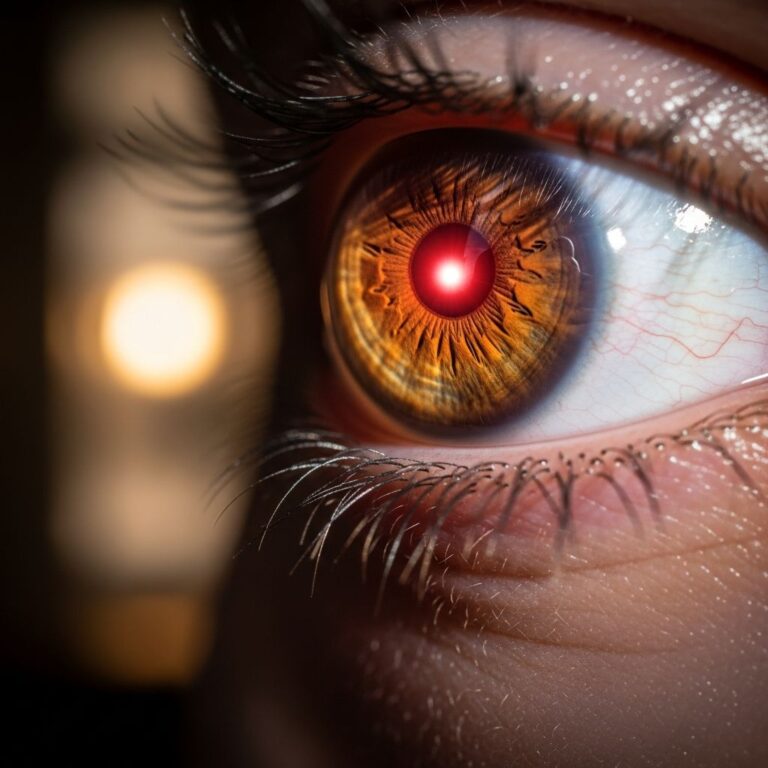
Beyond these, other subtle cues include pimple-like growths that don’t heal within two weeks, often firm and shiny, indicative of basal or squamous cell carcinoma. Moles losing color (hypopigmentation) can signal amelanotic melanoma, harder to spot. Ocular changes like dark iris spots or vision flashes may point to eye melanoma.
| Sign | Description | Common Mimic | Cancer Type |
|---|---|---|---|
| Pimple-like bump | Firm, shiny, non-healing | Acne | BCC/SCC |
| Colorless mole | Mole lightens | Normal variation | Melanoma |
| Eye spots | Dark spots, vision changes | Floaters | Ocular melanoma |
Frequently Asked Questions (FAQs)
Q: What are the most common lesser-known signs of skin cancer?
A: Signs include dark streaks under nails (subungual melanoma), persistent chapped lips (actinic cheilitis), cutaneous horns, Bowen’s disease patches, and Kaposi’s sarcoma lesions.
Q: How can I differentiate a bruise from subungual melanoma?
A: Bruises fade in weeks; melanoma streaks persist, widen, or cause nail changes. See a doctor for evaluation.
Q: Is actinic cheilitis always cancerous?
A: No, it’s precancerous, but untreated cases can progress to SCC. Use SPF lip balm and get checked.
Q: When should I see a dermatologist for a skin change?
A: If it’s new, changing, itchy, bleeding, or doesn’t heal in 4 weeks.
Q: Can skin cancer occur on covered skin?
A: Yes, though less common. Any unusual growth warrants attention.
Perform monthly self-exams using the ABCDE rule for moles (Asymmetry, Border irregularity, Color variation, Diameter >6mm, Evolving). Sun protection—sunscreen, clothing, shade—reduces risk. Early detection via professional skin checks boosts survival rates to near 100% for most skin cancers.
References
- Symptoms of non-melanoma skin cancer — NHS. 2023. https://www.nhs.uk/conditions/non-melanoma-skin-cancer/symptoms/
- Skin cancer – Symptoms and causes — Mayo Clinic. 2024-01-25. https://www.mayoclinic.org/diseases-conditions/skin-cancer/symptoms-causes/syc-20377605
- Looking for Clues: Lesser-Known Signs of Skin Cancer — Skin Cancer Foundation. 2023. https://www.skincancer.org/blog/looking-for-clues-the-lesser-known-signs-of-skin-cancer/
- Top 6 Uncommon Signs of Skin Cancer — US Dermatology Partners. 2024. https://www.usdermatologypartners.com/blog/top-6-uncommon-signs-of-skin-cancer-beyond-the-ordinary-symptoms/
- Non melanoma skin cancer symptoms — Cancer Research UK. 2024. https://www.cancerresearchuk.org/about-cancer/skin-cancer/symptoms
- 9 Top Skin Cancer Symptoms & Signs — MD Anderson Cancer Center. 2023. https://www.mdanderson.org/cancer-types/skin-cancer/skin-cancer-symptoms.html
Similar Articles








Read full bio of Sneha Tete