Loop Electrosurgical Excision Procedure (LEEP)
Understanding LEEP: Purpose, Procedure, Risks, and Recovery
What Is Loop Electrosurgical Excision Procedure (LEEP)?
The loop electrosurgical excision procedure (LEEP) is a minimally invasive surgical technique used to remove abnormal or precancerous cells from the cervix. This procedure is also known as loop diathermy treatment, loop excision of the transformation zone (LETZ), or large loop excision of the transformation zone (LLETZ). LEEP is widely used in outpatient settings and is considered a safe and effective method for both diagnosing and treating cervical dysplasia.
Purpose of LEEP
LEEP is primarily performed to:
- Remove abnormal or precancerous cells from the cervix
- Prevent the progression of cervical dysplasia to cervical cancer
- Obtain tissue samples for laboratory analysis
- Treat persistent or recurrent cervical cell changes
By removing abnormal tissue, LEEP helps reduce the risk of cervical cancer and allows healthcare providers to monitor for any further changes.
Who Needs LEEP?
LEEP is recommended for individuals who have:
- Abnormal Pap test results
- Abnormal findings on colposcopy
- High-risk human papillomavirus (HPV) infection
- Visible cervical lesions or warts
It is typically performed after a thorough evaluation, including a Pap smear and colposcopy, to confirm the presence of abnormal cervical cells.
How LEEP Works
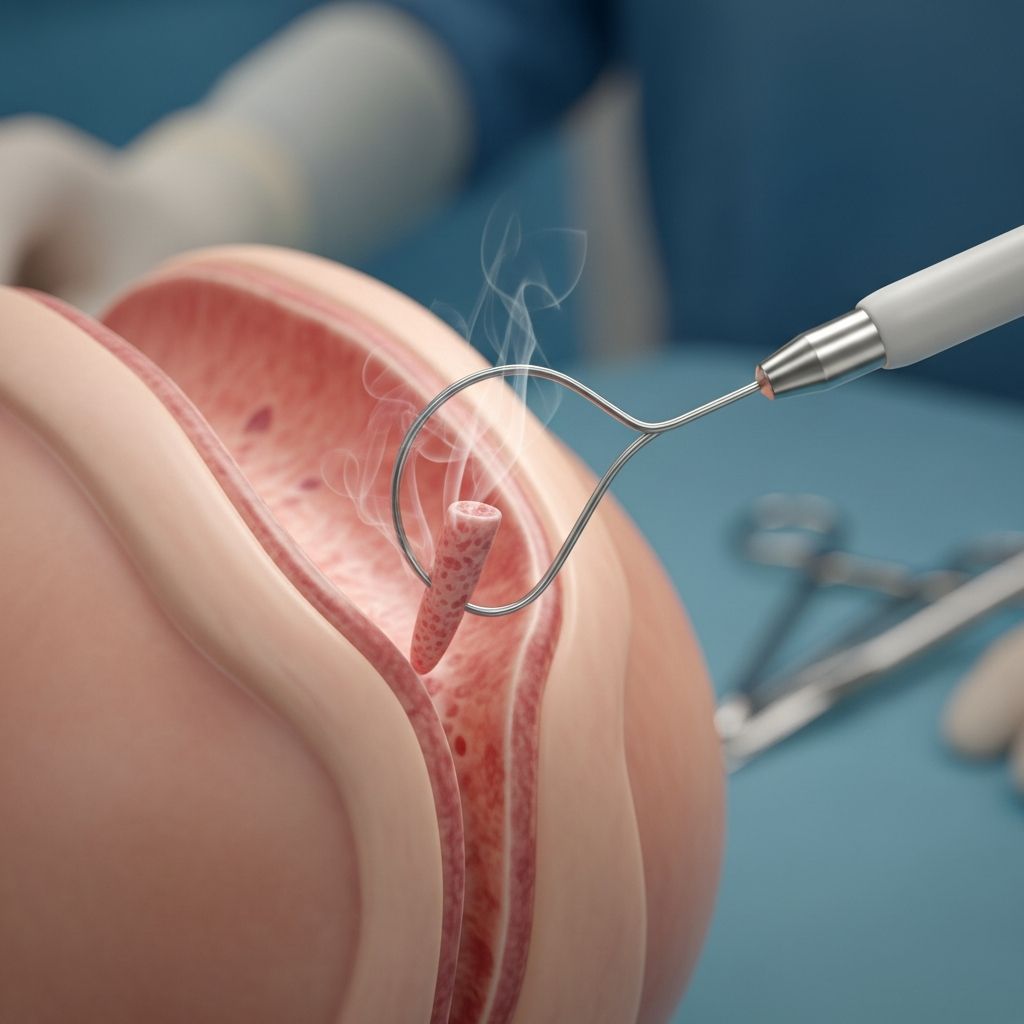
LEEP uses a thin wire loop attached to an electrical current to excise abnormal tissue from the cervix. The procedure is performed under local anesthesia and typically takes only a few minutes. The wire loop is passed over the cervix to cut away a thin layer of tissue, which is then sent to a laboratory for further analysis.
What to Expect Before LEEP
Before undergoing LEEP, patients should:
- Discuss their medical history and any medications with their healthcare provider
- Inform their provider of any allergies or previous adverse reactions to anesthesia
- Avoid scheduling the procedure during menstruation for better visualization
- Arrange for transportation home, as some patients may feel lightheaded after the procedure
LEEP Procedure Step-by-Step
- The patient lies on an exam table with feet in stirrups.
- A speculum is inserted to open the vagina and expose the cervix.
- A colposcope may be used to magnify and examine the cervix.
- A local anesthetic is injected to numb the cervix.
- A vinegar solution or acetic acid may be applied to highlight abnormal cells.
- The wire loop is passed over the cervix to remove abnormal tissue.
- A medicated paste (such as Monsel’s paste) is applied to stop bleeding.
- The removed tissue is sent to a laboratory for analysis.
Risks and Complications
While LEEP is generally safe, potential risks and complications include:
- Bleeding
- Infection
- Cervical stenosis (narrowing of the cervical canal)
- Incomplete removal of abnormal tissue
- Scarring
- Impact on future pregnancies (rare)
Most complications are mild and resolve on their own, but patients should contact their healthcare provider if they experience severe pain, heavy bleeding, or signs of infection.
Recovery After LEEP
After LEEP, patients may experience:
- Mild cramping for several hours
- Dark brown vaginal discharge during the first week
- Spotting for up to three weeks
- Light bleeding or discharge for several weeks
Patients should avoid:
- Vaginal sex for 2–4 weeks
- Using tampons for 2–4 weeks
- Heavy lifting or strenuous activity for a few days
- Bathing in a tub or swimming for 2–4 weeks
Related Stories



Most patients can return to normal activities within a week, but recovery time may vary depending on the extent of the procedure.
Effectiveness of LEEP
LEEP is highly effective in removing abnormal cervical cells and preventing the progression to cervical cancer. Studies show that:
- LEEP successfully removes abnormal tissue in most cases
- The recurrence rate of abnormal cells is low
- LEEP has a high patient acceptance rate
However, regular follow-up Pap tests and colposcopy are recommended to monitor for any new changes.
Follow-Up Care
After LEEP, patients should:
- Attend all scheduled follow-up appointments
- Have regular Pap tests as recommended by their healthcare provider
- Report any unusual symptoms, such as heavy bleeding or severe pain
- Practice safe sex to reduce the risk of HPV infection
FAQs About LEEP
Is LEEP painful?
Most patients feel only minor discomfort during LEEP. Local anesthesia is used to numb the cervix, but some may feel a sharp pinch or a dull ache.
How long does LEEP take?
The procedure typically takes 10–20 minutes.
Can LEEP affect fertility?
LEEP rarely affects fertility, but in rare cases, it may increase the risk of preterm birth or cervical incompetence in future pregnancies.
Will I need more treatment after LEEP?
If all abnormal tissue is removed, additional treatment is usually not needed. However, regular follow-up is important to monitor for recurrence.
Can LEEP be used to treat genital warts?
Yes, LEEP can be used to remove genital warts, but other treatments may also be recommended depending on the size and location of the warts.
Conclusion
The loop electrosurgical excision procedure (LEEP) is a safe and effective treatment for abnormal cervical cells. It helps prevent cervical cancer, provides tissue for laboratory analysis, and has a high success rate. While there are some risks and potential complications, most patients recover well and can return to normal activities within a week. Regular follow-up care is essential to monitor for any new changes and ensure long-term health.
References
- Loop Electrosurgical Excisional Procedure — PubMed. 1993. https://pubmed.ncbi.nlm.nih.gov/8426142/
- Loop Electrosurgical Excision Procedure (LEEP) — American College of Obstetricians and Gynecologists (ACOG). 2023. https://www.acog.org/womens-health/faqs/loop-electrosurgical-excision-procedure
- LEEP: Procedure, Purpose, Side Effects & Recovery — Cleveland Clinic. 2023. https://my.clevelandclinic.org/health/treatments/4711-loop-electrosurgical-excision-procedure-leep
- The LEEP Procedure for Cervical Cancer Prevention — American Cancer Society. 2023. https://www.cancer.org/cancer/types/cervical-cancer/causes-risks-prevention/leep.html
Similar Articles








Read full bio of Sneha Tete